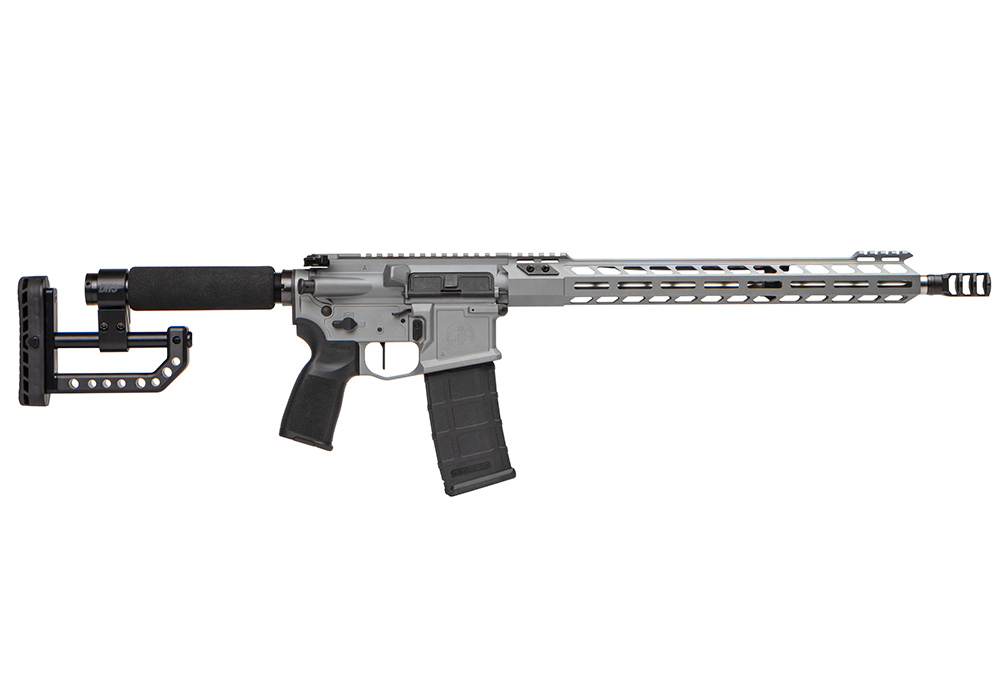
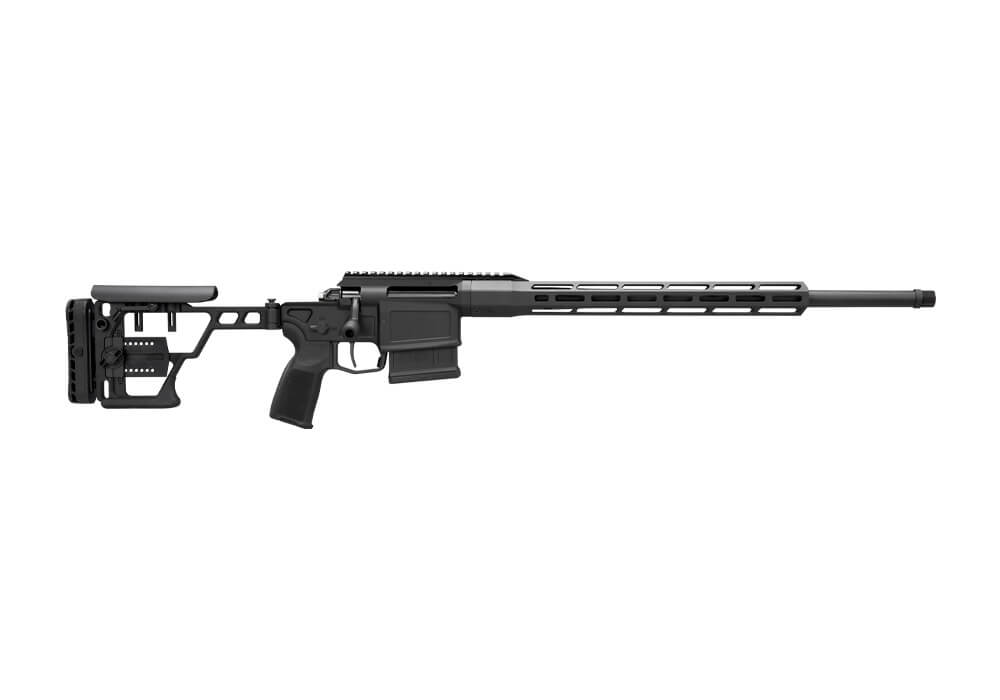
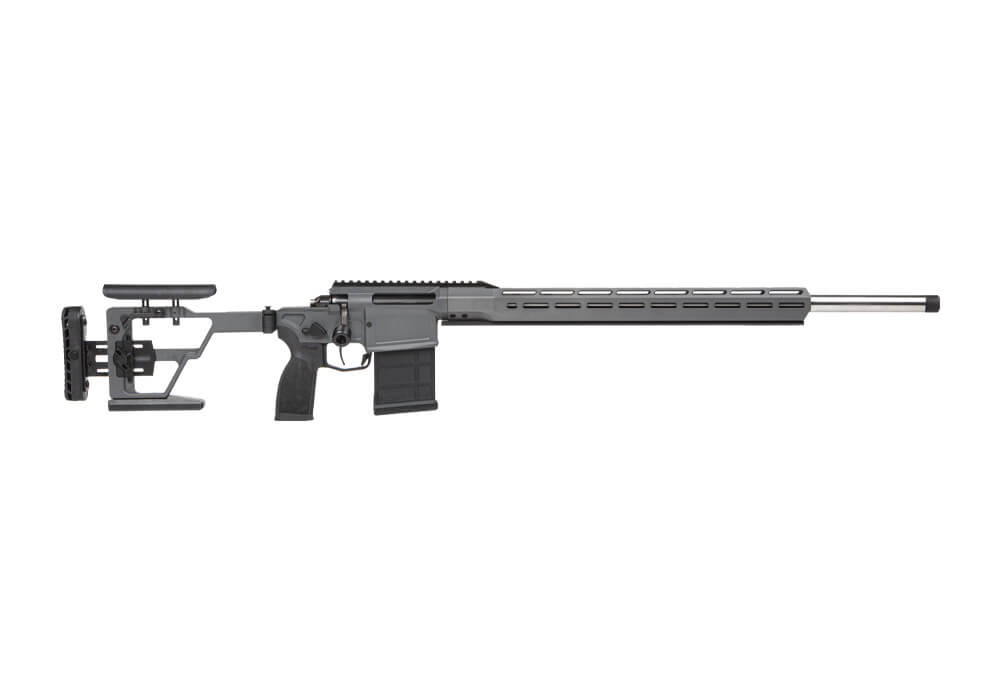
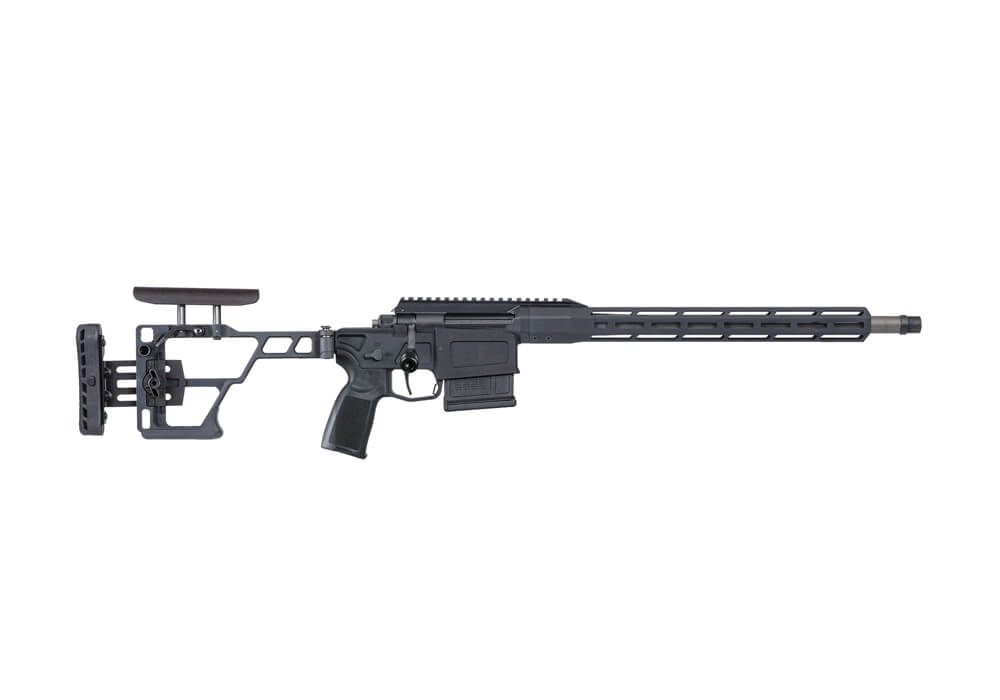
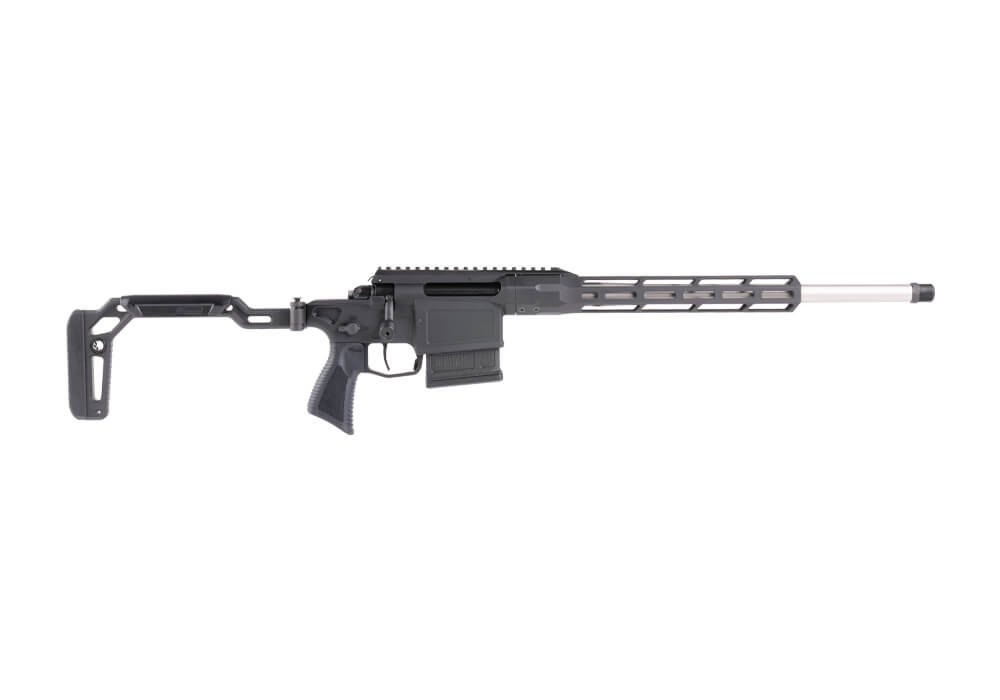
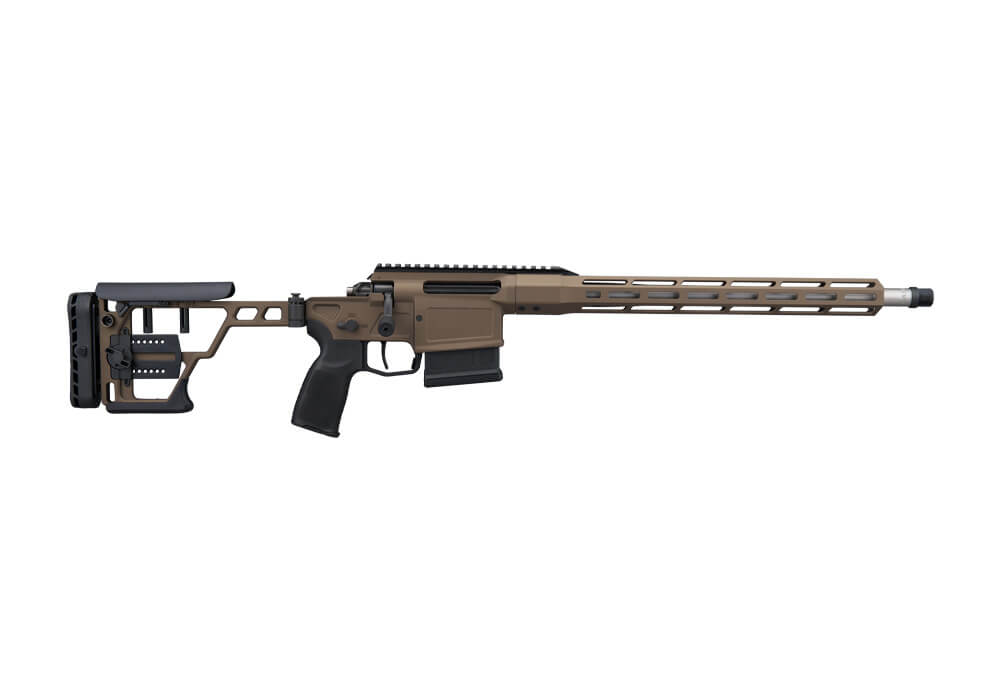
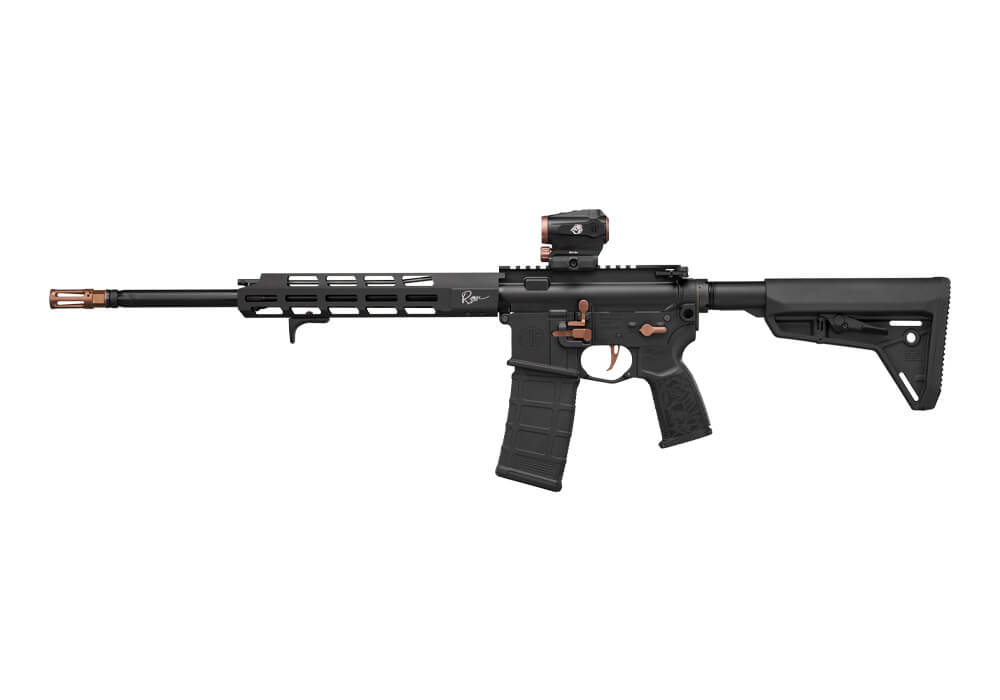
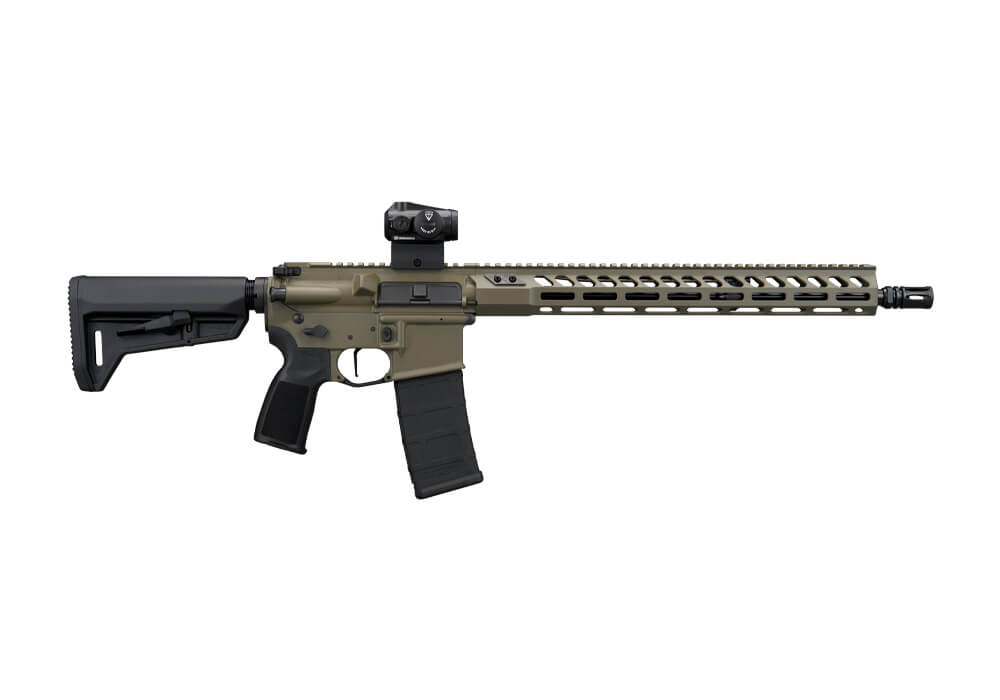
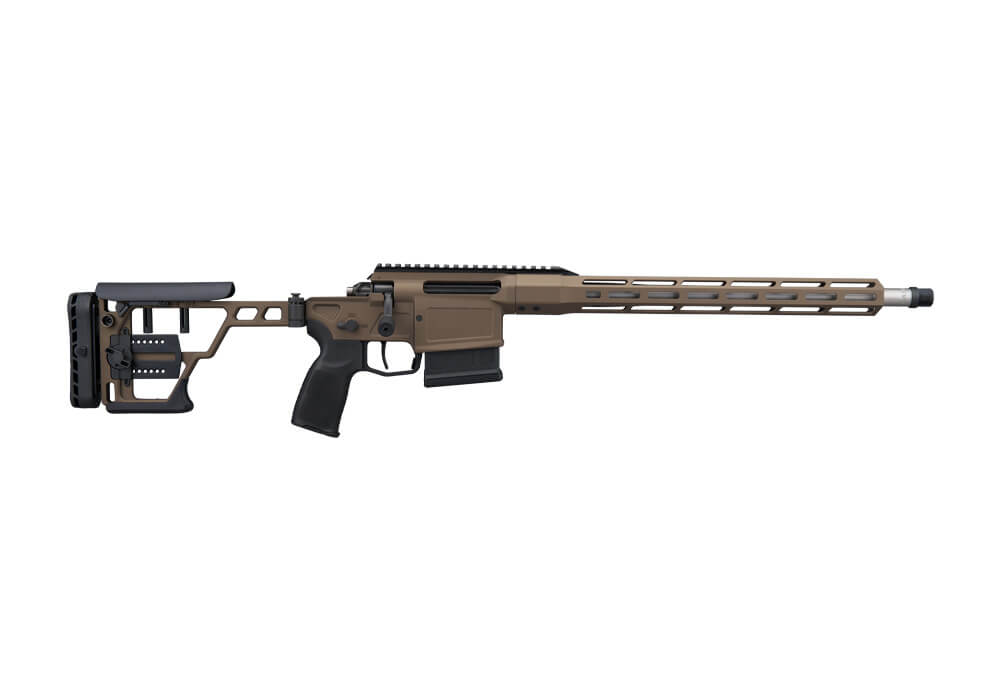
Adjustable stock competition rifles are built for shooters who value a precise, repeatable fit from one stage to the next. Unlike a fixed-stock rifle, an adjustable configuration allows the shooter to tailor the rifle to their body, optic setup, clothing, and preferred shooting position. Length of pull—the distance between the trigger and the buttpad—can be adjusted to place the shoulder, trigger hand, and firing hand in a natural relationship. A properly positioned comb helps bring the eye directly in line with the scope without forcing the shooter to lift or twist their head, while an adjustable buttpad can help manage shoulder contact and support a stable position behind the rifle. These details matter during practical rifle matches, precision rimfire events, long-range practice, and structured range sessions where consistency is just as important as accuracy. A shooter moving from a barricade to a prone position may need a slightly different cheek weld or shoulder placement, and a modular stock makes those changes easier to manage. The result is a rifle that feels more like a fitted piece of equipment than a one-size-fits-all platform. When browsing adjustable stock competition rifles, consider how much range of adjustment is available, whether the controls are easy to access while wearing gloves, and how securely each setting locks into place. A folding stock may be useful for transport and storage, while a rigid, extended configuration can provide a reassuringly solid feel during supported positions. Adjustable cheek pieces, vertical grips, thumb rests, and buttpad systems can each contribute to comfort and control, but the best combination depends on the shooter’s build, optic height, and competition discipline.
Weight, balance, and compatibility are equally important purchase considerations. A competition-oriented rifle often benefits from a balanced feel that settles naturally on a bipod, bag, or barricade without becoming awkward to carry between stages. Some shooters prefer a more substantial setup that stays steady during slow, deliberate fire, while others favor a lighter configuration that is easier to move and reposition. Look for a stock or chassis designed to work with the rifle’s action and barrel profile, and verify that mounting interfaces accommodate the accessories you already use or expect to add. An integrated or compatible accessory rail may support a bipod, tripod interface, or other positional equipment, while a flat underside can provide a more predictable surface on bags and barricades. Magazine compatibility, bolt clearance, safety access, and trigger reach should also be checked before purchase, particularly when moving an action into a replacement stock or chassis. Finish quality, adjustment hardware, sling attachment points, and the ease of removing or securing the cheek piece can make a noticeable difference over a long day at the range. It is also worth considering how the rifle will be transported during warmer weather, changing conditions, or the cooler months, since a stock that adjusts reliably and resists unwanted movement is valuable when the rifle moves from a padded case to the firing line. Shooters who alternate between lightweight field optics and larger precision scopes should pay close attention to cheek height and eye alignment. A stock with broad adjustment capability can accommodate those changes without requiring an uncomfortable head position or improvised padding. For lawful adult sportsmen and women, an adjustable stock competition rifle can be a thoughtful gift when the recipient already participates in organized shooting or spends time developing precision skills at an appropriate range. Accessories and fit are personal, so a gift purchaser may want to confirm the recipient’s action pattern, preferred shooting position, and optic arrangement before selecting a complete rifle or compatible stock system. A retailer’s product specifications and qualified personnel can help verify those details.
The most rewarding way to set up an adjustable stock competition rifle is to make small, deliberate changes and then evaluate how the rifle behaves from realistic positions. Begin with a comfortable length of pull that lets the trigger finger contact the trigger naturally while the firing hand remains relaxed. Set the comb so the eye meets the optic with minimal movement, then adjust the buttpad until it sits securely in the shoulder pocket without creating pressure points. From there, test the rifle prone, seated, kneeling, and against common barricade surfaces, noting whether the stock encourages a consistent cheek weld and a repeatable position. A few minutes spent fitting the rifle can be more valuable than adding another accessory, especially when fatigue begins to show during a long practice session. Shooters may also appreciate a system that allows settings to be recorded or returned to easily after transport. Keep fasteners properly secured, follow the manufacturer’s maintenance recommendations, and confirm that any adjustment remains locked before use. As the weather warms, outdoor matches and range days often make portability, ventilation, and simple setup especially useful; during cooler months, the ability to accommodate heavier clothing and gloves becomes just as practical. Those planning seasonal range outings or selecting a precision-focused gift can also explore Adjustable Stocks For Holiday Shooting for related options. Whether used by a new competitor building confidence or an experienced shooter refining a familiar platform, an adjustable stock competition rifle offers a direct way to improve fit, comfort, and consistency. The right configuration should support a stable position, provide dependable adjustment, and feel natural enough that the shooter can concentrate on safe handling, sound technique, and the demands of the course of fire.