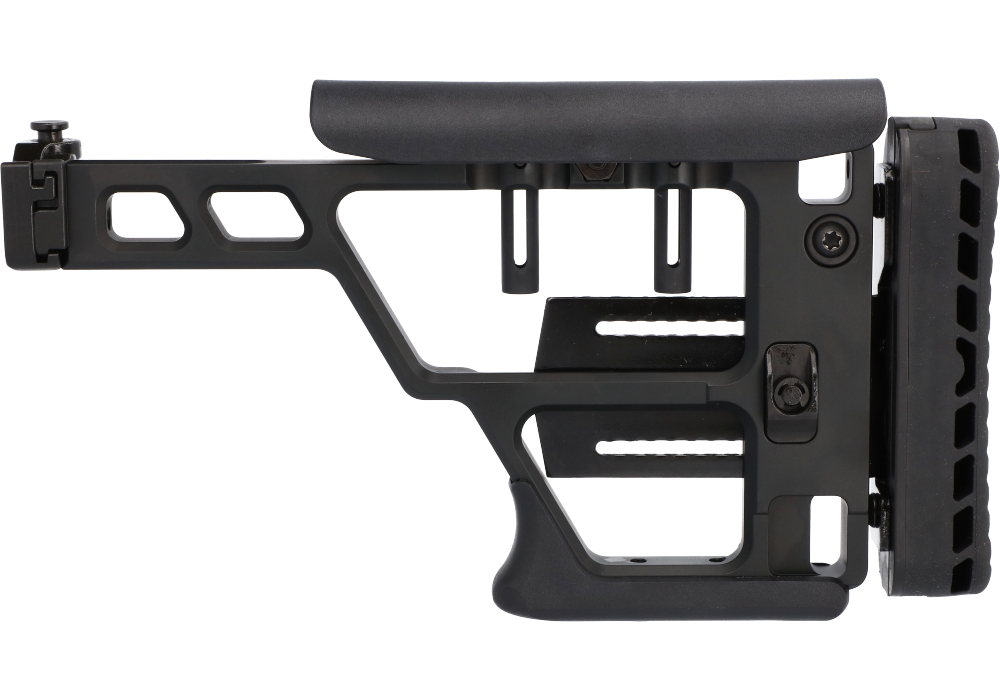
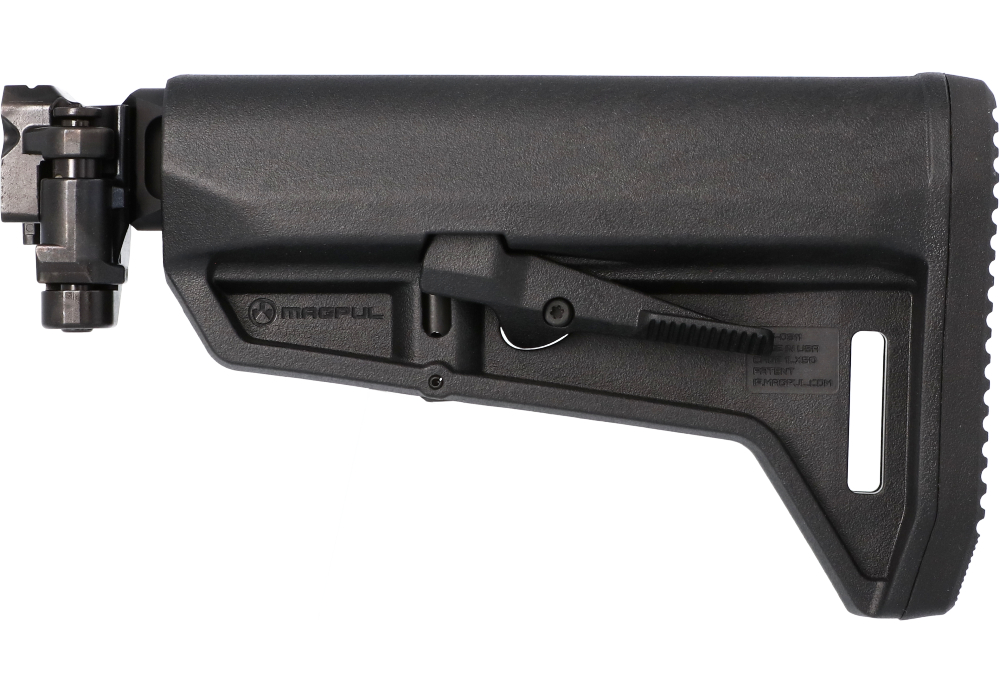
Adjustable stocks for holiday shooting can make a meaningful difference in comfort, control, and overall fit, whether they are selected for seasonal target practice, a hunting trip, a range day with friends, or a thoughtful gift for an experienced shooter. Unlike a fixed stock with one permanent configuration, an adjustable design allows the shooter to fine-tune the firearm around their body, clothing, shooting position, and intended use. Common adjustment points include length of pull, comb height, cheek position, and sometimes the angle or position of the buttpad. These changes can help the firearm sit naturally in the shoulder pocket, bring the eye into a consistent relationship with the optic or sights, and support a repeatable cheek weld from one shot to the next. During the cooler months, length of pull deserves particular attention because a stock that feels comfortable over a light shirt may feel noticeably different when used with a jacket, vest, or layered outdoor clothing. A properly fitted stock should allow the shooter to mount the firearm smoothly without stretching for the trigger or crowding the controls. It should also help keep the head upright and the shoulders relaxed rather than forcing the shooter to compensate with an awkward stance. For a family member or friend who spends time at the range, participates in organized competition, or enjoys lawful hunting, an adjustable stock can be a practical holiday gift that supports many shooting sessions instead of being limited to one particular season. It may also be useful for households where more than one qualified adult uses the same firearm, since small changes in stature, arm length, and preferred shooting position can make a noticeable difference. Gift buyers should confirm the firearm platform, model compatibility, mounting pattern, and any required hardware before making a selection. Some stocks are designed for specific rifle or shotgun configurations, while others may require additional components or professional fitting. Product specifications should be reviewed carefully, especially when choosing between standard and extended capacity configurations, folding or fixed designs, and adjustment systems intended for field use or more specialized range setups.
When comparing adjustable stocks for holiday shooting, begin with the fit features that matter most to the intended user. Length-of-pull adjustment is valuable for accommodating different body sizes and changing layers of clothing, while comb-height adjustment can improve eye alignment with a scope, red dot sight, or rib. A comb that is too low may encourage the shooter to lift their head or press the cheek down unnaturally; a comb that is too high can interfere with a clean mount and make alignment inconsistent. Cast and offset options, where available, can further refine the relationship between the shooter’s face and the sights. Recoil management is another important consideration. A stock with a comfortable buttpad, a stable shoulder interface, and a geometry suited to the firearm can help reduce perceived discomfort and make longer sessions more manageable. This is especially relevant for new shooters, smaller-framed users, or anyone returning to the range after time away. Adjustable cheekpieces and spacers can also help create a more consistent position when shooting from a bench, standing position, blind, or other supported setup. For competitive users, repeatability and quick adjustment may take priority, while hunters may place greater emphasis on durability, weather resistance, snag-free contours, and reliable operation with gloves. Shooters who travel should consider whether the stock folds or separates for transport and whether that feature is lawful and suitable for their firearm and destination. Those seeking a compact, adaptable setup can review the selection of Adjustable Carbine Stocks while confirming the correct platform and installation requirements. An adjustable stock should never be treated as a substitute for safe handling, proper training, or careful sight-in. After installation, the firearm should be checked unloaded according to the manufacturer’s instructions, all fasteners should be secured to the recommended specifications, and the shooter should verify function and fit at a controlled range before relying on the setup in the field. If installation involves removing factory components or modifying the firearm, a qualified gunsmith can help protect the firearm and ensure that the stock operates as intended.
Holiday shooting often brings a relaxed, social atmosphere to the range, but the best experiences still begin with equipment that feels predictable and secure. An adjustable stock can help a shooter settle into a steady position, reduce unnecessary movement, and maintain a consistent sight picture through a series of shots. That consistency is useful for informal paper targets, clay shooting where compatible, zero confirmation before a hunting outing, and structured practice sessions during the warmer and cooler parts of the year. It can also make a firearm more approachable for a new owner by allowing the stock to be adjusted gradually as their stance and technique develop. When choosing a gift, consider the recipient’s firearm type, dominant shoulder, preferred optic or sighting system, typical shooting distance, and the clothing they are likely to wear outdoors. A durable finish and simple controls may be preferable for a hunter who spends time around brush, rain, or cold mornings, while a competition-focused shooter may value a wider range of adjustment and a more precise cheek or buttpad setup. Storage and transport deserve attention as well: the firearm should be unloaded, secured, and stored in accordance with applicable laws and household safety practices, with accessories kept protected from moisture, impact, and unauthorized access. Buyers should also confirm local, state, and federal requirements before purchasing, installing, transporting, or using an adjustable stock, as regulations can differ based on firearm type and configuration. With the right fitment, careful installation, and responsible handling, an adjustable stock can turn a seasonal shooting accessory into a dependable part of a well-maintained setup, offering comfort and adaptability for range days, outdoor pursuits, and holiday gatherings centered on safe, lawful marksmanship.