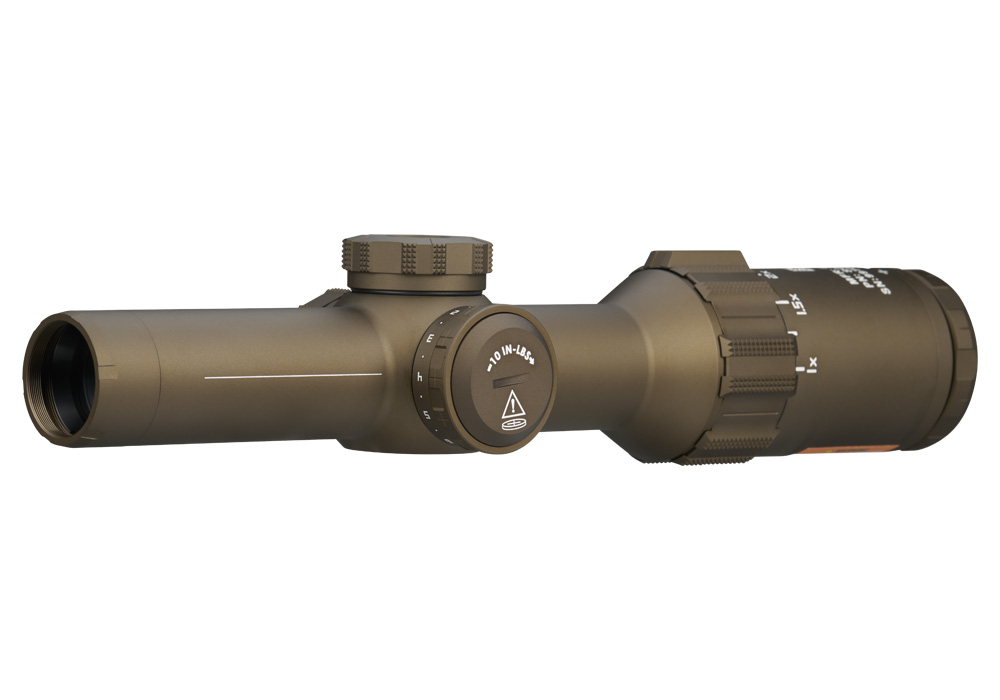
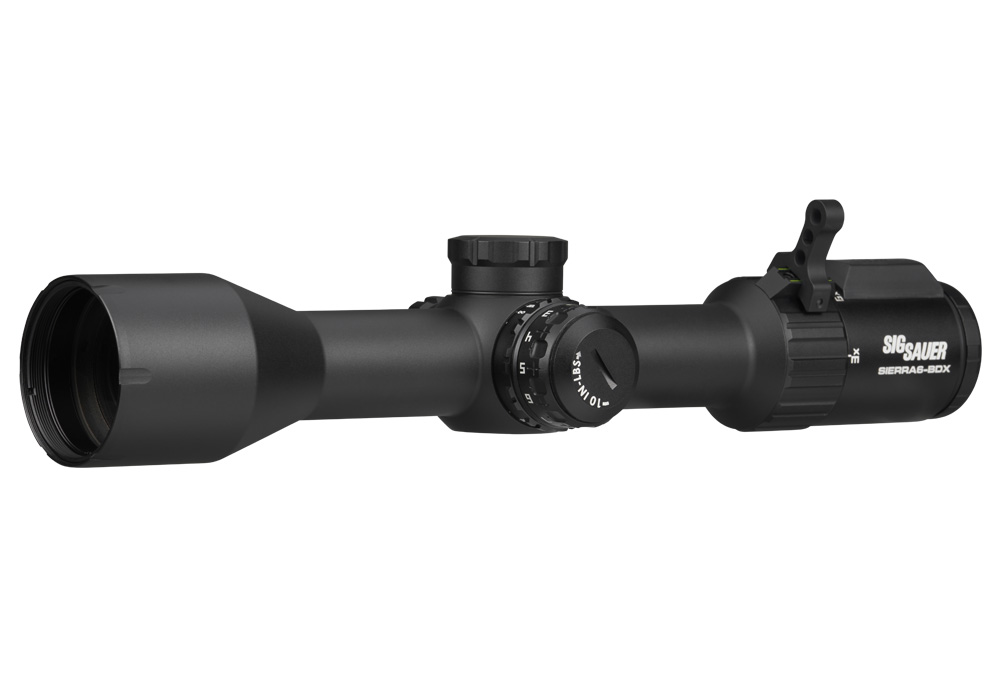
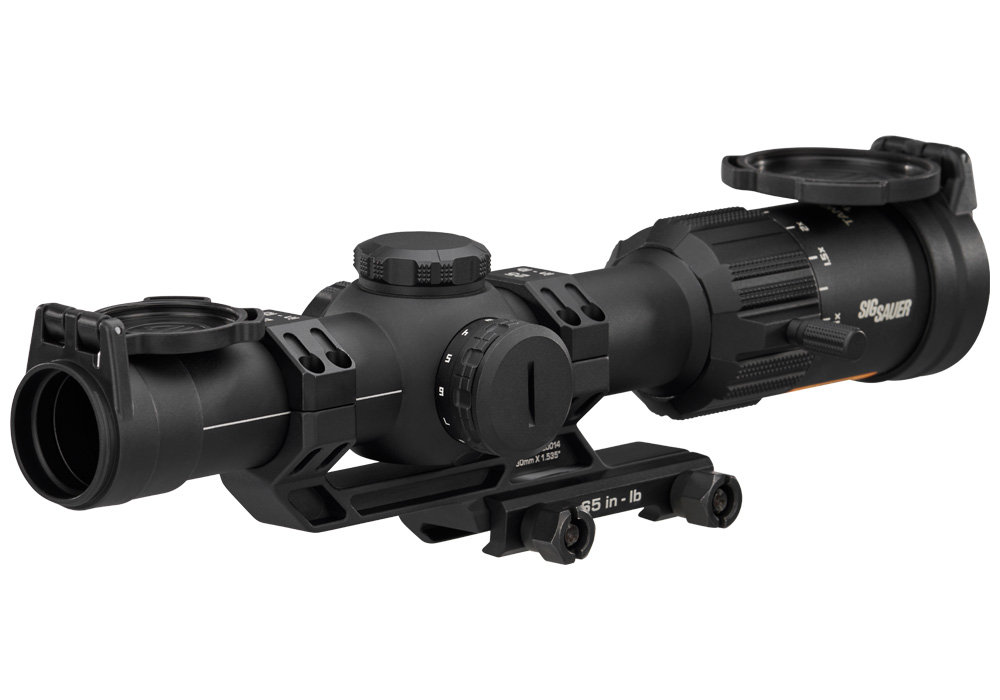
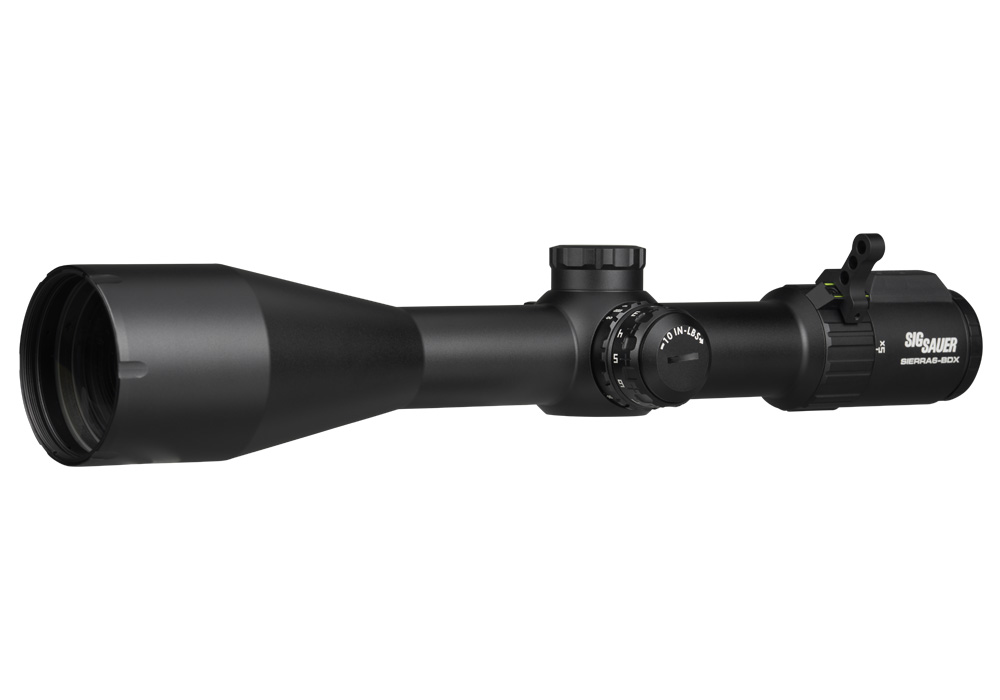
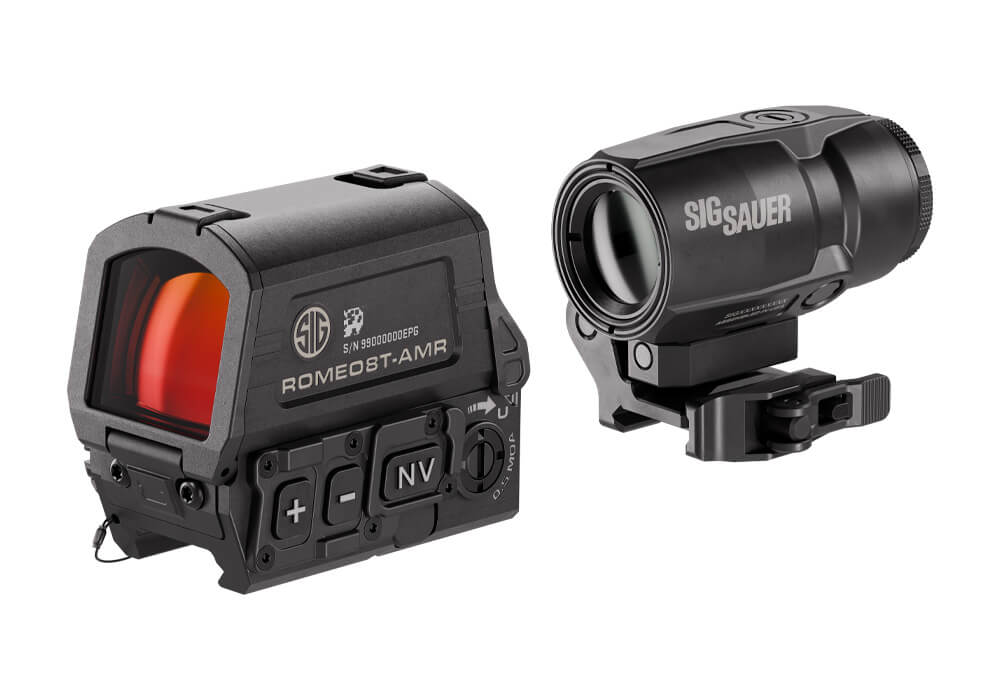
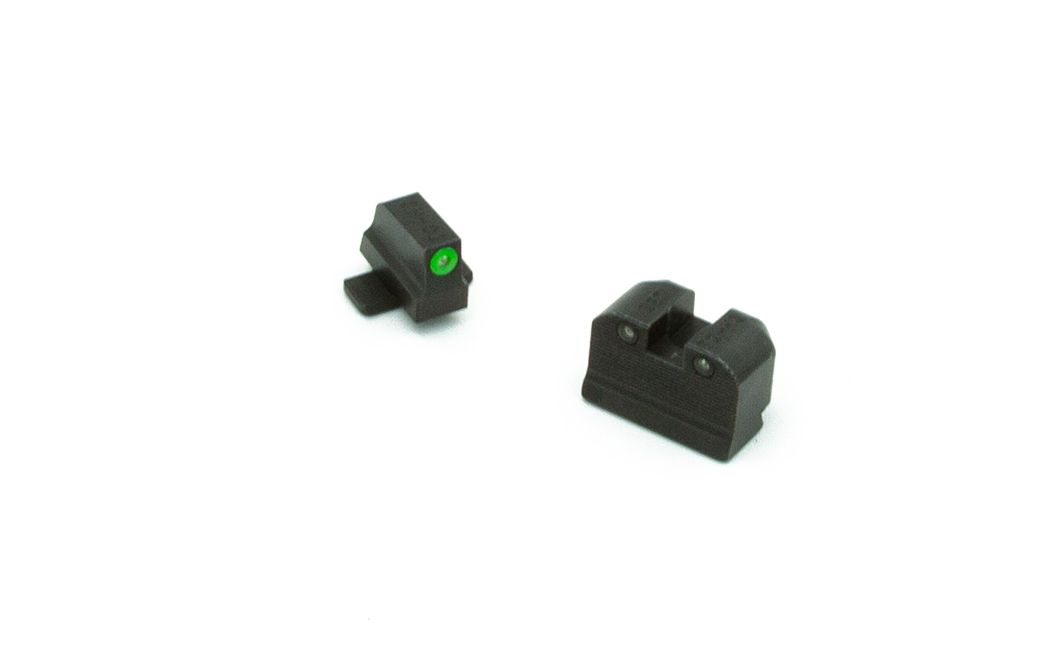
Advanced optics for MSR platforms give a Modern Sporting Rifle greater flexibility across changing distances, lighting conditions, and shooting positions. The right optic can make a familiar rifle feel more natural in the hands, whether it is used for organized competition, recreational range sessions, training, hunting where lawful, or a carefully planned home-defense setup. Selection begins with the distance and pace most often associated with the rifle. A red dot or holographic-style sight offers rapid target acquisition at close range, generous eye relief, and the ability to aim with both eyes open. These qualities are especially useful when movement, changing angles, or quick transitions are part of the shooting activity. A low-power variable optic, commonly called an LPVO, adds adjustable magnification while preserving a true or near-true 1x setting for close targets. With the turn of a magnification ring, the same sight can provide a wider field of view for nearby work and a more detailed sight picture for mid-range targets. Fixed-power prism optics occupy another useful category, combining a compact form with an etched reticle that remains visible even when illumination is not in use. For shooters who experience a less-than-perfect red-dot image because of astigmatism, an etched prism reticle may appear especially crisp and consistent. Each design has a distinct personality: a red dot feels quick and open, an LPVO offers broad versatility, and a prism optic brings a defined aiming reference in a durable, streamlined package.
Magnifier pairings can extend the usefulness of a non-magnified optic without requiring a complete change of sighting system. Mounted behind a red dot, a flip-to-side magnifier can be brought into line for added detail at moderate distances and moved aside when speed and maximum field of view matter more. This arrangement is appealing to MSR owners who want one rifle to serve multiple range roles, from close target drills to deliberate shots farther downrange. LPVOs are similarly suited to shooters who move between positions or vary their practice from rapid presentations to supported, magnified fire. When comparing advanced optics for MSR platforms, consider the reticle first. A simple illuminated aiming point is fast to understand, while a more detailed reticle may provide hold references for distance, wind, or changing ammunition performance. Illumination settings should be easy to adjust with gloved or cold hands, and brightness should remain visible against both shaded backgrounds and bright outdoor terrain. Field of view, eye relief, adjustment range, and turret design all influence how naturally an optic works with a particular rifle. A sight that looks impressive on a specification sheet may feel cumbersome if it adds unnecessary weight or creates an awkward balance point. Keeping the optic and mount as light and centered as practical helps preserve the lively handling that makes an MSR enjoyable to carry and shoot. Mount height also deserves attention: the optic should align comfortably with the rifle’s stock and the shooter’s normal cheek position, without forcing an exaggerated head lift or strained neck angle.
Durability and mounting are just as important as magnification or reticle style. Look for an optic built to withstand the repeated vibration of a semiautomatic rifle, routine transport, and the bumps that come with moving between a safe, a vehicle, and the range. A robust mount, properly matched to the optic and receiver rail, helps maintain a consistent zero when installed according to the manufacturer’s instructions. Cantilever mounts are commonly used with variable-power scopes because they provide the forward placement needed for comfortable eye relief while keeping the optic securely attached. Before purchasing, confirm rail compatibility, tube or footprint dimensions, mount height, and the amount of clearance needed around backup sights or other accessories. Battery life, battery access, lens coatings, fog resistance, and controls that can be operated without removing the rifle from the shoulder are practical details that become noticeable during longer sessions. A quality optic can also make a thoughtful gift for a new MSR owner, a competitive shooter preparing for a new division, or an experienced range partner refining an established setup; the best choice depends on the recipient’s rifle, preferred distance, vision, and intended use. A gift card or conversation about mounting standards can be more useful than guessing at a fit. During warmer outdoor sessions and the cooler months that follow, clear glass, dependable illumination, and a balanced setup help keep attention on fundamentals rather than equipment distractions. Those exploring optics for a broader range of specialized configurations can also review Advanced Optics For Tactical Applications. Whatever category is selected, confirm local laws, follow all firearm and range rules, mount the optic securely, and verify zero from a safe, stable position before relying on the setup for any serious purpose.