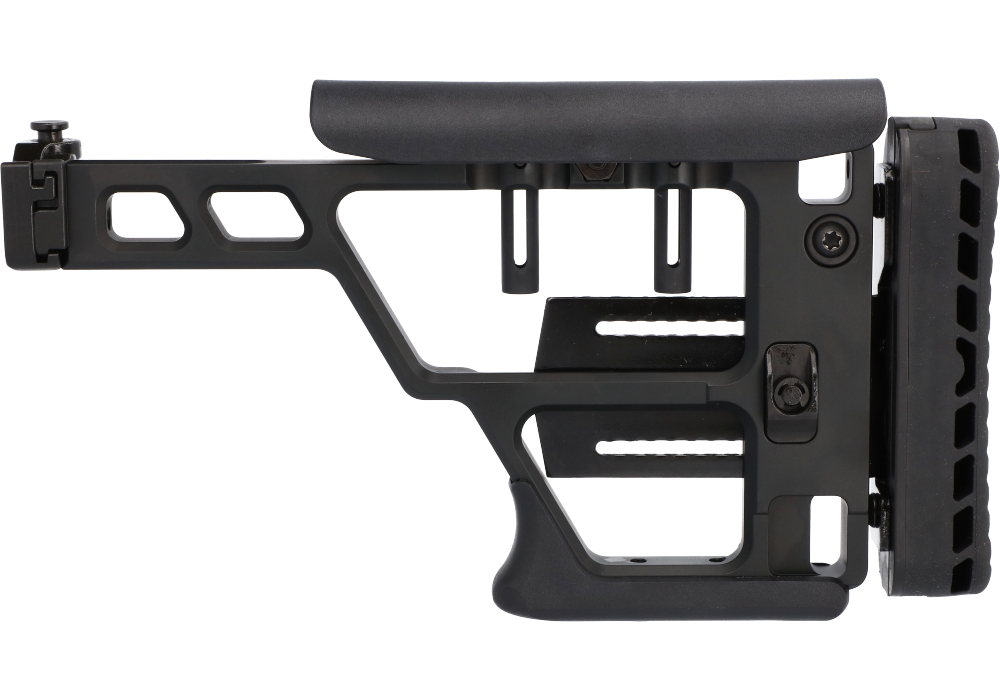
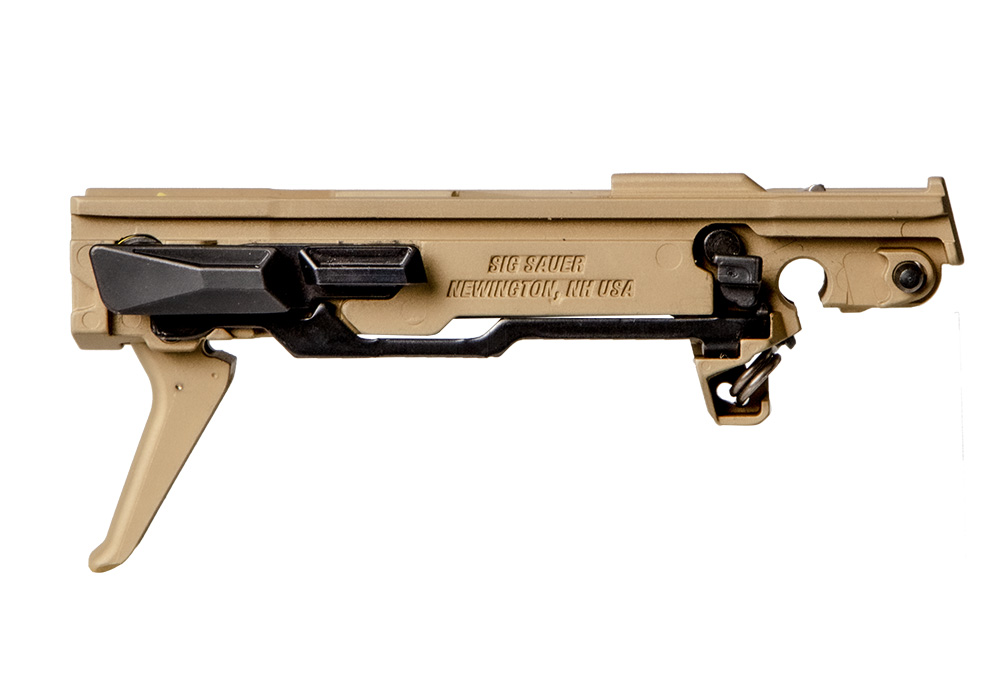
Aftermarket stocks are replacement stocks designed to update the feel, fit, and performance of a compatible rifle or shotgun beyond what the original factory stock provides. In this context, “aftermarket stocks” refers to firearm components—not after-hours financial trading—and they are commonly selected to improve ergonomics, support a more consistent shooting position, or give a well-used firearm a fresh configuration. A stock is the primary point of contact between the shooter and the firearm, so small changes can make a noticeable difference over a long day at the range or during a demanding hunt. Adjustable length of pull can help accommodate different body sizes, layers of clothing, or shooting positions, while an adjustable cheek rest can help align the eye naturally behind an optic. A more pronounced grip may offer steadier control, and a wider or more contoured fore-end can provide a comfortable platform when shooting from a rest or supported position. Materials and construction also matter. Traditional wood stocks bring warmth, character, and a familiar balance, while modern composite and reinforced designs are often chosen for their resistance to moisture, temperature changes, and the wear that comes with regular field use. Some precision-oriented stocks incorporate rigid structures, bedding systems, or an open channel around the barrel to help reduce unwanted contact between the barrel and stock. These features are intended to promote consistency, but they do not replace proper ammunition selection, a sound optic setup, careful maintenance, or good shooting fundamentals. Every firearm and stock combination is different, and compatibility should be confirmed before purchase, including the action pattern, barrel contour, trigger configuration, bottom metal, magazine arrangement, and any required hardware. For shoppers comparing options, the best choice usually starts with how the firearm is used rather than with appearance alone. A lightweight hunting setup may benefit from a trim stock that carries easily through thick cover, while a range or precision setup may favor a more adjustable design with a stable fore-end and additional support for a bipod or shooting rest. Browse Precision Stocks for configurations intended to support a more deliberate, repeatable shooting position.
Fit is often the most personal part of choosing an aftermarket stock. A stock that feels comfortable in a store or in a photograph may handle differently once the shooter is wearing a jacket, using an optic, or settling behind the rifle for several hours. Length of pull—the distance from the trigger to the center of the buttstock—can influence trigger reach, shoulder placement, and how naturally the firearm comes into position. If it is too long, the shooter may feel stretched or struggle to mount the firearm smoothly; if it is too short, the shooting hand and shoulder can feel crowded. A cheek riser can be especially useful when the height of an optic changes the natural line of sight, helping the shooter establish a repeatable cheek weld without lifting the head or straining the neck. Recoil pads, textured grip surfaces, and shaped butt sections can further improve comfort and control, particularly during extended practice sessions or with heavier-recoiling cartridges. Weight and balance deserve equal attention. A heavier stock may settle more steadily from a bench or supported position, while a lighter design can make a difference when walking long distances over uneven ground during the cooler months. The balance point also affects how quickly a firearm comes to the shoulder and how easily it can be held on target. When evaluating a replacement stock, shoppers should review the manufacturer’s fit notes carefully and compare the stock’s dimensions with the exact firearm model, not simply the caliber. Inletting may be specific to an action, safety, bolt handle, recoil lug, or floorplate, and some installations may require fitting by a qualified gunsmith. Before any work begins, the firearm should be unloaded, the chamber checked, and all applicable safety procedures followed. Local laws and regulations may also affect which components can be purchased, installed, or used, so buyers should confirm requirements in their area. These considerations make aftermarket stocks a practical choice for experienced shooters refining a familiar setup, hunters replacing a worn or weather-damaged stock, and firearm owners looking for a more comfortable fit without replacing the entire firearm. They can also be a thoughtful gift for a knowledgeable shooter, provided the recipient’s exact firearm model and preferred shooting style are known. A stock is a highly individual component, and a gift conversation about fit, finish, intended use, and compatibility can be more valuable than choosing solely by appearance.
For many owners, replacing a stock is part of a broader process of making a trusted firearm feel more natural. The difference may show up in small moments: the rifle settles against the shoulder without adjustment, the cheek meets the rest at the same point each time, or a long practice session ends without the usual pressure along the neck and wrist. Those details can make training more comfortable and help the shooter concentrate on fundamentals such as breathing, trigger control, and follow-through. During early fall and the cooler months, a weather-resistant stock may be appealing to hunters and outdoor enthusiasts who expect damp mornings, changing temperatures, and rough contact with trucks, blinds, or wooded terrain. A durable finish and sealed materials can simplify care, although every firearm still benefits from inspection and maintenance after exposure to moisture, dust, or condensation. Shooters who spend most of their time at an indoor or outdoor range may place greater value on adjustability, a stable shooting interface, or a stock that works well with their preferred support equipment. Those who travel with a firearm should consider dimensions, weight, and how the stock fits within a case or transport system. Appearance is part of the decision as well; a replacement stock can refresh the look of a longstanding firearm while preserving the familiarity of its action and controls. Still, cosmetic appeal should be weighed alongside function, installation requirements, and long-term durability. It is wise to compare adjustment ranges, mounting points, sling attachment options, recoil management features, and the stock’s intended use before placing an order. After installation, a qualified professional can verify fit, action seating, fastener torque, safety function, and overall operation, followed by careful confirmation at the range using appropriate safety equipment and a controlled setup. With the right match, an aftermarket stock can help a shooter build a more comfortable, consistent connection with a familiar firearm, whether that firearm accompanies them outdoors, rests in a safe between seasons, or serves as a steady platform for ongoing practice.