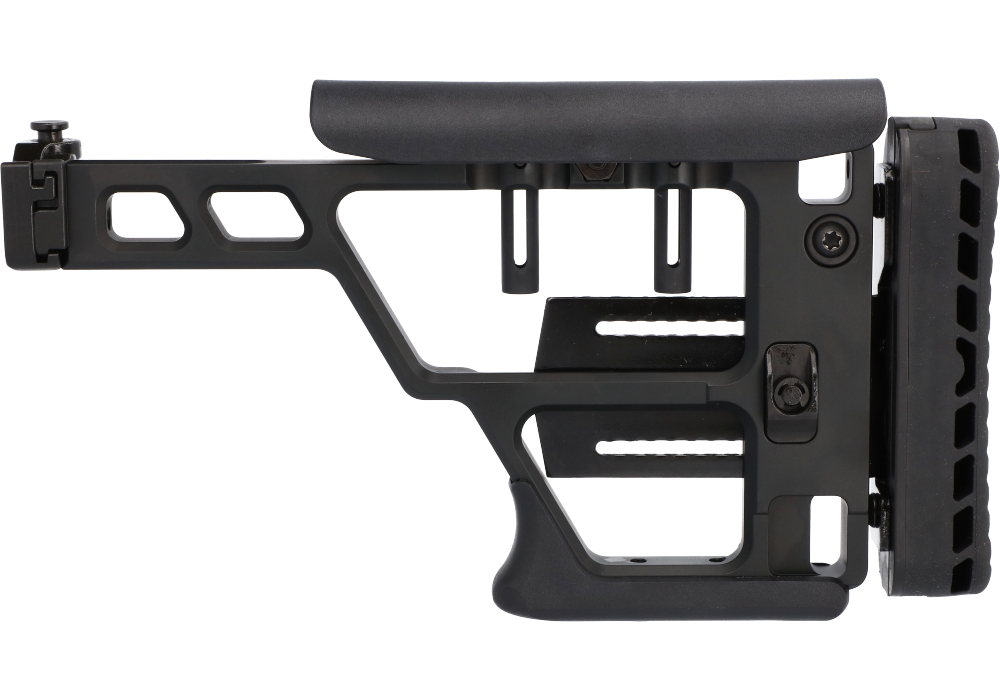
Custom stocks give rifle and shotgun owners a practical way to refine the feel, balance, and appearance of a familiar firearm. A well-chosen stock can help bring the comb to the right height, place the recoil pad more comfortably against the shoulder, and create a steadier cheek weld when the firearm is mounted. These details matter whether the rifle is carried through thick timber, rested on a bench, or brought up quickly in a blind during the cooler months. Because stock dimensions and inletting vary by firearm, start by confirming the action type, barrel contour, model compatibility, and any required hardware before making a selection. It is also useful to consider length of pull, grip shape, cast, drop, and the position of sling mounts. A stock that feels natural in a light shirt may fit differently over several layers, so think about the clothing and shooting position that will be part of its intended use. Browse Weapon Stocks to compare options designed to support different shooting styles, field conditions, and personal preferences. For many owners, replacing a factory stock is less about changing the character of a firearm and more about making it feel like a better extension of the body. The right dimensions can reduce awkward pressure points, encourage a repeatable mount, and make long days afield or at the range more comfortable. A custom stock may also be a thoughtful gift for a hunter, competitive shooter, or firearm enthusiast who has already developed strong preferences about fit. Since stock selection is highly personal, a gift recipient may appreciate an adjustable design, a gift card, or the opportunity to choose the final dimensions themselves. When giving any firearm accessory, confirm compatibility and the recipient’s preferences before ordering, especially when the firearm may have been modified with a different trigger, bottom metal, recoil pad, or optic setup.
Material selection plays a major role in how a custom stock performs and how it looks over time. Laminated hardwood stocks are made by bonding layers of wood under pressure, creating a stable structure with distinctive striping and a durable feel. They are often valued by hunters and recreational shooters who want the warmth of wood with added resistance to seasonal movement and changing conditions. Traditional walnut remains appealing for those who enjoy natural grain, classic lines, and the character that makes each piece visually distinct. Exhibition-grade walnut and hand-finished details can give a custom rifle or shotgun a refined appearance, while checkering can provide a more secure grip when hands are cold or damp. Composite stocks made from fiberglass, carbon fiber, or related materials are popular when reduced weight, rigidity, and weather resistance are priorities. A lighter stock can be especially helpful on a rifle that will be carried over uneven ground, while a rigid design can support consistent contact between the action and stock during precision shooting. Carbon fiber and fiberglass options may suit backcountry hunting, rugged travel, and long-range applications where every ounce and every point of contact deserve consideration. Modular and hybrid stocks combine elements such as adjustable cheek pieces, length-of-pull spacers, recoil systems, traditional wood accents, or chassis-style structures. These designs can be useful for shooters who move between positions or want a more adaptable fit without committing to one fixed configuration. Finish and maintenance deserve attention as well. Wood may benefit from careful protection against excess moisture, while composite materials are often selected for simpler field care. No material eliminates the need for inspection, and any stock should be checked for cracks, loose hardware, interference with the action, or changes in fit before use.
The best custom stock is the one that matches the firearm, the shooter, and the conditions in which it will be used. A hunter who spends the day walking ridgelines may prioritize a trim, weather-resistant stock with a secure grip and comfortable sling position. A precision shooter may look for an adjustable cheek rest, a stable fore-end, and a shape that works naturally with bags or a bipod. A shotgun owner may focus on comb height, cast, drop, and a smooth mount that places the eye in line with the rib. For a family firearm shared by more than one shooter, adjustability can make it easier to accommodate different builds, though each user should still confirm that the firearm mounts consistently and that controls remain easy to operate. Small fit changes can be surprisingly noticeable: a recoil pad that sits squarely on the shoulder, a grip that keeps the wrist relaxed, or a comb that supports the cheek without forcing the head down can all improve comfort during a long session. Installation may be straightforward for a compatible replacement, but some stocks require fitting, bedding, hardware changes, or professional attention. If the action does not seat correctly, the safety or trigger does not function as intended, or the barrel contacts the stock where it should not, stop and consult a qualified gunsmith. Follow all applicable laws, the firearm manufacturer’s instructions, and safe-handling practices, and verify that the firearm is unloaded before beginning any inspection or installation. Whether selected for a hard-used hunting rifle, a refined shotgun, or a precision-focused setup, a custom stock can provide a durable blend of fit, function, and personal style that remains useful through changing seasons.