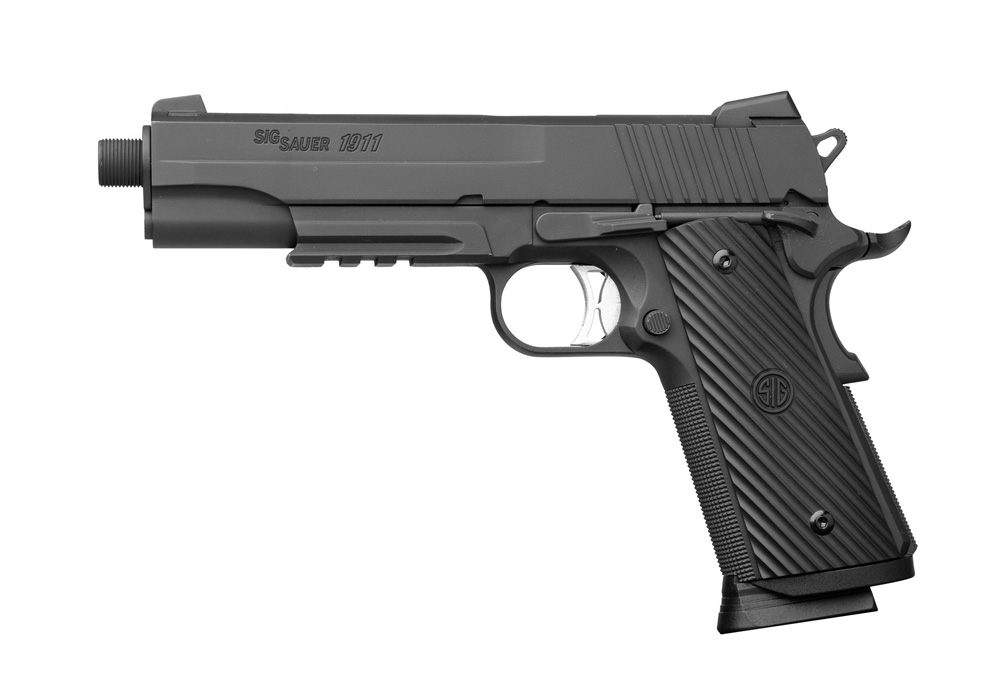
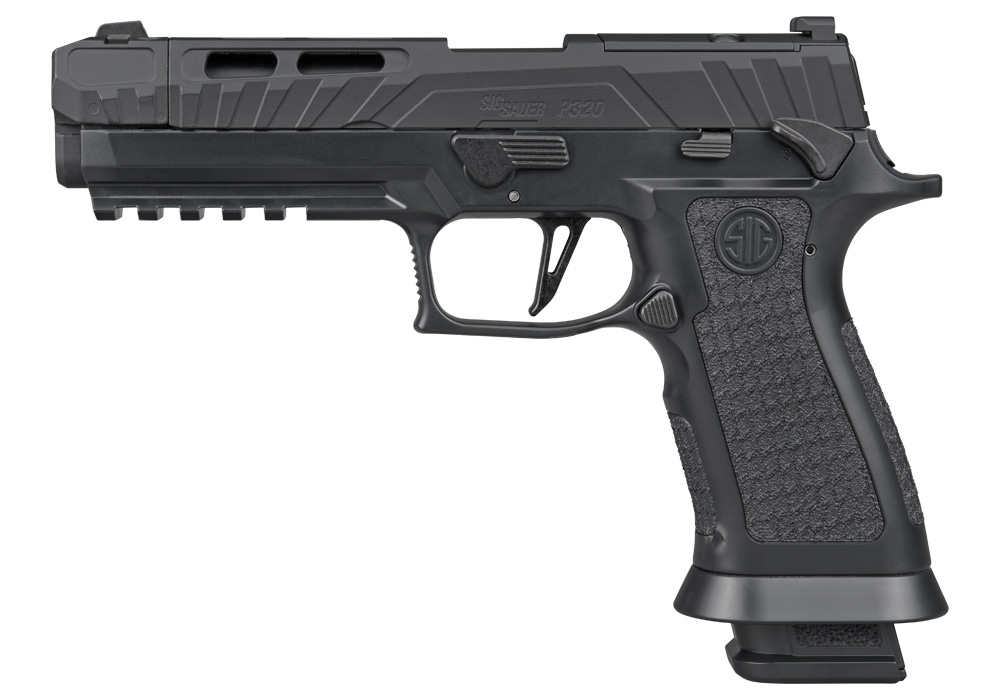
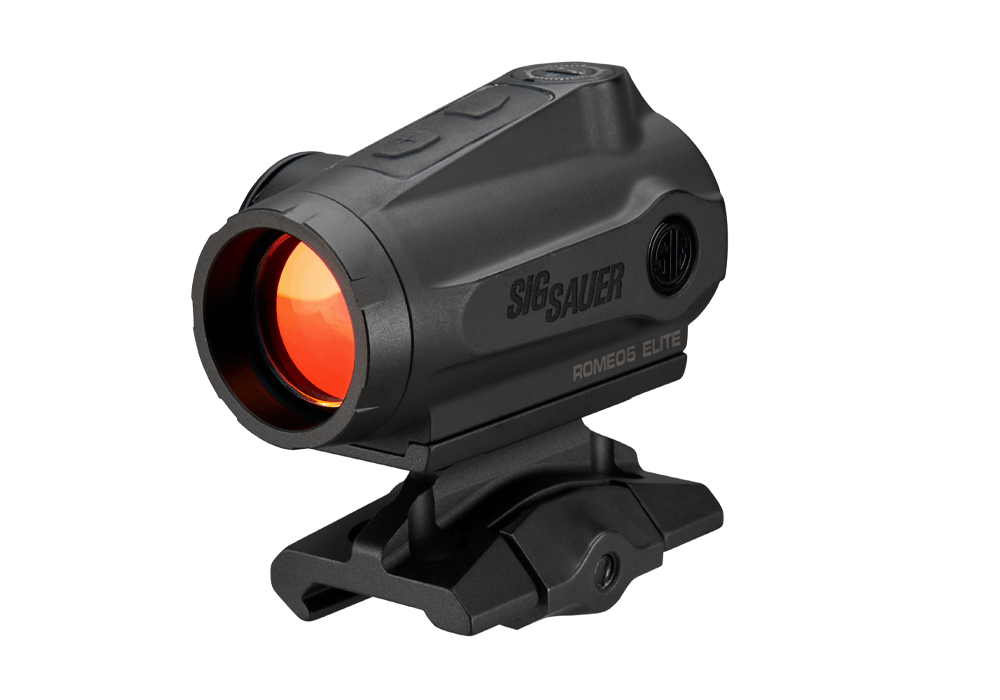
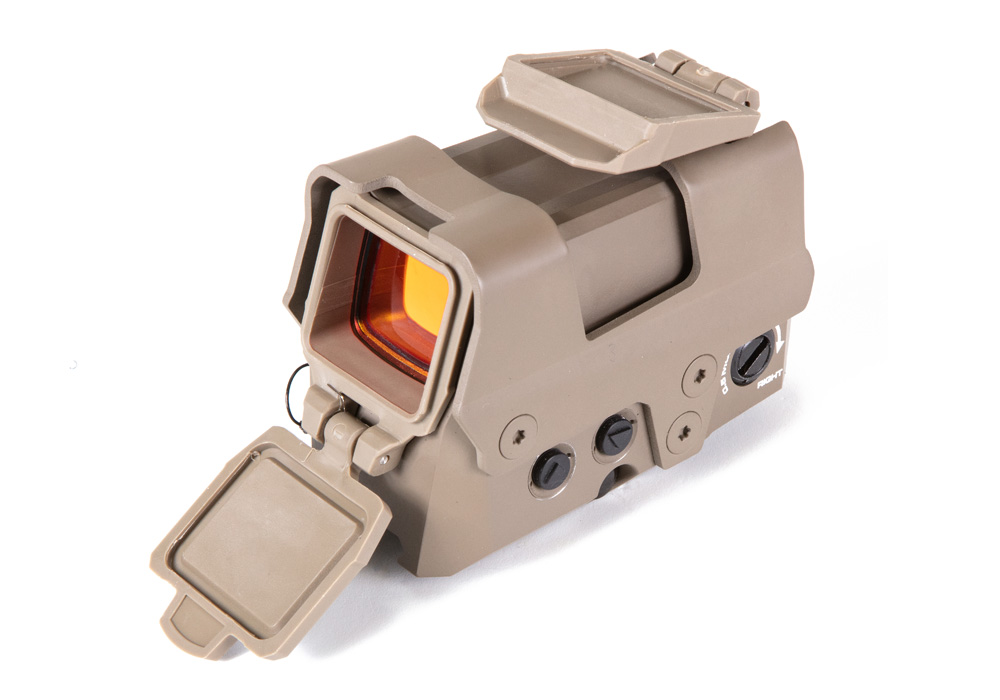
Air pistols designed for red dot sight use offer a practical combination of familiar handgun handling, economical practice, and fast visual aiming. An optic-ready air pistol may include a factory-cut slide, an integrated mounting interface, or a rail that accepts a compatible adapter, allowing the shooter to place a compact red dot above the bore. Instead of aligning a front sight and rear sight, the user looks through the optic and centers the illuminated point on the intended target. This can be especially helpful for new shooters learning the fundamentals of sight alignment, as well as experienced handgun owners who want a convenient way to reinforce presentation, trigger control, and follow-through. CO2 and pre-charged pneumatic air pistols generally produce a smooth operating cycle with less movement than many spring-piston designs, making them well suited to lightweight micro red dots. Even so, every optic and mounting system should be selected for the specific air pistol, and the sight should be securely fastened according to the manufacturer’s instructions. A stable mount helps preserve zero, while a low-profile optic keeps the pistol balanced and reduces the chance of snagging during presentation. For a broad selection of compatible options, explore High Performance Red Dot Sights for Airguns.
When comparing air pistols for red dot sight use, begin by confirming how the optic attaches. A direct optic cut provides a clean, compact setup, but the slide pattern or mounting plate must match the sight’s footprint. Air pistols with a top or under-barrel rail may require a lightweight saddle or rail adapter, and the adapter should be designed to maintain a secure, repeatable connection. The optic’s dimensions and weight also matter. A small open-emitter reflex sight typically complements an air pistol better than a large tube-style optic, preserving the natural feel of the grip and keeping the sight picture open. Reticle size is another useful consideration: a finer 2–3 MOA dot can support careful target work at a measured pace, while a larger dot or multiple-reticle system may be easier to pick up quickly during informal practice. Brightness controls are valuable when moving between indoor and outdoor settings, and a clear, parallax-conscious sight picture can make target alignment more intuitive. Battery access, automatic illumination features, lens protection, and the availability of adjustment tools may also influence the best choice. Shooters should remember that a red dot does not eliminate the need for proper technique. Grip pressure, a smooth trigger press, consistent eye position, and a safe backstop remain important, whether practice takes place in a basement range, a garage setup, or an approved outdoor area. Eye protection should be worn every time, and air pistols should be handled as seriously as any other projectile-firing equipment.
These products can serve a wide range of users. A recreational shooter may appreciate the immediate feedback of placing a bright aiming point on paper targets, reactive targets approved for airgun use, or other suitable practice media. A handgun owner can use an air pistol with a red dot to work on presentation from a safe ready position without visiting a live-fire range for every practice session. New shooters may find the illuminated aiming point less intimidating than traditional sight alignment, while instructors and families can use appropriately supervised airgun practice to introduce safe handling, muzzle awareness, and deliberate trigger control. An air pistol can also be a thoughtful gift for an adult who enjoys target sports, backyard practice, collecting training equipment, or refining a red dot technique in a controlled setting. Gifts should be selected with the recipient’s experience, local regulations, and access to a suitable practice area in mind; they should never be given to anyone who cannot safely store and handle the equipment. During the warmer seasons and cooler months alike, air pistols offer a flexible way to keep practice consistent, but weather and lighting can affect CO2 performance, visibility, and the appearance of the dot. Secure storage, unloaded transport, safe direction, and a clearly defined backstop help make every session more responsible. Choosing an optic-ready configuration with a dependable mounting system, a comfortable grip, and controls that feel natural in the hand creates a setup that is easier to use regularly and more rewarding over time.