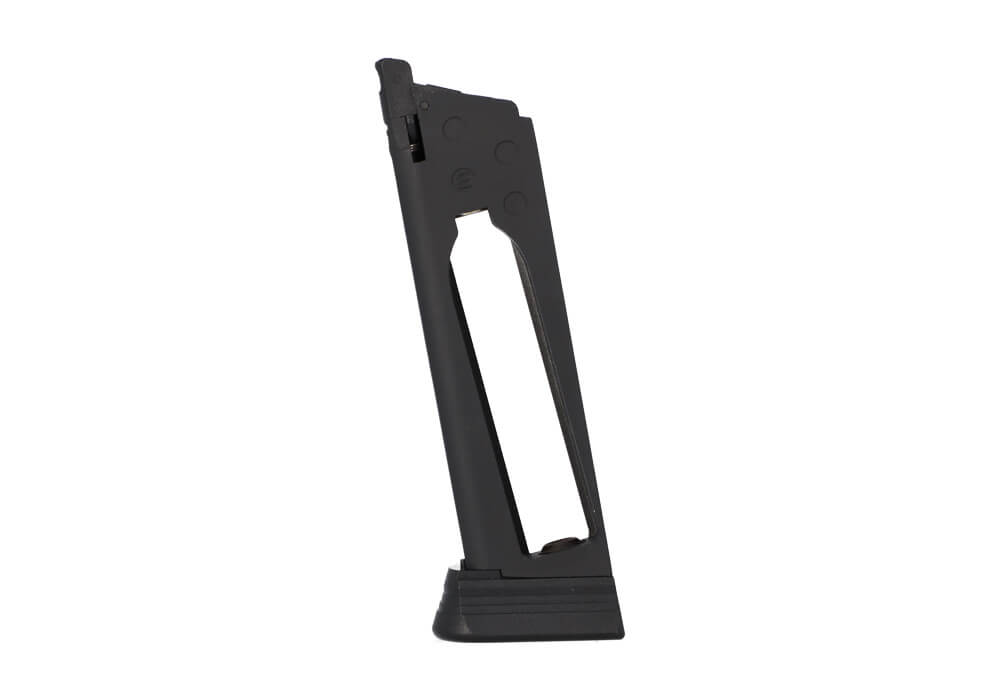
For new airgun owners, an airgun magazine is the removable loading component that holds pellets or BBs and positions each projectile for the next shot. Choosing the right magazine begins with identifying the exact airgun model, caliber, and action type, since magazines are generally designed for a specific platform rather than being universally interchangeable. Pellet airguns commonly use rotary magazines, in which individual chambers hold pellets in a circular arrangement before the magazine advances to the next shot. Other airguns may use a linear, belt-style, or detachable magazine system, while BB-firing models often use a different internal design suited to spherical ammunition. The shape of the projectile matters as well: a pellet magazine must accommodate the head and skirt of the pellet without crushing or distorting it, while a BB magazine is built around the consistent diameter of round steel projectiles. Before purchasing, compare the magazine specifications with the owner’s manual and confirm the listed caliber, fit, orientation, and compatibility. A correct match helps the magazine seat properly, supports reliable feeding, and reduces the chance of damaging delicate pellet skirts during loading. New owners may also want to consider whether a standard or extended capacity magazine best fits their routine. A standard magazine can be convenient for careful bench shooting, sight-in sessions, and learning the loading process, while an extended capacity option may reduce interruptions during informal target practice. Capacity should be balanced with size, weight, ease of handling, and the way the airgun is used; a compact magazine can be easier to carry in a range bag, while a spare magazine keeps a session moving when one is being loaded at the shooting table.
A spare airgun magazine is often one of the most practical additions for someone learning the hobby. At a backyard target setup, for example, a new owner may spend more time preparing paper targets, checking the backstop, and adjusting an optic than expected. Having a second magazine ready can make the transition between groups of shots smoother without encouraging rushed handling. Many shooters keep one magazine loaded at the bench and another in a small case or pouch, allowing them to rotate magazines while keeping pellets protected from dirt, moisture, and accidental dents. This can be especially useful during the cooler months, when gloves, shorter daylight, or a chilly shooting table can make small components harder to manage. Magazine construction and loading method are also worth considering. Some rotary designs require the magazine to be indexed or tensioned before use, while others load with a straightforward insertion process. The first pellet should be placed according to the manufacturer’s instructions, with attention to the skirt and head so the projectile sits fully within its chamber. Avoid forcing a pellet into a chamber that feels obstructed, and inspect the magazine if feeding becomes difficult. Pellets that are bent, oversized, or poorly seated can affect accuracy and may cause a stoppage. BB magazines should be filled only with the ammunition recommended for the airgun, and owners should never mix projectile types or rely on appearance alone to determine compatibility. Keeping magazines clean and dry, storing them away from loose debris, and handling them carefully can extend service life. For additional options organized around steady, deliberate shot placement, browse Airgun Magazines For Precision Shooting.
Airgun magazines can also make a thoughtful gift for a new owner, particularly when the recipient already has an air rifle or pistol and is beginning to build a simple shooting setup. A spare magazine is useful without requiring the giver to choose an entirely new airgun, and it can be paired with pellets or BBs in the correct caliber, paper targets, a protective storage case, or basic eye protection. The most important detail for a gift is compatibility: the airgun’s full model designation and caliber should be confirmed before ordering, since similar-looking magazines may differ in dimensions, indexing, or feed design. For a first-time owner, a magazine can support several kinds of use, from informal plinking and backyard target practice to structured marksmanship sessions where each magazine is loaded with a consistent number of projectiles. Some owners appreciate the rhythm of filling a rotary magazine at the shooting bench, hearing each pellet settle into place, and then returning attention to sight picture, trigger control, and follow-through. Others prefer a faster loading process for casual sessions with friends or family. In either case, safe habits remain essential: treat every airgun as loaded until it has been checked, keep the muzzle pointed in a safe direction, keep fingers outside the trigger guard until ready to fire, use an appropriate backstop, and follow all local rules and the manufacturer’s instructions. Magazine compatibility, projectile type, loading procedure, and capacity are the central purchase considerations for anyone comparing airgun magazines for new airgun owners. A well-matched magazine helps a new shooter spend less time troubleshooting and more time becoming familiar with the airgun, building confidence through consistent, controlled practice as the weather warms and throughout the cooler months.