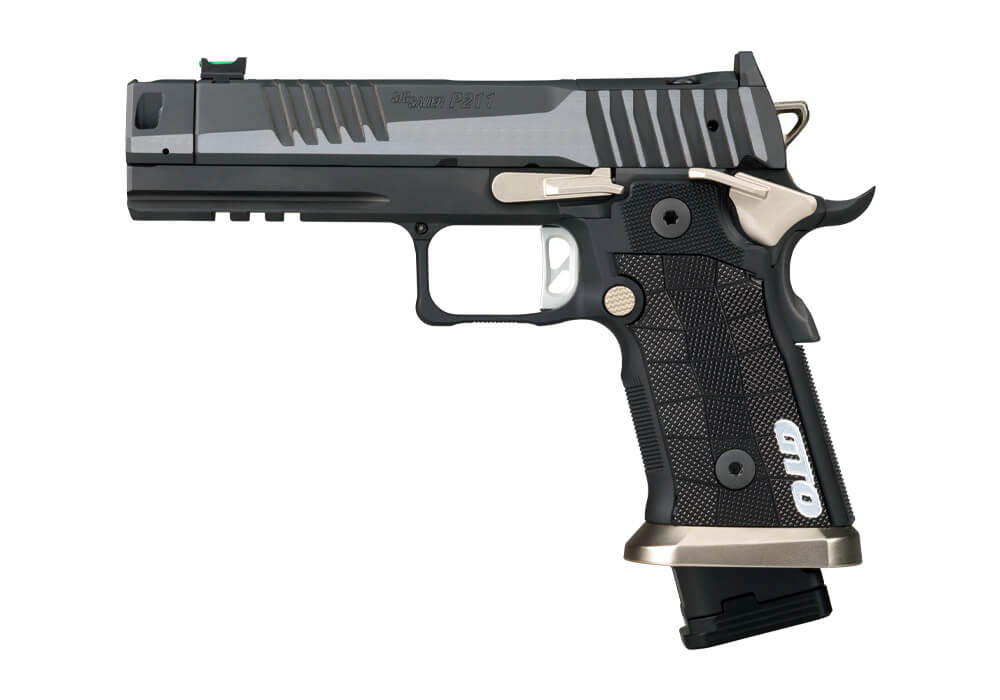
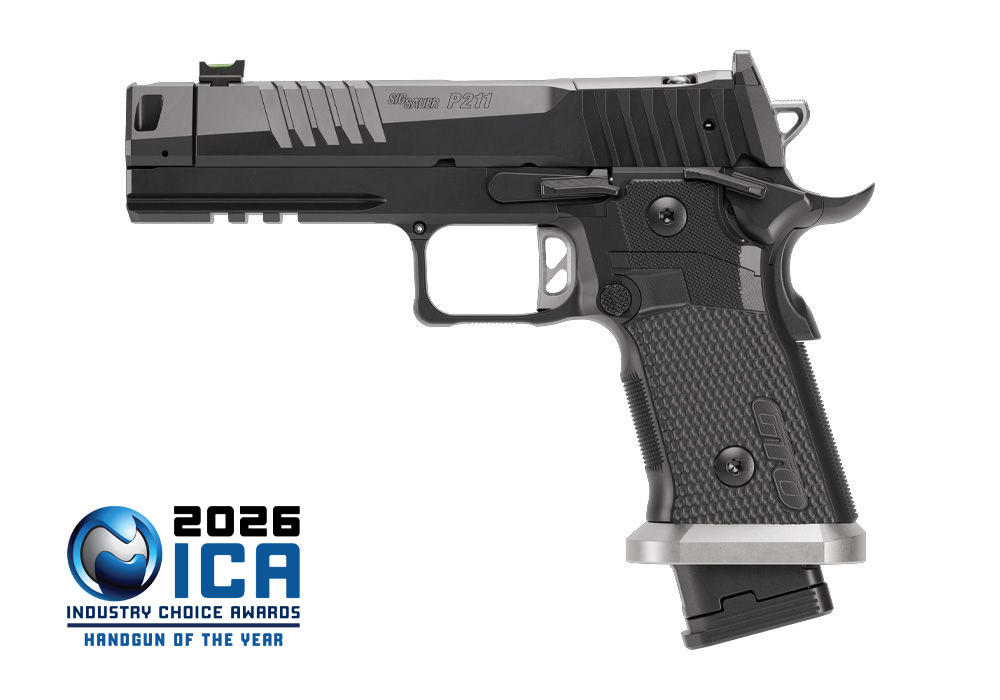
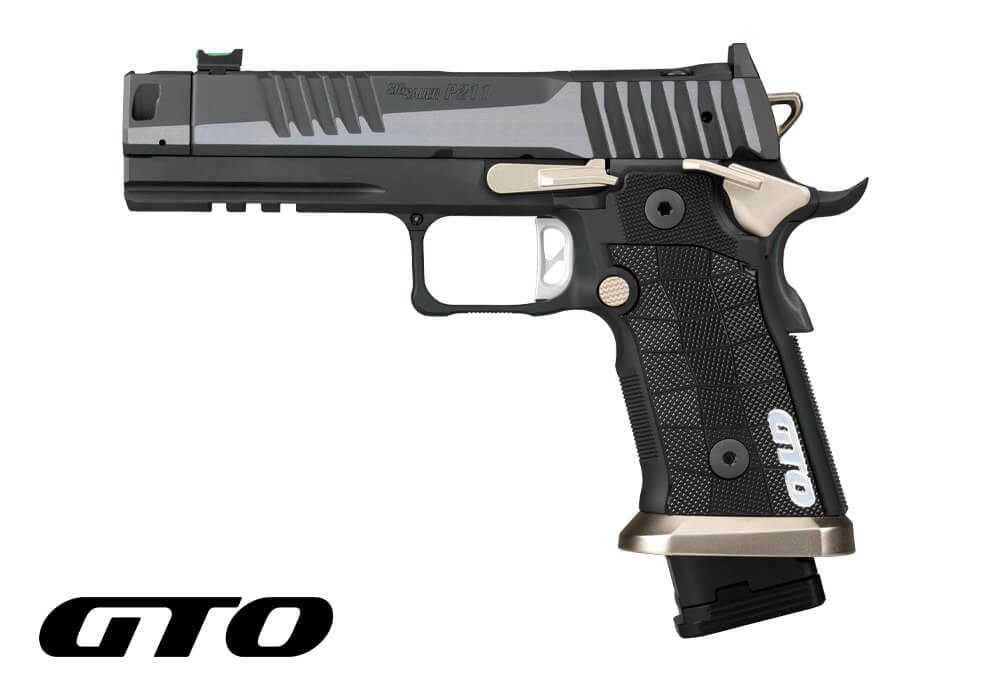
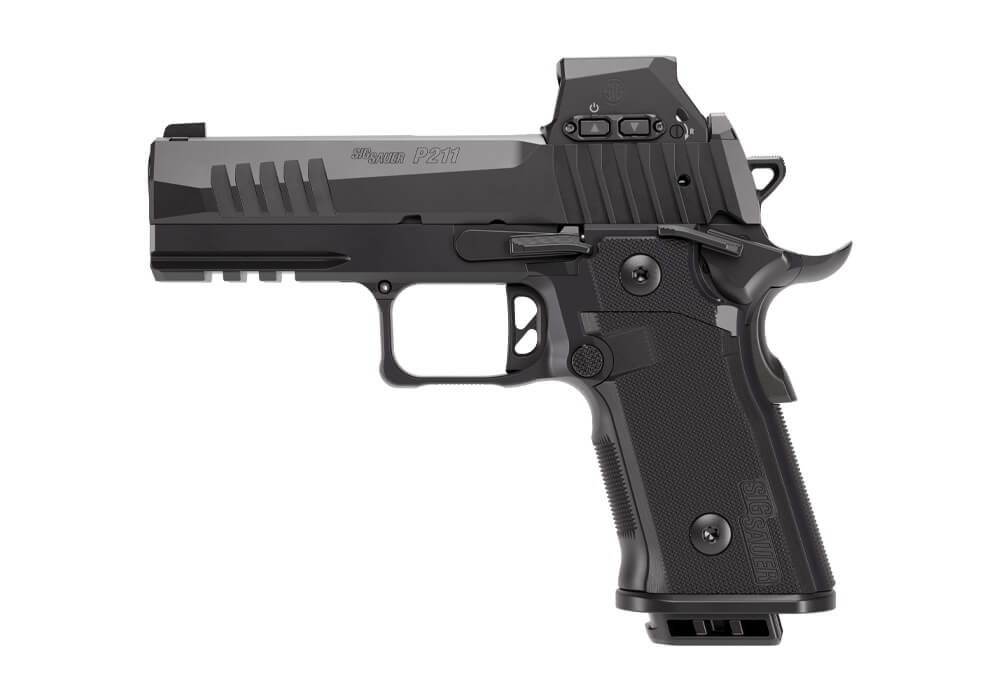
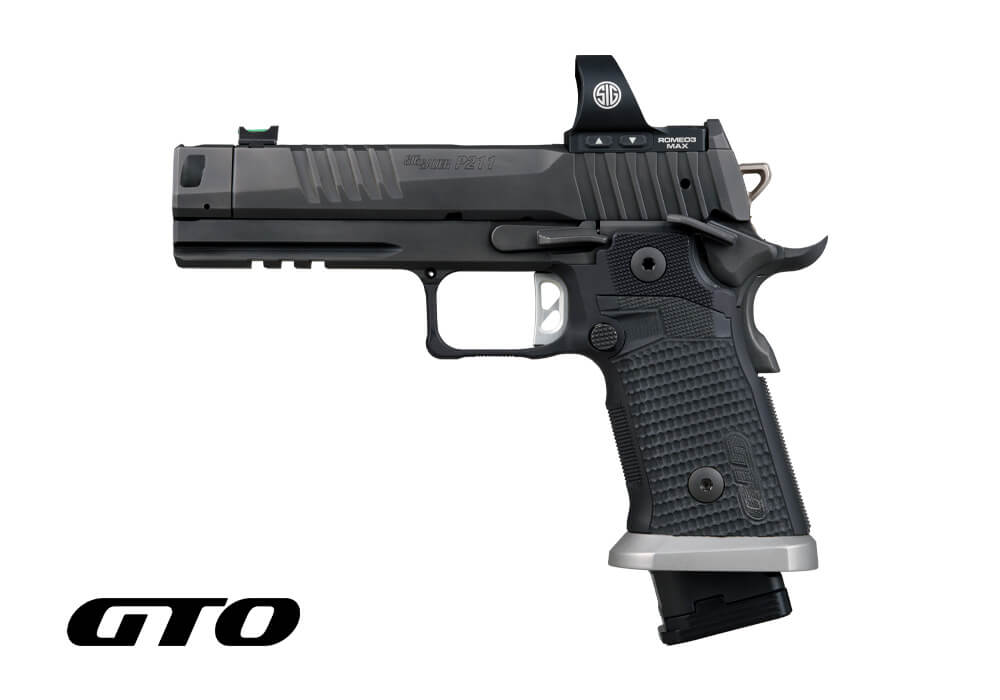
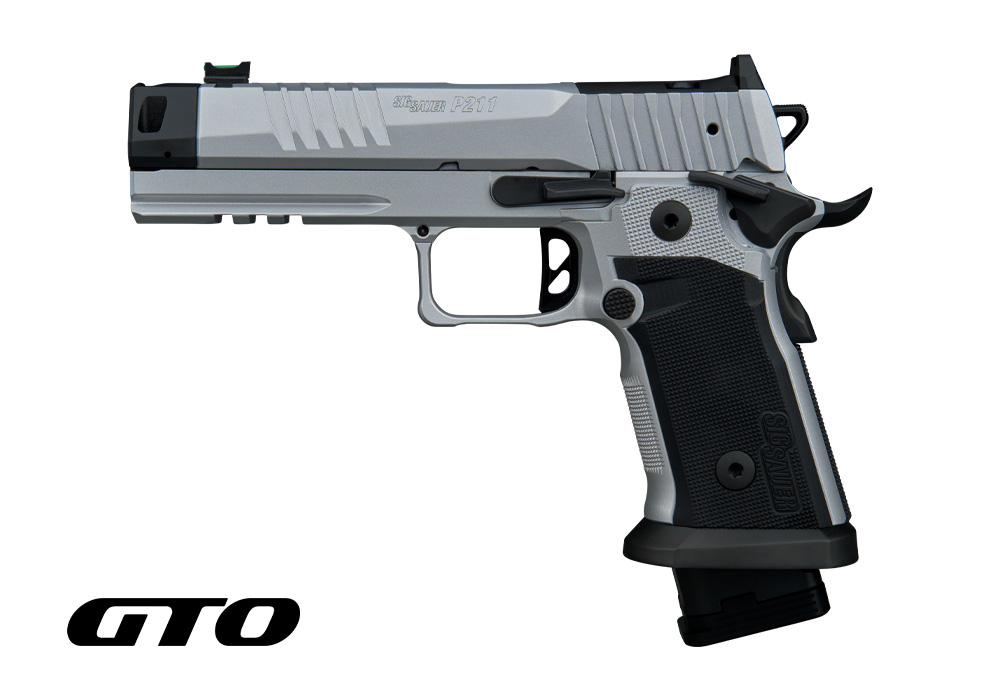
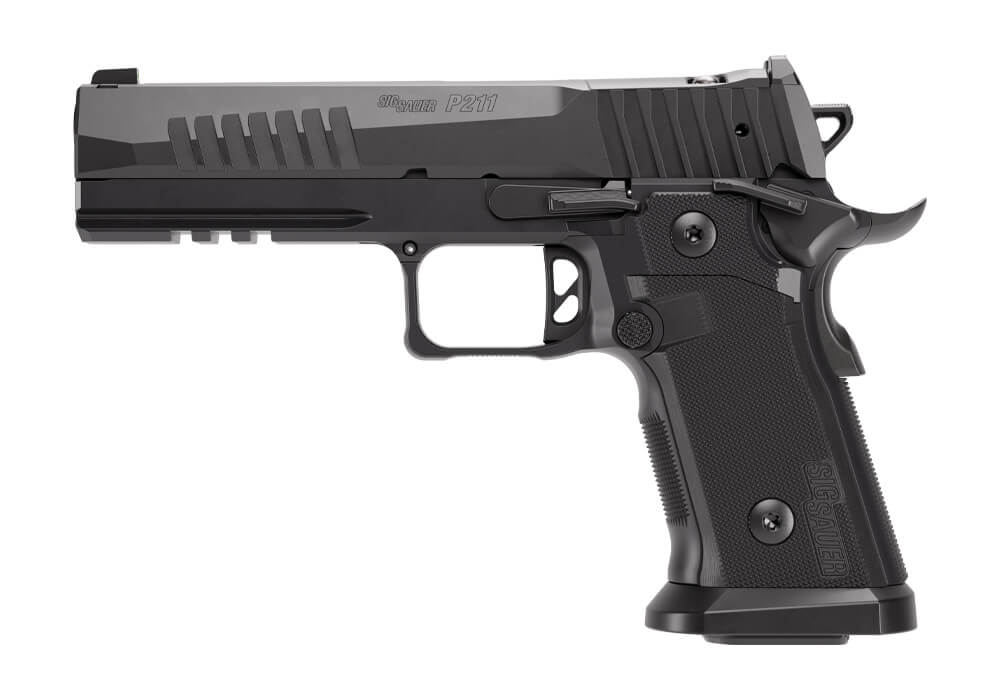
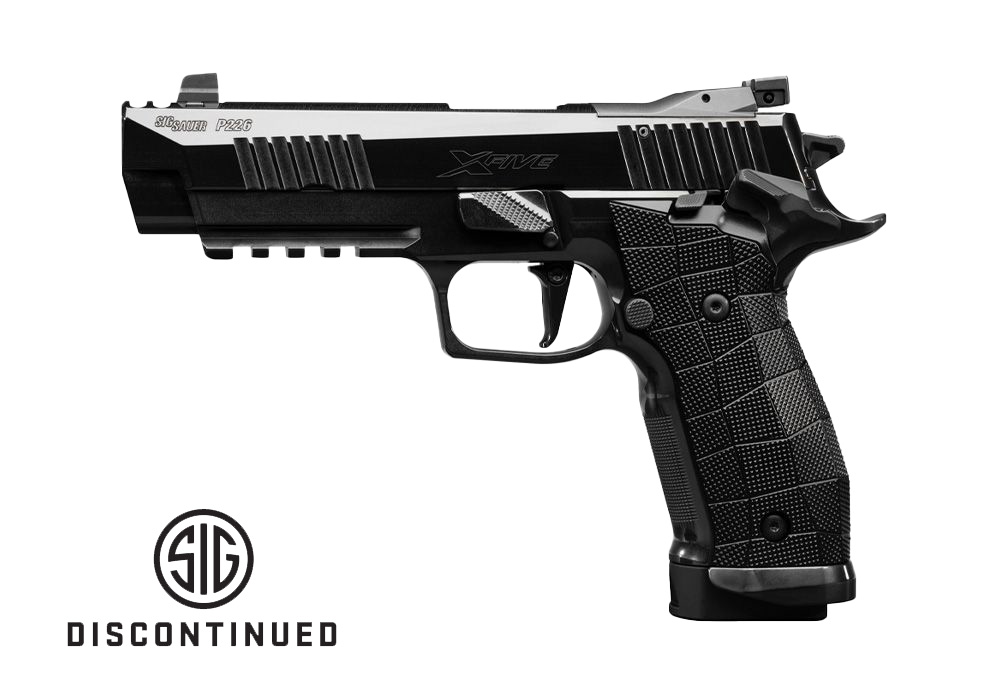
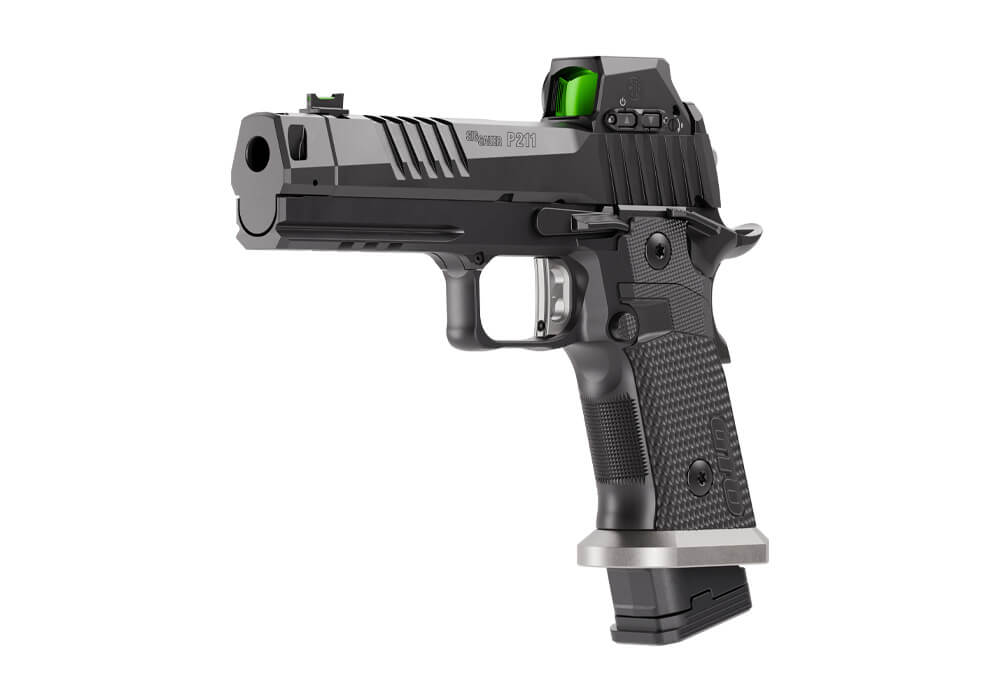
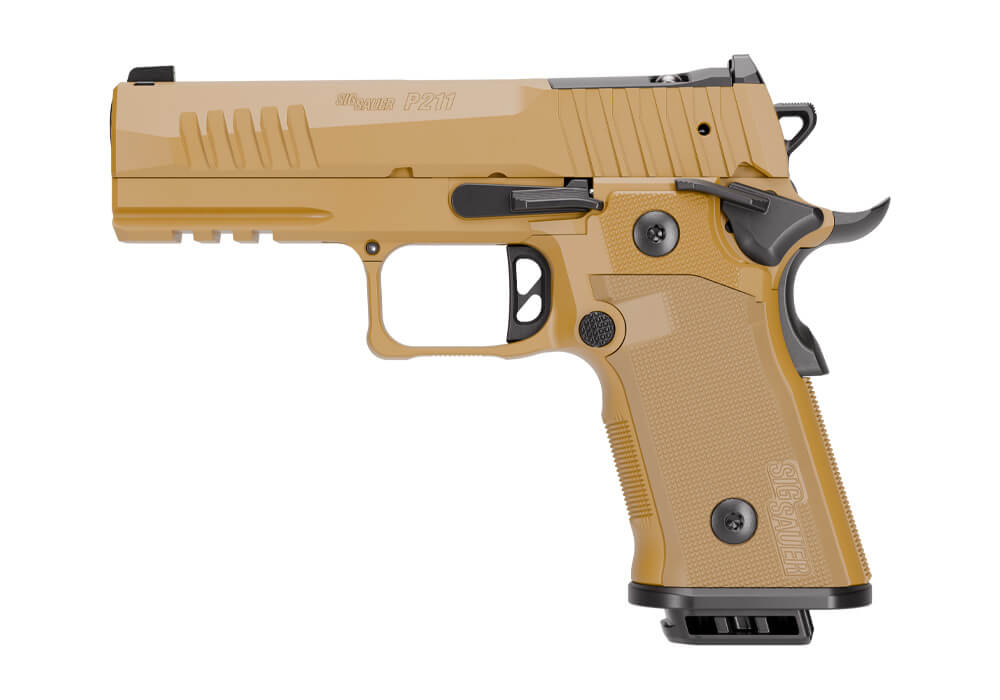
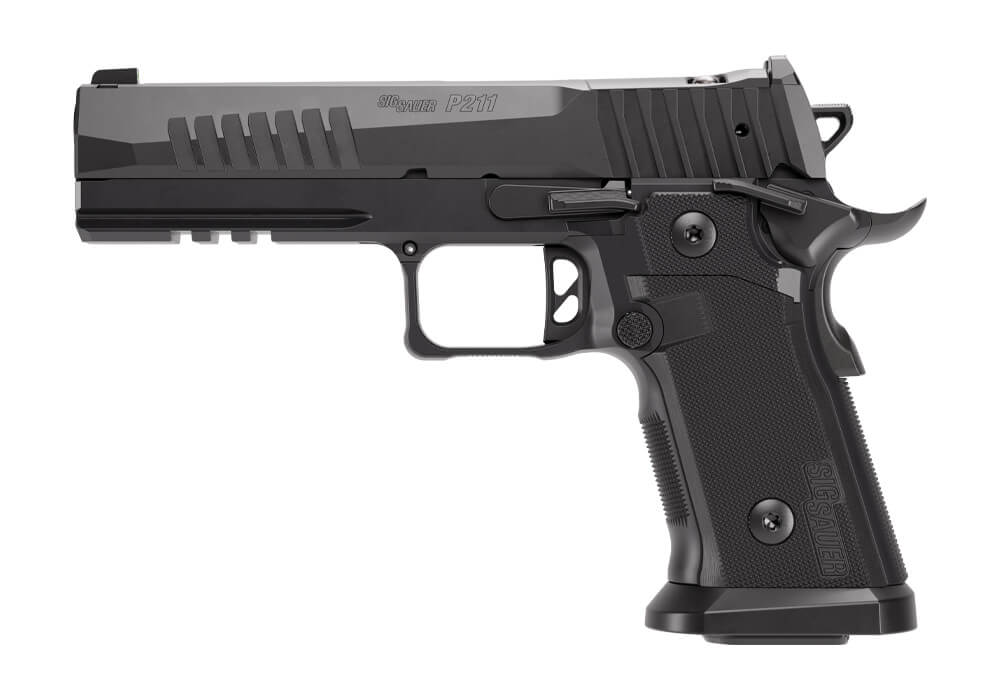
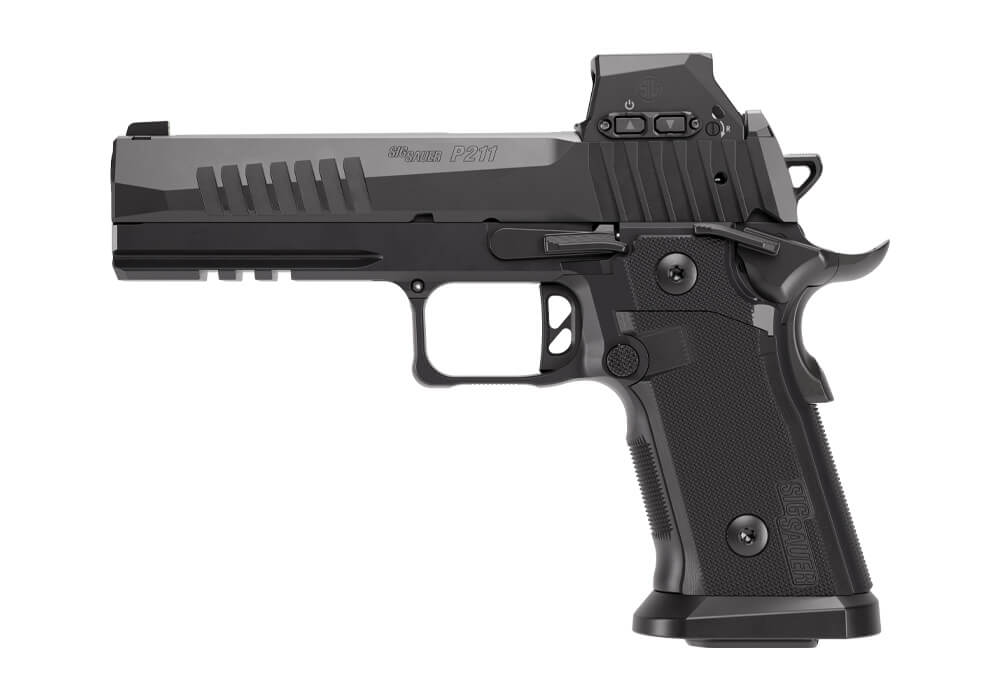
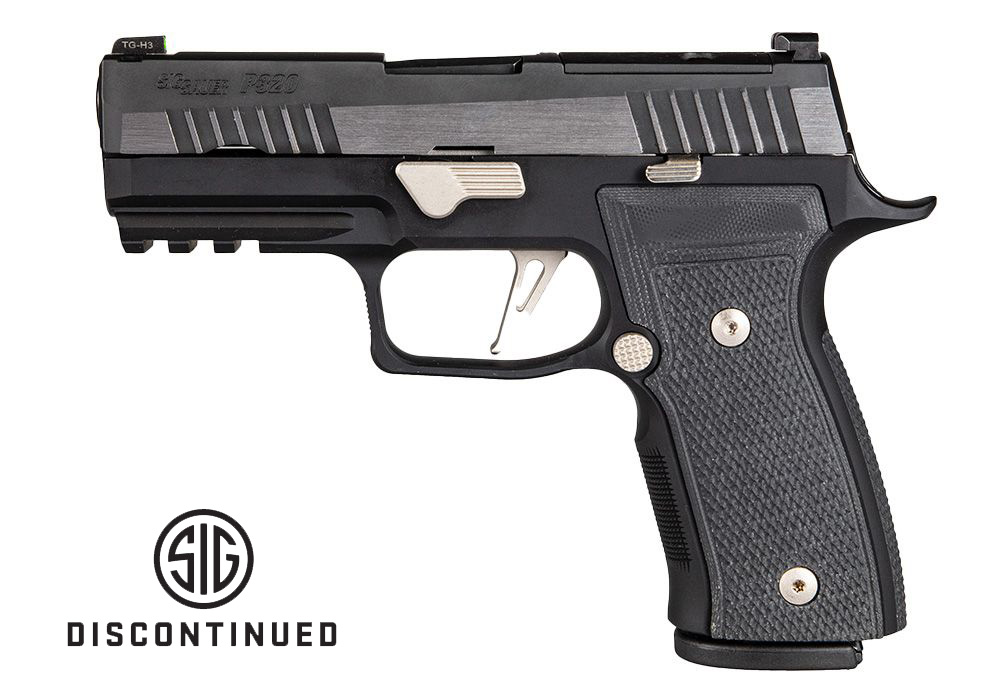
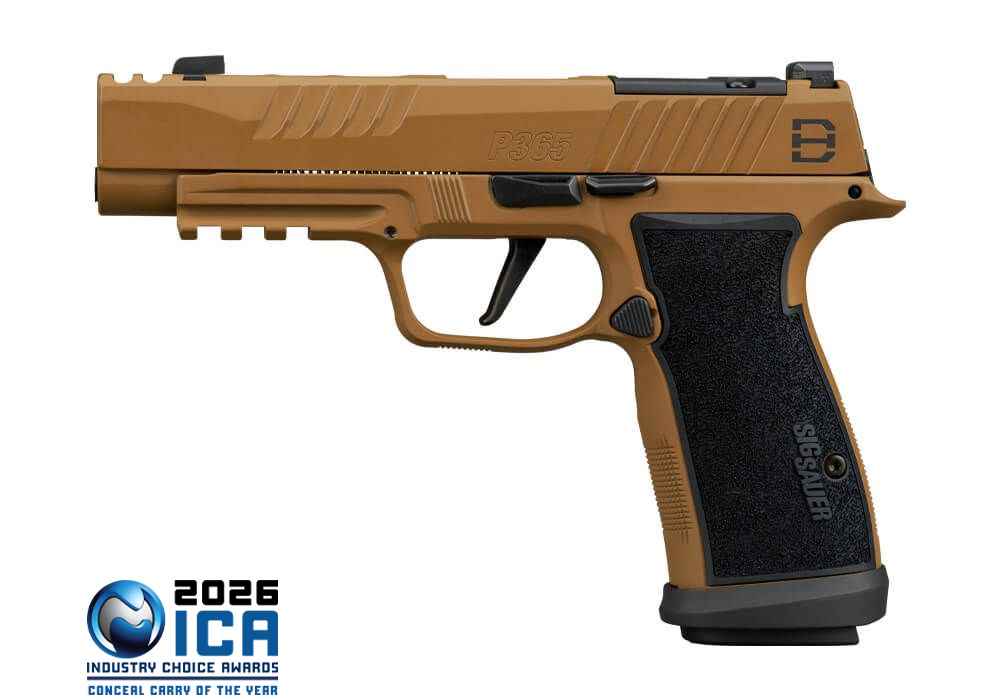
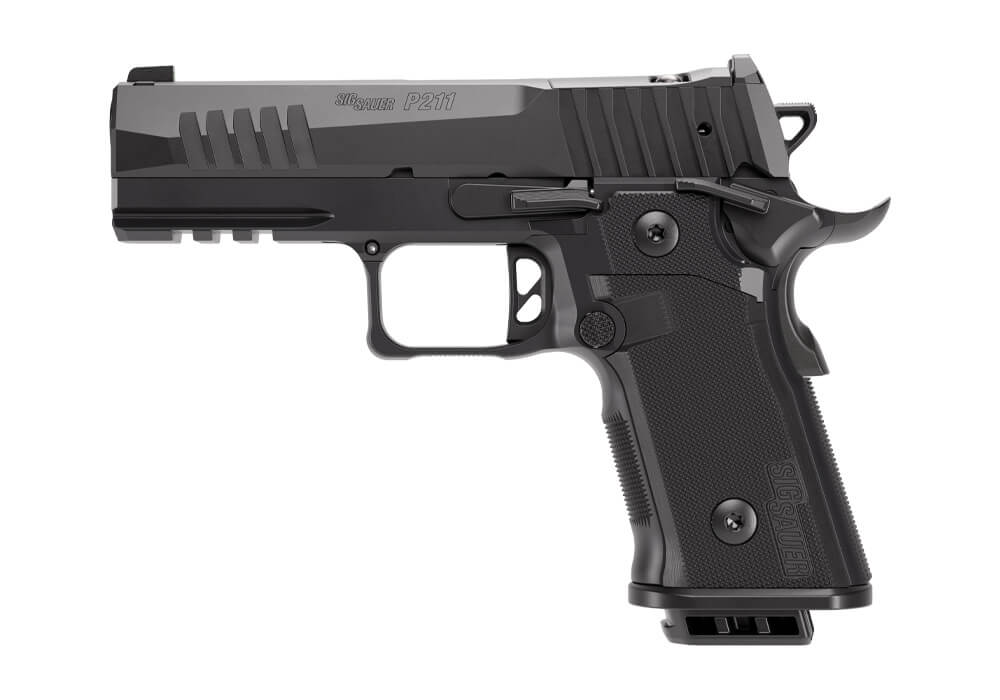
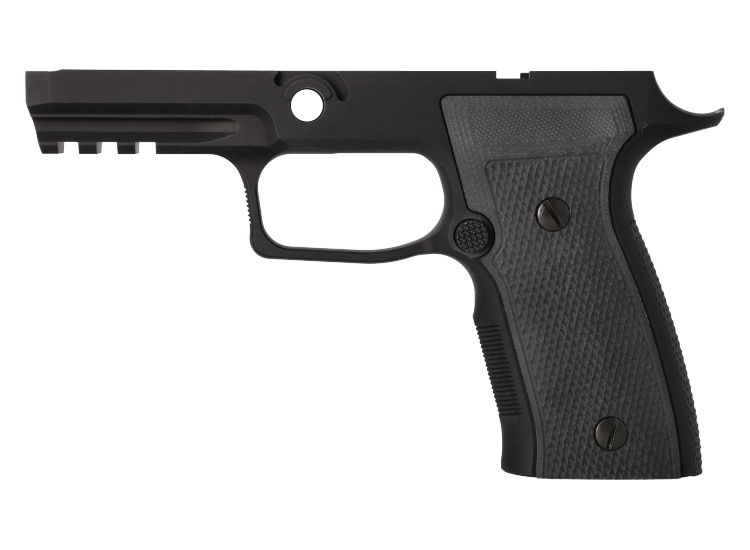
Alloy pistol grips offer a practical way to change the feel, balance, and appearance of a compatible handgun. Typically machined from aluminum or another durable metal alloy, these grip panels and grip assemblies provide a firm interface between the shooter’s hand and the frame. Compared with polymer or wood, metal can deliver a more rigid feel, crisp checkering, and a distinct visual character, while properly finished surfaces help resist everyday wear from holsters, handling, cleaning solutions, and range use. The right alloy pistol grips may also alter how a handgun settles in the hand. A slightly denser grip can move weight toward the shooter’s palm, helping some users keep the muzzle more stable during rapid strings, while a carefully shaped design can encourage a consistent thumb position and a comfortable, repeatable hold. The result is not the same for every firearm or every shooter, so fit, contour, texture, and intended use deserve careful attention. Grip panels should be selected for the exact make, model, and frame configuration of the handgun, since screw spacing, bushings, frame cuts, ambidextrous controls, magazine releases, and safety levers can vary even among closely related models. Before installation, verify compatibility with the firearm manufacturer’s specifications and make certain the handgun is unloaded, with the chamber and magazine well checked in accordance with safe handling practices. Installation should use the correct hardware and proper torque; overtightening can damage grip screws or bushings, while loose hardware can affect the feel and security of the grip during use.
Texture is one of the most noticeable features when comparing alloy pistol grips. Fine checkering or moderate stippling can provide traction without feeling harsh during a long practice session, while deeper machining may suit users who shoot in wet conditions, wear gloves, or prefer a more locked-in purchase. A smooth or lightly textured surface may be more comfortable for concealed carry, particularly when the grip rests against clothing or the body throughout the day. Edges and corners also matter. Rounded contours are less likely to catch on garments and may feel better during extended handling, whereas pronounced palm swells can fill the hand and help establish the same grip each time. Shooters with smaller hands may prefer a slimmer profile that allows easier access to the trigger and controls; those with larger hands may appreciate added surface area and a fuller palm shape. Alloy pistol grips can be a useful choice for range shooters who want a durable, refined upgrade, competitive shooters seeking a consistent hand position, and firearm owners who prefer the solid sensation of machined metal. They may also appeal to collectors or recipients of a firearm-related gift when the fit is confirmed in advance. For users focused on reducing overall weight rather than adding a denser grip, browse Lightweight Pistol Grips as another option. Weight and balance should be considered together: a lighter grip may make a handgun easier to carry, while a heavier alloy design can provide a steadier feel for some range applications. Neither approach is universally better, and the best selection depends on hand size, shooting habits, carry method, and the specific characteristics of the firearm.
Finish and maintenance contribute to the long-term experience with alloy pistol grips. Anodized or otherwise treated surfaces are available in a range of subdued and distinctive colors, allowing owners to coordinate a handgun’s appearance without sacrificing a functional, purposeful design. Even durable finishes can show contact marks over time, especially around grip screws, holster edges, and high-touch areas, so wiping the grips with a soft cloth after handling helps remove perspiration and residue. Use cleaning products approved for the grip material and avoid aggressive solvents or abrasive pads unless the manufacturer specifically permits them. During the cooler months, metal grips may feel noticeably cold when first handled, while gloves can change the way checkering and controls feel; practicing with the intended setup helps build familiarity before a training session or outdoor range trip. A grip that feels secure in a bare hand may feel different with insulated or shooting gloves, and clothing layers can influence how a handgun rides in a holster. For concealed-carry users, confirm that the finished grip does not interfere with holster retention, clothing clearance, magazine access, or safe operation of the handgun’s controls. For home storage, keep the firearm secured according to applicable laws and manufacturer recommendations, separate from unauthorized users, and inspect grip hardware periodically. Alloy pistol grips combine functional traction, durable construction, balance changes, and customizable style in one upgrade, making them a considered choice for owners who want a more personal connection to a familiar handgun while maintaining dependable handling and responsible firearm practices.