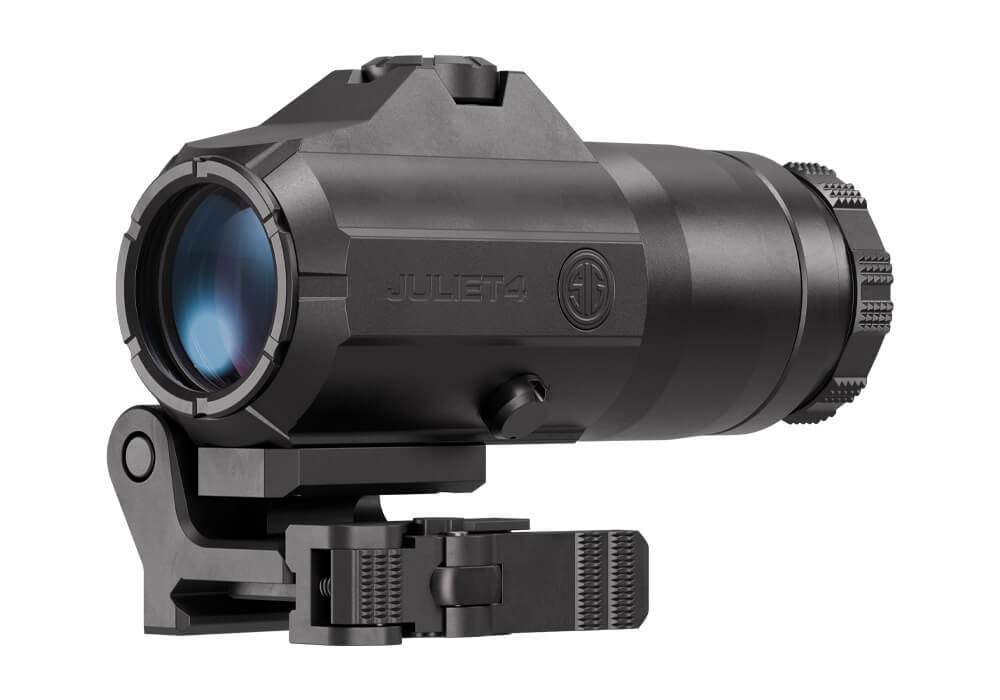
Aluminum housing magnifier optics extend the practical reach of a red dot or holographic sight while preserving the fast, open sight picture that makes non-magnified optics useful at closer distances. Positioned behind the primary optic, a magnifier enlarges the target image and the aiming point, helping the shooter identify details at intermediate ranges without replacing the familiar reticle system. When the situation shifts back to a shorter-distance view, a flip-to-side mount can move the magnifier out of the optical path, allowing a quick transition between magnified and unmagnified aiming. This combination suits range sessions, training, competition, property observation, and other applications where distances can change throughout the day. A rigid aluminum housing offers a practical balance of strength and weight, protecting the internal glass and adjustment components from the vibration of repeated firing, transport, and routine field use. Aircraft-grade aluminum and hard-anodized finishes are common choices because they provide a resilient exterior without adding the bulk associated with heavier construction materials. A well-designed body should feel secure in the hand, align consistently with the primary optic, and maintain a solid connection to its mount as equipment moves from a storage case to a bench, vehicle, or field position. For shoppers comparing options, the most useful starting points are magnification level, optical clarity, eye relief, field of view, mount style, and compatibility with the sight already installed on the firearm.
Magnification levels in the 3x to 6x range cover many common preferences, with lower magnification generally offering a wider field of view and an easier transition between nearby and intermediate targets. Higher magnification can reveal more detail at distance, though it may require closer attention to eye position and alignment. Eye relief describes how far the eye can sit behind the ocular lens while still receiving a complete image; generous eye relief can make the optic more forgiving during fast presentations or when wearing protective equipment. Field of view matters when tracking movement, scanning an area, or locating a target before bringing the reticle into precise alignment. Shoppers should also compare the magnifier’s optical centerline with the height of the red dot or holographic sight. Absolute co-witness and lower-third co-witness arrangements place the sighting systems at different relationships to the rifle, so a spacer or height-specific mount may be necessary for a clean view. Flip-to-side mounts are convenient when rapid transitions matter, while quick-release mounts can suit users who want to remove the magnifier for transport or configure the firearm for a different task. Before ordering, confirm the mounting footprint, rail space, optic height, and available clearance around the charging handle or other controls. A short setup check at home can prevent frustration at the range: secure the mount, verify that the magnifier sits directly behind the primary optic, confirm that the image is centered, and inspect the latch or release for smooth, positive operation. Additional options are available in our Compact Tactical Magnifier Optics selection for shoppers who prioritize a smaller footprint and streamlined setup.
Weather resistance is another important consideration for equipment used through changing conditions. Sealed construction, fog-resistant internal treatment, and nitrogen purging can help limit internal condensation when an optic moves between a warm vehicle and cool outdoor air, although no optical system should be treated as immune to moisture or temperature extremes. Look for clear manufacturer specifications regarding water resistance, shock testing, lens coatings, and operating temperature. Exterior lens covers can help protect the glass during storage and transport, while a soft lens cloth and a small air blower are useful for routine care. Avoid wiping grit across the lens surface, and keep the mounting hardware clean so the optic can return to a consistent position after maintenance. Aluminum housing magnifiers can be especially useful for shooters who value a durable setup without a heavy front-end feel. They also make a thoughtful gift for a range partner, experienced shooter, or outdoor enthusiast who already owns a compatible red dot or holographic sight; the most helpful gift choice is based on that person’s optic height, preferred magnification, and available rail space rather than appearance alone. During the cooler months, a magnifier can support longer observation sessions by revealing finer detail across open ground, wooded lanes, or a structured range while the primary sight remains ready for quick aiming. Selecting the right model means matching the optical and mounting specifications to the existing firearm, then choosing the housing, controls, and protective features that fit the user’s habits. With proper alignment, careful handling, and regular inspection, an aluminum housing magnifier can become a versatile part of a dependable sighting system.