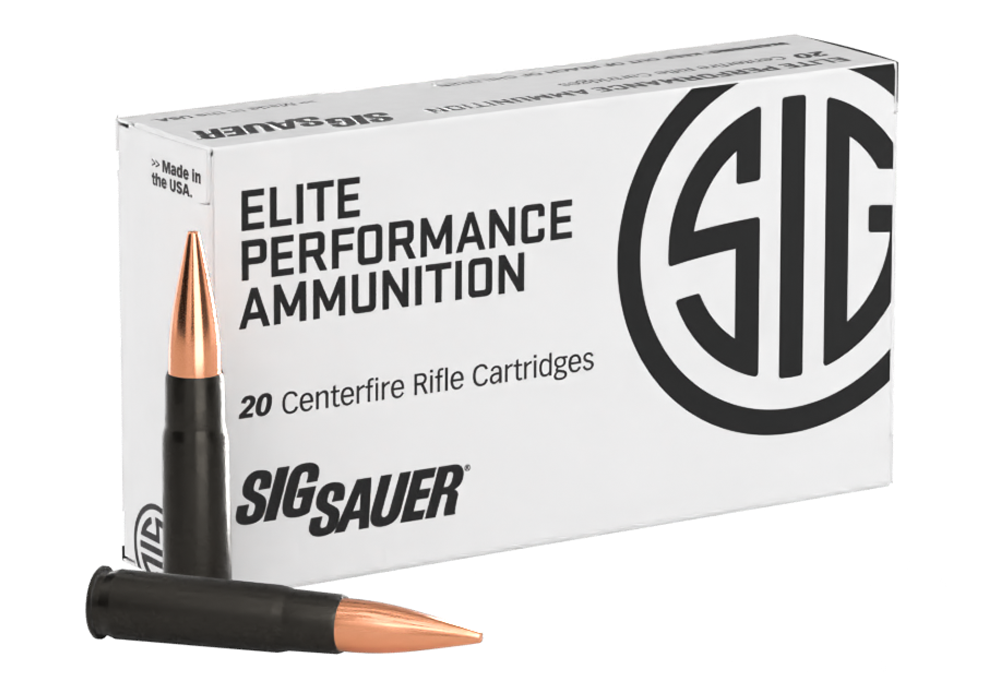
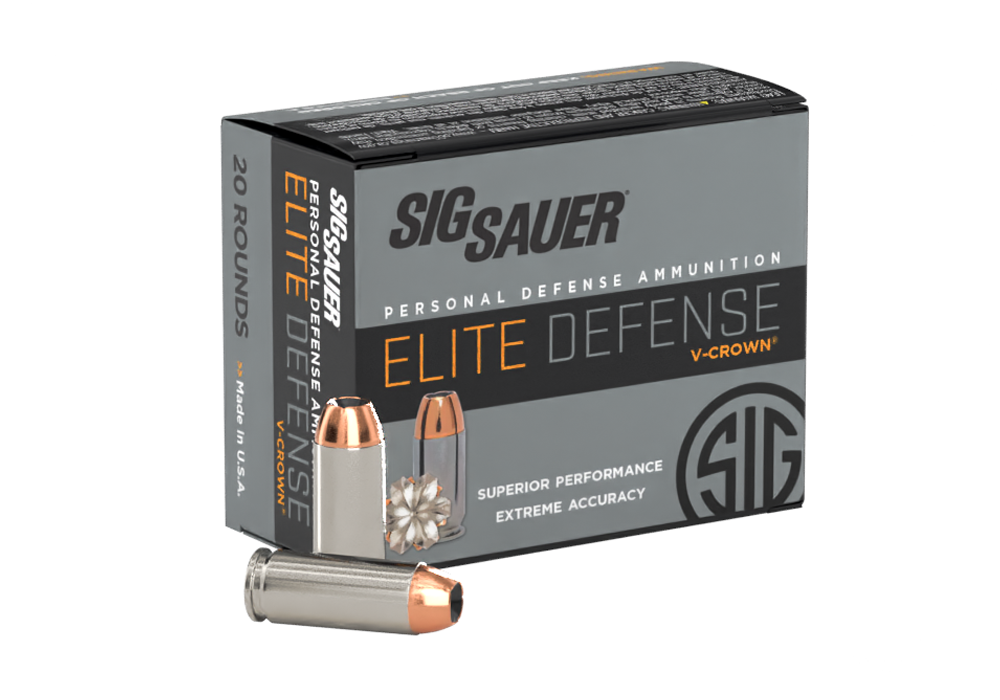
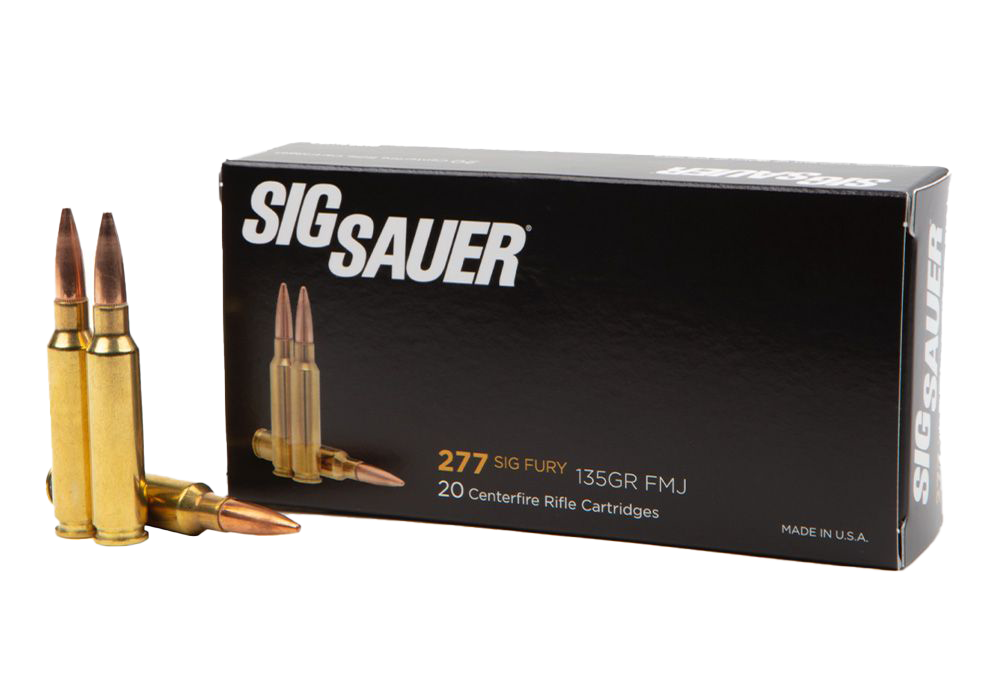
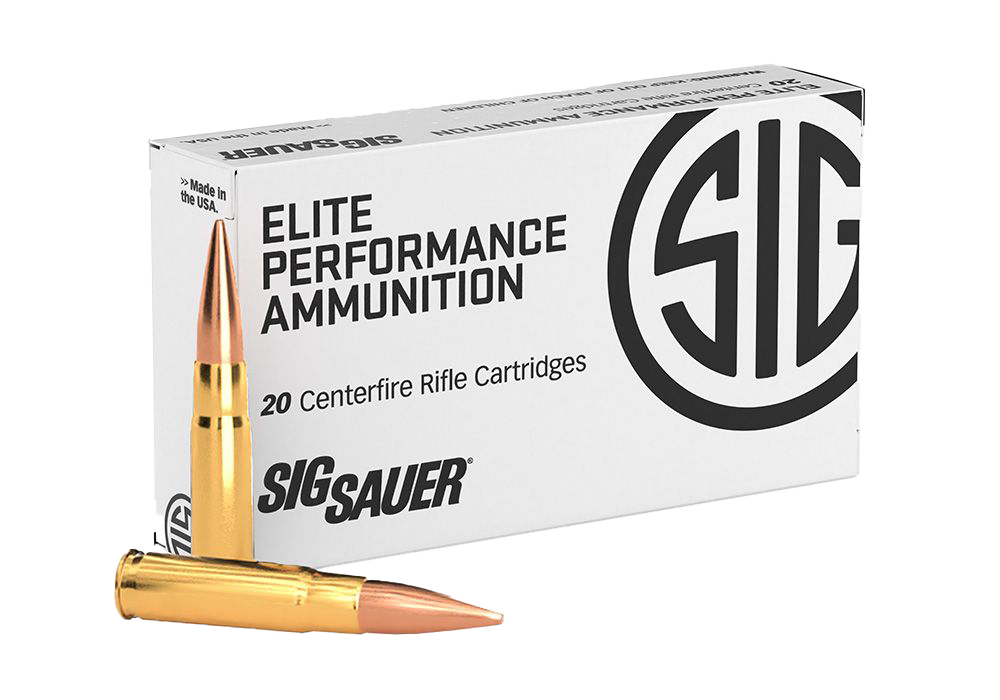
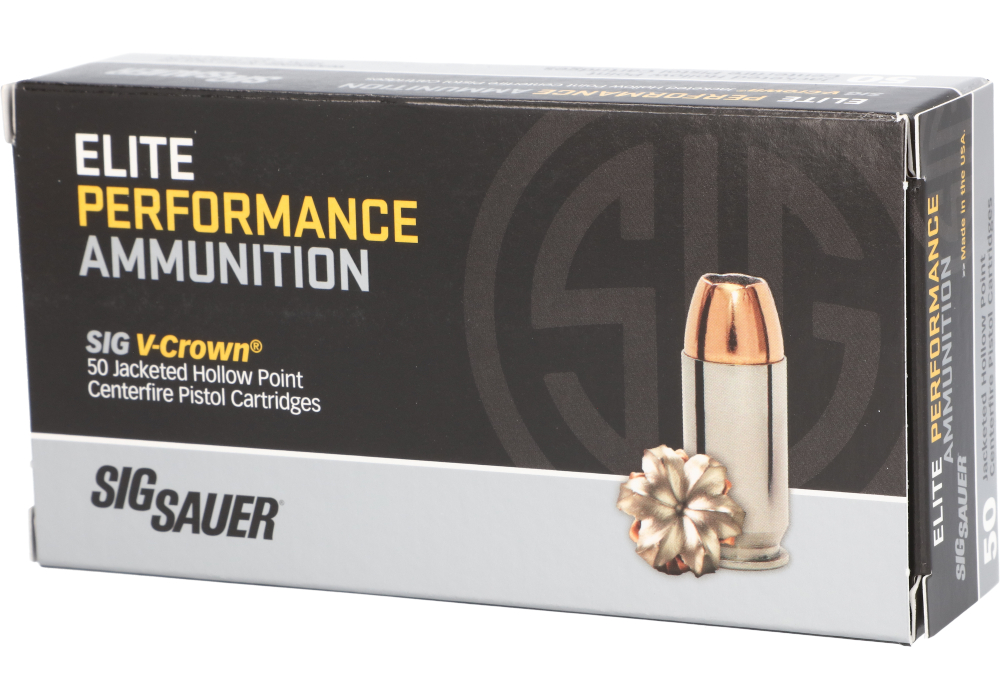
Ammunition for extreme conditions is selected for dependable performance when weather, terrain, and storage conditions place extra demands on every component. Freezing temperatures can slow propellant burn and alter velocity, while intense heat may increase pressure and change the way a load performs. Heavy rain, coastal air, melting snow, and sudden shifts between a warm vehicle and cold open ground can also affect primers, case mouths, and cartridge seals. For these reasons, shooters preparing for demanding environments often look for cartridges built around temperature-stable propellants, carefully controlled components, and protective sealing at the primer and case neck. Those details may not be visible at a glance, yet they matter when a rifle accompanies a hunter through a frosted ridgeline, when a handgun is carried during a wet backcountry trek, or when a defensive firearm must remain ready after hours in a cold truck. Consistency is the central consideration: a suitable load should feed smoothly, ignite reliably, and provide predictable accuracy across the temperature range and conditions where it will be used. Ammunition should always match the exact chambering marked on the firearm, and users should follow the firearm and ammunition manufacturer’s instructions before storage or use. A careful inspection of the box, cartridge cases, primers, and bullet seating can help identify corrosion, dents, moisture exposure, or other signs that a round should not be used. Keeping cartridges in their original packaging or in a purpose-built container, protected from prolonged heat and humidity, helps preserve their condition during the cooler months and throughout changing weather.
Different environments call for different priorities. In arctic cold or high-elevation country, temperature-stable propellant and dependable primer ignition can help reduce changes in velocity and point of impact as the air grows colder. In desert heat, ammunition should be shielded from direct sun and prolonged exposure inside hot vehicles, where temperatures can climb far above the surrounding air. Wet forests, marshland, and coastal terrain place greater emphasis on moisture resistance, corrosion protection, and secure storage. Sealed primers and case mouths can help limit the intrusion of rain or humidity, although no cartridge should be treated as impervious to neglect or long-term submersion. Fine dust and grit create another challenge, particularly for equipment that is carried on foot or handled near unpaved roads. In those settings, clean storage and a closed ammunition container are practical habits. Shooters who travel between climates may also benefit from checking their zero and confirming function after a significant change in temperature, elevation, or ammunition lot. A round that performs well during a calm range session may behave differently after a long day in blowing snow or dry heat, so responsible users take time to verify their setup under conditions that resemble the intended environment. Some loads are selected for controlled expansion in suitable hunting or defensive applications, while others use solid projectiles intended to maintain shape when passing through light barriers. The right choice depends on the firearm, local law, intended use, and the target environment; barrier performance should never be assumed without reliable testing and careful attention to what lies beyond the intended target. For a broader look at firearms suited to demanding weather, explore Firearms for Harsh Weather Conditions alongside the ammunition options listed here.
This collection can serve hunters, rural property owners, backcountry travelers, competition shooters, and prepared households that expect equipment to function beyond a climate-controlled range. A hunter crossing a damp meadow at first light may value sealed components and dependable cycling after a night of frost. A guide working around high country may prioritize consistent performance when a pack moves from a warm cabin into thin, frigid air. A range user who trains through the seasons may appreciate ammunition that helps preserve familiar recoil and accuracy as temperatures shift. These qualities can also make weather-focused ammunition a practical gift for a responsible firearm owner, especially when paired with secure storage, a range session, or other useful maintenance supplies. The most thoughtful selection begins with the recipient’s firearm chambering and intended application rather than appearance or novelty. Verify the exact caliber and cartridge designation, choose a projectile style suited to lawful use, and consider whether the ammunition will be carried, stored for an extended period, or used for regular practice. Keeping practice and field ammunition clearly organized can help simplify preparation, while rotating stored cartridges and checking packaging for moisture or corrosion supports long-term reliability. Firearms and ammunition should be secured from unauthorized access, transported in compliance with applicable laws, and handled only by individuals who understand safe firearm practices. Extreme weather does not replace the fundamentals: keep the firearm pointed in a safe direction, keep the finger outside the trigger guard until ready to fire, confirm the target and what is beyond it, and use hearing and eye protection. With the right match between cartridge, firearm, environment, and purpose, these ammunition options provide a dependable foundation for responsible use when conditions become cold, hot, wet, dusty, or otherwise demanding.