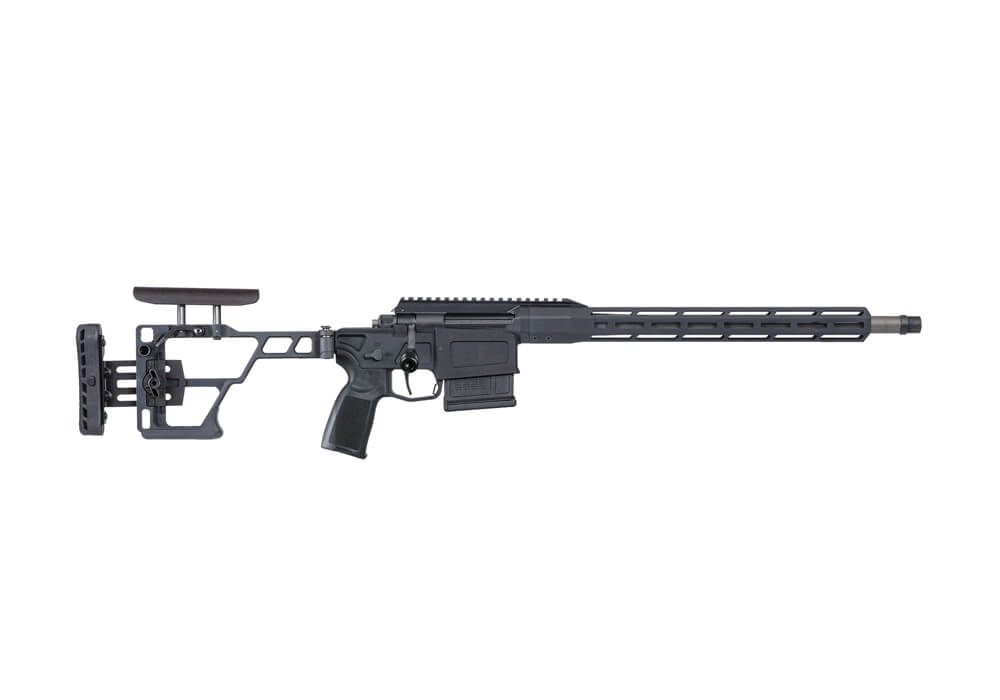
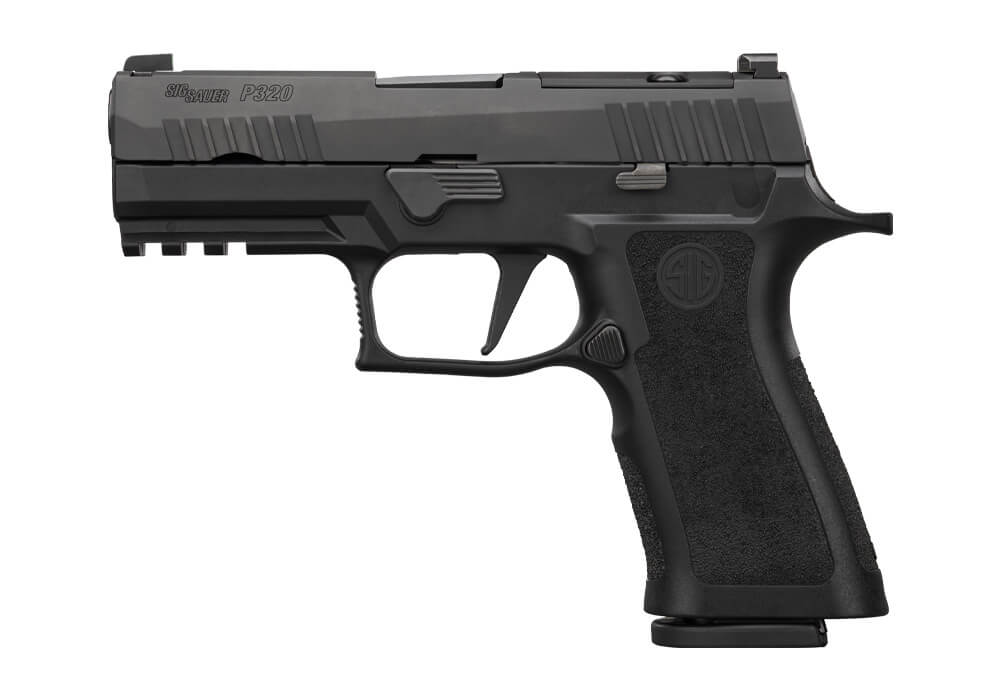
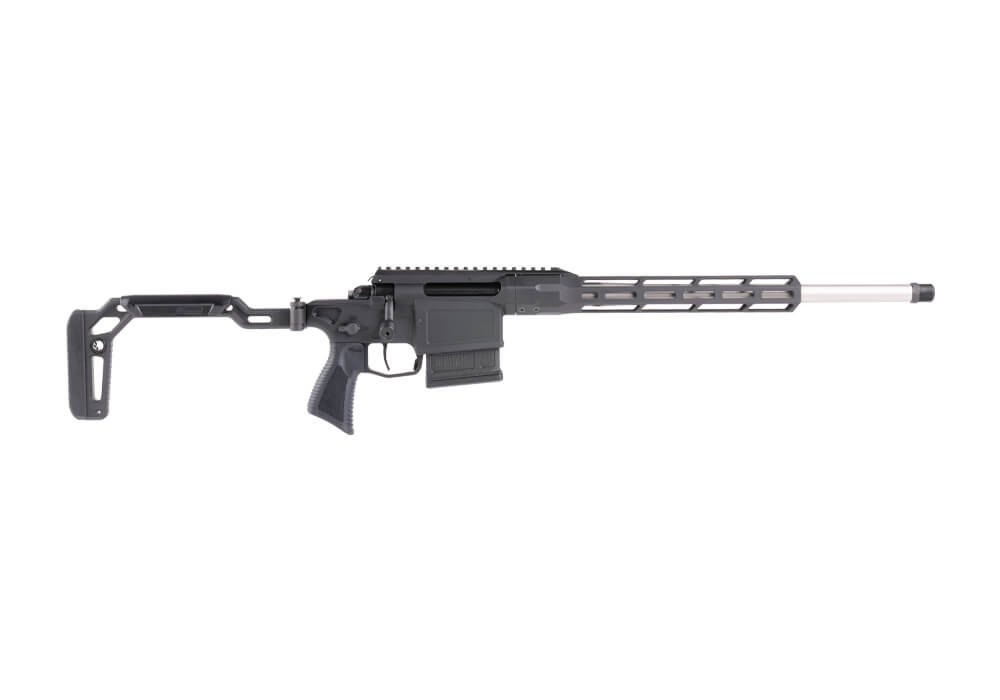
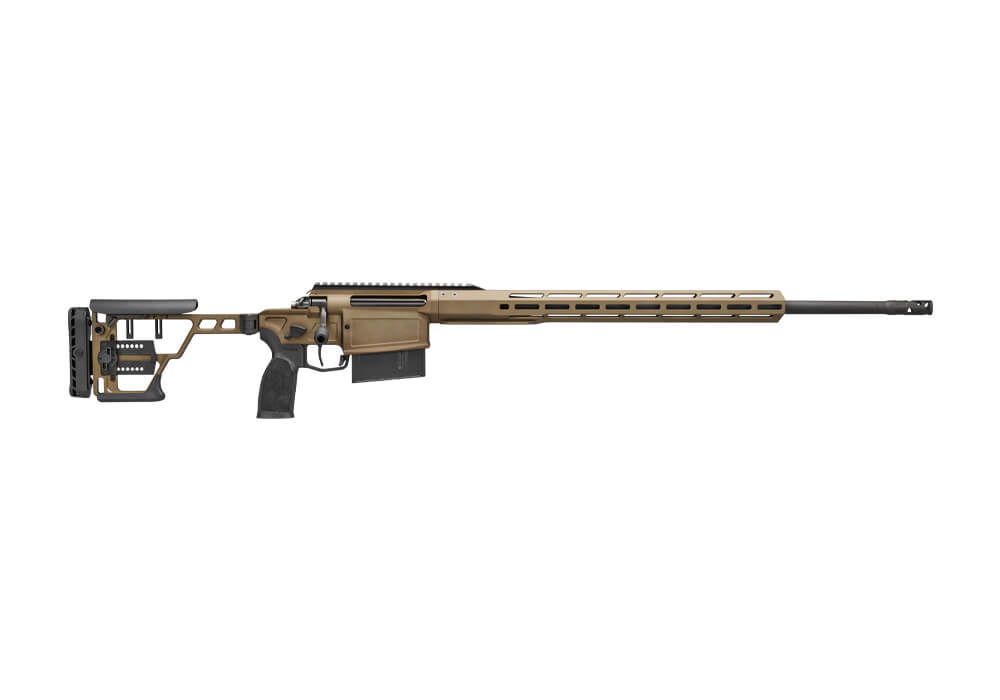
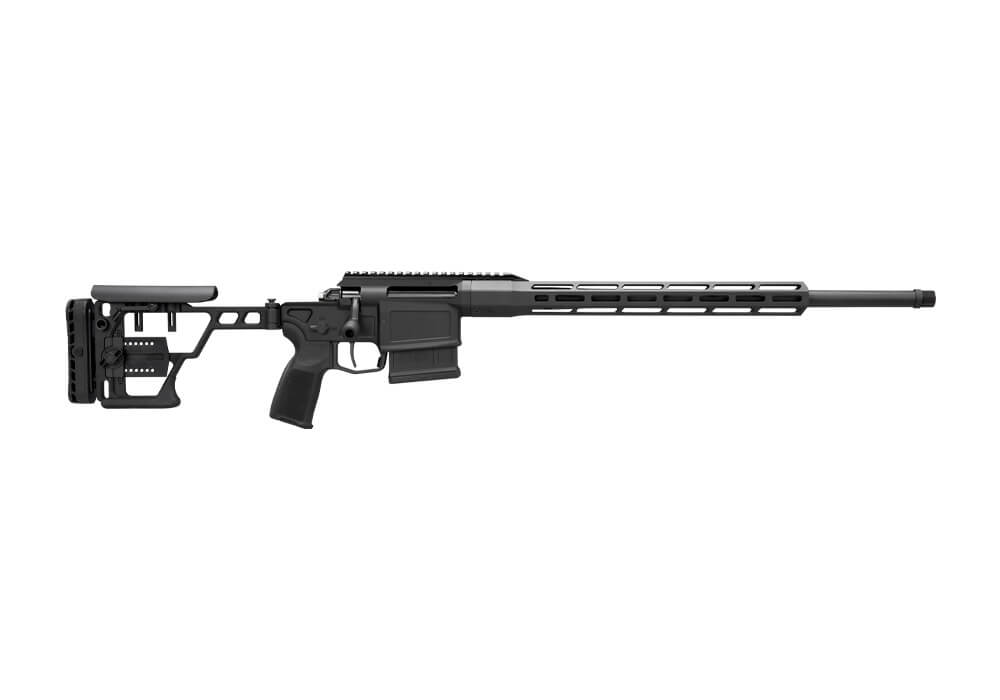
Firearms selected for harsh weather conditions are built to remain dependable when rain, snow, freezing temperatures, dust, and sudden changes in humidity make ordinary equipment harder to manage. For hunters, ranchers, backcountry travelers, sport shooters, and responsible owners who spend time outdoors during the cooler months, the right platform begins with materials and finishes that help resist corrosion. Stainless steel components, protective ceramic-based coatings, and other durable surface treatments can help shield exposed metal from wet brush, salt-laden air, muddy vehicle compartments, and condensation. A synthetic, fiberglass, or carbon-fiber-reinforced stock is often a practical choice in place of traditional wood when the firearm may be exposed to repeated moisture or rapid temperature changes. Wood can be beautiful and comfortable in the hand, but it may swell, contract, or change point of impact when conditions shift. Synthetic stocks generally offer a more consistent fit and require less concern about warping after a long day in the field. When comparing rifles, shotguns, and pistols for demanding outdoor use, consider the balance between weight, simplicity, controls, and intended application. A bolt-action rifle may appeal to a hunter who values straightforward operation and a stable platform for deliberate shots, while a pump-action shotgun can be a practical option for property protection, upland pursuits, or transport through wet and brushy terrain. A semi-automatic firearm may offer useful handling and faster follow-up capability when maintained according to the manufacturer’s instructions. Controls that are easy to identify and operate while wearing gloves can make a meaningful difference, particularly when cold fingers, reduced dexterity, or bulky outer layers are part of the day. Look for a stock texture that remains secure when wet, sights or an optic suited to changing light, and a configuration that can be carried comfortably over uneven ground. Standard or extended capacity options may be available depending on the firearm type and applicable law, but capacity should always be considered alongside local regulations, storage requirements, and the intended use of the firearm. These firearms can also make thoughtful gifts for an experienced hunter, outdoorsperson, or landowner when the recipient’s needs, preferences, and legal eligibility are known. A gift card or carefully chosen accessory may be more appropriate when those details are uncertain. Before purchasing, review state and local requirements, confirm any transfer or waiting-period rules, and select a licensed retailer or dealer where required.
Reliability in difficult weather depends on preparation as much as construction. Before heading outdoors, inspect the firearm for visible moisture, dirt, ice, damaged parts, and obstructions, and confirm that it is unloaded while performing any inspection or maintenance. Follow the owner’s manual for cleaning, lubrication, storage, and temperature limits; products intended for cold weather can help prevent lubricants from becoming sluggish, while excessive oil or heavy grease may attract grit or impede operation. A firearm should never be fired if snow, mud, water, or another obstruction may be present in the bore, and any muzzle-protection method should be used only when it is approved by the manufacturer, kept clear of the bore, and removed or checked before firing. During a wet hunt or range session, use a fitted case or cover when practical, wipe down exterior surfaces at safe intervals, and keep ammunition dry and protected from contamination. Moving a cold firearm into a warm environment can create condensation, so allow it to acclimate gradually in a closed case before exposing it to heated indoor air; once it reaches room temperature, inspect and dry it thoroughly. Store the firearm unloaded, secured from unauthorized access, and in accordance with applicable laws, using a lockable safe or approved locking device as appropriate. Desiccant packs can help manage moisture in a storage container, but they do not replace regular inspection. Outdoor enthusiasts may also want to review Firearm Parts for Outdoor Adventurers when planning a setup for changing terrain and weather. Replacement stocks, magazines, sights, slings, mounting components, and other parts can help tailor a firearm for gloved handling, pack carry, low light, or extended time away from a vehicle. Select only parts that are compatible with the firearm, install them according to the manufacturer’s instructions, and have a qualified gunsmith inspect critical work when needed. With corrosion-resistant materials, weather-tolerant furniture, sensible controls, and disciplined care, a firearm can remain a dependable part of an outdoor kit through damp trails, frosty mornings, driving rain, and the unpredictable conditions that often define life beyond the pavement.