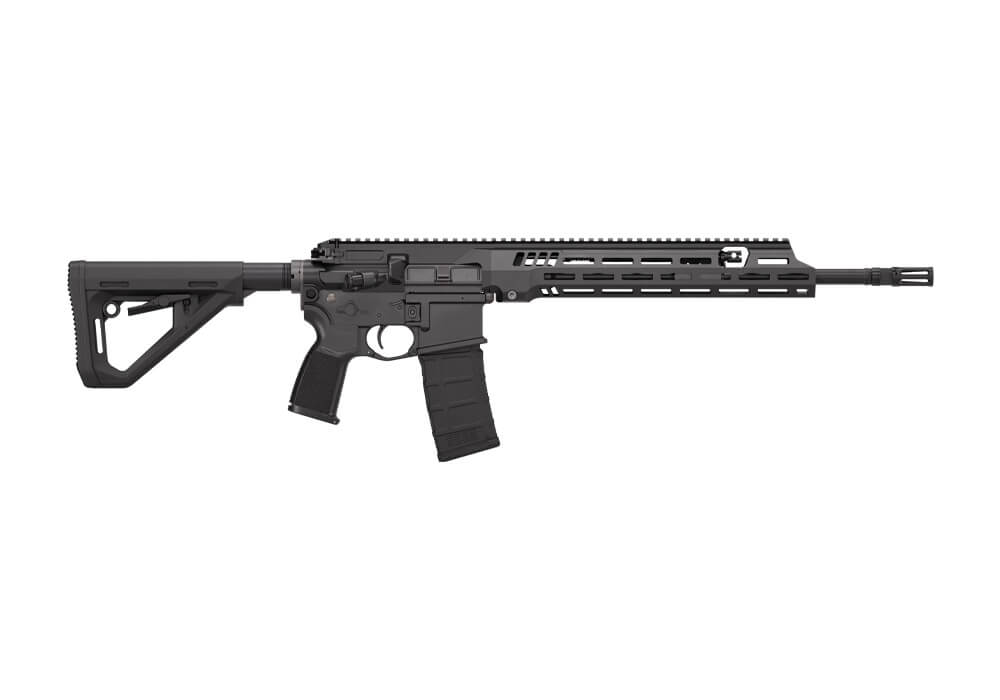
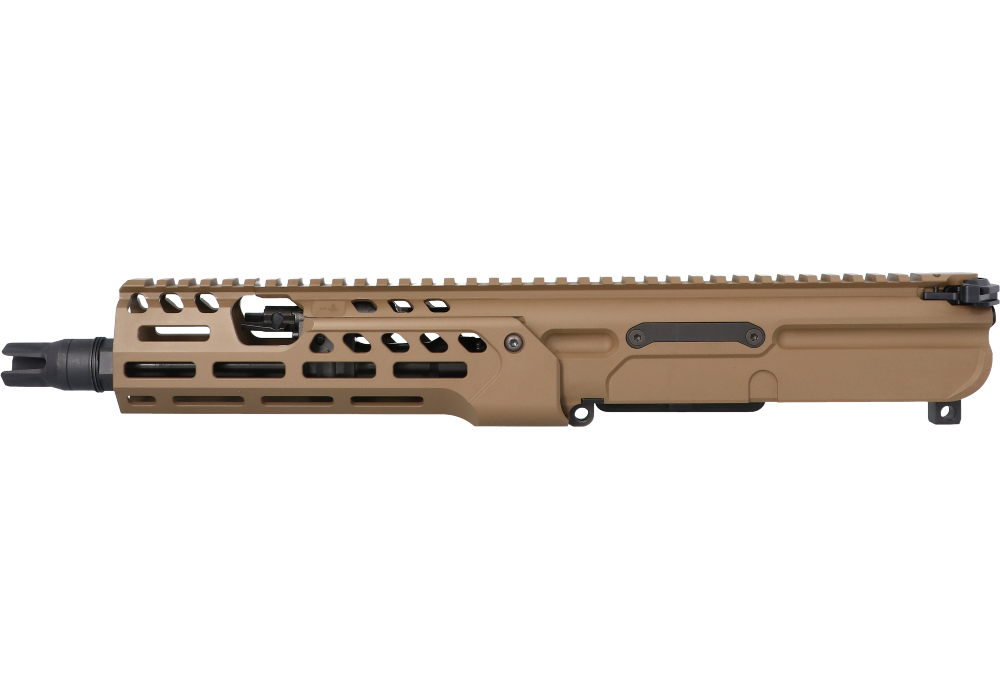
AR-15 rifles with easy operation are valued for their familiar controls, manageable recoil, and modular layouts that make them approachable for both new and experienced shooters. In a product list focused on straightforward handling, look for a rifle with clearly marked controls, a comfortable stock, a balanced receiver-and-barrel configuration, and an optic-ready top rail that allows a sight to be added without complicating the setup. Standard AR-15 controls typically include an ambidextrous or easily reached safety selector, magazine release, charging handle, and bolt catch, allowing the shooter to learn the operating sequence without excessive hand movement. A collapsible stock can help accommodate different arm lengths, clothing layers, and shooting positions, while a properly fitted grip keeps the trigger finger naturally aligned outside the trigger guard until the shooter is ready to fire. Aluminum and polymer components may help keep overall weight manageable, which matters during a long range session when the rifle is carried between benches, cases, and firing positions. Recoil is generally moderate, especially when compared with larger-caliber rifles, making it easier to maintain a steady sight picture and practice controlled follow-up shots. Gas-system design also influences how a rifle cycles, how it balances in the hands, and how much felt movement reaches the shooter. A direct-impingement design is common and familiar, while a piston-operated design may appeal to those who prefer a different operating system. Neither choice replaces the importance of fit, maintenance, ammunition compatibility, and safe handling. For someone buying an AR-15 rifle for the first time, the most useful choice is often the one that feels intuitive before any accessories are added. Set the rifle on a bench, shoulder it with the action clear and unloaded, and pay attention to whether the stock length, grip angle, controls, and overall weight feel natural rather than forced.
Easy operation also depends on choosing a configuration that matches the way the rifle will be used. Recreational range shooters may appreciate a predictable trigger, a comfortable handguard, a free-floating or well-supported barrel, and a rail that leaves room for a red-dot sight or magnified optic. Shooters who spend extended time practicing from a bench may prefer a slightly heavier barrel for consistent performance during longer strings, while those who carry the rifle between outdoor stations may favor a lighter profile. A mid-length gas system can provide a smooth shooting feel and a practical balance between reliability and handling, although the complete rifle should be evaluated as a system rather than by one feature alone. Check the barrel length, twist rate, chambering, muzzle device, stock adjustment, and magazine compatibility, then confirm that the configuration complies with all applicable federal, state, and local requirements. Magazine rules vary by jurisdiction, so buyers should verify whether standard or extended capacity options are lawful where they live. An optics-ready receiver can make it easier to begin with a simple sighting solution and upgrade later as experience develops. For range use, browse AR 15 Rifles For Range Shooting to compare configurations intended for regular practice. Maintenance is another important part of easy operation. A rifle that is simple to inspect, clean, lubricate, and reassemble encourages consistent care, and consistent care helps the owner become familiar with the rifle’s controls and condition. New owners should read the manufacturer’s manual, learn the correct unloading and clearing procedures, use ammunition that matches the markings on the firearm, and practice with a qualified instructor before shooting independently. Eye and ear protection should be worn at every range session, and the rifle should remain pointed in a safe direction with the finger outside the trigger guard until the shooter has made a deliberate decision to fire.
An easy-operating AR-15 rifle can suit a broad range of lawful sporting and recreational applications, including informal target practice, organized competitions, skills development, and supervised instruction. It may also be considered by an experienced firearm owner seeking a familiar platform with adjustable fit and readily available accessories. As a gift, an AR-15 rifle can be meaningful for a responsible adult who has expressed a genuine interest in marksmanship, but the purchase should be handled thoughtfully. Firearms are personal equipment, and the recipient’s preferences, experience level, legal eligibility, storage arrangements, and intended use all deserve consideration before a transfer. In many cases, a gift card, training class, secure storage solution, or optic may be a better surprise than choosing the rifle without the recipient’s input. Any transfer should follow applicable laws, background-check requirements, and retailer procedures, and the recipient should have a secure locking method that prevents unauthorized access. During the warmer part of the year, a rifle may accompany a day at an outdoor range, where glare, dust, and changing temperatures make a comfortable stock and clear sight picture especially useful. During cooler months, gloves and heavier clothing can change how controls feel, making adjustable length of pull and generously sized controls worth considering. Keep the rifle unloaded and secured during transport, separate it from ammunition where required, and use a hard or suitably protective case. Whether the goal is a quiet morning of paper-target practice or a structured class with an instructor, the best easy-operation rifle is one that fits the shooter, uses familiar controls, supports safe storage, and leaves room for skills to grow. A straightforward design does not eliminate the need for training; it makes it easier to focus on safe habits, deliberate handling, and steady marksmanship from the first session onward.