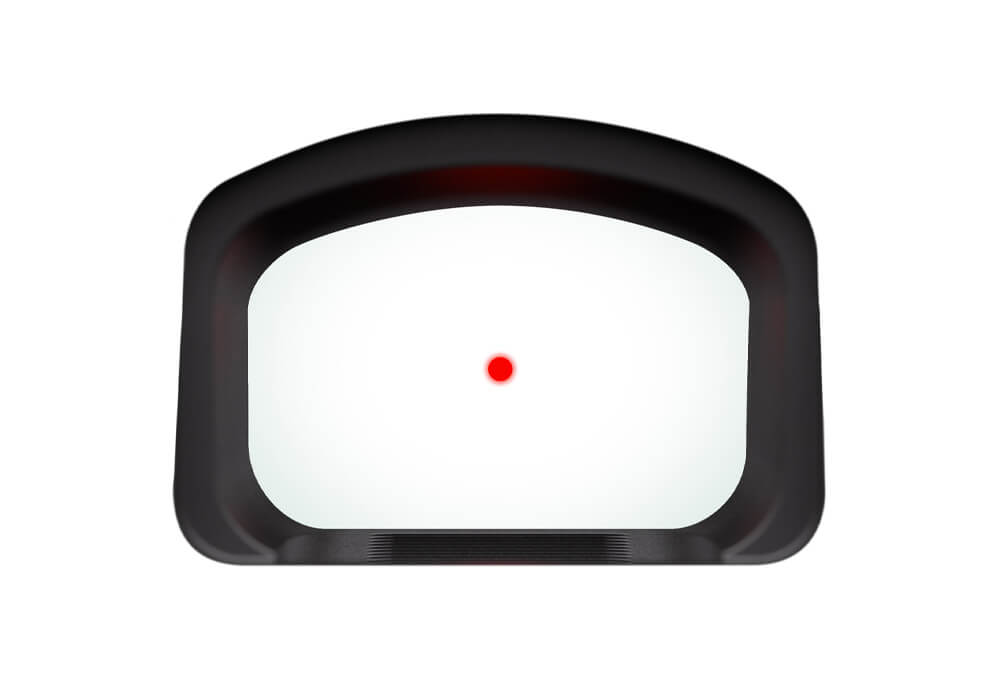
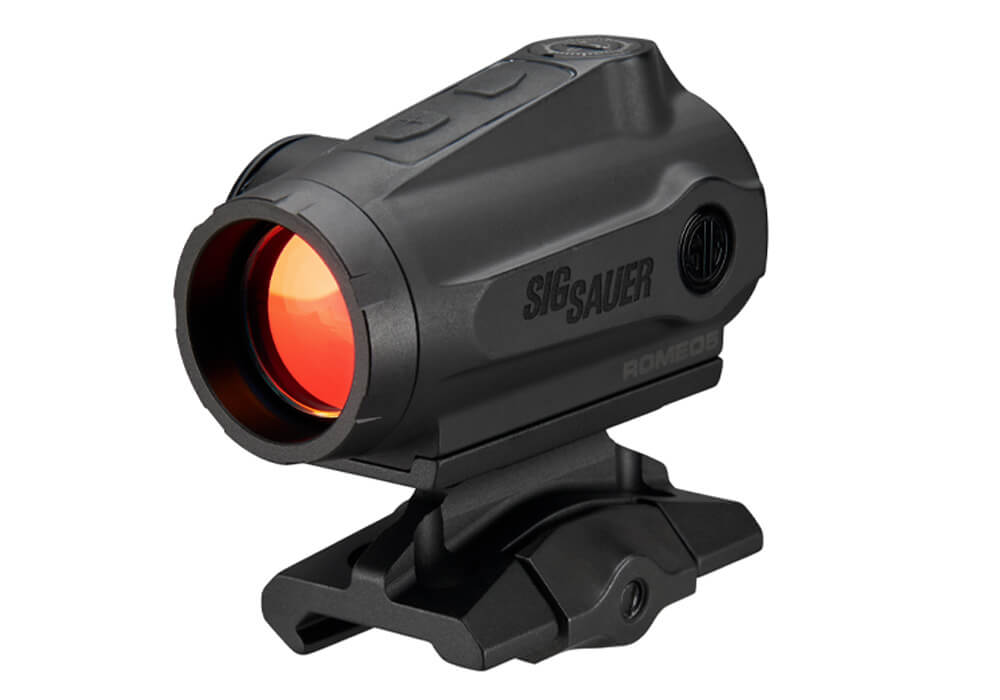
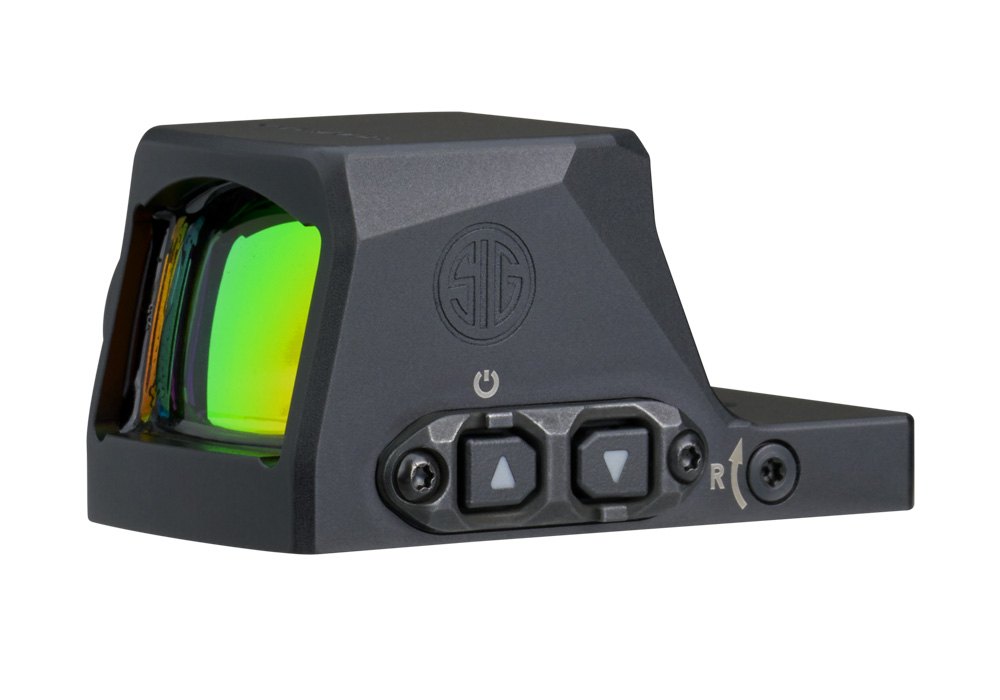
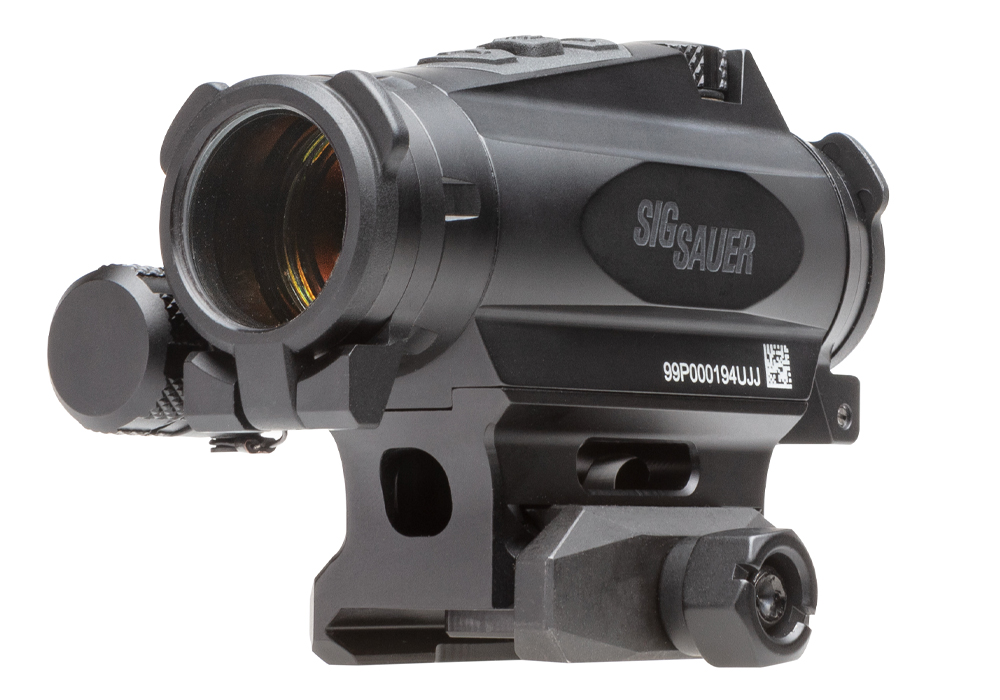
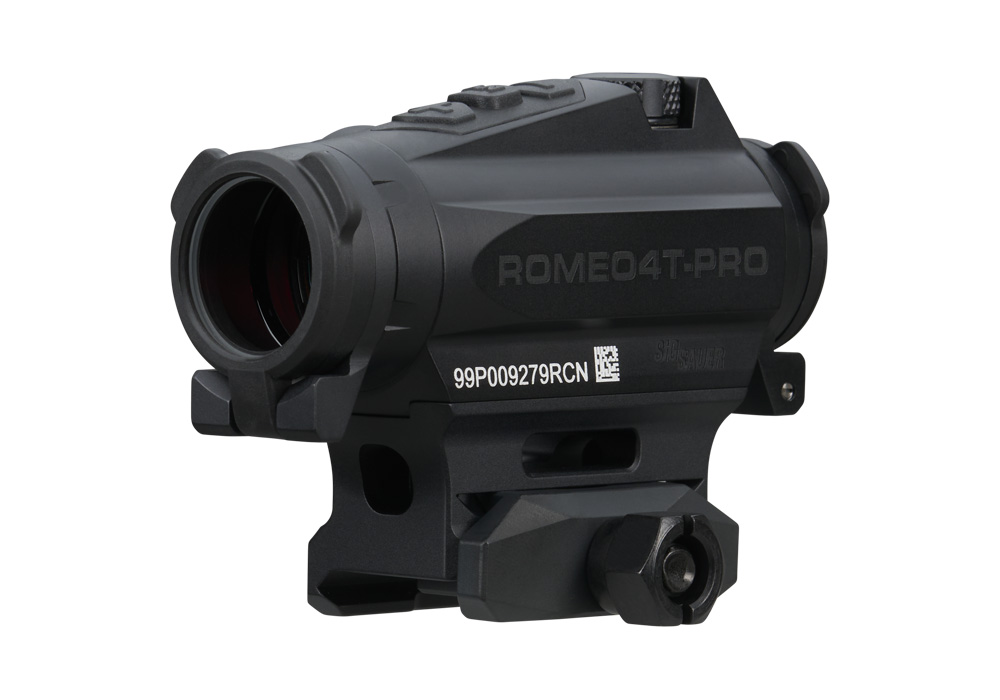
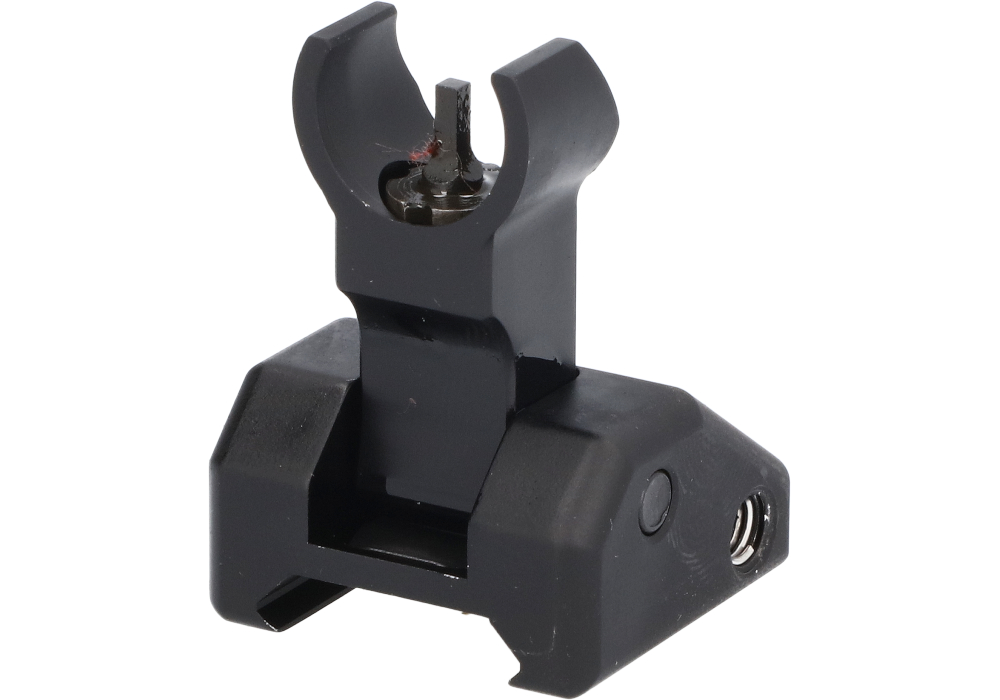
Battery-powered sights use an electrically illuminated reticle to provide an aiming reference within an optical window. In a typical reflex sight, an LED directs light toward a specially coated lens, which reflects the dot or other reticle pattern back toward the shooter. The aiming reference appears inside the sight rather than being projected onto the target. This distinguishes a battery-powered red dot sight from a visible aiming laser, even though both rely on electrical power. Many sights in this category offer a nonmagnified view, allowing the shooter to see the surrounding area without the narrower field associated with higher magnification. Depending on the design and the user’s vision, they can also support comfortable viewing with both eyes open. Battery-powered sights serve a broad range of applications, including recreational target shooting, organized competition, and hunting where permitted. Compact formats suit compatible handguns, while other configurations accommodate rifles or shotguns. The shared benefit is an illuminated reference that does not require the same visual alignment as separate front and rear iron sights. That difference can appeal to experienced shooters as well as people becoming familiar with optics during supervised range sessions. Reticle size, shape, and color influence the viewing experience: a small dot covers less of a distant target, while a larger reference may be easier for some eyes to distinguish. Neither preference is universal, and the appearance of a reticle can vary with eyesight, corrective lenses, and brightness settings. Someone who sees a crisp circle through one optical design may notice a starburst through another. Brightness adjustment is therefore an important everyday feature, not simply a specification to compare. A clearly visible reticle should remain distinguishable without overwhelming the view through the lens. Optical clarity, window dimensions, and the visibility of the housing around that window all contribute to how natural a sight feels when viewed from a comfortable position.
Battery performance is a defining consideration for battery-powered sights, but runtime figures need context. Published battery-life estimates generally reflect a particular brightness level, operating mode, and battery type rather than every possible combination of settings. A long advertised runtime does not mean that battery checks or scheduled replacement are unnecessary. Some designs include motion-activated illumination, automatic sleep functions, or manual shutoff to manage power consumption. Others offer supplemental solar assistance or rechargeable power systems, although those features differ in purpose and should not be assumed to provide identical backup operation. Clear controls and understandable power-status indicators can matter as much as an impressive hour rating, especially for a sight that spends time between range visits. Battery access is another practical detail. A side tray or top-access compartment may allow replacement without removing the optic, while other arrangements place the battery beneath the housing. The specified battery format, compartment seal, and replacement procedure belong in the comparison alongside runtime. For shoppers focused on compact pistol applications, Handgun Optics With 20000 Hour Battery provides a related category to explore, with individual specifications supplying the conditions behind any stated endurance figure. Physical compatibility deserves equally close attention. A handgun slide cut, an adapter plate, and a rail mount are different interfaces, and a sight described as compact is not automatically compatible with every compact firearm. Manufacturer compatibility information helps establish whether the optic, mounting interface, and intended platform belong together. Housing dimensions can also affect holster fit, case storage, and clearance around nearby components. Weight is worth considering as part of the complete setup rather than in isolation: the smallest housing may feel unobtrusive, while a larger window may offer a more open view. Appropriate selection starts with documented fit and intended use, followed by preferences for controls, reticle presentation, and power management. Where compatibility is uncertain, a qualified professional can help verify suitability without relying on appearance or broad category labels.
Materials, construction, and care shape the long-term ownership experience of an electronic sight. Aluminum housings are common because they balance manageable weight with structural strength, but material alone does not establish overall durability. Lens protection, housing geometry, surface finish, electronic sealing, and the design of the battery compartment also matter. An open-emitter sight leaves the light source more exposed within the optical assembly, while an enclosed-emitter design surrounds that optical path with a protective housing and additional window. Each arrangement has its own balance of size, accessibility, and cleaning considerations. Documented impact testing and resistance ratings offer more useful comparison points than broad claims of toughness, and compatibility with a particular firearm type should be confirmed in the manufacturer’s specifications. A sight intended for a handgun experiences a different operating environment from one intended solely for another platform. For routine care, a soft optical brush and lens-safe cleaning materials help address dust and fingerprints without unnecessarily abrading coated surfaces. Cleaning products intended for other firearm components are not automatically suitable for optical coatings, seals, or electronics. Care should take place with the firearm unloaded and secured according to its manufacturer’s instructions, and the optic’s own manual should govern cleaning, battery replacement, and storage. Protective covers and a suitable case can help keep the viewing window clear between outings. These small ownership details become especially noticeable during a regular range routine: a readable control button, an accessible battery compartment, and a lens that is straightforward to clean can make the sight easier to maintain over time. For a gift recipient who already enjoys target shooting, an optic is a personal choice that benefits from knowing the exact compatible platform and preferred viewing experience. For someone selecting a sight for personal use, the strongest comparison brings together optical comfort, reliable power management, documented durability, and practical fit. Battery-powered sights are not interchangeable accessories; their value lies in how well those characteristics match the firearm, the activity, and the person looking through the window.