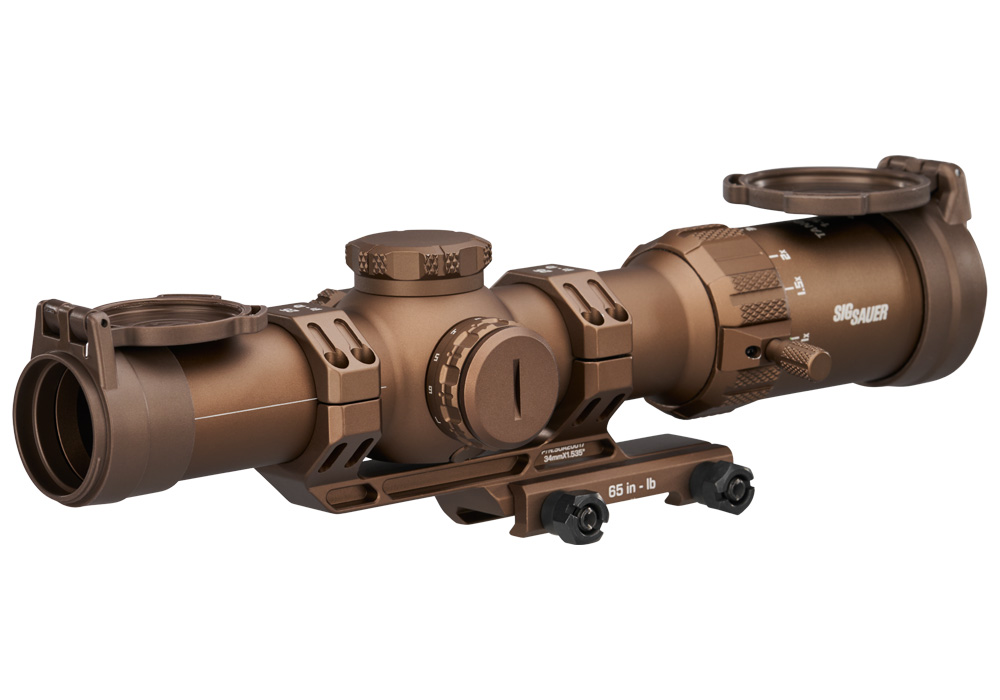
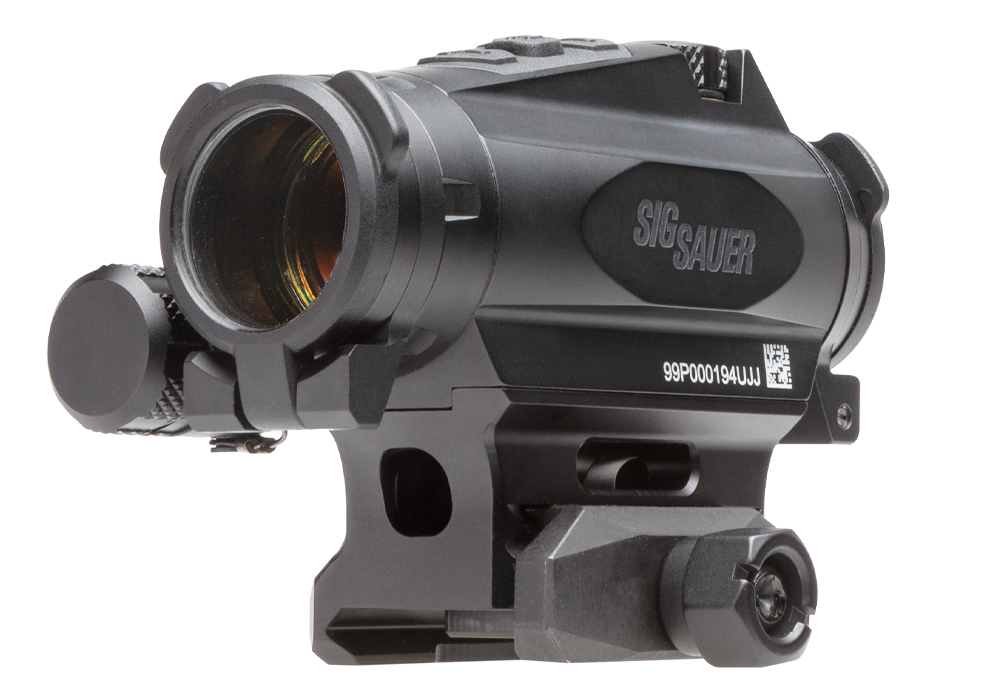
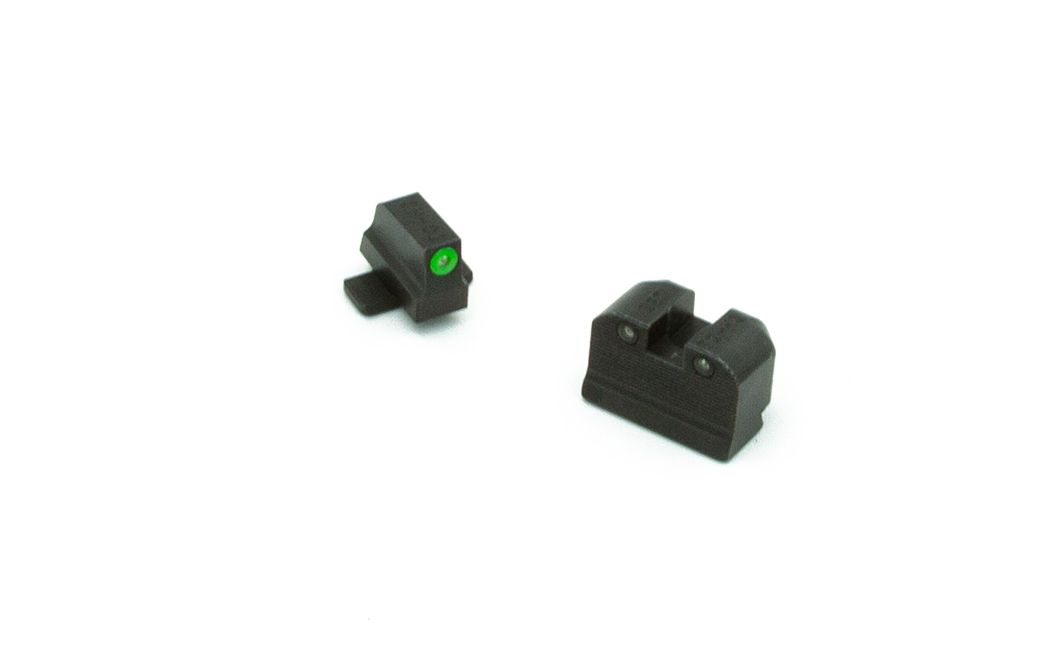
BDC (Bullet Drop Compensating) reticles have become a trusted companion for shooters seeking confidence and precision at varying distances, whether in the heart of summer or as the air turns crisp in the early fall. These reticles are engineered with a series of hash marks or dots below the main crosshair, each mark corresponding to a pre-determined range. This design allows you to make rapid and accurate shots without the need to adjust elevation turrets—an advantage that becomes especially valuable when time is of the essence, such as during a fast-paced hunt or while engaging targets on the move. The intuitive layout of a BDC reticle streamlines the process of compensating for bullet drop, making it accessible for hunters, recreational shooters, and those who enjoy range days with family or friends. Whether you’re pursuing game across open fields or practicing long-range marksmanship, the visual cues provided by a BDC reticle can transform challenging shots into confident hits. For those searching for a thoughtful and practical gift, a scope featuring a BDC reticle can be a memorable choice for a seasoned hunter, a competitive shooter, or anyone looking to extend their effective range with ease.
When considering a BDC reticle, it’s important to think about your intended application and the specific firearm and ammunition combination you plan to use. BDC reticles are typically calibrated for certain ballistic profiles, often based on popular calibers and standard bullet weights. This means that while the reticle’s markings provide a solid baseline, factors like your chosen ammunition, barrel length, and even environmental conditions such as altitude and temperature can influence where your shots land in relation to the reticle’s holdover points. Many shooters find it helpful to use a ballistic calculator or a mobile app to fine-tune their understanding of how their setup performs with a BDC reticle, ensuring they can make the most of its capabilities. Additionally, the type of optic—whether first or second focal plane—can affect how the BDC functions at different magnification levels. First focal plane scopes maintain consistent subtensions across the zoom range, while second focal plane models are typically accurate only at maximum magnification. These considerations are key for anyone looking to make the most of their shooting experience, particularly as the seasons shift and outdoor conditions evolve.
For those exploring the world of BDC reticles, the journey often leads to a deeper appreciation of the science and art behind accurate shooting. From the anticipation of a summer hunt at dawn to the satisfaction of ringing steel targets on a cool fall afternoon, BDC reticles enhance every shot by bridging the gap between shooter and distance. Whether you’re upgrading your own setup or searching for the perfect gift for an enthusiast, understanding the nuances of BDC technology helps ensure you choose an optic that matches your needs and style. To further explore the different types of reticles and find the ideal match for your firearm and shooting discipline, visit our comprehensive guide on Firearm Reticles. Here, you’ll find detailed insights to help you make an informed decision, ensuring every shot counts—season after season.