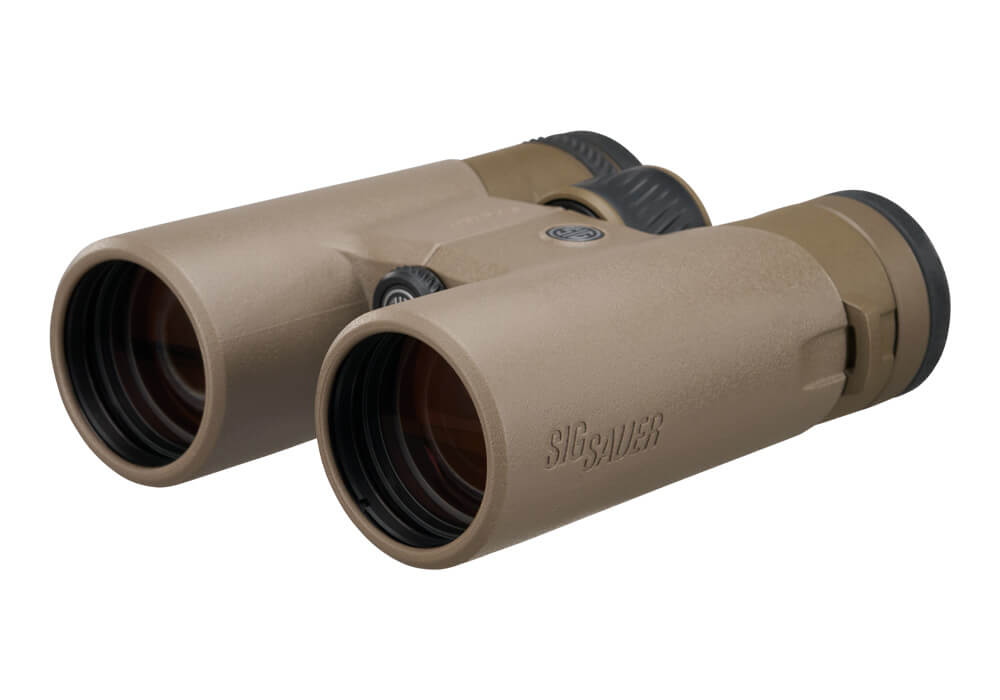
Beginner Binoculars for Field Observation

Choosing binoculars for beginners starts with comfortable handling and straightforward adjustments. Explore options for field observation, comparing focus controls, adjustable eyecups, lens treatments, and included carrying accessories. Look for a first pair that suits both your viewing habits and the way you carry your gear.

per page
Beginner binoculars for field observation bring small details into view without requiring a closer approach. From a boardwalk, the streaks on a sparrow’s breast or the shape of its bill may be clear enough to distinguish it from another bird feeding in the same reeds. At a pond, a closer view can reveal the difference between a turtle’s head and the tip of a branch just above the surface. For someone learning to follow wildlife, a steady image and a generous field of view often matter more than the highest magnification. In a specification such as 8x42, the first number indicates eight-power magnification, and the second gives the diameter of the front lenses in millimeters. An 8x binocular is often easier to hold steady than a comparable 10x binocular, since higher power also makes hand movement more noticeable. A 10x view can help bring out the markings on an animal across an open meadow, especially when there’s a railing to steady an elbow against. Along a wooded trail, a wider field of view can be more useful: it shows more of the branches around a bird, leaving room to follow it when it hops. Field of view is often listed as a width in feet at 1,000 yards. A larger figure means more of the scene fits in the image at that distance. Larger front lenses can help keep the view bright in deep shade, though they generally add bulk and weight. Close focus matters at the other end of the range. It’s the nearest distance at which the image can become sharp, a specification worth noticing if the outing is as likely to involve studying a butterfly on a nearby flower as watching a heron on the far bank.

Fit matters every time the binoculars come up to the eyes. The hinge should let the barrels move close enough together or far enough apart for both eyes to see one round image. This adjustment is especially important for younger observers and adults with narrower faces. Eye relief is the distance behind the eyepiece at which the full view remains visible. With glasses on, sufficient eye relief and eyecups that retract can mean the difference between seeing the entire scene and looking through what feels like a narrow tunnel. With glasses off, extended eyecups can help position the binoculars comfortably. A focus wheel within easy reach lets a watcher shift from a nearby fence post to a distant treetop without changing grip, while a diopter adjustment compensates for differences between the two eyes. The way the binoculars balance also affects how long they’re comfortable to hold. A broad barrel may sit securely in a larger hand, while a slimmer shape can be easier for smaller hands to control. Beneath the exterior, a chassis may use metal or a reinforced polymer; the complete design determines how sturdy and balanced it feels. Rubber armoring provides a more secure grip and cushions routine knocks against a bench or pack buckle. For walks with a small daypack, the Compact Binoculars selection offers formats that leave more room for a notebook, field reference, and water bottle. A larger pair may be just as comfortable for an afternoon at a fixed overlook, where it can rest on a lap between sightings. For a walk with frequent stops, a comfortable strap can be as noticeable as the difference in weight, particularly when the binoculars stay within reach rather than in the pack.

Field binoculars spend plenty of time around trail dust, fingertips, and bag hardware, so small details can influence how well they hold up. Recessed lenses are less exposed to incidental contact, and lens covers help protect the glass when the binoculars share a bag with keys or a metal water bottle. A padded case adds protection in transit, while an accessible strap makes it easier to keep the binoculars in hand at a viewing rail or beside a pond. For observation from a canoe or near the water’s edge, a stated water-resistance rating is more informative than the appearance of the outer housing. Lens coatings can reduce reflections and improve contrast, making it easier to pick out a muted feather pattern against bark, but the coated surfaces still deserve gentle care. Loose grit is better lifted with a lens brush or hand blower before a clean optical cloth touches the glass; rubbing a dusty lens with a shirt hem can drag particles across the surface. Keeping the cloth in its own sleeve helps it stay free of grit, and letting damp exterior surfaces dry before enclosing the binoculars in a case keeps moisture from lingering. These are practical details for a first pair that might go from a backyard feeder to a nature preserve in the same day. Binoculars also make a fitting gift for a new birdwatcher, a student beginning a field journal, or a relative who likes to pause along a trail to watch what moves at the edge of a clearing. A pair intended for shared use benefits from an easy-to-adjust hinge and controls that are simple to find by touch, since a bird rarely stays on the same branch while binoculars pass from hand to hand. Whether the view is across a yard or over a wide stretch of open water, the most useful pair is one that feels comfortable to carry, comes into focus easily, and shows enough of the surroundings to keep the subject in sight.

FAQ

Related Pages

Compare Products
Items
Launch Compare

Zip Code Verification

Some localities have legal restrictions on products which requires the validation of your ZIP code

Age Verification

Some localities have legal restrictions on products which requires the validation of your age