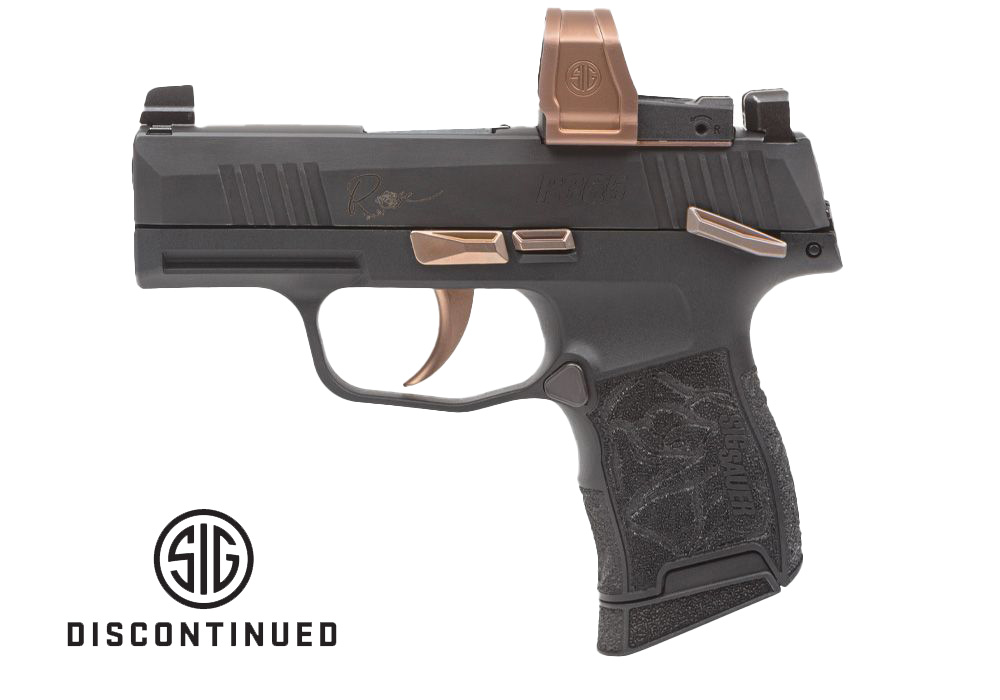
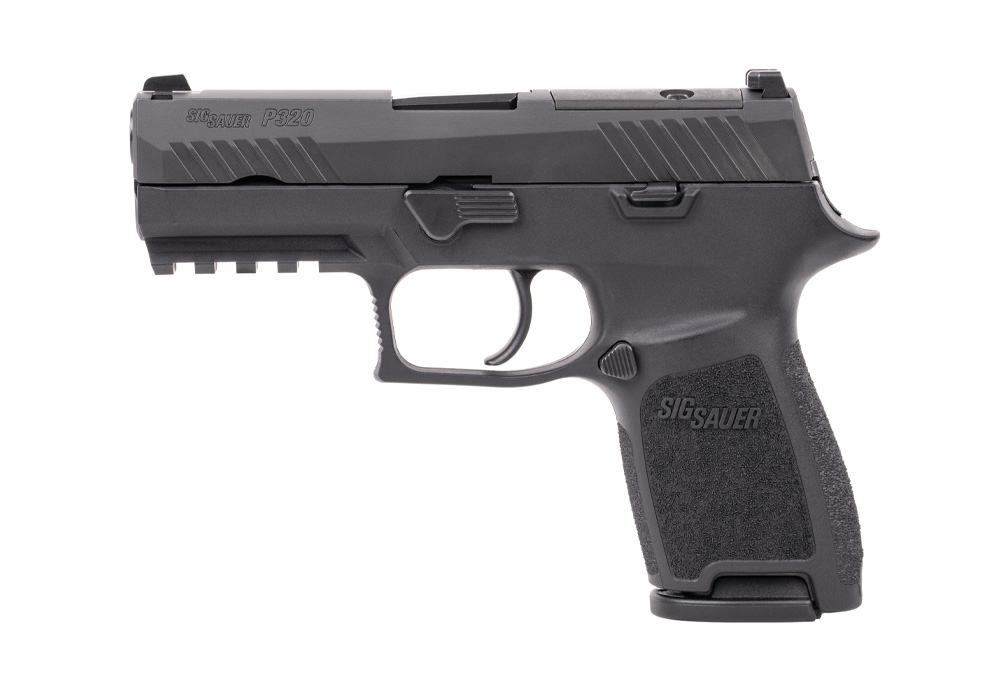
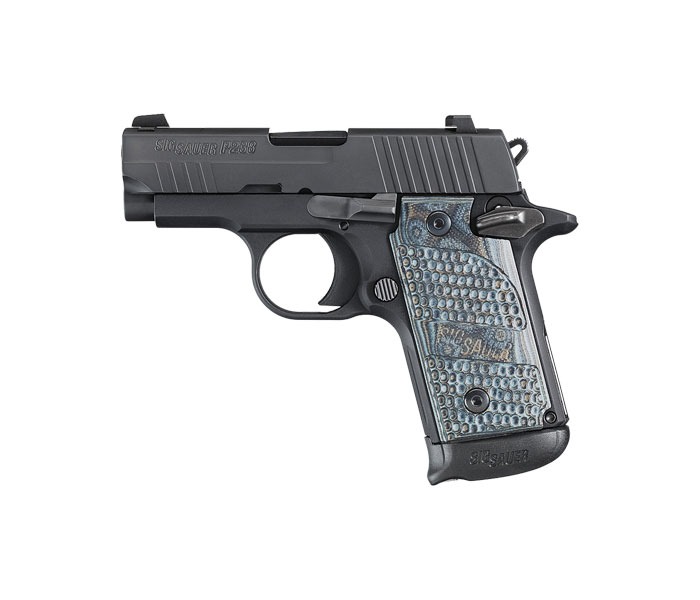
Choosing among the best .380 ACP pistols with night sights starts with matching the pistol to the way it will be carried, handled, and practiced with—not simply selecting the smallest frame or the brightest sight picture. The .380 ACP cartridge is popular for compact defensive pistols because it can offer a manageable balance of recoil, size, and practical performance, especially for people who find larger handgun formats difficult to carry or control. A slim, lightweight pistol may disappear comfortably inside the waistband, while a rounded pocket-friendly design can work well with appropriate pocket holsters and clothing that provides enough room for a consistent draw. Night sights add another useful layer of visibility by using tritium or other low-light aiming elements that remain visible when the range is dim, a parking area is shaded, or the transition between daylight and darkness makes conventional sights difficult to distinguish. They are not a substitute for a flashlight, target identification, or sound judgment, and they do not make a firearm safe to handle without training. Their purpose is to help preserve a clear sight picture when ambient light is limited. When comparing models, look closely at the sight configuration rather than assuming every small pistol includes the same setup. A three-dot arrangement, a bright front sight paired with a contrasting rear notch, and a subdued rear profile can each produce a different sight picture. Some shooters prefer a highly visible front dot that draws the eye quickly, while others favor a more traditional arrangement that supports careful alignment. The best choice is the one that remains easy to see and use during repeated practice, including from realistic concealed-carry positions.
Size and weight deserve equal attention. An ultralight .380 ACP pistol can be convenient during long days on foot, travel where lawful, or routine concealed carry, but a very light frame may transmit more felt movement into the hand than a slightly heavier design. A modest increase in grip length or slide weight can make the pistol easier to stabilize, operate, and fire accurately, particularly for new shooters or those with reduced hand strength. Grip texture should feel secure without becoming abrasive against skin or clothing, and the controls should be reachable without forcing the shooting hand to shift. Some pistols use a manual safety, while others rely on internal safeties and a trigger system designed for a consistent stroke. Neither approach replaces safe handling habits; the important factors are whether the controls are intuitive to the intended user and whether that person will practice until operation becomes deliberate and familiar. Capacity is another practical consideration. A compact .380 ACP pistol may use a standard capacity magazine for the slimmest profile, while an extended capacity magazine can provide additional rounds and a fuller grip when concealment allows. Magazine changes, loading effort, and the ability to obtain a secure grip should be evaluated alongside the listed capacity. Shooters with smaller hands may benefit from a short reach to the trigger, a narrow grip circumference, and controls that do not require excessive pressure. Additional guidance on fit and handling is available in Best 380 ACP Pistols for Small Hands. Before settling on a configuration, handle an unloaded firearm at a qualified retailer or range when possible, and pay attention to whether the sights, grip, trigger, and magazine release feel natural rather than merely compact on paper.
These pistols may appeal to experienced concealed carriers looking for a lighter everyday option, new handgun owners seeking a manageable platform, or a family member receiving a firearm as a carefully considered gift. A .380 ACP pistol can also serve as a convenient training companion for someone who values a less demanding carry setup, provided the recipient is legally eligible, genuinely interested, and prepared to complete appropriate instruction. Firearms should never be given casually or transferred outside applicable federal, state, and local requirements. For any owner, a dependable routine matters more than a list of features: learn the manual, confirm the pistol is unloaded before handling it, use quality ammunition appropriate for the firearm, and practice with the same holster and carry position used outside the range. Start with slow, deliberate sight alignment in a safe direction, then build speed only as accuracy and trigger control remain consistent. A simple dry-fire session, conducted only after removing all live ammunition from the area and following the manufacturer’s instructions, can help reinforce a smooth draw and a clean trigger press. At the range, test reliability with both practice ammunition and the defensive load intended for carry, paying attention to feeding, ejection, magazine function, and the shooter’s ability to keep the sights aligned through multiple shots. Night sights should also be checked in the actual lighting conditions where they may be used; their glow is subtle by design, and a bright flashlight can change the visual environment completely. Safe storage is equally important during the cooler months, when layered clothing, travel, guests, and changing household routines can complicate access control. Use a secure lockbox or other storage method that prevents unauthorized handling while allowing the owner to retrieve the firearm responsibly when legally appropriate. Keep the pistol clean, inspect the sights and magazines, replace batteries in any accessory that uses them, and follow a regular practice schedule. The strongest choice among the best .380 ACP pistols with night sights is ultimately the one that fits the hand, carries comfortably, offers a sight picture the owner can use, and inspires consistent, responsible training.