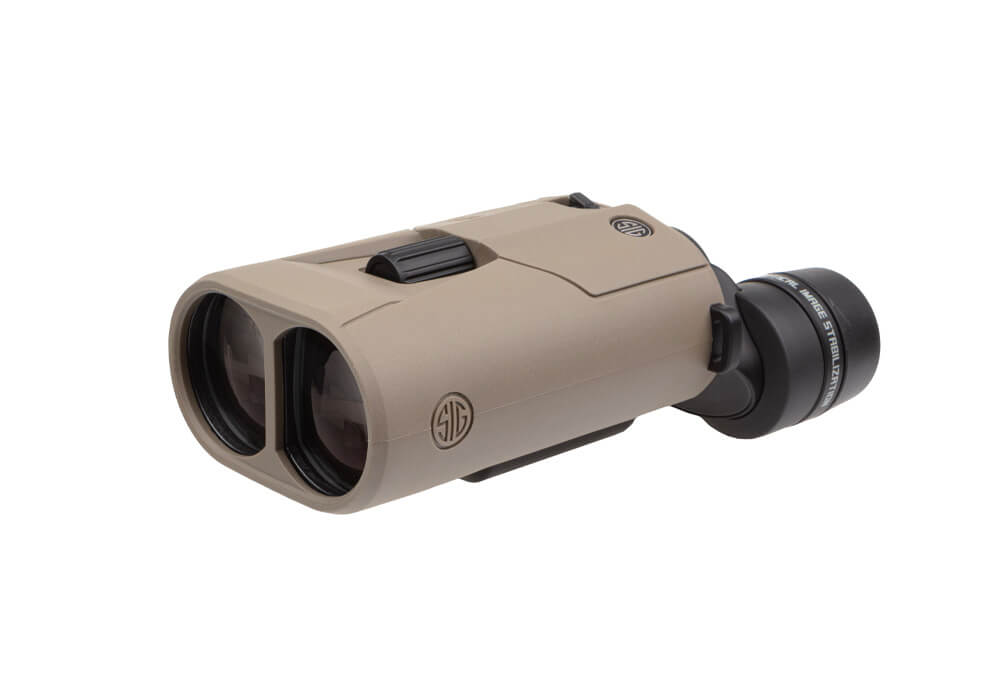
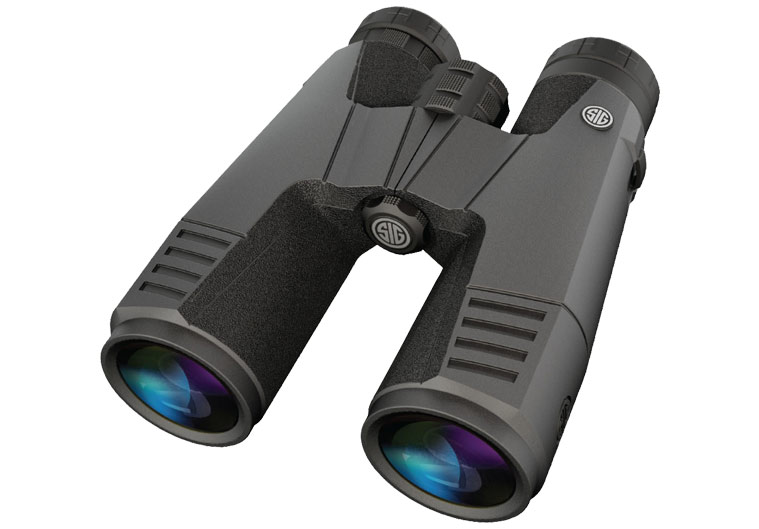
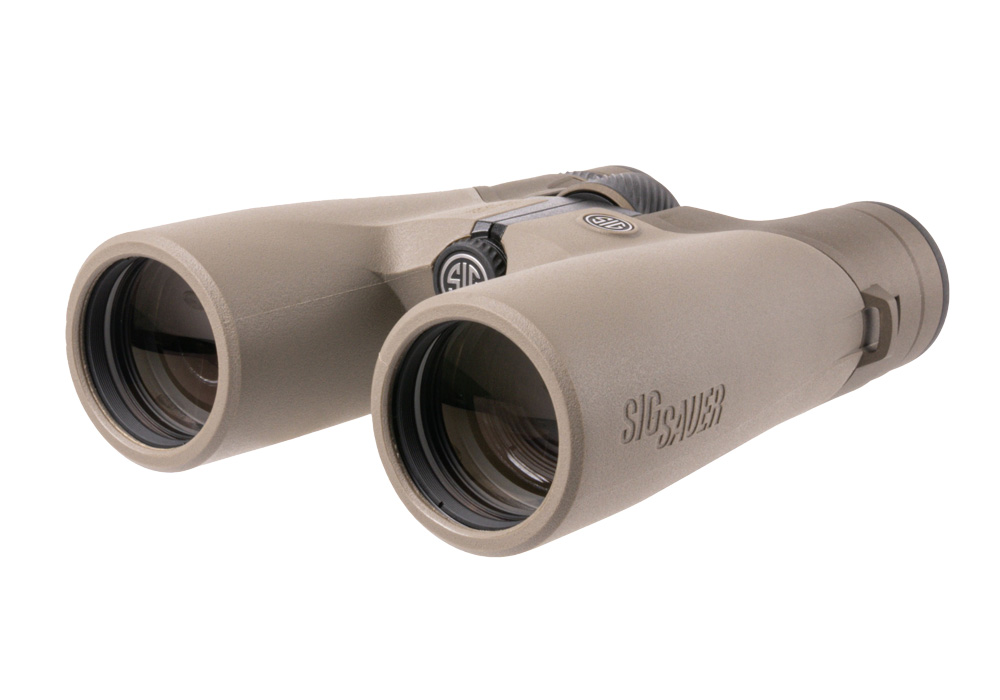
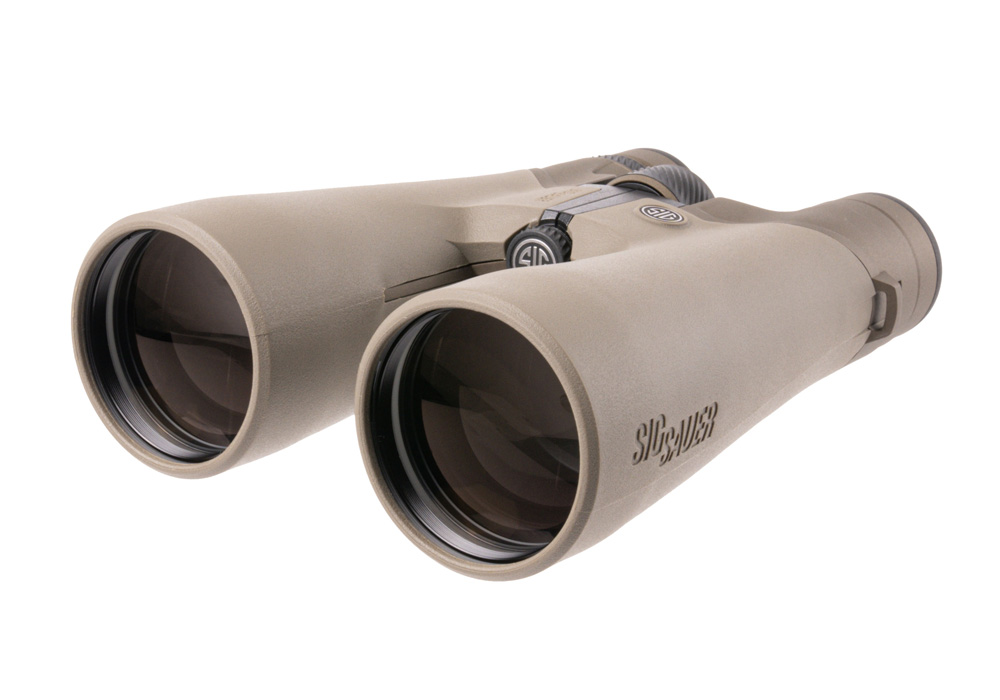
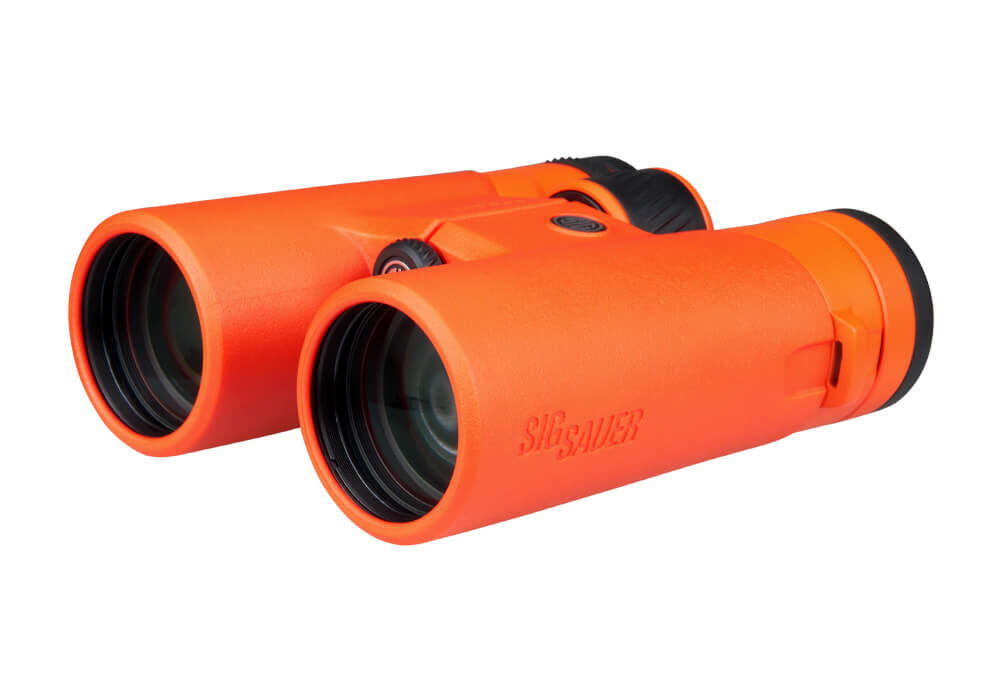
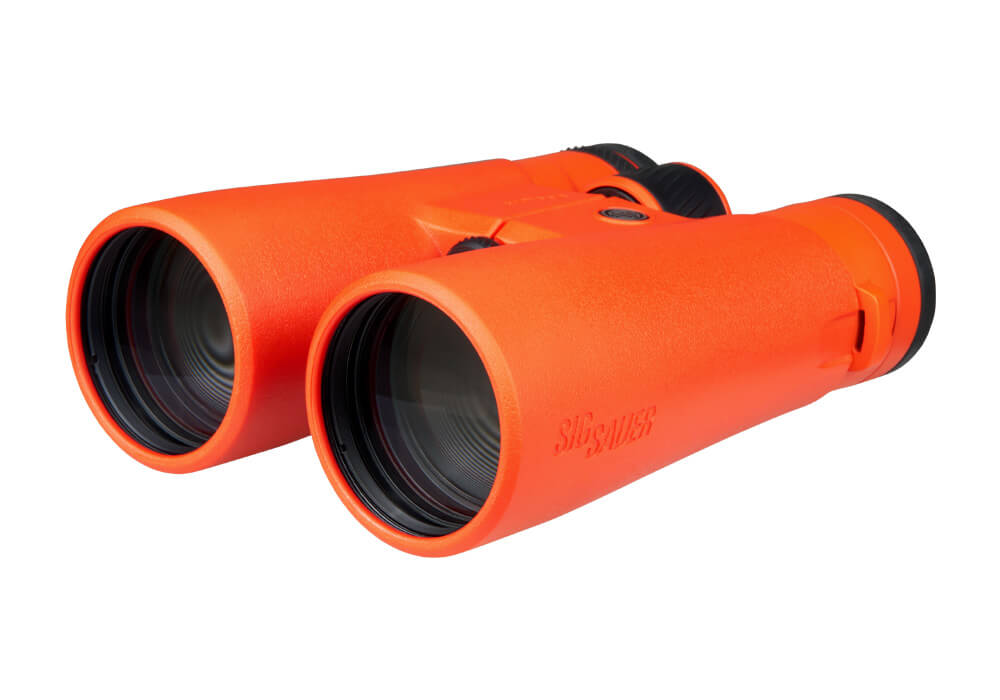
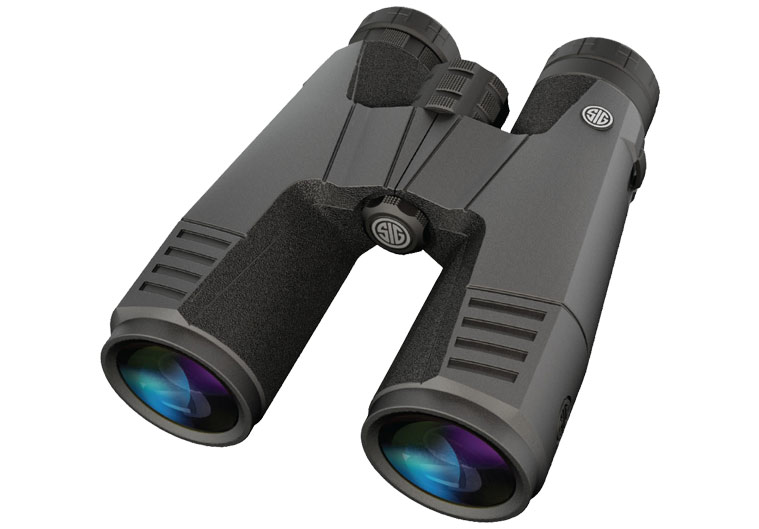
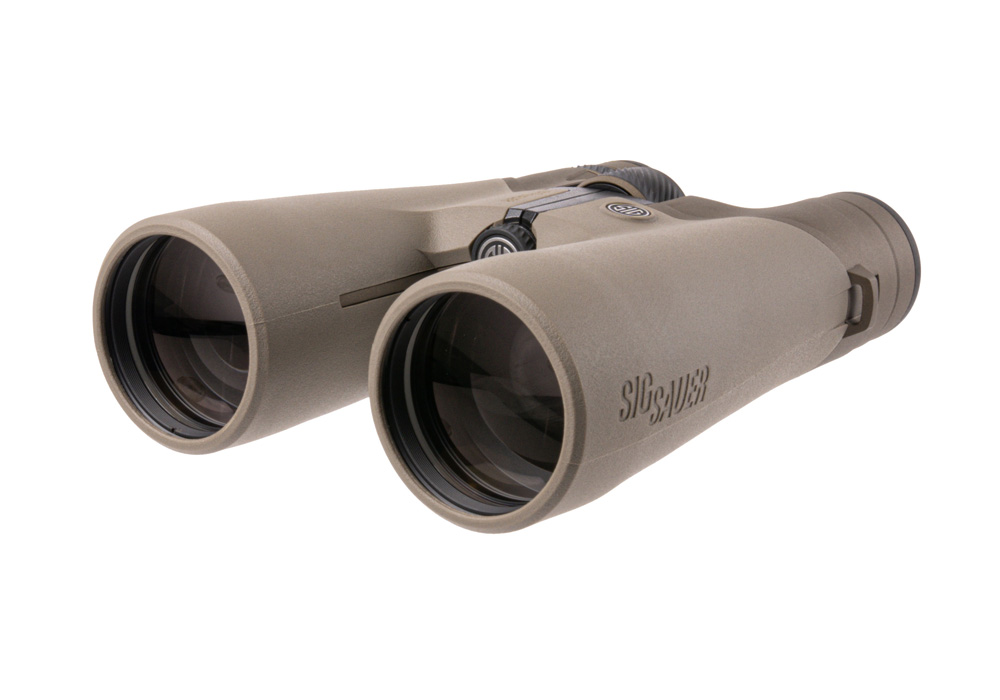
Binoculars for July 4th fireworks viewing can bring a greater sense of detail to an already memorable outdoor event. From a distant hillside, stadium seat, backyard gathering, or crowded waterfront, binoculars help reveal the shape and color of each burst without requiring viewers to move closer to the launch area. A broad bloom of red, gold, blue, or green can fill the view, while smaller sparks trail behind it and fade into the night. For most hand-held viewing, magnification between 7x and 10x offers a useful balance of reach, steadiness, and field of view. Lower magnification can make it easier to follow fast-moving fireworks and share the view with children, while 10x brings more apparent detail to shows viewed from farther away. Magnification above 12x may make the image noticeably harder to hold steady, especially during a long show, so a tripod-compatible design or another stable support can be helpful when choosing a more powerful option. A wide field of view is equally important because fireworks move quickly and expand in an instant; a generous viewing area makes it easier to locate a burst, keep it centered, and see the surrounding trails without constantly repositioning the binoculars. For anyone comparing options, the specifications that matter most for an evening event include magnification, objective lens size, field of view, focusing range, weight, and weather resistance. These details affect not only how much can be seen, but also how comfortable the binoculars are when the crowd settles in and the show continues for several minutes.
Lens performance becomes especially noticeable after sunset. Fully multi-coated optics can improve light transmission, reduce distracting reflections, and help preserve contrast against a dark sky filled with bright flashes. Fireworks are intense points of light, so good coatings can make colors appear cleaner and help limit glare around each burst. Larger objective lenses, such as 50mm options, gather more available light and may produce a brighter image during the darker intervals between explosions. They can be a strong choice for viewers who want maximum brightness or who plan to use the binoculars for additional nighttime observation, though the larger housing may add weight and bulk. More compact binoculars are easier to carry through a gate, place in a small bag, or pass around a family group, and their lighter weight can make them more comfortable for younger viewers and extended use. Waterproof or water-resistant construction is worth considering for outdoor events, where dew, a brief shower, damp grass, or condensation can appear without warning. Protective lens caps, a secure neck strap, and a textured exterior also add practical value when moving through a crowd or setting up near a picnic table. Focus controls should turn smoothly and be easy to adjust in low light. Center focus is convenient for quickly shifting between distant bursts and nearby surroundings, while individual adjustments can help viewers fine-tune each eyepiece. Those who wear glasses should look for adjustable eyecups and comfortable eye relief, allowing the full image to remain visible without pressing the binoculars tightly against the lenses. A little preparation makes a noticeable difference: set the interpupillary distance before the show begins, focus on a distant object while there is still some daylight, and use both hands with elbows supported whenever possible. These simple steps can reduce eye strain and help maintain a steadier image as the evening unfolds.
A well-chosen pair of binoculars can be useful long after a 4th of July celebration, making this category appealing for families, outdoor enthusiasts, travelers, sports spectators, and anyone who enjoys looking closely at distant scenes. They can be a thoughtful gift for a first-time skywatcher, a parent planning an outdoor evening with children, or a friend who regularly attends concerts, air shows, parades, and sporting events. During the cooler months, the same binoculars may be used from a porch or open field to observe the moon, bright stars, migrating birds, or winter scenery, provided the user follows local conditions and keeps the optics protected from moisture and sudden temperature changes. Compact models are practical for day trips, road travel, hiking, and casual observation, while larger models may suit someone who values a brighter view and does not mind carrying additional weight. When selecting binoculars for a group, comfort and simplicity are often more valuable than the highest available magnification. A design that is easy to hold, quick to focus, and comfortable against the face is more likely to be used throughout an entire event. A padded case can protect the lenses between outings, and a shoulder strap or harness can keep the binoculars accessible without placing constant pressure on the neck. Shoppers looking for complementary outdoor equipment can also browse Shooting Gear for July 4th for additional options suited to holiday gatherings and range-ready activities. Whether the goal is to follow every sparkling trail across the sky, give children a closer look at a distant display, or keep a dependable optic available for future outdoor adventures, the best binoculars combine clear optics, manageable size, steady magnification, and comfortable handling.