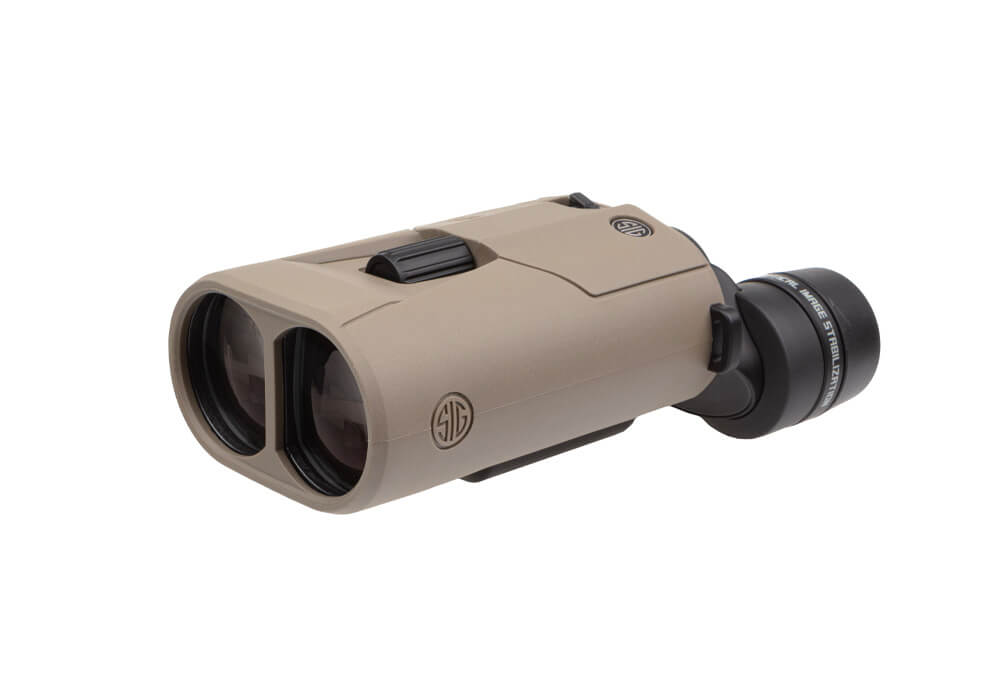
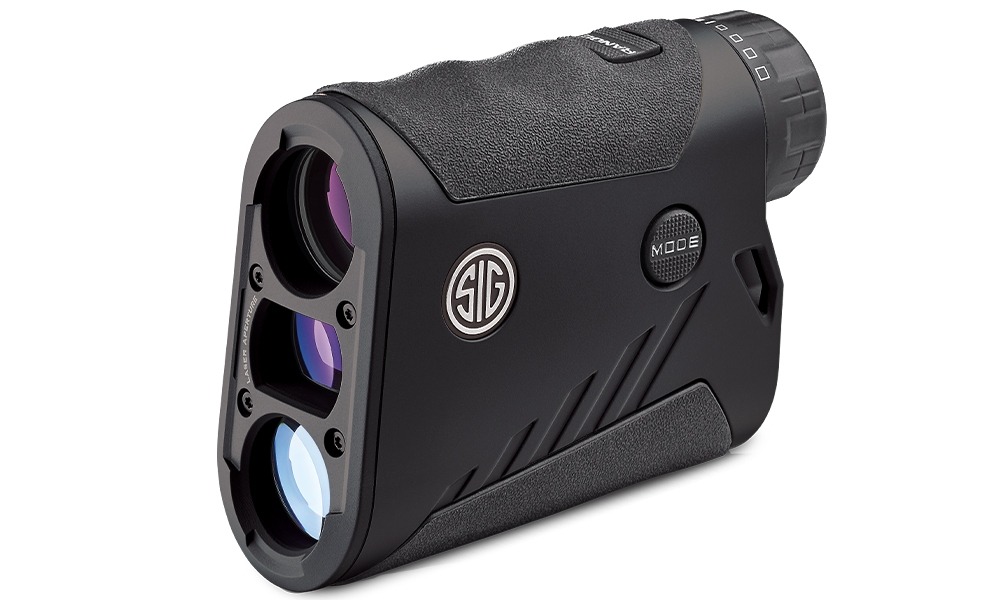
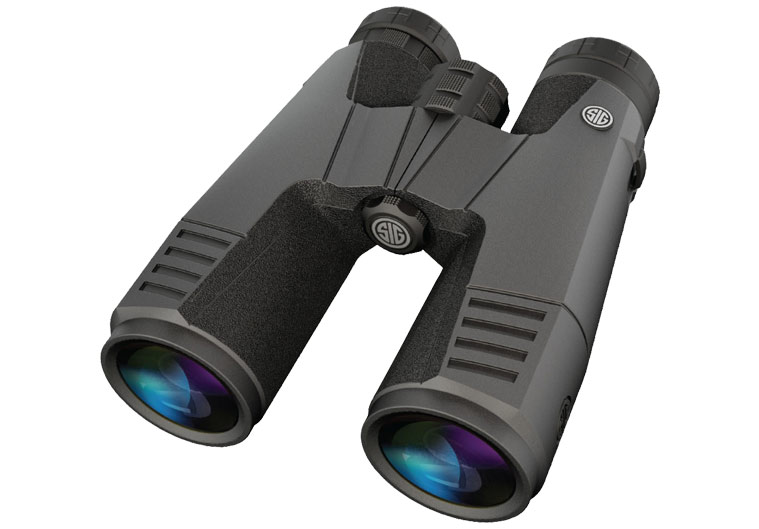
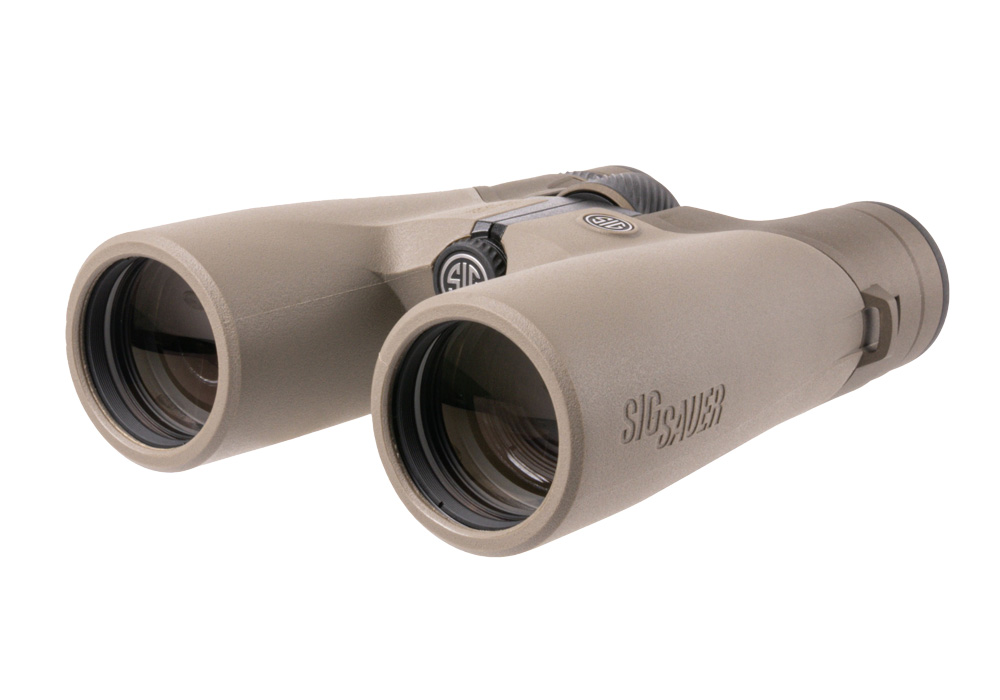
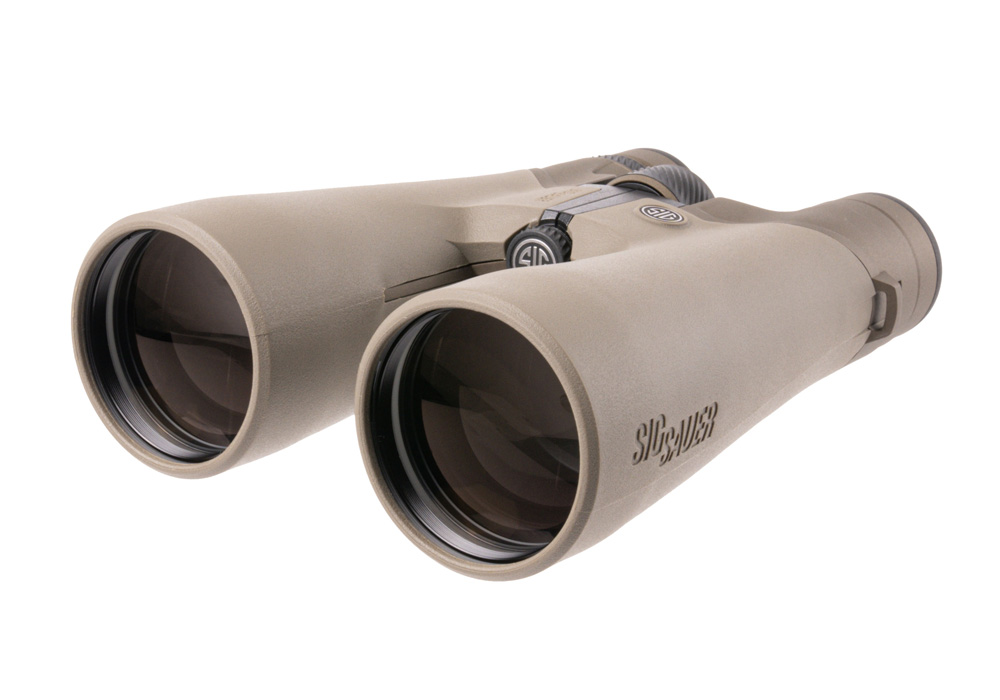
Binoculars for mountain ridge glassing are selected for the particular demands of open, uneven country, where a distant slope may hold the smallest visible sign of movement and changing light can alter the scene from one minute to the next. From a high vantage point, the best optic helps separate useful detail from a crowded background of timber, rock, brush, and shadow. A 10x42 configuration is a practical all-around choice for many hunters and outdoor observers because it combines useful magnification with a manageable size, a broad enough field of view for scanning, and an image that can often be held steadily without support. Larger objective lenses, such as 10x50 or 12x50, can gather more light and provide a brighter, more comfortable view during the first and last usable light, while 15x56 and similar configurations are intended for more deliberate, long-range observation across broad basins and opposing ridgelines. Increased magnification can reveal fine details at distance, but it also narrows the field of view and makes hand movement more noticeable. That tradeoff matters when comparing binoculars for mountain ridge glassing, especially for anyone who hikes substantial elevation and needs to balance optical performance against pack weight. A compact 8x configuration may also suit hunters who prioritize a wider view and quick target acquisition in broken terrain, while a 10x model remains a versatile midpoint for glassing from a ridge, locating an animal, checking a drainage, or watching a distant trail. Shoppers building a mountain-focused optics setup may also find useful supporting equipment and complementary viewing solutions within Mountain Hunting Optics, where the surrounding terrain and intended method of observation can help determine the right combination.
Optical clarity, light transmission, contrast, and edge-to-edge sharpness become especially important when glassing across a valley for hours. A sharp central image is useful for identifying form and movement, but good resolution across the view makes systematic scanning less tiring and helps preserve detail near the edge of the field. Fully multi-coated lenses, quality prisms, phase-corrected coatings, and well-designed baffling can contribute to a brighter, higher-contrast image in difficult conditions, while a neutral color rendition helps keep the view natural when comparing sunlit grass with shaded timber. Weather-sealed construction, a durable exterior, and comfortable focusing controls are equally relevant in mountain country, where dust, mist, cold air, and sudden precipitation are normal parts of a day outside. Eye relief deserves attention for anyone who wears glasses, and a smooth diopter adjustment can make a noticeable difference when multiple users share the optic. The physical dimensions should match the way the binoculars will be carried: a lighter 10x42 may be more comfortable around the neck during a long approach, while a larger 12x50 or 15x56 can earn its place in a pack when the plan involves extended glassing from a fixed overlook. Magnification above 10x generally benefits from a tripod adapter or other stable support. Even steady hands begin to fatigue after repeated scanning, and a supported view can make subtle details easier to resolve, from an ear flick beneath brush to a narrow line of antler against a shadowed slope. A tripod is not necessary for every setup, but it can transform a high-power binocular into a more useful long-range observation tool and allow the viewer to study terrain without constantly correcting for shake.
The way binoculars are used can be just as important as their specifications. From a ridge, position with the sun at the back or off to one side when practical, and favor illuminated slopes that offer stronger contrast instead of looking directly into glare. Begin with a broad scan to understand the terrain, then work through likely pockets in a consistent pattern, moving across the hillside as though reading a page rather than jumping randomly between interesting features. Short rests between passes help the eyes stay fresh, and a stable seated position, pack rest, or tripod can make extended glassing more comfortable during the cooler months. Hunters may use these binoculars to evaluate distant basins, locate animals before beginning a stalk, monitor a route, or confirm details without immediately committing to a long traverse. Wildlife watchers, photographers, guides, land stewards, and anyone who enjoys finding movement in expansive country can benefit from the same combination of reach and clarity. They can also make a thoughtful gift for a person who spends weekends hiking, scouting, birding, or exploring high-country trails, particularly when the optic matches the recipient’s usual distance, carrying habits, and tolerance for weight. For early fall outings through the colder part of the season, consider how gloves affect focus control, whether the housing is easy to handle with chilled hands, and how the binoculars will be protected when moving between a vehicle, a glassing point, and a sheltered pack. The right pair should invite frequent use: easy to carry, comfortable to hold, dependable in changing weather, and capable of turning a distant, indistinct slope into a detailed part of the landscape.