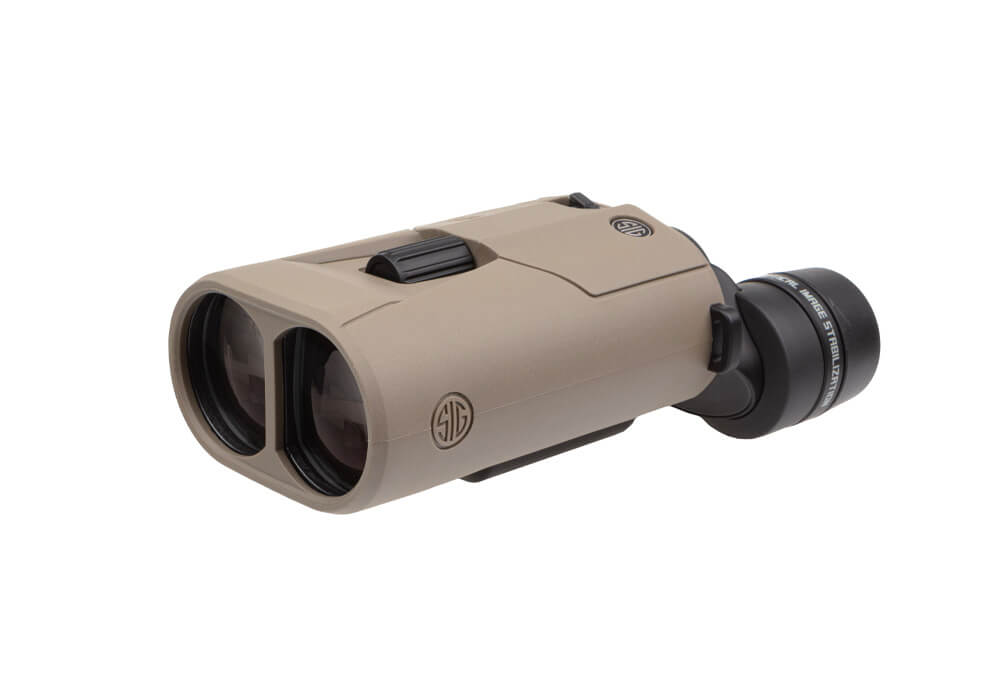
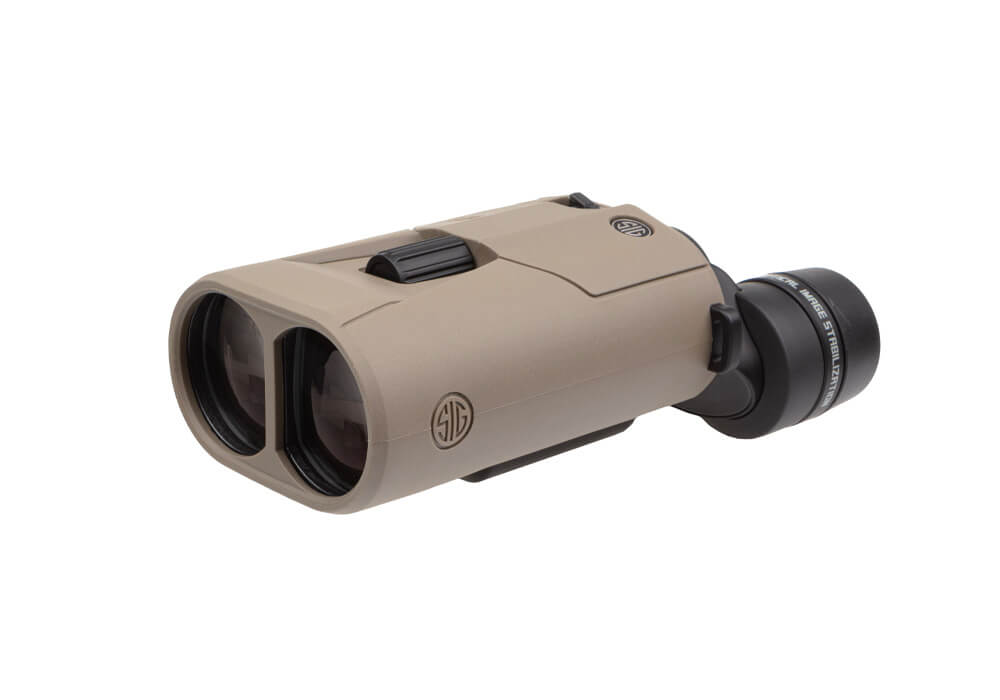
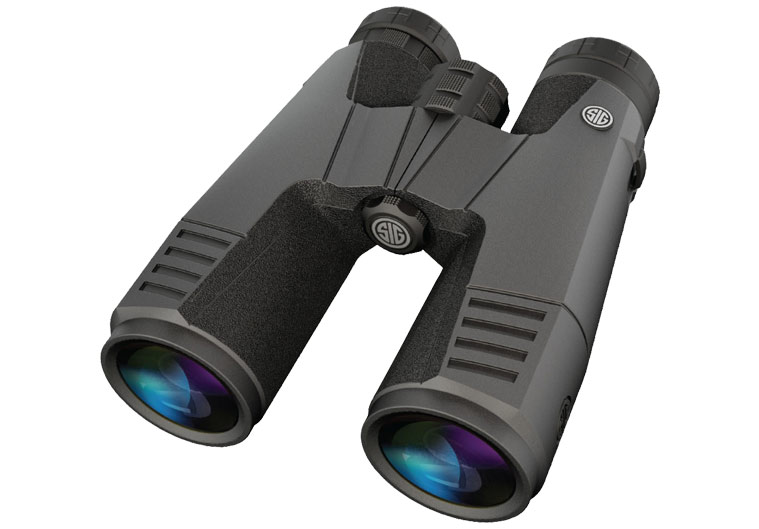
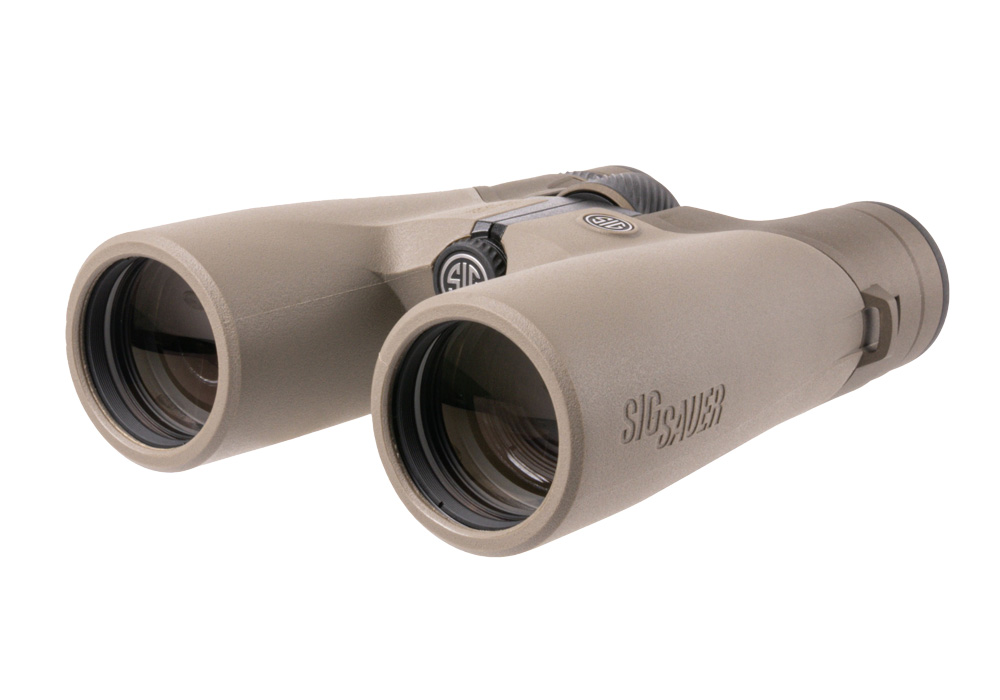
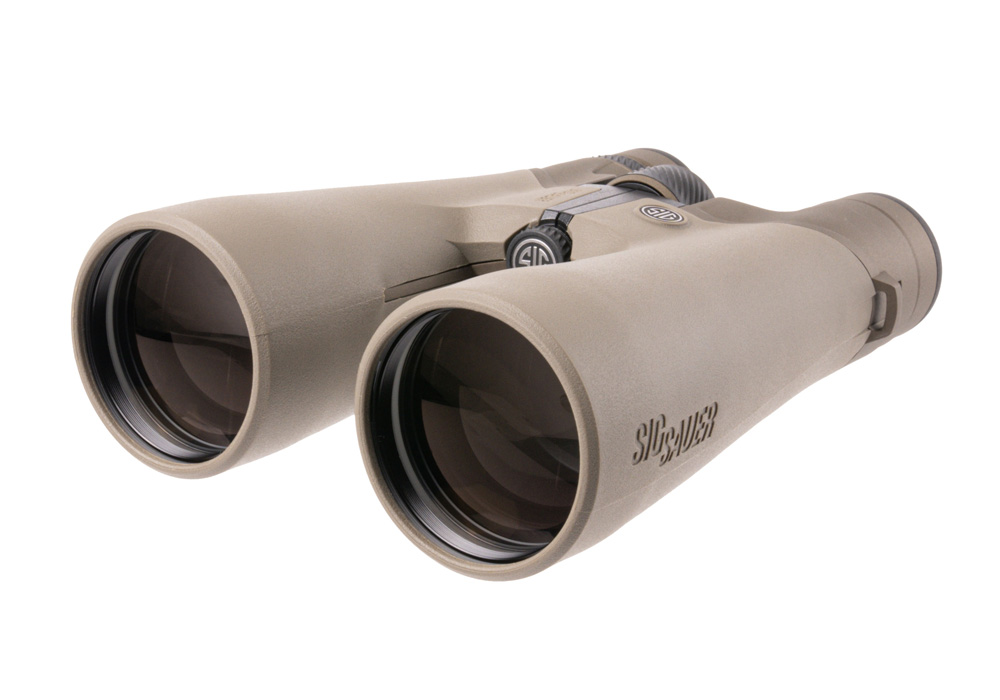
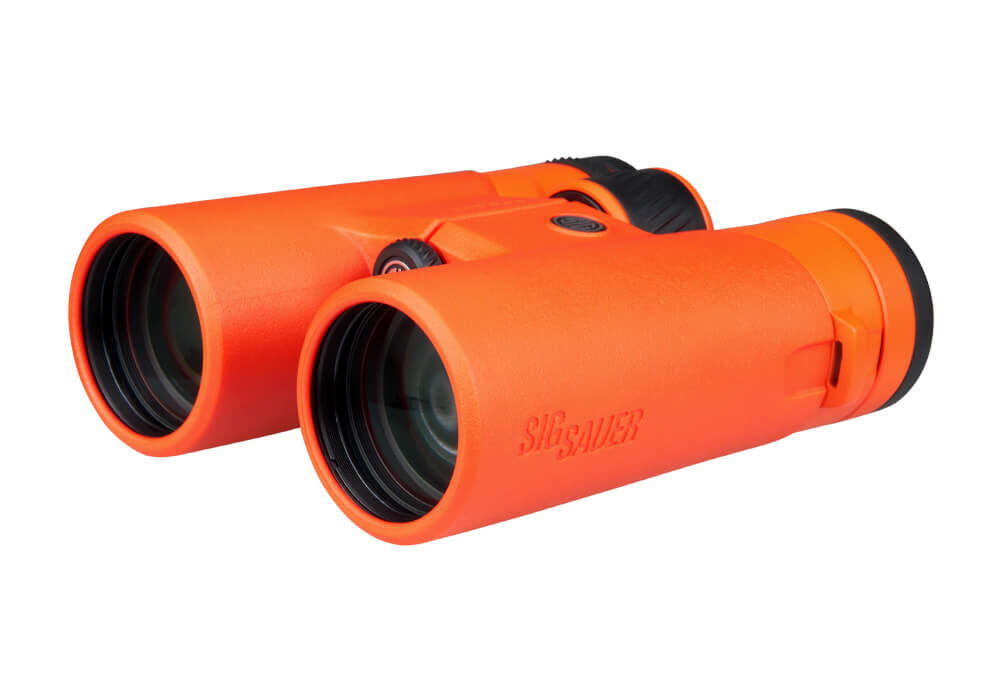
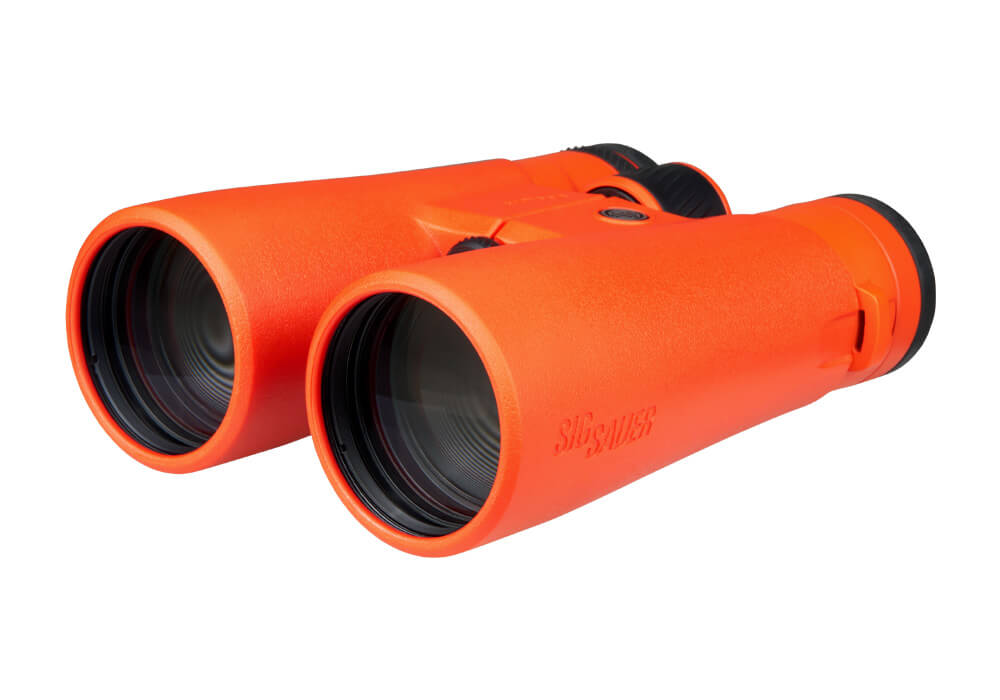
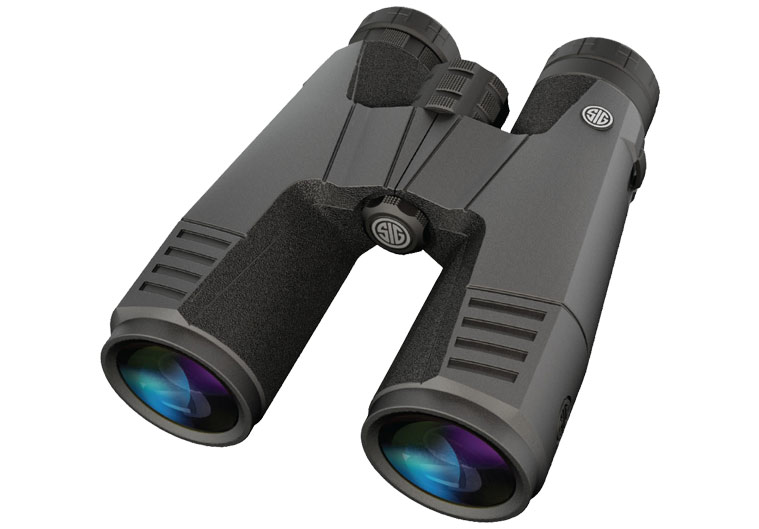
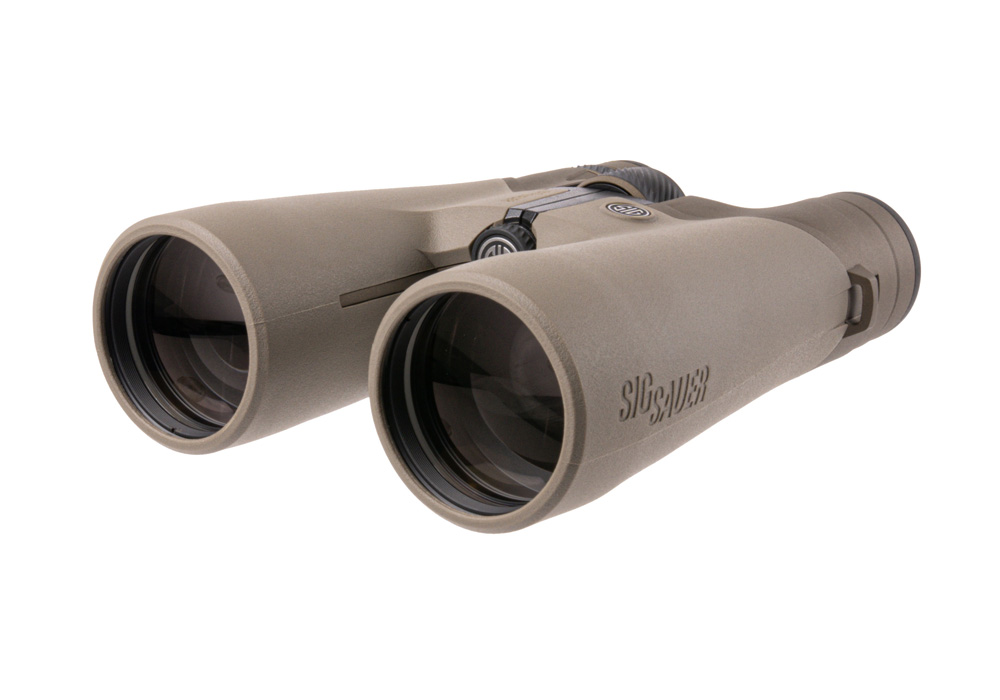
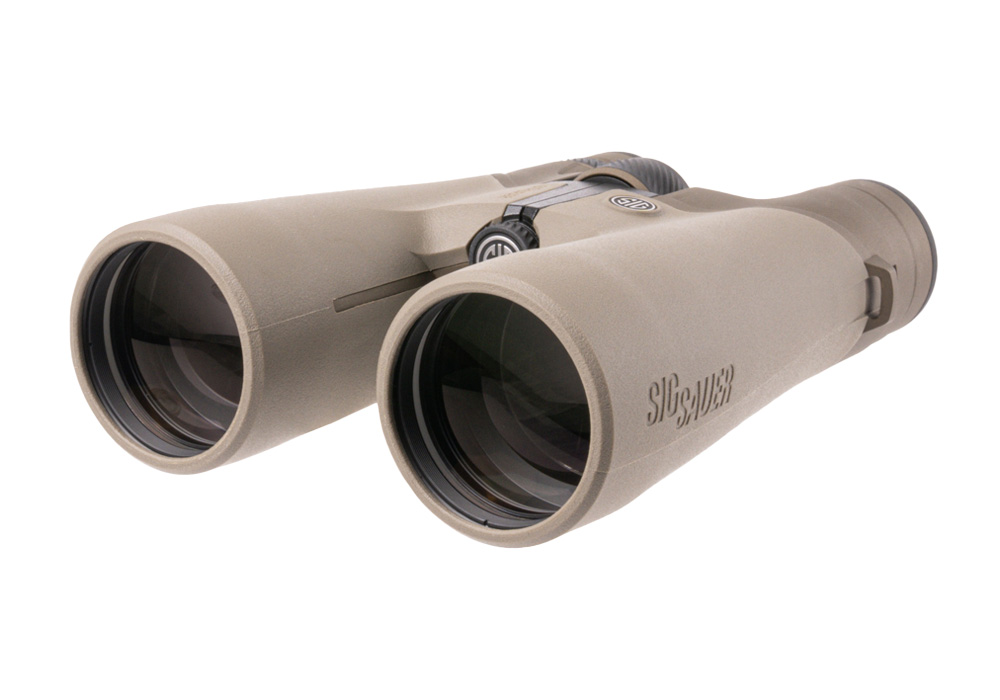
Binoculars with large objective lenses are designed for viewers who want to make the most of available light. The objective lenses are the larger lenses at the front of the binoculars, and models with openings greater than 50mm can gather noticeably more light than compact or standard-size binoculars. That extra light can produce a brighter, more comfortable view during the first and last hours of the day, under heavy cloud cover, or while observing the night sky. Wildlife watchers may appreciate the difference when a deer steps from a shadowed tree line at dawn, while hunters can use the added brightness to study terrain and movement during legal low-light periods. Large objective lenses are also popular for astronomy, where brighter views can help reveal the moon’s surface, star clusters, and other deep-sky details. They are useful for more than distant viewing, too. A person watching a shoreline, scanning a broad valley, or observing birds across an open field may find that the combination of light-gathering ability and magnification makes it easier to identify details without immediately reaching for a spotting scope. These binoculars can make a thoughtful gift for an outdoorsman, stargazer, wildlife enthusiast, or anyone who enjoys spending quiet hours looking beyond the immediate foreground. They also suit family use at a cabin, range, or campsite, provided everyone understands that larger optics are typically less convenient to carry than compact binoculars. During the cooler months, when the sun sits lower and daylight fades earlier, that added light transmission can be particularly valuable. The best choice depends on the intended use, the amount of equipment a person is comfortable carrying, and whether the binoculars will be used primarily from a fixed position or while moving through the field.
Objective size should be considered alongside magnification, optical quality, field of view, and overall dimensions. A larger front lens does not automatically make every view better; it adds weight and bulk, and the binoculars must be comfortable to hold and position. Magnification above roughly 10x can make hand shake increasingly noticeable, especially when combined with heavy large-objective optics. At 12x and beyond, even a steady observer may see the image tremble, making fine details harder to follow. A tripod adapter and stable tripod can transform the experience by keeping the view still, particularly for astronomy, long-distance observation, or extended glassing sessions from a blind or overlook. A sturdy support is often more useful than simply choosing the highest magnification available. For handheld viewing, a moderate magnification with large objective lenses may provide a better balance of brightness, steadiness, and field of view. Buyers should also pay attention to optical coatings, glass quality, focus controls, eye relief, and the binoculars’ ability to maintain a sharp image from edge to edge. Long eye relief can be important for those who wear glasses, while a broad field of view helps track moving wildlife or scan a ridgeline without repeatedly repositioning the binoculars. Weather-resistant construction is another practical consideration. Sealed housing and fog-resistant interiors can help protect the optics when conditions shift from a cool vehicle to warmer outdoor air, or when mist, light rain, snow, or morning condensation is present. No binocular should be treated as indestructible, but durable materials, secure lens covers, and a comfortable harness or carrying case can make large optics easier to live with. Anyone comparing this category with Long Range Binoculars should consider both the distance they typically observe and the way they plan to support the optics. A model intended for long sessions from a stationary position may justify more size, magnification, and tripod use, while a hunter or hiker moving between glassing points may prefer a more manageable setup.
The right way to use binoculars with large objective lenses often becomes clear in the field. Picture a hunter settling into a shaded overlook before sunrise: the binoculars rest on a tripod, the focus is adjusted slowly, and the brighter image helps separate branches, grass, and distant movement as the landscape gradually takes shape. An astronomy enthusiast may use a similar setup from a backyard or campsite, allowing the binoculars to remain steady while scanning the moon or tracing a familiar constellation. For wildlife viewing, the most rewarding approach is usually patient and deliberate. Begin with a wide scan to locate movement, then refine focus and observe without rushing. A generous field of view can make it easier to reacquire an animal after lowering the binoculars, while a smooth center focus and adjustable diopter help each user achieve a clear image. When sharing binoculars as a gift, it is worth including practical accessories such as a tripod adapter, padded case, lens-cleaning supplies, or a comfortable neck strap, depending on how the recipient plans to use them. A tripod is especially helpful for older users, young observers, and anyone who expects to spend several minutes studying distant scenery at a time. Storage matters as well: keep the binoculars capped when not in use, avoid touching the objective lenses, and use proper optical cleaning materials instead of household glass cleaner or a shirt sleeve. Large objective lenses reward careful handling because clean, well-aligned optics preserve the brightness and detail that make this category appealing. Whether they are used to watch wildlife near a field edge, inspect distant terrain, follow activity across a lake, or explore the night sky, these binoculars offer an immersive view for observers who value light-gathering performance and detailed distance viewing.