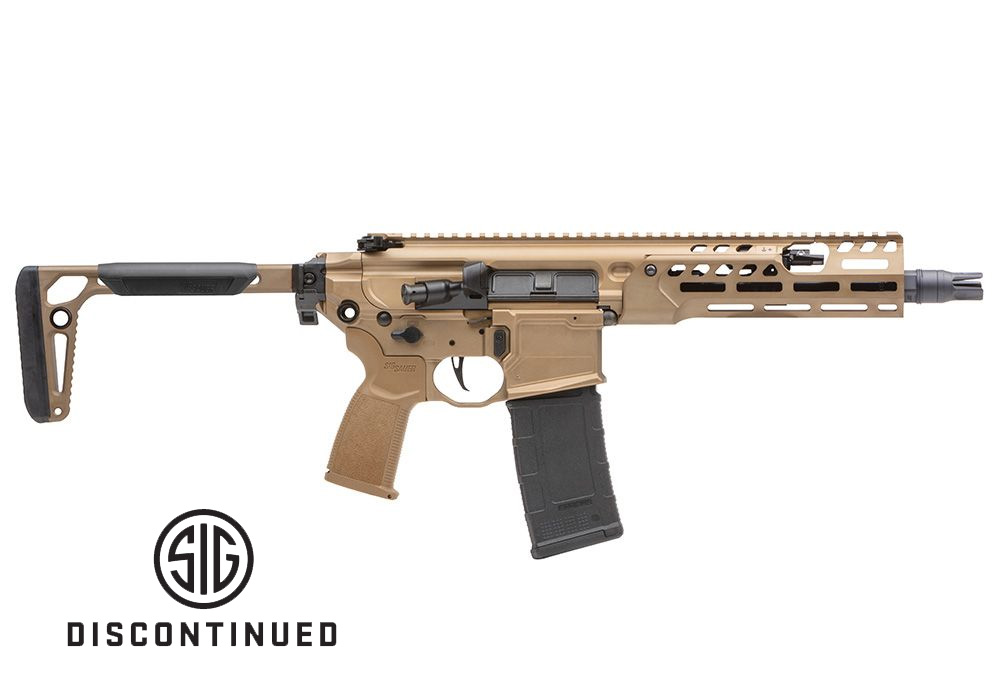
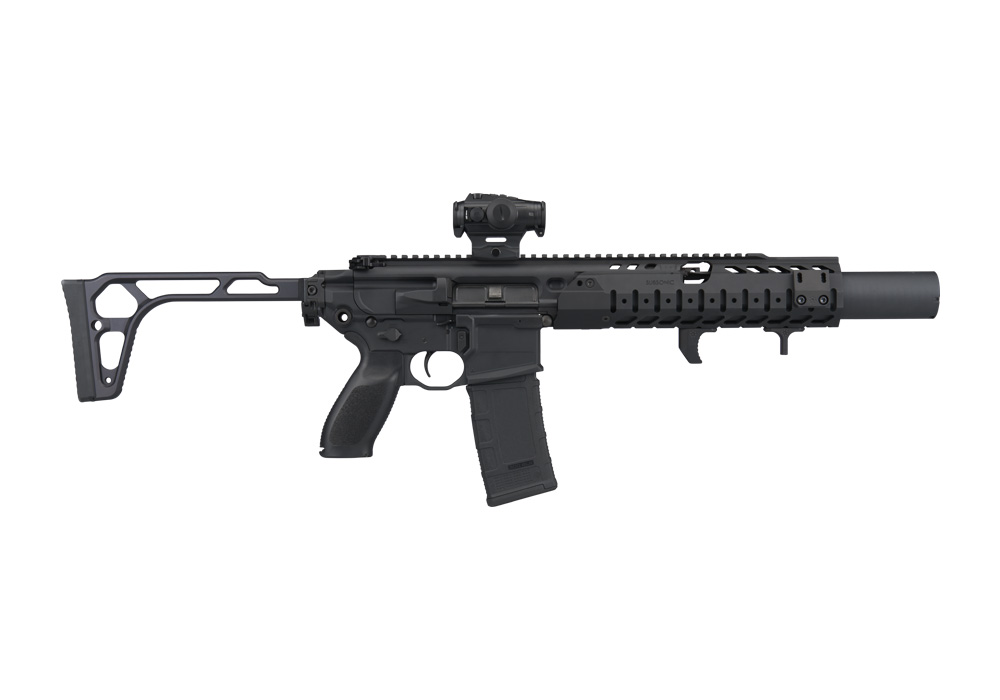
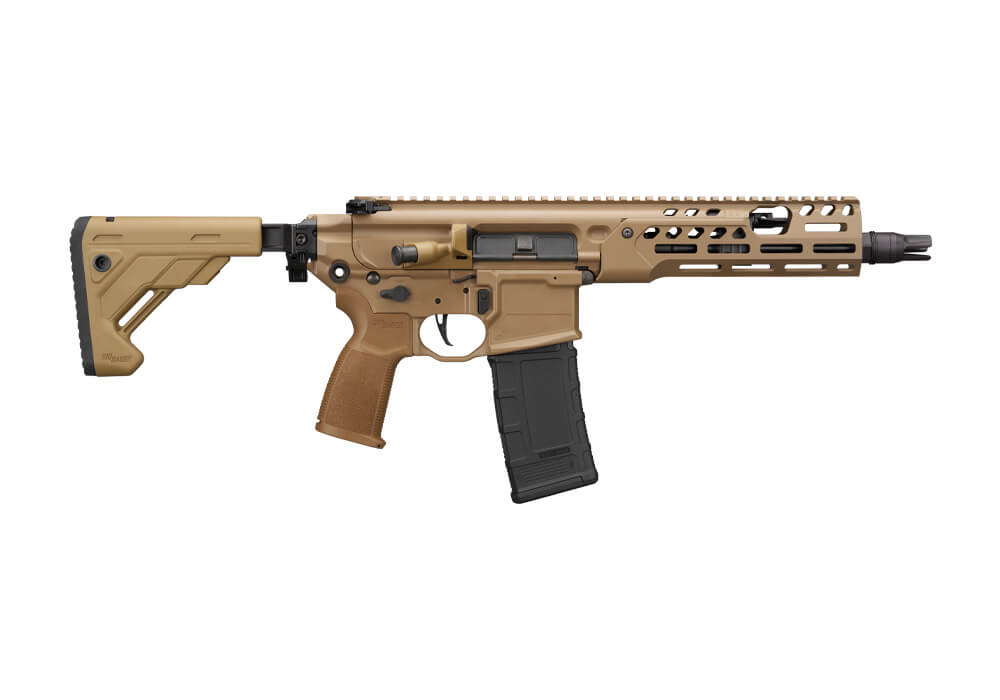
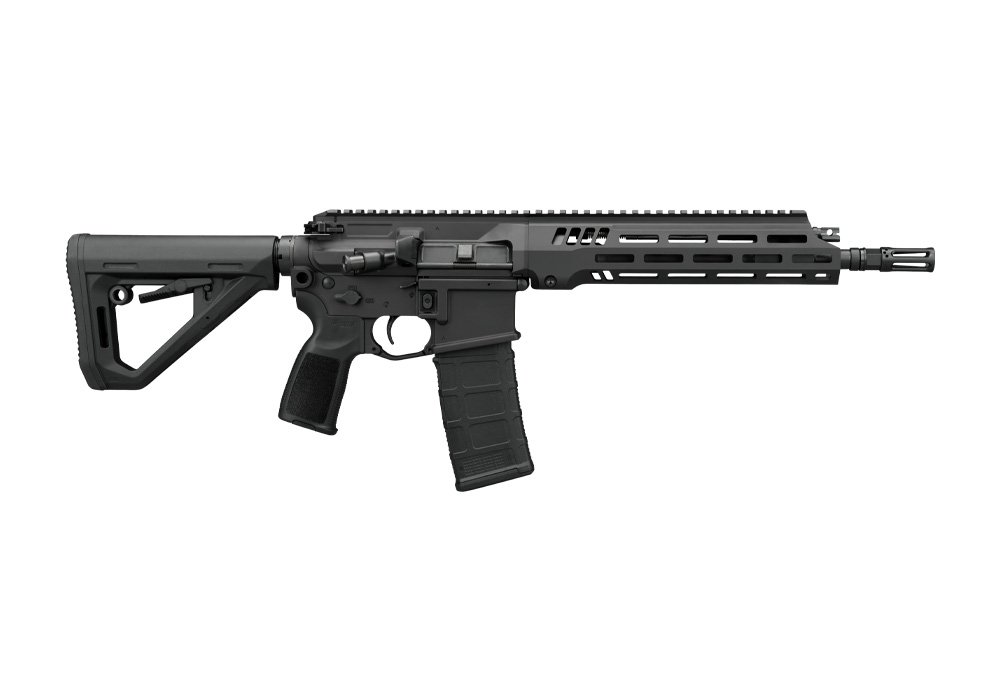
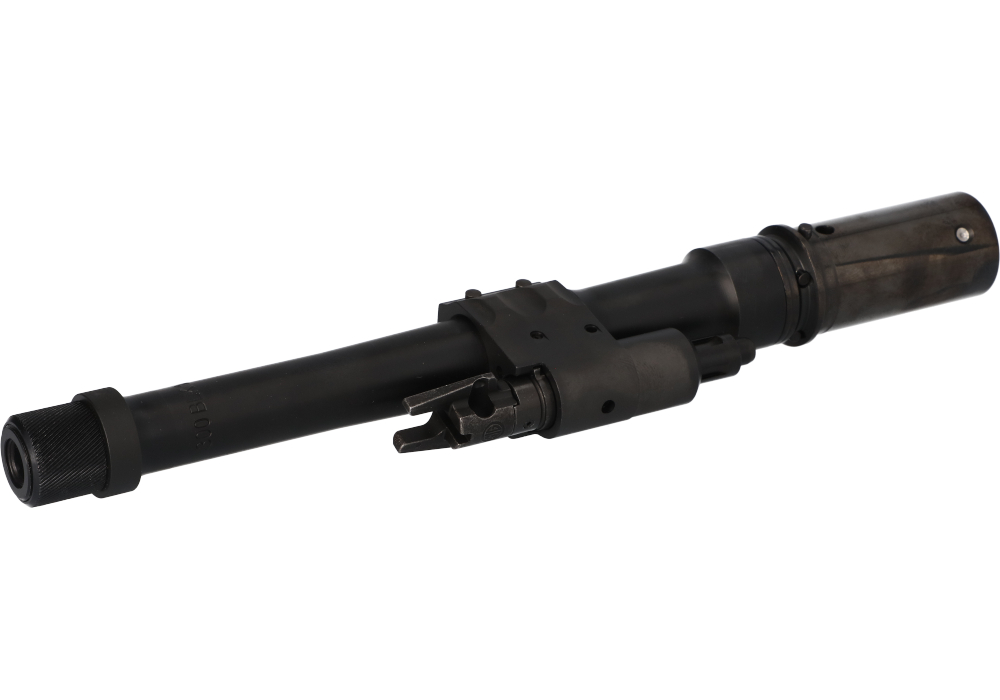
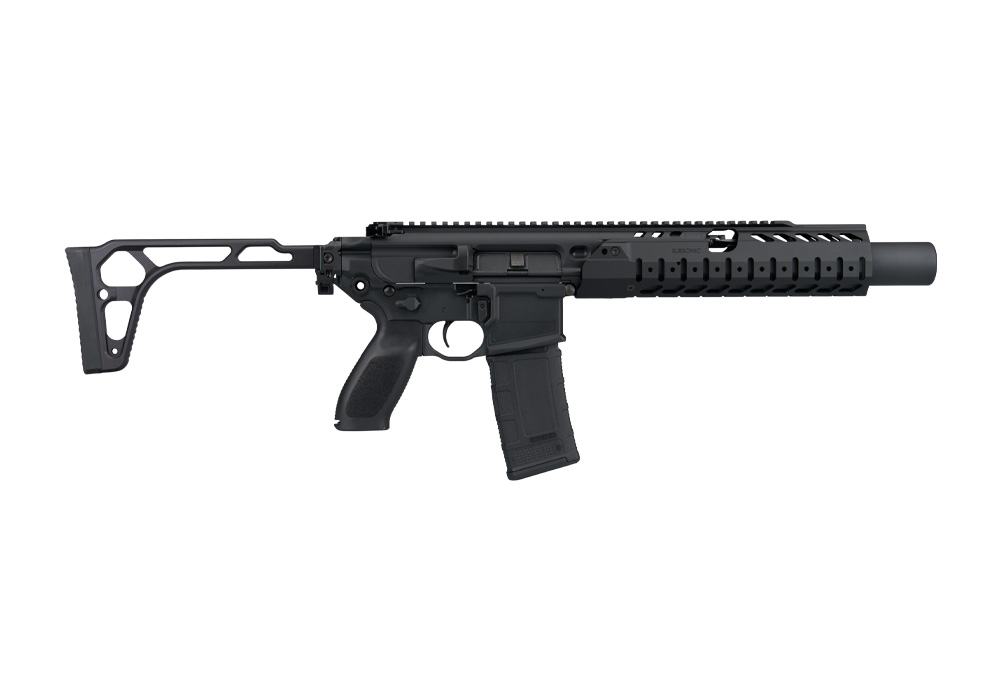
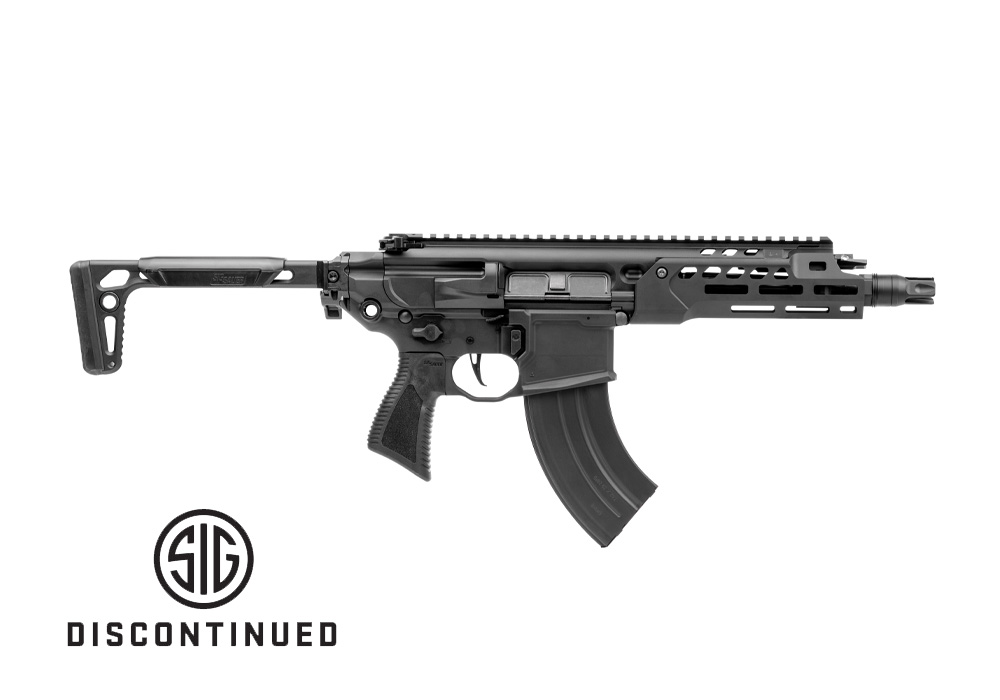
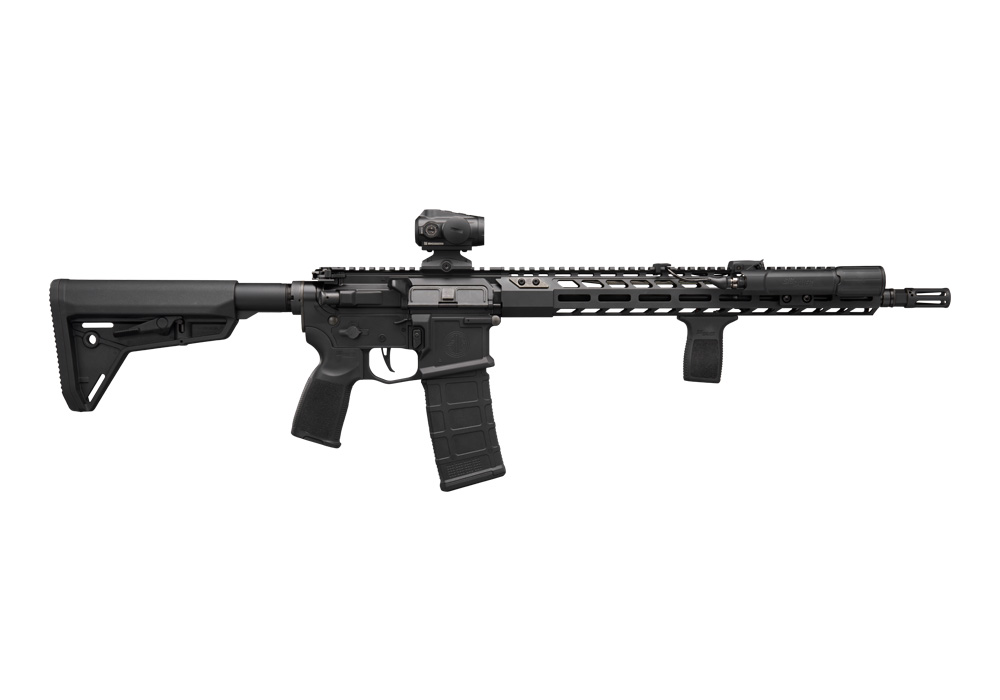
Black-finish .300 Blackout SBRs combine a compact rifle format with a cartridge closely associated with short-barrel platforms and suppressor-compatible configurations. SBR stands for short-barreled rifle; under federal law, the category includes rifles with barrels shorter than 16 inches and certain rifles with an overall length shorter than 26 inches. That classification carries legal requirements distinct from those for conventional rifles, so dimensions matter beyond appearance. The .300 Blackout cartridge, also commonly identified as .300 BLK, supports both subsonic and supersonic ammunition, giving the category a broader range of shooting characteristics than its compact silhouette might suggest. Subsonic ammunition travels below the speed of sound, while supersonic ammunition exceeds it; neither designation alone establishes accuracy, reliability, or suitability for a particular firearm. Those qualities depend on the firearm’s design, ammunition specifications, and manufacturer-supported configuration. Although .300 Blackout is well suited to short-barrel applications, there is no single barrel length that delivers the same results across every load and platform. Black finishes provide the visual consistency that defines this collection theme, bringing receivers, handguards, and other exterior components together in a restrained, cohesive appearance. Beneath that finish, materials often include aluminum structural components and steel barrels or operating components, with each material serving a different mechanical role. Hardcoat anodizing on aluminum and protective coatings on other surfaces can help resist corrosion and everyday wear, though their properties vary by treatment and application. A black surface is therefore an aesthetic characteristic, not proof that every component uses the same material or protective process. For an owner who prefers equipment with a straightforward appearance, these rifles offer a familiar dark profile without relying on decorative contrast. Their appeal extends to recreational range shooters, collectors interested in compact rifle designs, and experienced owners participating in structured instruction where the firearm is permitted. The strongest comparison starts with documented dimensions, construction, and operating features rather than assumptions based on color or category alone.
Fit and handling help distinguish black-finish .300 Blackout SBRs that may look similar in photographs. A compact barrel does not necessarily produce a lightweight rifle, and a short overall profile does not guarantee a comfortable fit for every shooter. Receiver construction, handguard dimensions, stock design, and attached accessories all influence how the rifle feels during an ordinary range session. An adjustable stock, where included, can accommodate different body proportions, while the shape of the grip and the placement of controls affect comfort and accessibility. A useful point of comparison is whether the rifle can be shouldered comfortably without an awkward head position or unnecessary strain. The handguard should also provide an appropriate gripping surface while keeping the support hand safely clear of the muzzle. These are practical considerations for supervised training and recreational shooting, not merely differences in styling. Someone who spends an afternoon working through a scheduled range session may value a comfortable grip and balanced feel more than a dramatic-looking exterior. Operating systems also vary within the category. Some rifles use piston operation, while others use direct impingement; each has its own maintenance characteristics, and neither description by itself guarantees cleaner operation or greater reliability. Suppressor use can affect sound levels, gas behavior, fouling, and the overall feel of a firearm, making documented compatibility important. A compatible suppressor can reduce the sound of a gunshot, but it does not render a rifle silent or eliminate the need for appropriate hearing protection. Subsonic ammunition avoids the supersonic crack, yet other sound sources remain. The same attention to compatibility applies to sighting equipment, mounting interfaces, magazines, and ammunition. Shared cartridge markings or a familiar silhouette should never substitute for the firearm’s specifications. For shoppers comparing configurations, clear information about dimensions, weight, controls, and supported accessories provides a more useful foundation than broad claims about compactness or suppressed performance. The intended setting matters as well: range rules, instructor requirements, and transportation restrictions can determine whether a particular configuration fits the owner’s plans.
Long-term ownership places as much emphasis on care and responsible storage as on appearance. A durable black finish can tolerate routine handling, but repeated contact with hard surfaces may still leave polished edges, scuffs, or visible wear around frequently used controls. Such marks do not automatically indicate a functional problem, just as an unmarked exterior does not establish that internal components are in good condition. Protective finishes supplement regular maintenance rather than replacing it. Cleaning products, lubricants, inspection intervals, and maintenance procedures should follow the owner’s manual, particularly where different metals, coatings, or nonmetallic components meet. Excessive or incompatible chemicals can affect surface treatments, while neglected residue and moisture can contribute to corrosion. A padded transport case can help protect the exterior during lawful travel, but it is not a substitute for secure storage that prevents unauthorized access. Owners of multiple rifle chamberings should also keep ammunition clearly identified and separated. .300 Blackout and 5.56 NATO ammunition are not interchangeable, and mixing cartridges can create a serious safety hazard. Confirming the chambering and using ammunition appropriate to the firearm remain essential responsibilities regardless of finish, barrel length, or operating system. Because an SBR is a regulated firearm, ownership, transfer, transportation, and possession require attention to applicable federal, state, and local law, including registration and approval requirements where relevant. A firearm intended as a gift also requires a lawful transfer to an eligible recipient; the recipient’s preferences and ability to meet those requirements matter more than presentation alone. For shoppers interested in another closely related appearance category, Military Style 300 Blackout SBRs offers a complementary way to compare the theme, while individual specifications remain the basis for evaluating any rifle. Across black-finish configurations, the meaningful differences are construction, fit, documented compatibility, maintenance needs, and lawful intended use. Those details help separate a rifle that simply looks appealing from one that fits an owner’s established shooting activities and responsibilities.