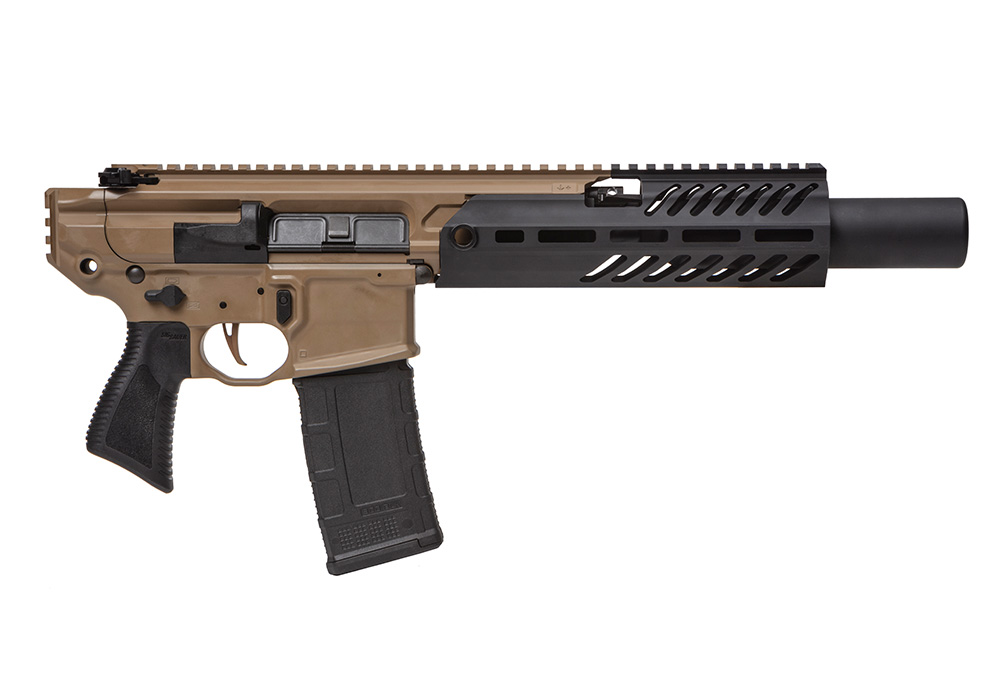
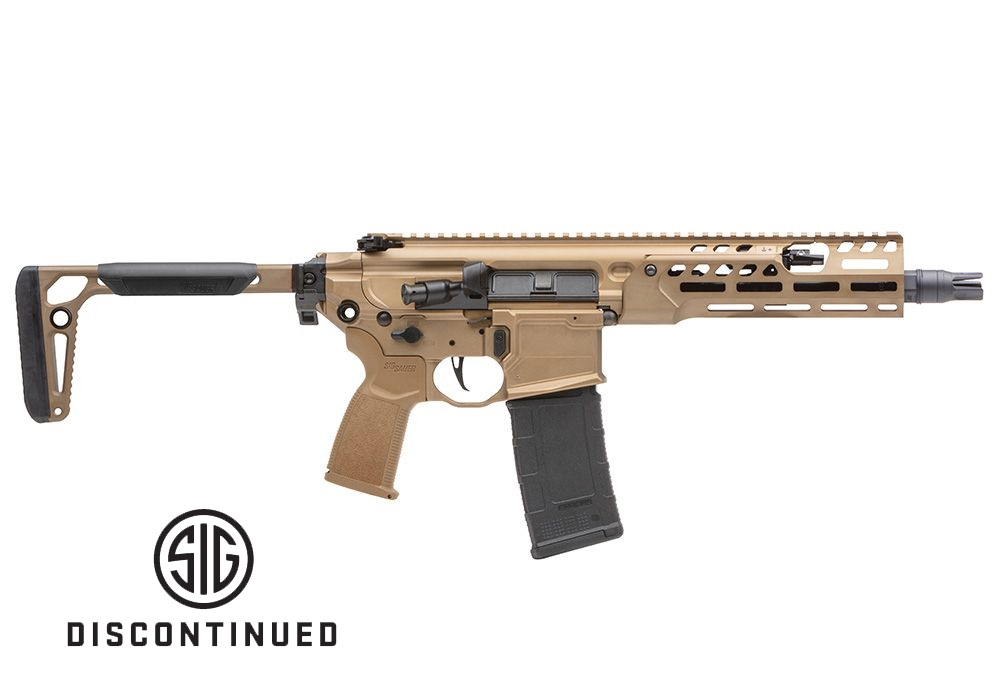
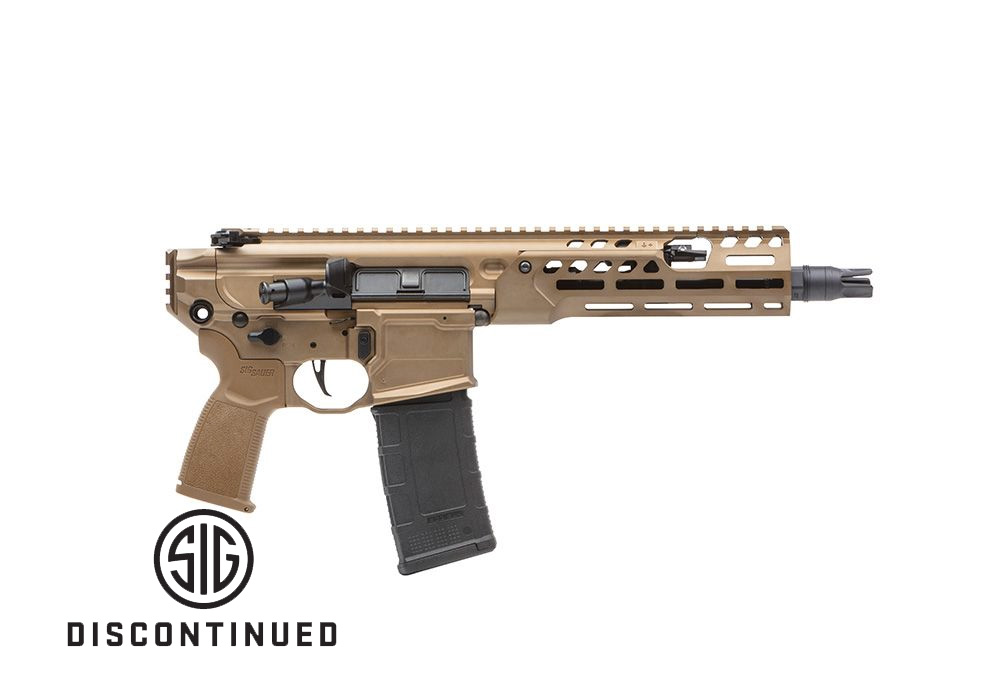
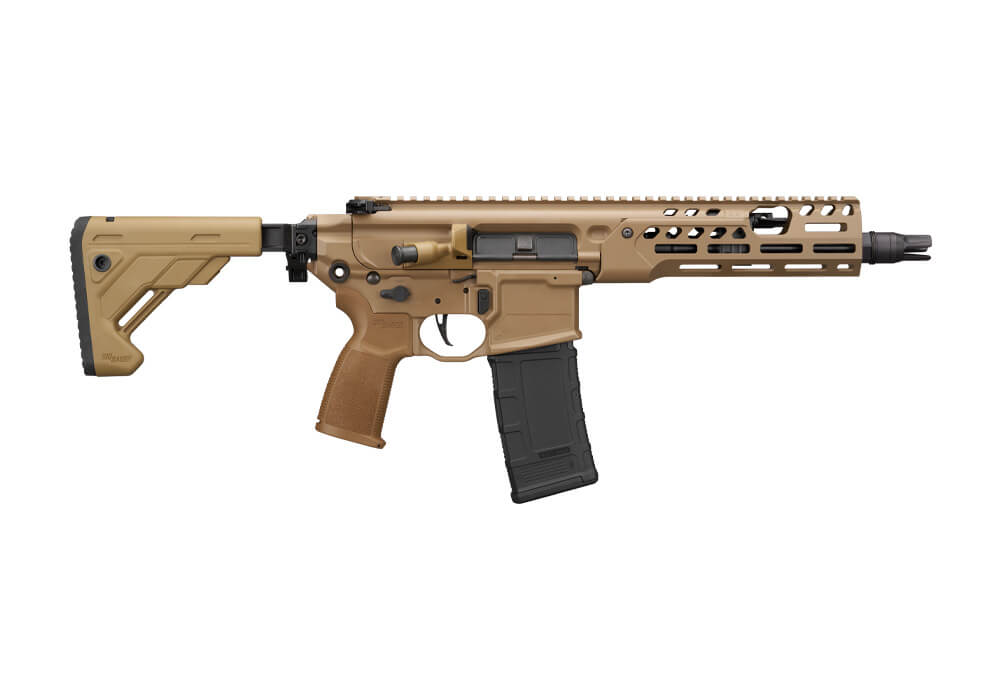
Military Style 300 Blackout SBRs bring a compact, purpose-built profile to the popular .300 AAC Blackout cartridge. Designed around short barrels commonly measuring from approximately 5.5 to 9 inches, these rifles are easy to maneuver in confined spaces, transport in a discreet case, and handle during training sessions where a shorter overall length is useful. Their appearance often includes a free-floating handguard, continuous top rail, adjustable or folding stock, ambidextrous controls, and a finish intended to reduce glare while complementing a practical field setup. While styling may draw inspiration from modern service rifles, these are civilian firearms that should be selected, configured, and used according to all applicable laws and with an emphasis on safe handling. The .300 Blackout chambering is especially well suited to a short platform because it was developed to deliver useful performance from compact barrels without requiring the longer barrel length traditionally associated with intermediate rifle cartridges. In a properly matched setup, much of the cartridge’s powder can burn within roughly 9 inches of barrel, helping preserve the advantages of a compact rifle. That makes these SBRs appealing to experienced shooters who want a maneuverable firearm for range work, professional training, lawful defensive applications, or a carefully planned collection. A shorter rifle can feel noticeably more natural when moving through a vehicle, working around a bench, or storing equipment during the cooler months, but compact dimensions should never replace familiarity, practice, or a deliberate safety routine.
One of the defining advantages of 300 Blackout SBRs is ammunition flexibility. Supersonic loads, often using lighter projectiles in the approximate 110- to 125-grain range, provide a familiar point of impact and a flatter trajectory for general range use and many practical applications. Subsonic loads, commonly using heavier projectiles around 200 to 220 grains, travel below the speed of sound and can be paired with a compatible suppressor to reduce the rifle’s report. A suppressor does not make a firearm silent, and hearing protection remains important, but the combination can make a properly configured rifle more comfortable to shoot and less disruptive at an appropriate range. Shooters should confirm that their barrel length, twist rate, gas system, ammunition, and suppressor are compatible before assembling a setup, and they should check zero whenever changing between significantly different loads. Some rifles are tuned specifically for suppressed or unsuppressed use, while others provide a gas adjustment system that allows the shooter to refine function for a particular configuration. Piston-driven and direct-impingement operating systems each have devoted followers, so the best choice often depends on maintenance preferences, existing training, and the intended optic, sling, and suppressor combination. Magazine identification also deserves attention: although 300 Blackout can use familiar magazine dimensions, it should never be mixed casually with 5.56 ammunition or stored in an unmarked magazine. Clear labels, separate storage, and a chamber check are simple habits that help prevent costly mistakes. For shoppers comparing a complete factory SBR with a longer-barreled firearm or a custom project, factory assembly can offer a straightforward path with matched components, while a build may allow more control over the stock, rail, trigger, optic, and suppressor interface. Either route benefits from careful consideration of ammunition availability, range rules, maintenance access, and the shooter’s ability to obtain quality instruction.
Before purchasing a Military Style 300 Blackout SBR, review the legal requirements that apply where you live and confirm the firearm’s classification, barrel length, and registration status. In the United States, a rifle with a barrel shorter than 16 inches generally falls under the federal short-barreled rifle rules, which can involve registration, approval, and an applicable tax; state and local regulations may impose additional restrictions. Suppressors are separately regulated in many jurisdictions, so a buyer planning a suppressed configuration should research both items before placing an order or transporting them. Requirements and processing procedures can change, making current guidance from the Bureau of Alcohol, Tobacco, Firearms and Explosives, local authorities, and a qualified firearms professional essential. Once the legal details are settled, compare the features that will matter every time the rifle is handled: stock position and cheek weld, control layout, rail space, sling attachment points, optic height, trigger feel, and the ease of cleaning the action. A compact red dot can preserve the rifle’s quick-handling character, while a low-power variable optic may be useful for shooters who want more precise aiming at distance; whichever optic is selected, a durable mount and a repeatable zero are important. A folding stock can make storage and transport more convenient, though the rifle must be used only in a configuration that remains lawful in its jurisdiction. These firearms may be purchased as a milestone gift for an experienced enthusiast, a training partner, or a collector who appreciates modern compact platforms, but gifting a regulated firearm requires special care. Confirm the recipient’s eligibility, follow all transfer procedures through the appropriate licensed dealer, and never assume that a friend or family member can receive an SBR without completing the required steps. For shoppers exploring related configurations, the Black Finish Tactical SBR Rifles collection can provide another point of comparison. A well-chosen 300 Blackout SBR should feel purposeful rather than overcomplicated: compact enough to carry comfortably, dependable with the ammunition it is intended to fire, and configured around safe, lawful, repeatable use.