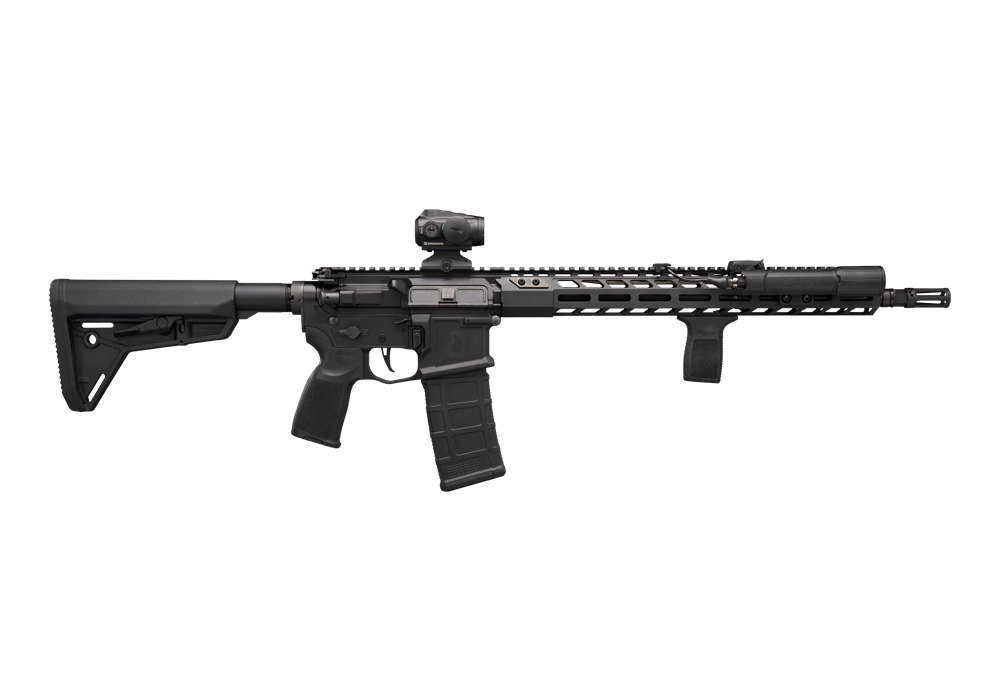
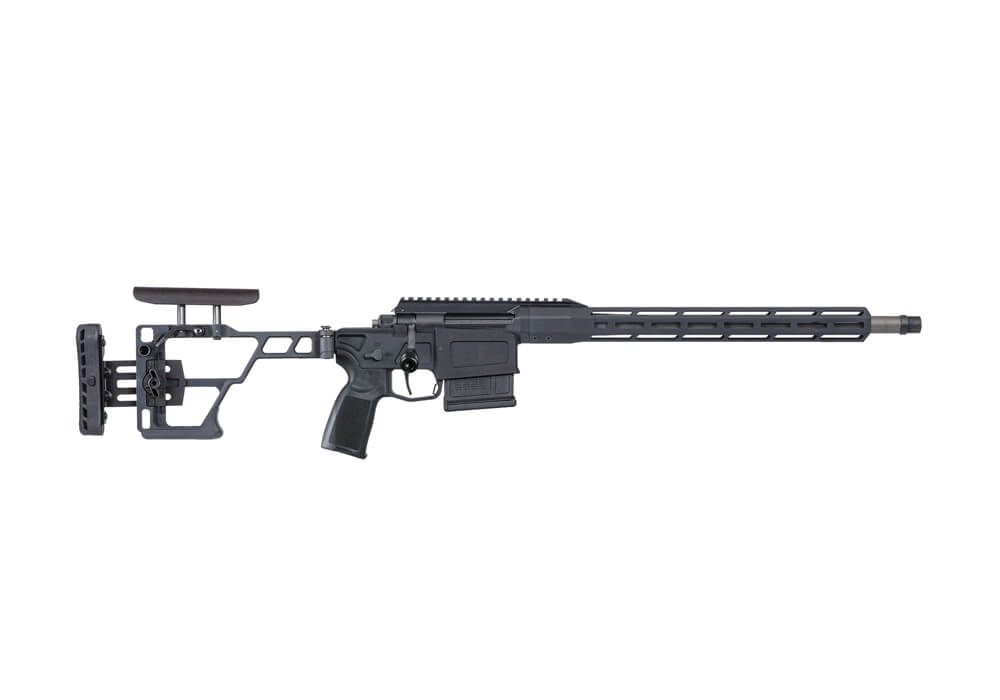
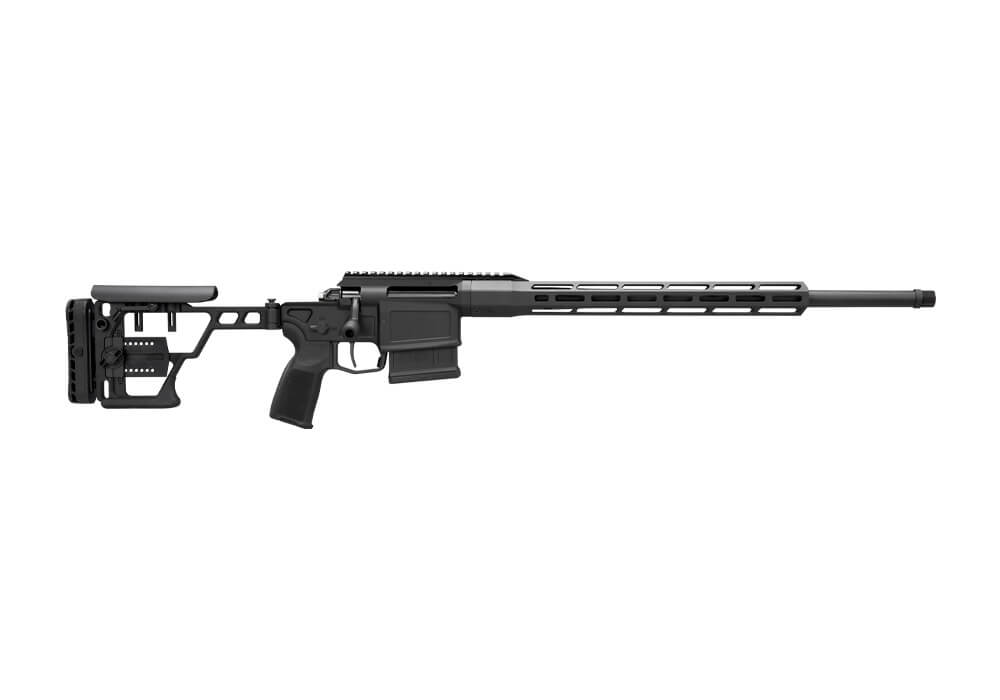
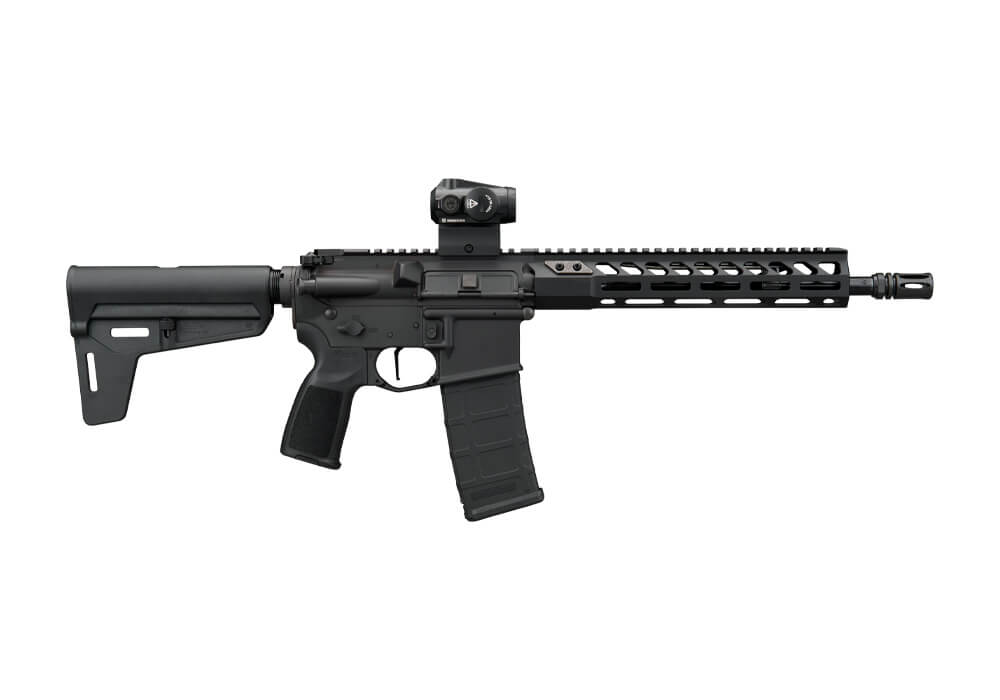
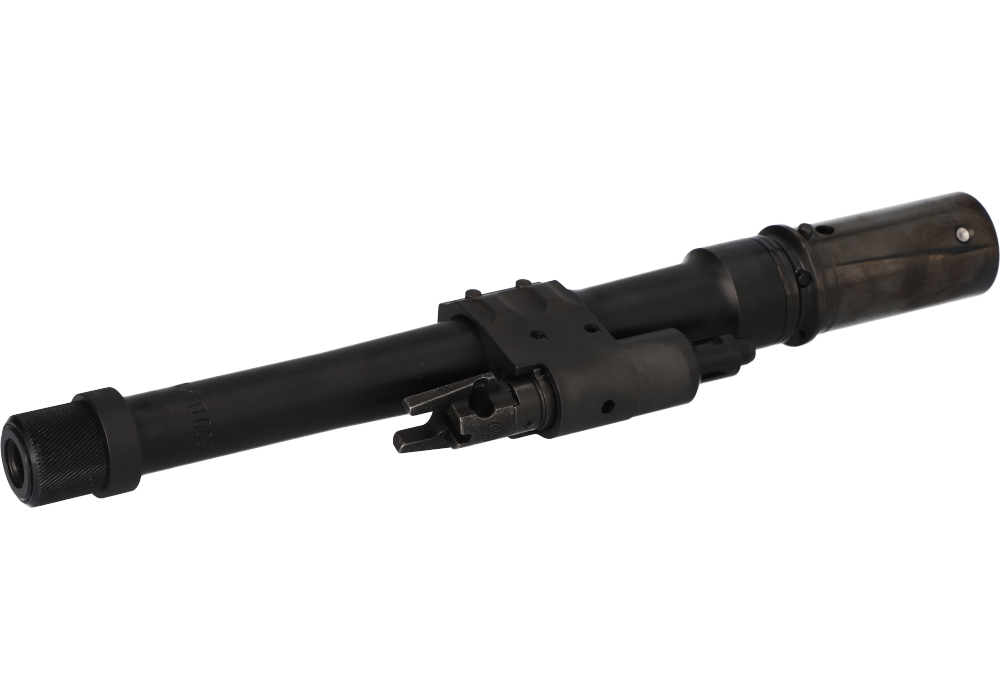
Black finish tactical SBR rifles combine a compact profile with the familiar controls, ergonomics, and modularity of a modern sporting rifle. “SBR” refers to a short-barreled rifle, generally a rifle with a barrel shorter than 16 inches or an overall length below the applicable federal threshold when configured with a shoulder stock. The shorter barrel can make the rifle easier to transport, handle around vehicles, and maneuver in confined areas, while a carefully selected stock, handguard, and optic help maintain a balanced feel. A black finish remains a popular choice for its understated appearance and practical versatility, pairing easily with black, gray, earth-tone, or camouflage accessories. Depending on the configuration, this category may include rifles chambered in 5.56 NATO, .300 Blackout, 9mm, or other available rifle and pistol-caliber options. A 5.56 NATO setup is often selected for its broad ammunition availability, familiar trajectory, and compatibility with common training and competition equipment. A .300 Blackout configuration may appeal to shooters who want a compact platform optimized around a range of bullet weights, including loads designed for use with a suppressor where legal and properly approved. Caliber selection should begin with the rifle’s intended role, the ammunition available in your area, and the type of practice you expect to do. Before comparing finishes or accessory packages, confirm that the chamber marking matches the ammunition you plan to use, then review the manufacturer’s recommendations for compatible loads, magazines, muzzle devices, and maintenance products. These rifles can serve experienced sportsmen, collectors, competitive shooters, and responsible owners who value a compact, versatile platform for lawful range use, training, or property protection where permitted by local law. They are not casual gifts, however. A firearm intended for another adult must be transferred in accordance with federal, state, and local requirements, and an SBR has additional rules that make a gift or private transfer more involved than purchasing ordinary outdoor equipment. A gift recipient should be able to meet all eligibility requirements, complete any required paperwork, and take possession only after the transfer is approved.
Because an SBR is regulated under the National Firearms Act, the purchase process requires more planning than a standard rifle purchase. Buyers should verify the current federal definition, state and municipal restrictions, and the transfer procedure with a qualified dealer or firearms attorney before placing an order. In a typical dealer transfer, the purchaser completes the applicable ATF Form 4, undergoes the required background check, and waits for approval before taking possession; an applicable tax must also be paid as part of the NFA process. Trust and entity transfers can involve different documentation, responsible-person requirements, and approval considerations, so every purchaser should use current ATF instructions and confirm details with the receiving dealer. Regulations can change, and state law may impose additional restrictions on barrel length, registration, transport, storage, magazine configuration, or ownership. An approved SBR should remain configured in a manner consistent with the approved application and applicable law, particularly when changing the stock, barrel, or overall length. Transport deserves the same attention. When traveling, use a locked case and follow the laws of every jurisdiction along the route; some states treat NFA firearms differently even when federal approval has been granted. Safe storage is equally important, especially in a home with children or visitors. A substantial locking container, a chamber check before storage, and a separate, secure location for ammunition can make responsible ownership part of the household routine rather than an afterthought. During the cooler months, a compact rifle can be convenient to carry to an indoor range or organized training session, but cold temperatures, condensation, dust, and long periods in a vehicle can affect equipment. Allow a chilled rifle to acclimate before opening a case in a warm room, inspect the bore and action for moisture, and follow the owner’s manual for lubrication intervals.
Configuration choices should support control, reliability, and the way the rifle will actually be used. Barrel length affects balance, velocity, blast, and ammunition performance; a shorter barrel can be easier to handle but may produce more muzzle flash and sound than a longer rifle. A dependable optic with an appropriate reticle can simplify aiming at the distances used on your range, while fixed or folding backup sights provide a second sighting option when installed and zeroed correctly. A quality sling helps keep the rifle secure during transport and movement, and a light may be useful for identifying a target in lawful defensive or training settings, subject to local regulations and safe handling practices. Select magazines in standard or extended capacity only where permitted, and test each magazine with the ammunition you intend to use. Suppressor compatibility also requires careful planning: the suppressor is a separately regulated item, may require its own approval, and can change the rifle’s balance, gas behavior, sound signature, and maintenance needs. Before relying on any new setup, spend time at a supervised range confirming zero, cycling, controls, and point of impact with the exact ammunition and accessories installed. A black finish may conceal ordinary handling marks, but it does not eliminate the need for inspection; check fasteners, optic mounts, muzzle devices, sling attachments, and the bore after transport or extended storage. Those comparing a subdued black exterior with a lighter earth-tone appearance can also review FDE Finish SBR Rifles. Whichever finish and configuration best suit your needs, prioritize lawful ownership, secure storage, professional instruction, and a setup that feels predictable in your hands.