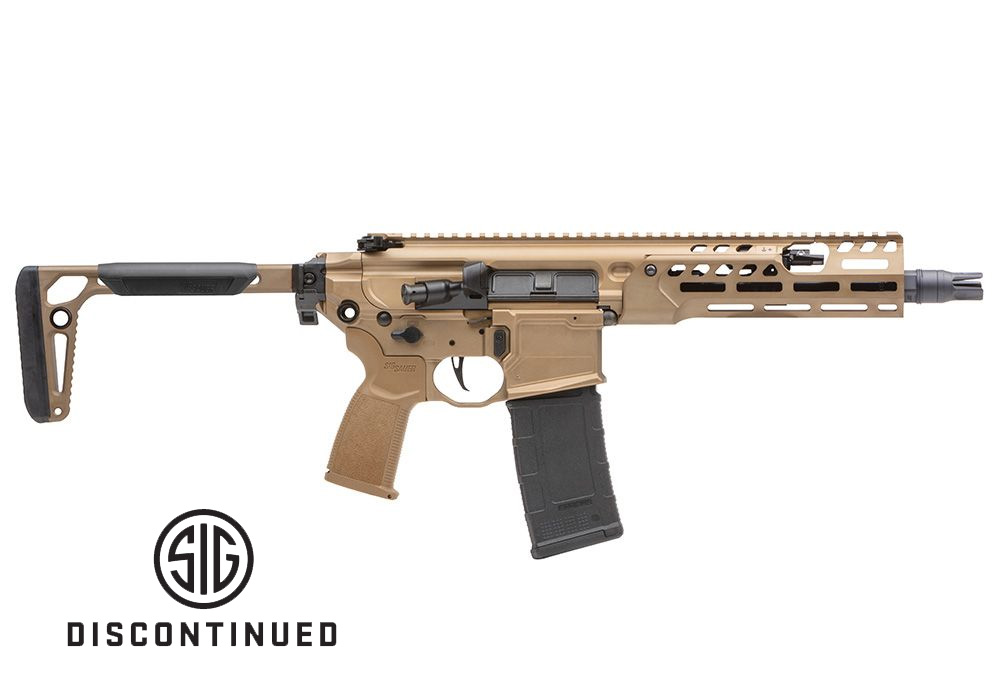
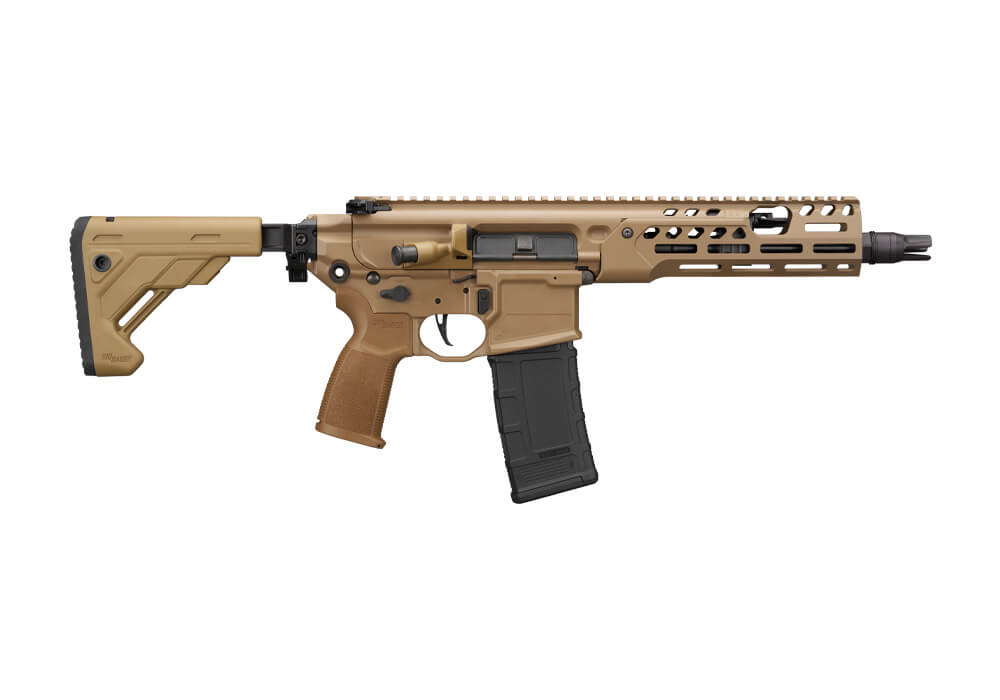
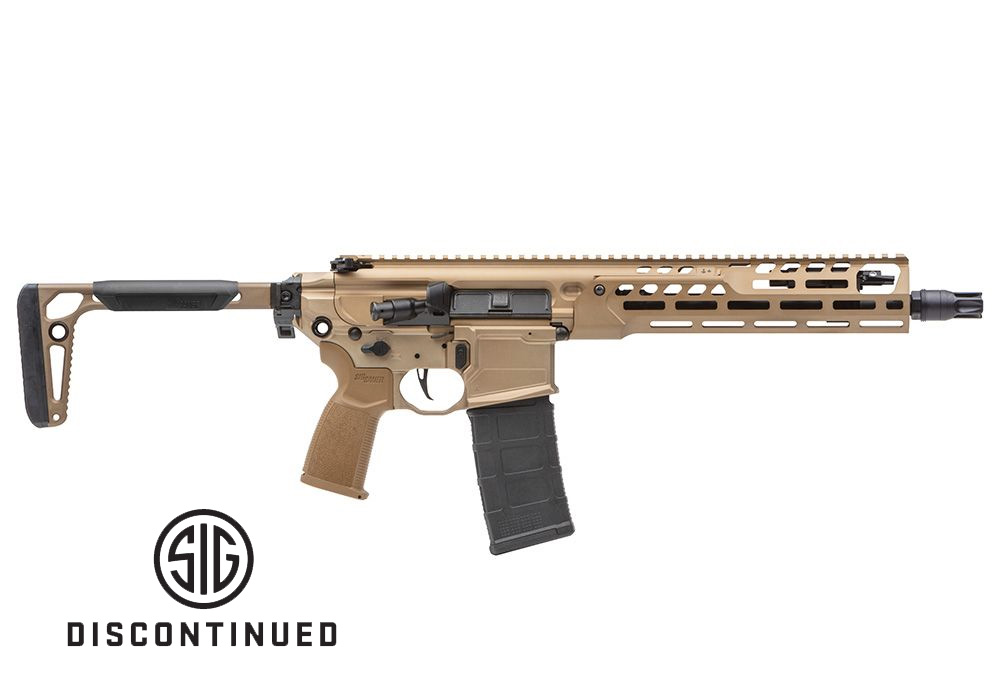
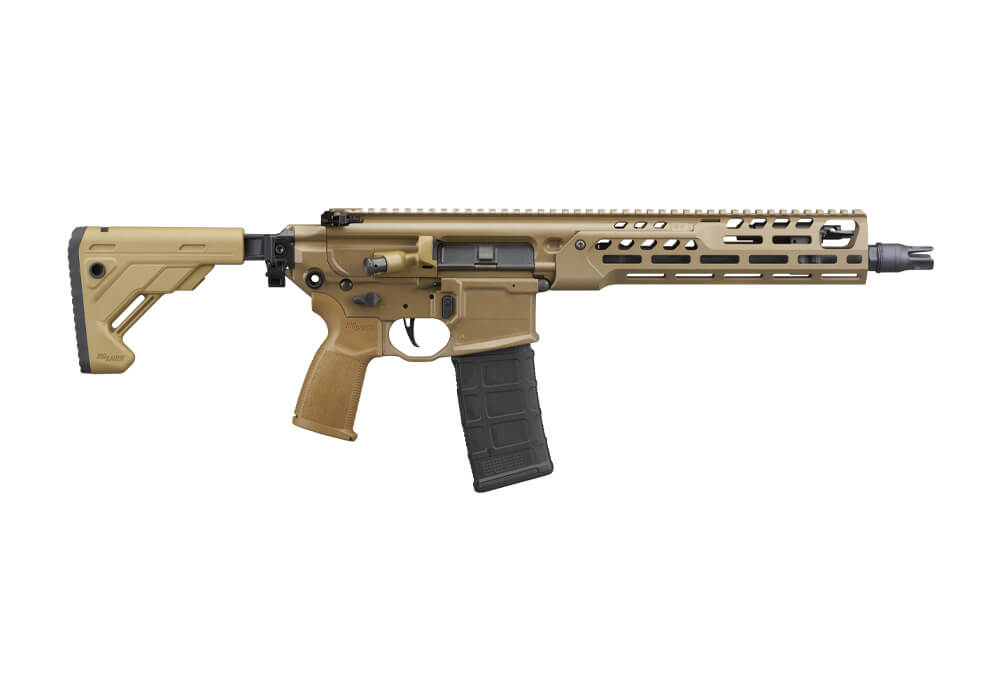
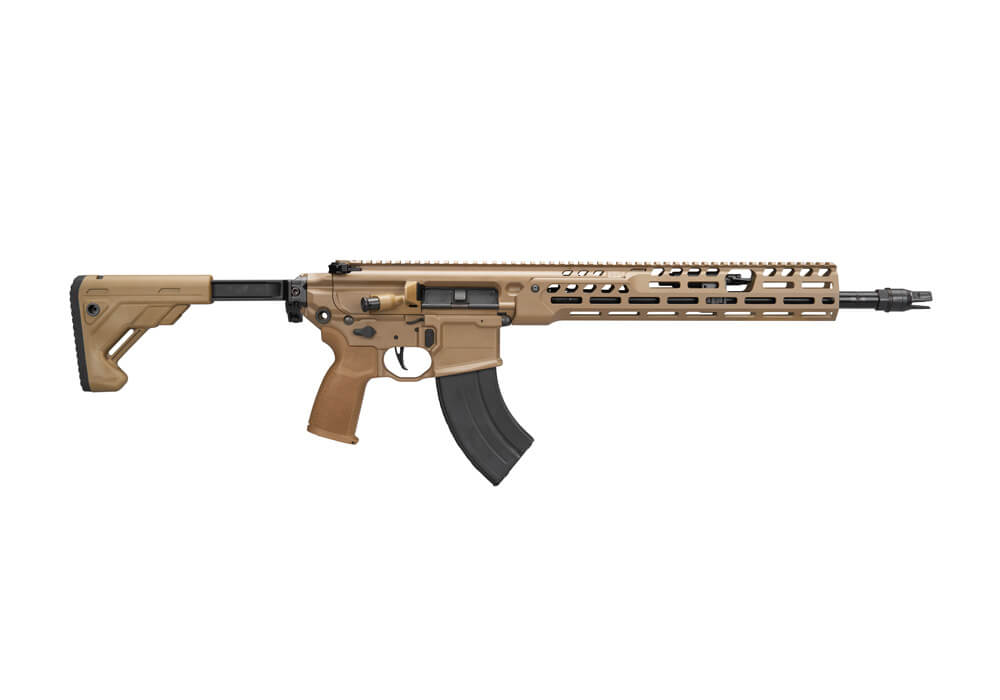
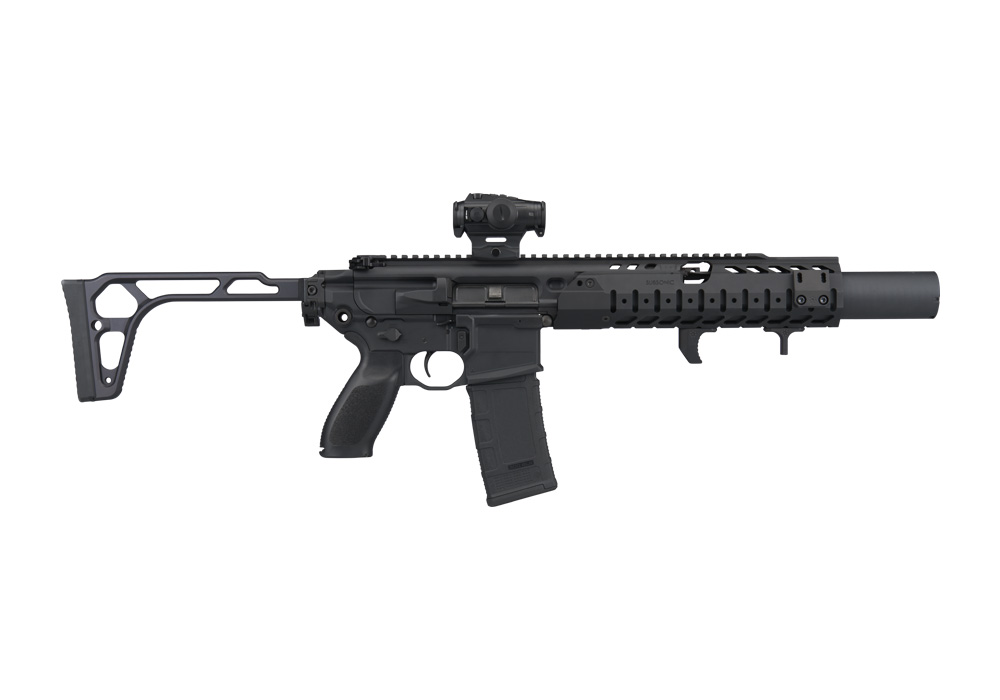
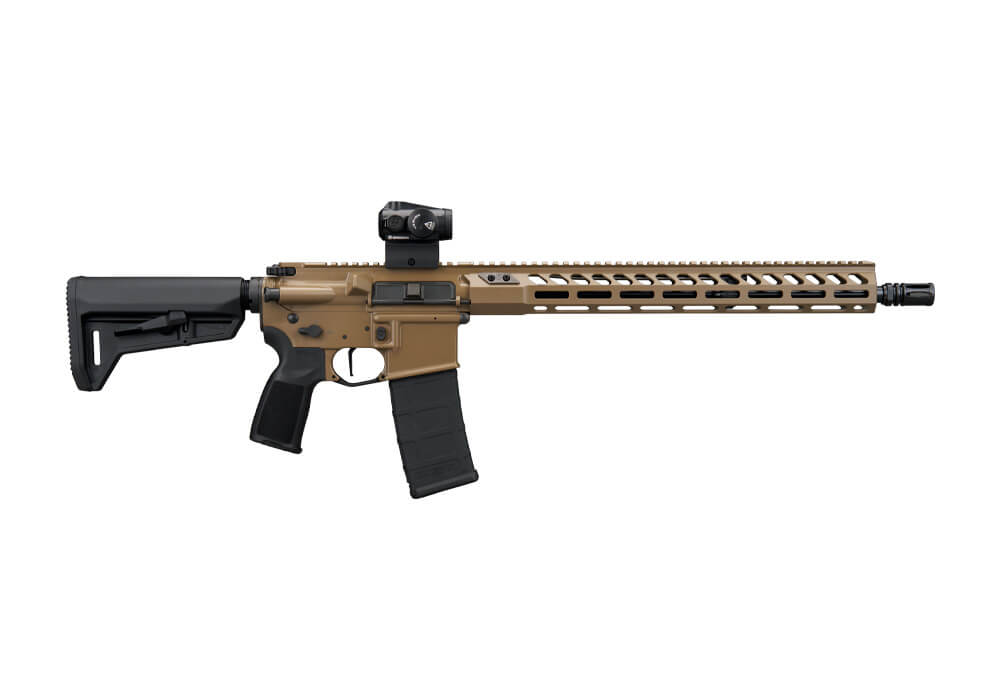
Flat dark earth (FDE) finish short-barreled rifles (SBRs) pair a compact rifle configuration with an earth-toned exterior that can range from sandy tan to a deeper brown. FDE describes the color, while SBR describes the firearm’s configuration; neither term alone identifies the caliber, operating system, construction materials, or protective treatment. Under federal law, the SBR designation generally includes shoulder-fired rifles with barrels shorter than 16 inches, with overall length and configuration also affecting classification. Those distinctions matter when comparing firearms that share a similar appearance but differ substantially in dimensions, handling, and ownership requirements. An FDE exterior may involve coated metal, anodized aluminum, molded polymer, or a combination of treatments across different components. Each material interacts with color and light differently, so a receiver, handguard, stock, and grip can display slightly different tones even when they belong to the same color family. A warm brown metal surface beside a lighter tan grip is not necessarily evidence of a finish defect. Texture, underlying material, and the coating process can all influence the result. For shoppers who prefer a coordinated appearance, detailed photographs and published finish descriptions provide more useful context than the FDE label alone. A matte surface may appear less reflective than a glossy one, but color does not establish abrasion resistance, corrosion protection, or any specialized performance characteristic. Those qualities depend on the treatment and the material beneath it. Aluminum components, steel parts, and polymer furniture also have different wear patterns and maintenance needs. Contact points may gradually develop polished edges or visible marks from normal handling, while textured areas can retain dust and residue. The appeal of an FDE finish SBR is therefore more than a single shade: it is the relationship between color, surface texture, construction, and the rifle’s overall proportions. A consistent visual style can be part of the selection, but documented specifications remain the stronger basis for evaluating durability and suitability.
Fit and intended use deserve equal attention because a shorter barrel does not automatically mean a lighter rifle, a better-balanced rifle, or a more comfortable one. Overall weight, stock design, grip shape, and control placement influence how a firearm feels during lawful range use or supervised instruction. Two SBRs with similar barrel lengths can place their weight differently, and that difference may become noticeable during a longer practice session. Length of pull—the distance between the trigger and the rear of the stock—helps describe shoulder fit, while the shape of the grip and the position of the controls affect reach. Where adjustment is included, the documented adjustment range is more informative than a photograph showing only one position. A comfortable fit should support consistent, safe handling without requiring an awkward wrist angle or a strained shoulder position. Protective equipment and the shooter’s normal range clothing can also affect that fit. Experienced recreational shooters and participants in structured training may appreciate compact proportions, but the category still calls for familiarity with firearm safety and the specific operating instructions. Shorter barrels can produce different velocity, sound, and muzzle-blast characteristics than longer barrels using the same cartridge. An FDE exterior does not change those characteristics or establish suitability for a particular activity. Caliber, ammunition compatibility, and the manufacturer’s stated specifications remain separate considerations. Range rules may also restrict certain firearm configurations or ammunition, making the intended practice setting relevant to the choice. For routine transport and storage, published overall dimensions help establish whether an appropriate protective case will fit the firearm without pressure against controls or exposed surfaces. Internal padding and secure retention can help limit rubbing, especially where a textured component rests against a coated metal part. A compact format is only one aspect of ownership; clear operating information, manageable handling characteristics, and an appropriate setting for lawful use contribute more to long-term satisfaction than appearance alone.
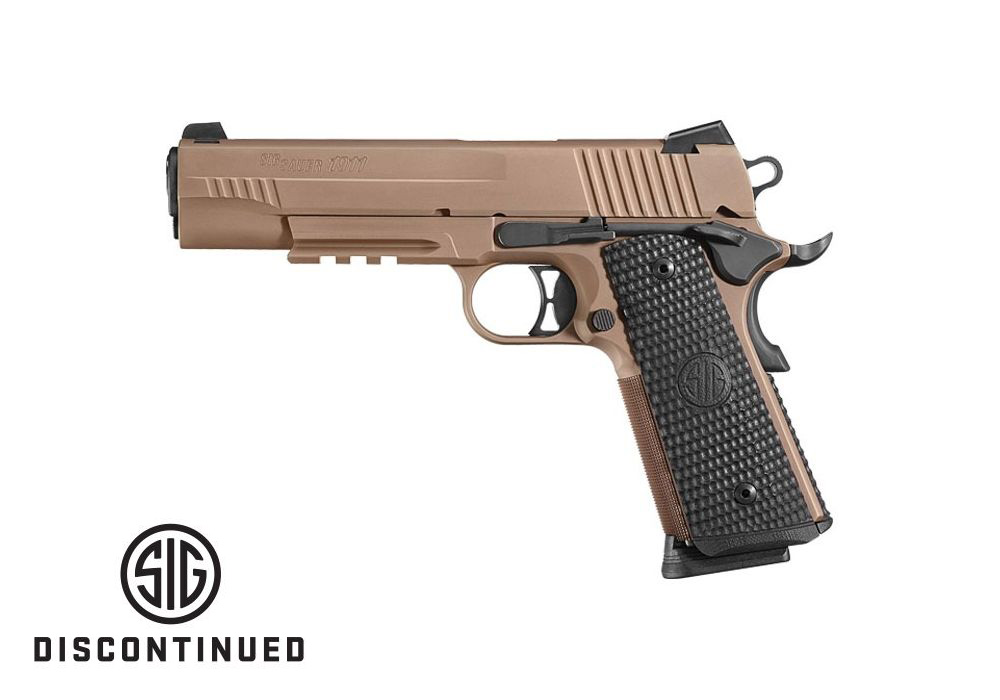
Care for an FDE finish SBR begins with understanding the surfaces involved rather than treating every tan component as though it has the same protective layer. A ceramic-based coating, an anodized surface, and a molded polymer grip can respond differently to cleaners, solvents, and abrasion. The firearm manufacturer’s care instructions and any coating-specific guidance should determine which maintenance products are appropriate. Routine exterior care often involves removing fingerprints, dust, and handling residue with a soft cloth and an approved cleaner, while keeping maintenance consistent with the firearm’s safety instructions. Aggressive scrubbing, abrasive pads, and unapproved chemicals can alter texture or sheen, even when the underlying component remains functional. Repeated contact with case hardware, bench surfaces, or rigid dividers may also leave cosmetic marks. For a rifle used regularly at the range, some visible wear is a realistic expectation rather than an automatic sign of poor construction. Finish durability is best understood in terms of the treatment’s documented properties, the surfaces it covers, and the conditions of use. Claims of permanent color uniformity or complete resistance to wear deserve caution, particularly across mixed materials. Secure storage is equally important: a protective case can shield the exterior during transport, but it is not necessarily a substitute for a locked storage solution that prevents unauthorized access. Short-barreled rifles are generally regulated under the National Firearms Act, and additional state or local restrictions can apply. Possession, registration, transport, and use require attention to the rules governing the specific firearm and jurisdiction; an FDE finish does not change that classification. For those comparing the same color family across firearm categories, FDE Finish Handguns provides a related point of reference, though fit, construction, and legal requirements must be evaluated separately. Within the SBR category, a thoughtful selection balances the desired earth-toned appearance with clear specifications, comfortable dimensions, realistic maintenance expectations, and responsible ownership. Those details help distinguish a rifle that simply looks appealing in a photograph from one suited to its owner’s lawful, intended use.