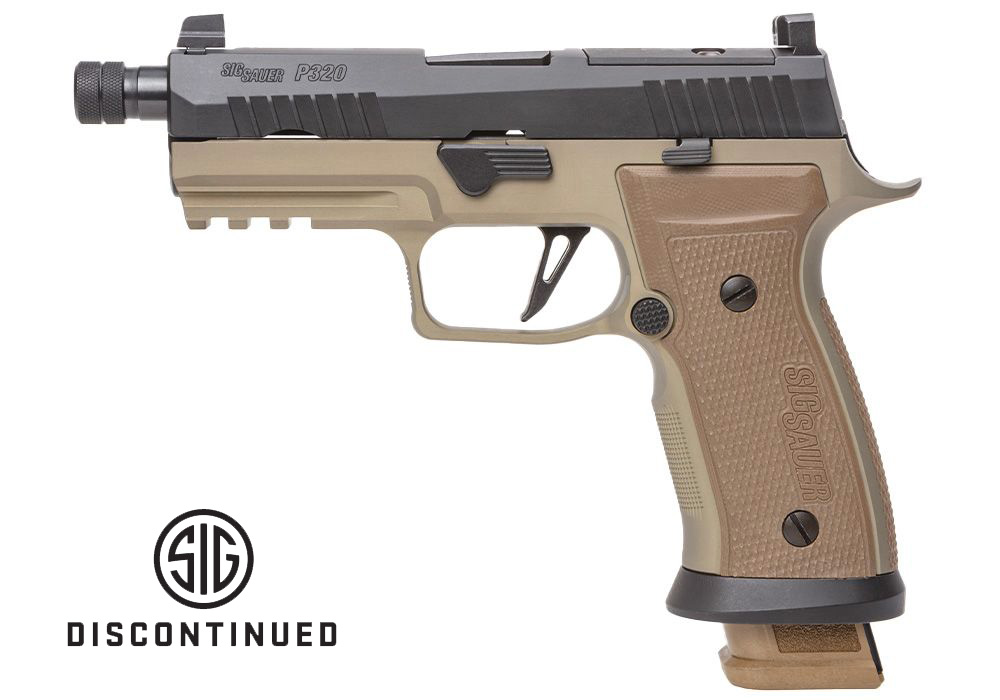
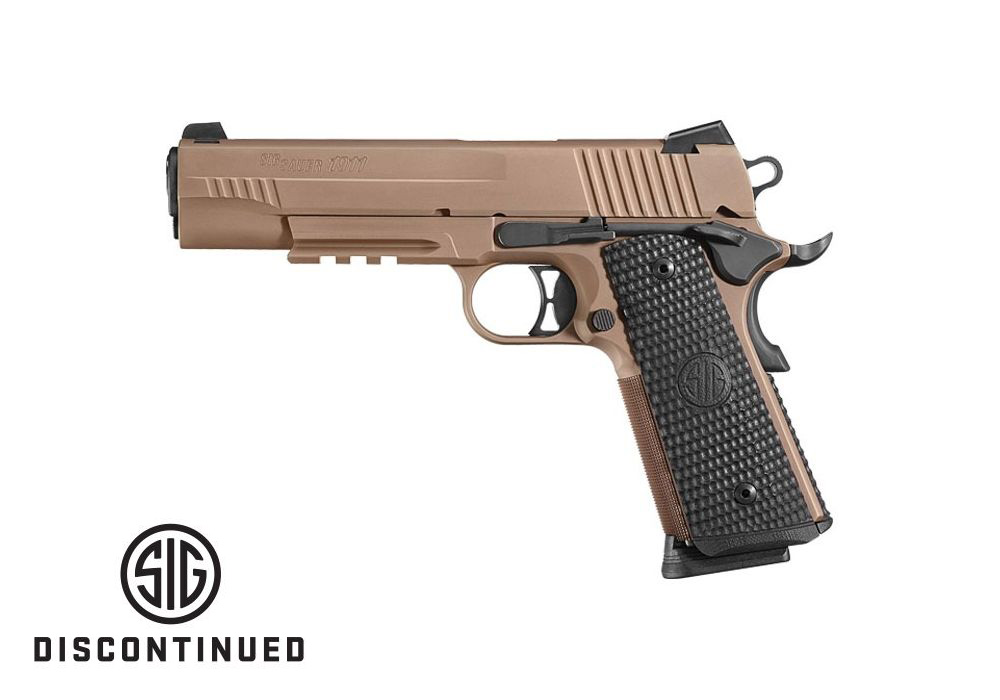
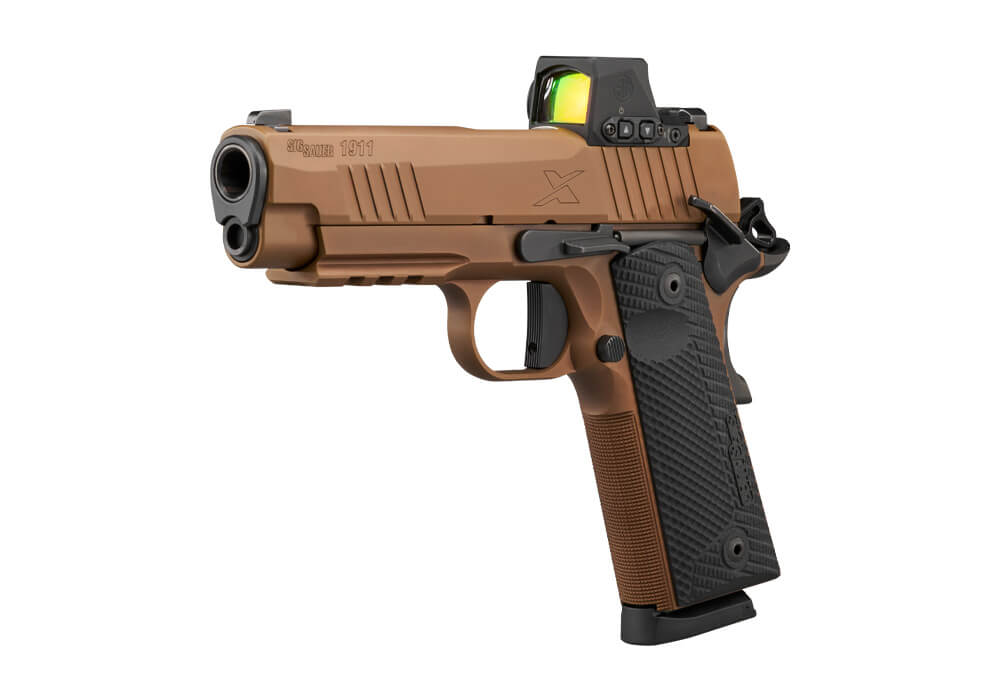
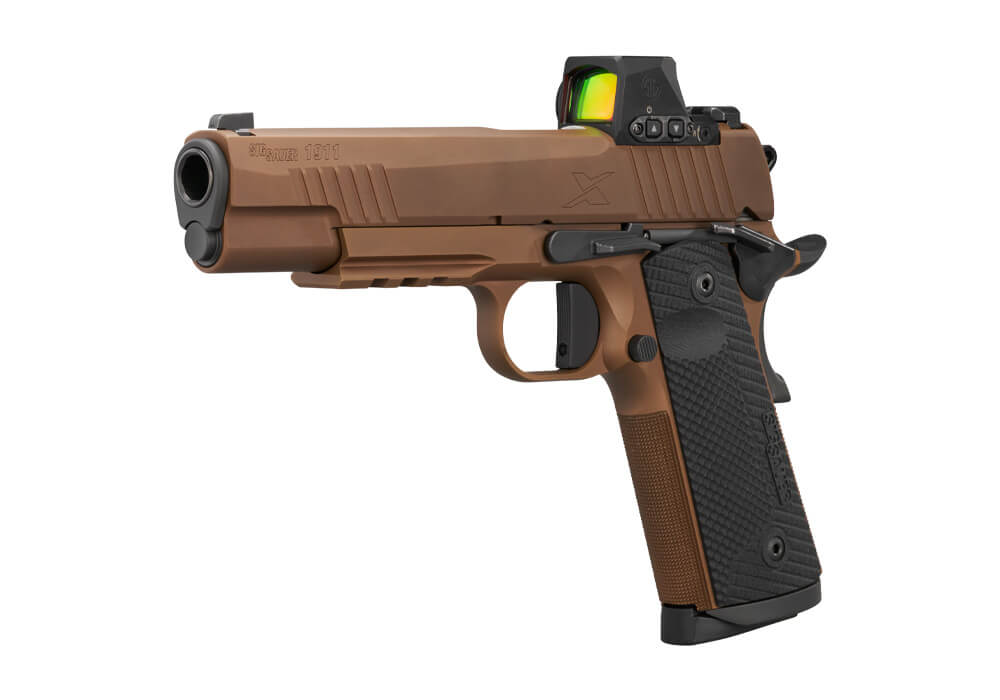
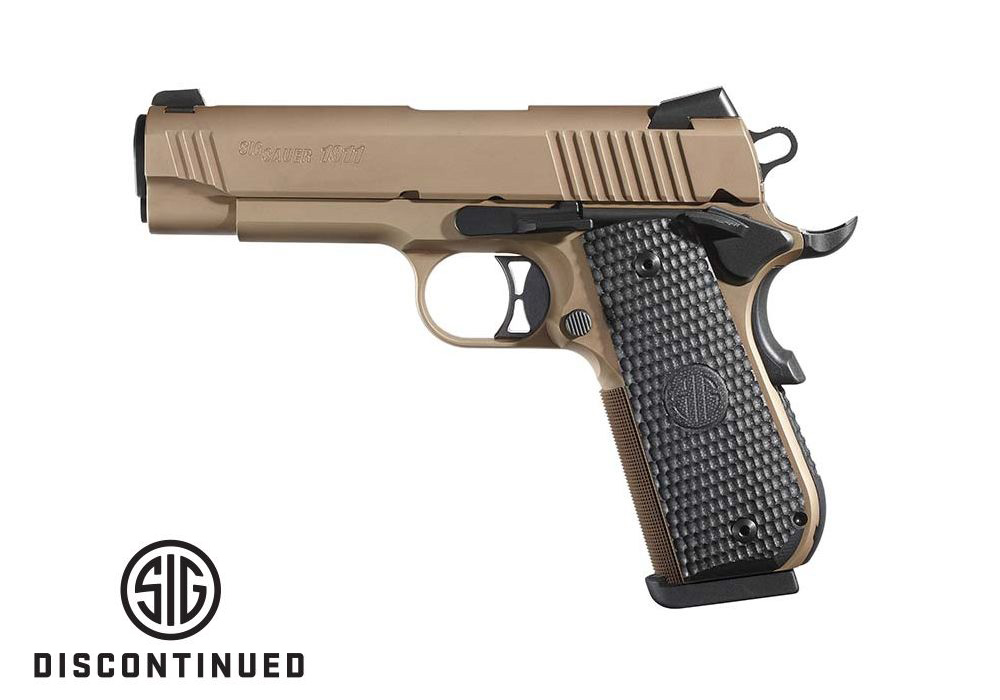
FDE finish handguns feature flat dark earth coloring, an earth-toned shade that generally falls between muted tan and brown. The term describes a color family rather than a single material, coating formula, or performance standard. Many FDE surfaces have a matte or low-sheen appearance that helps limit visible reflections, although the actual effect depends on the finish and its texture. That subdued character gives these handguns a distinct alternative to traditional black, with shades that can resemble dry clay, sand, or darker soil. Color can vary between manufacturers, between components, and under different lighting, so FDE does not necessarily mean an exact match across every surface. A slide and grip frame may show slightly different tones even when both are described as flat dark earth. Those variations often reflect differences in the underlying materials and how each surface receives its color. On a metal slide or frame, the earth tone may come from a ceramic-based coating or another surface treatment. On a polymer grip frame, color may be incorporated into the material rather than applied only to its exterior. These distinctions matter because appearance alone cannot establish how a surface will respond to friction, cleaning products, or prolonged handling. Matte coloring also does not, by itself, establish corrosion resistance or scratch resistance. The underlying metal, protective treatment, preparation, and application all contribute to durability. An FDE handgun may pair earth-toned exterior surfaces with black controls, sights, or other contrasting components, giving the overall design more visual definition. For shoppers who prefer a coordinated appearance, the finish can complement similarly colored cases, belts, and range equipment without requiring every accessory to share an identical shade. The appeal is both straightforward and personal: a restrained color palette, a recognizable look, and a finish option that suits a range of handgun styles. Its role is primarily visual, while the handgun’s design and construction determine its mechanical characteristics.
Beyond the finish, the qualities that shape ownership are the same ones that matter with any handgun: comfortable fit, appropriate dimensions, manageable weight, and suitability for the intended lawful use. A compact profile and a larger frame can share the same FDE color while feeling very different in the hand. Grip circumference, front-to-back dimensions, texture, and trigger reach all influence how naturally a handgun fits an individual shooter. A texture that feels secure during a brief inspection may feel more pronounced over an extended practice session, while a smoother surface may offer a different balance of comfort and traction. Interchangeable grip components, where included in the design, can provide additional fit options, but the presence of an FDE finish does not indicate that those features are included. Frame material also contributes to the experience. Polymer construction can help keep overall weight lower, while metal frames bring a different weight distribution and feel. Neither material is defined by its color, and an earth-toned exterior should not be treated as evidence of a particular construction method. Barrel length, sight configuration, and overall dimensions are separate considerations that deserve attention alongside appearance. For regular range practice, comfort over repeated sessions and a clear sight picture may carry more importance than a close color match with existing equipment. For organized competition or professional instruction, the applicable rules and equipment requirements help determine which configurations are appropriate. Lawful personal-protection ownership brings additional responsibilities involving training, storage, and an understanding of local requirements. Newer owners may value straightforward maintenance and instruction from a qualified professional, while experienced enthusiasts may appreciate an FDE option that brings a different visual character to a familiar handgun category. In each case, the finish is one part of the selection rather than a substitute for evaluating the complete firearm. A handgun that looks appealing on a display surface still needs to feel comfortable during supervised handling and fit the owner’s actual purpose.
Long-term appearance depends as much on everyday contact and care as on the original finish. Holster friction, contact with hard surfaces, and debris carried against the exterior can leave visible wear, particularly along corners and other frequently touched areas. Some surface treatments resist these marks better than others, but no earth-toned coating should be assumed to remain untouched through regular use. A small polished area at a contact point is different from active corrosion or a damaged component, and concerns about condition are best assessed according to the manufacturer’s guidance or by a qualified professional. Cleaning products should be suitable for both the firearm and its finish, with particular attention to coated metal, polymer, and textured surfaces that may respond differently to the same chemical. The owner’s manual remains the appropriate reference for cleaning methods, lubrication, and maintenance intervals. Abrasive scrubbing and unapproved solvents can affect appearance, while excess oil may leave an uneven sheen or collect residue. A soft cloth and manufacturer-approved care products help support routine exterior maintenance without treating every surface as though it were bare metal. Accessory fit deserves the same attention. A holster must match the handgun’s exact configuration; matching FDE colors cannot establish compatibility, secure retention, or adequate trigger protection. Cases and storage arrangements should likewise suit the firearm’s dimensions and support secure access control. For a broader look at this color family on another firearm platform, the FDE Finish SBR Rifles collection provides a related category with separate ownership requirements and handling considerations. Within handguns, the strongest reason to choose FDE remains a preference for its understated earth tone alongside the features appropriate to the owner. Whether intended for regular practice, structured instruction, or a responsibly maintained personal collection, an FDE handgun combines a distinctive exterior with the same need for sound fit, attentive care, and responsible ownership as any other firearm. The most satisfying match brings those practical qualities and visual preferences together without expecting color alone to determine performance.