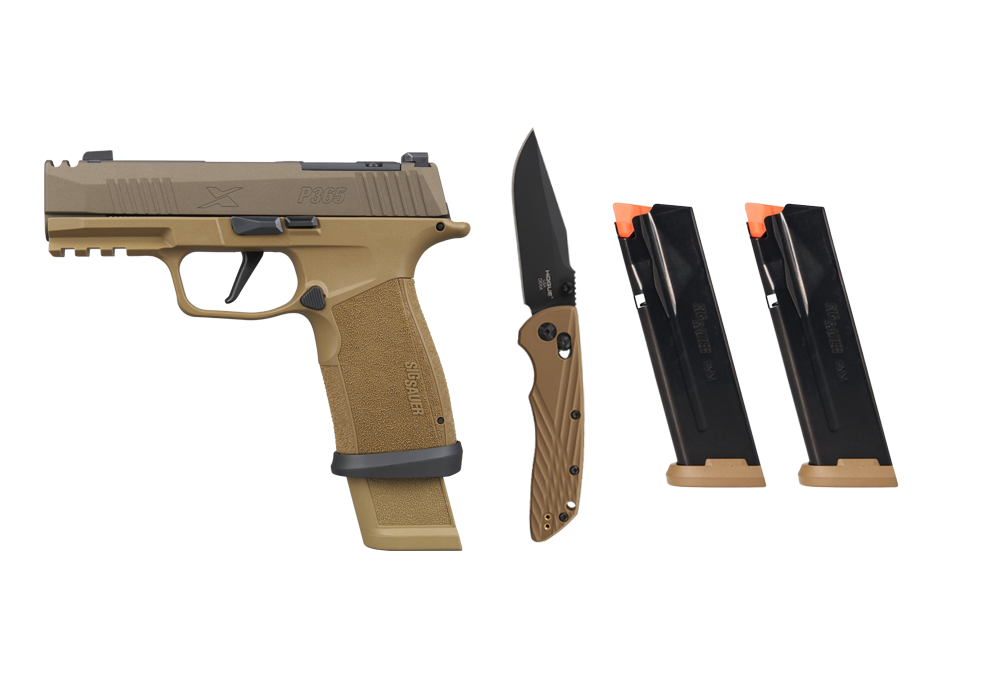
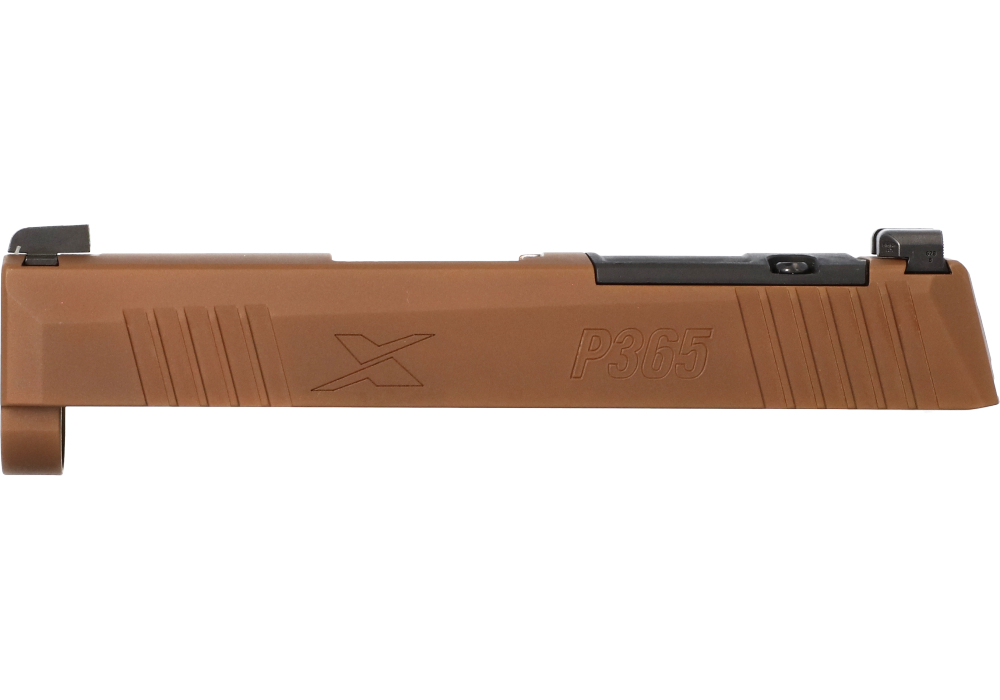
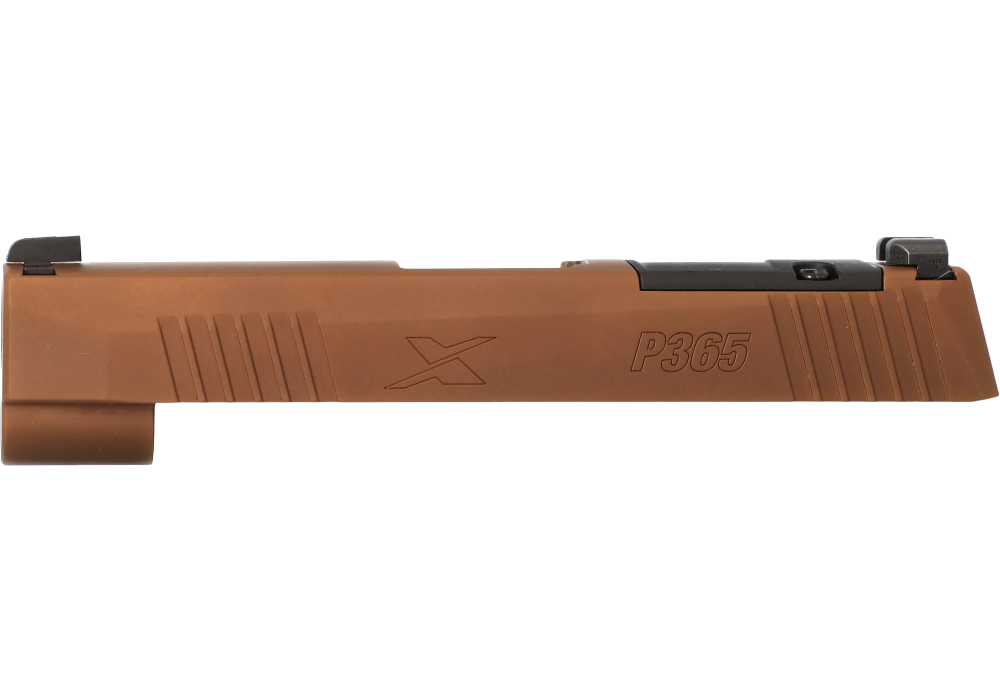
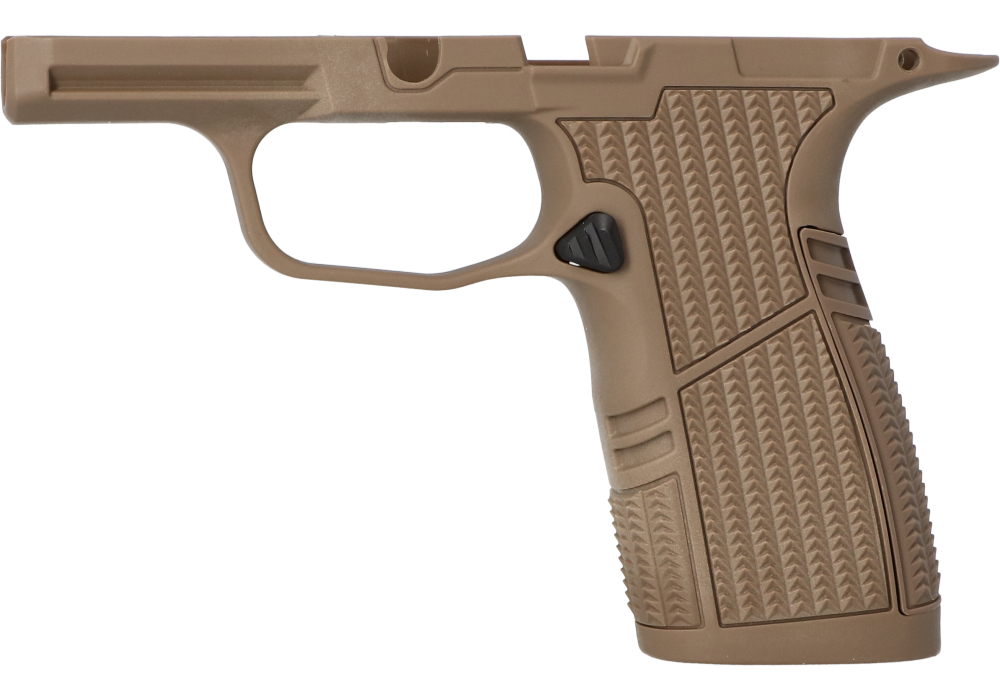
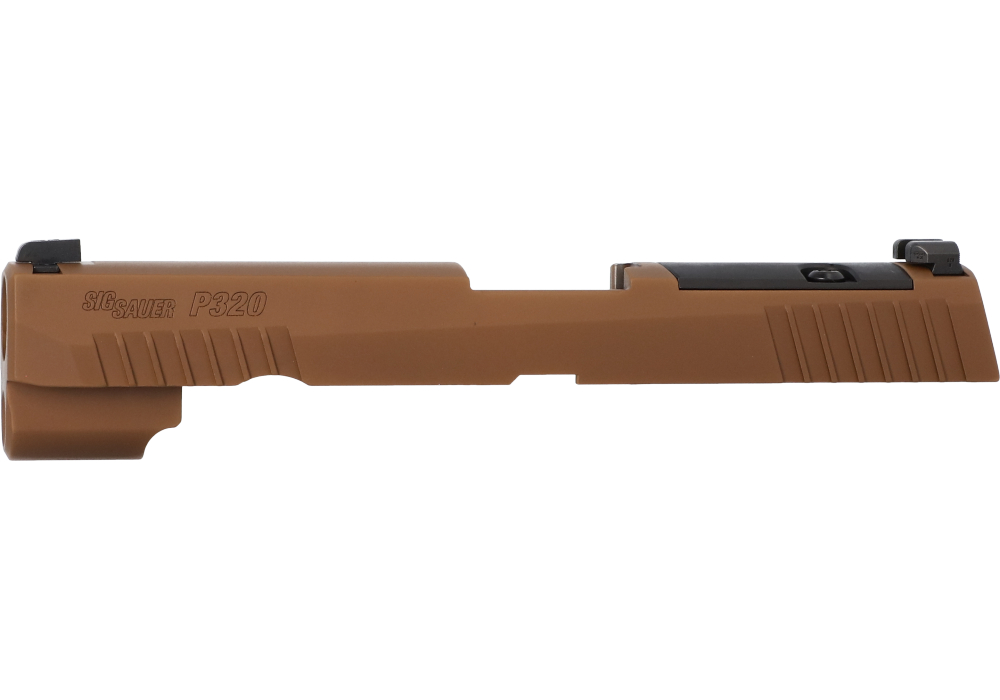
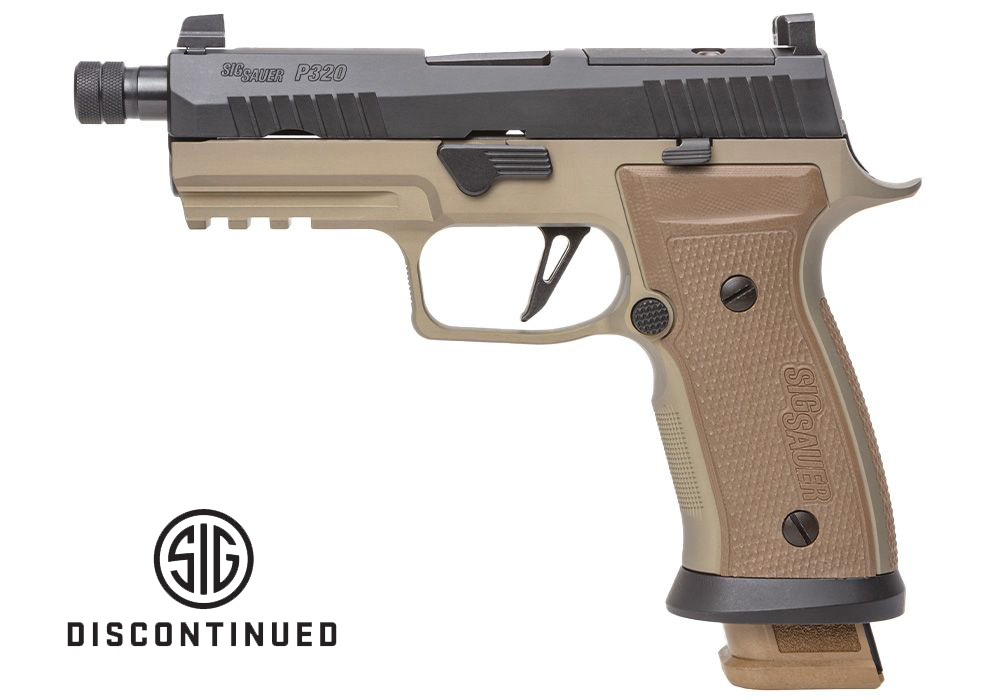
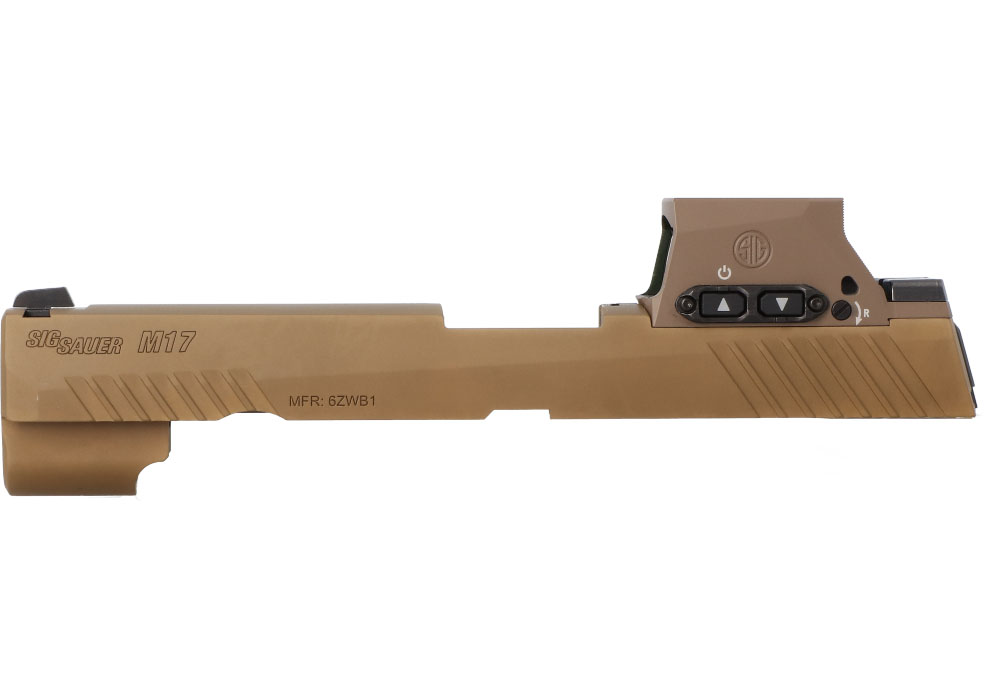
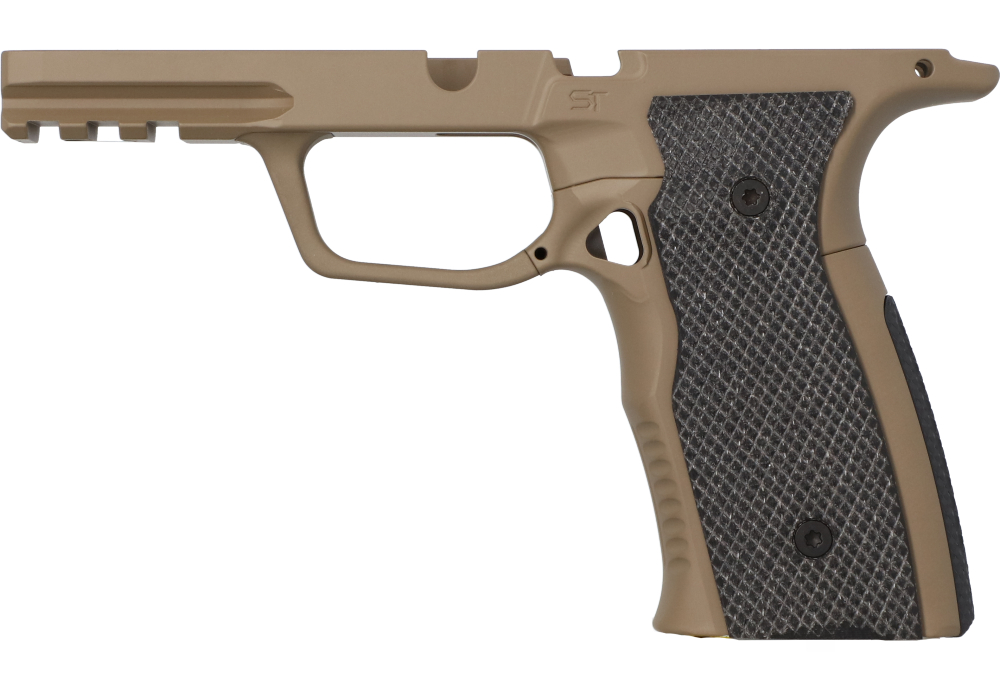
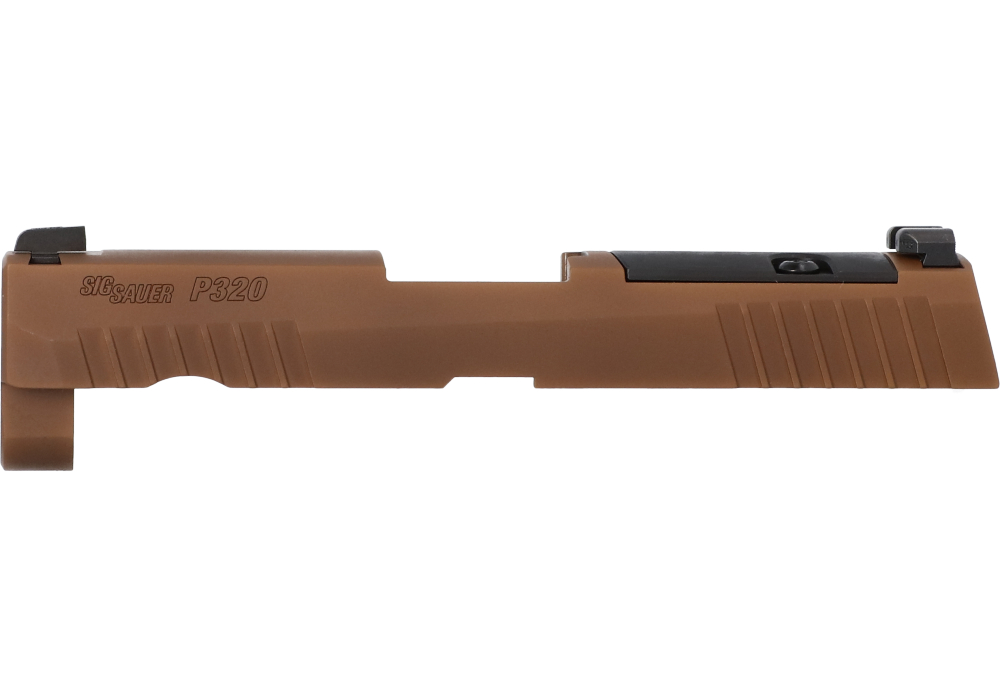
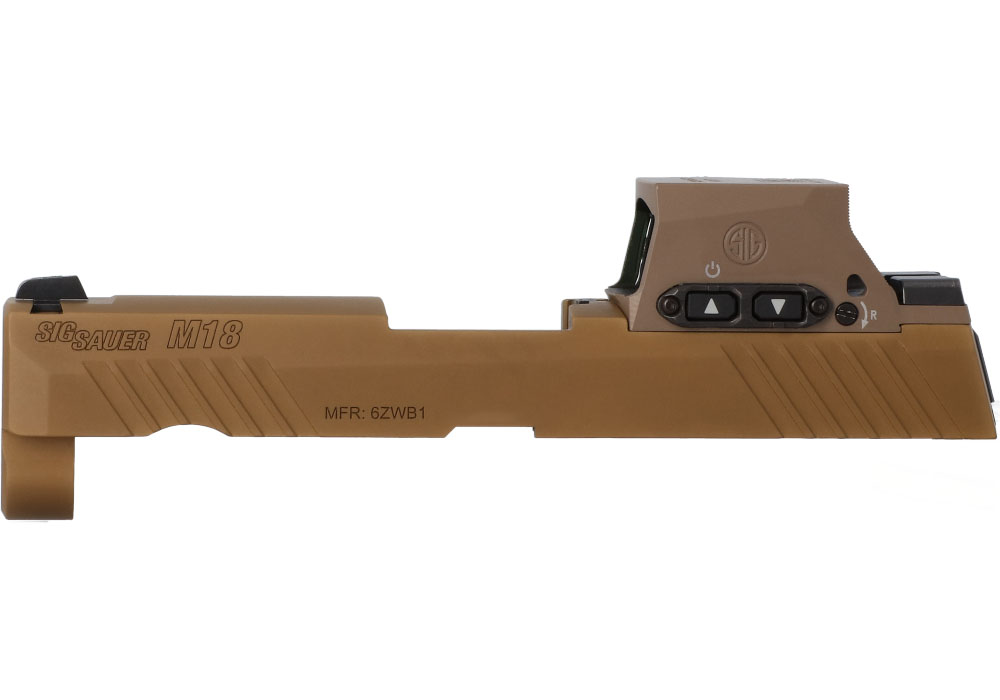
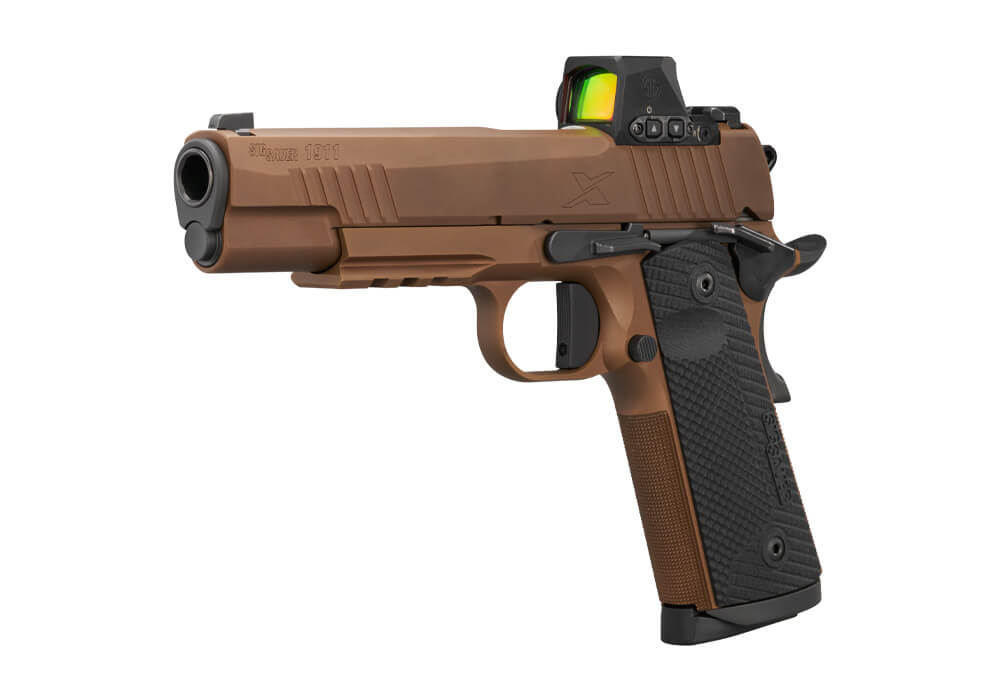
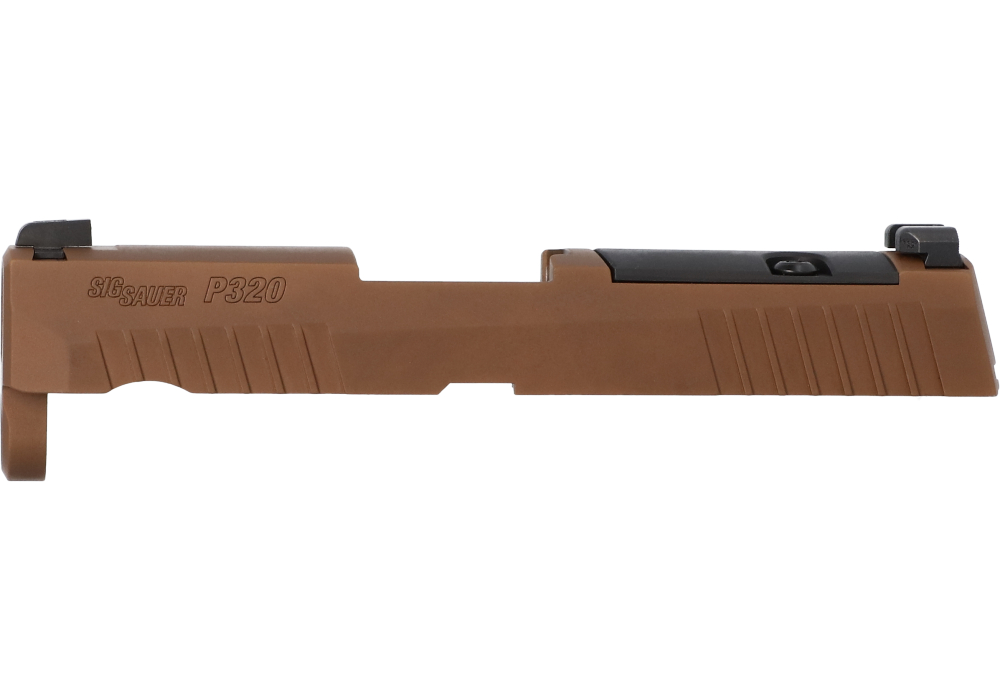
FDE finish slides bring a warm, subdued desert-tan appearance to a compatible pistol while adding a distinctive alternative to traditional black finishes. “FDE” generally refers to Flat Dark Earth, a low-reflectivity color commonly associated with practical outdoor equipment, range gear, and defensive tools. For many owners, the appeal is partly visual: an FDE slide can create a coordinated look when paired with a matching frame, grip module, magazine base, holster, or other accessories. The finish can also help reduce glare in bright conditions, which is useful for shooters who spend time outdoors or train under changing light. Appearance, however, should not be the only consideration. A slide is a precision component that houses or interfaces with important operating parts, so compatibility, manufacturing standards, dimensions, and intended use deserve careful attention before purchase. Start by confirming the exact firearm model, generation, caliber, and frame configuration for which the slide is designed. Even closely related variants may use different dimensions, recoil-system components, extractor arrangements, or optic footprints. A slide intended for one configuration may not be suitable for another simply because the names appear similar. Buyers should also verify whether the listing is for a complete slide assembly or for the slide alone, since sights, optic plates, barrels, recoil assemblies, and internal components may or may not be included. Reviewing the manufacturer’s specifications and consulting a qualified gunsmith can help prevent costly compatibility mistakes, particularly when selecting an aftermarket component or combining parts from different sources.
The coating itself is another meaningful purchase consideration. Cerakote is a polymer-ceramic finish often selected for its broad color range, recognizable FDE tones, and added resistance to everyday wear and corrosion. PVD, or Physical Vapor Deposition, uses a thin deposited surface layer designed for durability and a consistent appearance. DLC, or Diamond-Like Carbon, is known for a hard, wear-resistant surface and is often offered in darker or subtly tinted finishes rather than a traditional tan. Performance depends on the specific formulation, preparation, application process, and care routine, so finish names should be considered alongside the complete product specifications rather than treated as interchangeable terms. Look closely at how the coating is applied around serrations, optic cuts, sight dovetails, rails, and contact surfaces. Properly finished edges should not interfere with the movement or installation of compatible components. An optic-ready slide may include a factory-machined footprint for a specific miniature reflex sight pattern, while another may use a separate mounting plate system. These details affect sight height, available co-witness options, and the type of backup sights that can be installed. A standard configuration may suit someone who prefers a conventional front-and-rear sight setup, while an optic-ready configuration can provide flexibility for future upgrades. Buyers should confirm the exact footprint instead of assuming that all optic cuts accept the same sight. The same care applies to threaded or non-threaded barrel compatibility, suppressor-height sights, recoil springs, and replacement parts. After installation, a qualified professional should inspect the fit and function of the complete firearm, and the owner should follow all applicable laws, safety practices, and manufacturer instructions. Regular cleaning, light lubrication where specified, and careful inspection of the finish can help preserve both appearance and reliable operation. During the warmer months, perspiration and humidity can make routine wipe-downs especially important; during cooler months, condensation from moving between indoor and outdoor environments deserves similar attention.
FDE finish slides appeal to a wide range of responsible firearm owners. A concealed-carry user may appreciate a muted finish that coordinates with earth-tone equipment and avoids the glossy appearance of highly polished metal. A recreational range shooter may choose one to personalize a familiar platform without changing the overall operating system or grip fit. Instructors, competitors, and outdoor enthusiasts may also value the ability to configure a pistol around a preferred sighting system, while collectors often look for a finish that gives a well-maintained firearm a distinctive, cohesive character. These slides can make thoughtful gifts for an experienced shooter who has already identified a compatible platform and enjoys careful customization, but they are not an ideal surprise purchase when the recipient’s model, generation, optic footprint, or preferred sight arrangement is unknown. A gift card or conversation about specifications may be more practical than guessing at fit. For owners building a coordinated setup, an FDE slide can be paired with other earth-tone equipment without requiring every component to match exactly; subtle differences between tan, coyote, and bronze shades can add depth rather than detract from the overall appearance. Those extending the same visual theme to a longer-range setup may also wish to browse FDE Finish Rifle Scopes for compatible optics and complementary finishes. Before completing a purchase, compare the slide’s intended platform, caliber, dimensions, finish type, optic provision, included components, warranty information, and installation requirements. A careful selection process helps ensure the finished configuration looks intentional, fits the firearm correctly, and supports the way the owner actually trains, carries, stores, and maintains it.