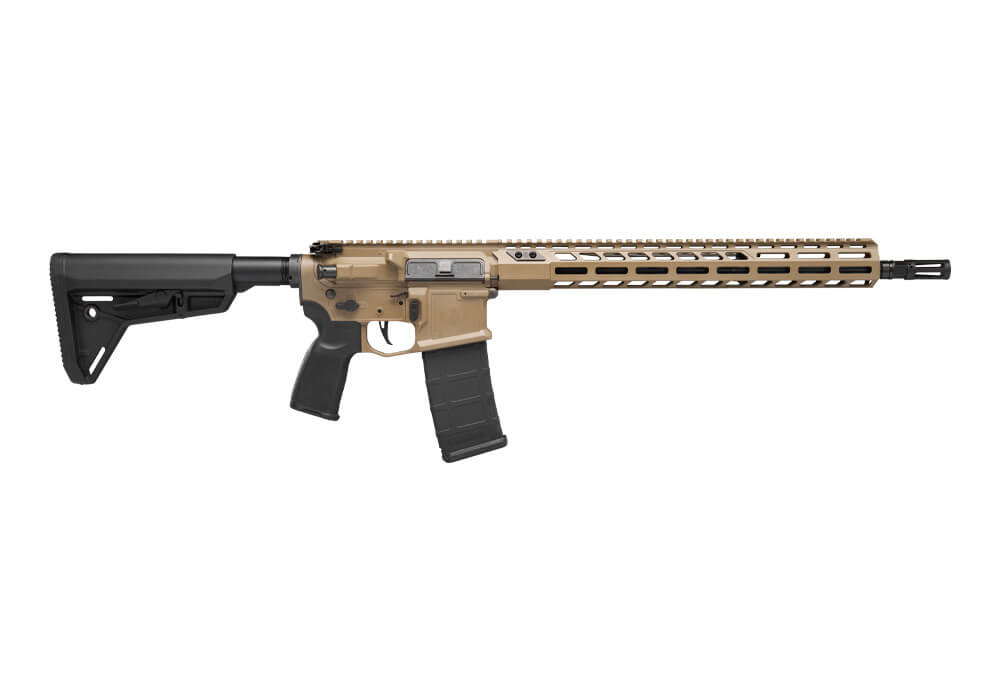
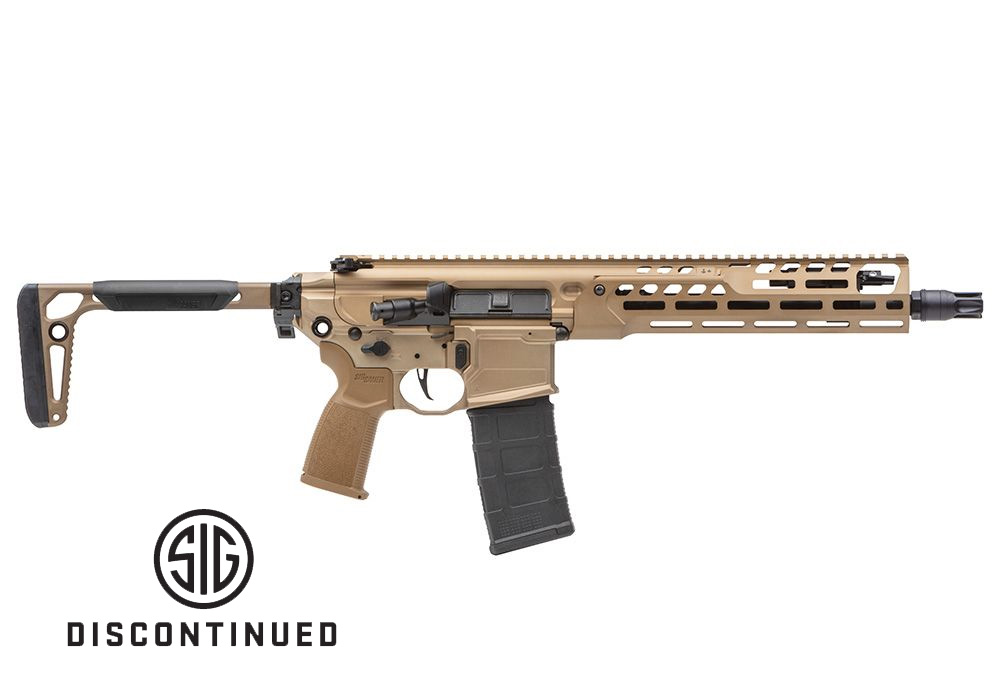
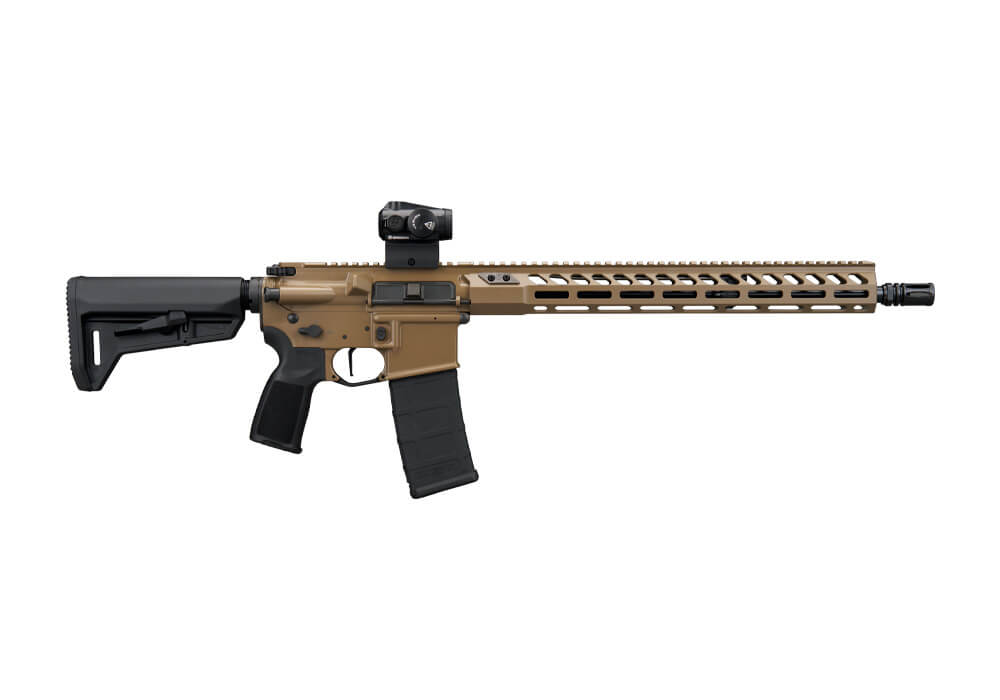
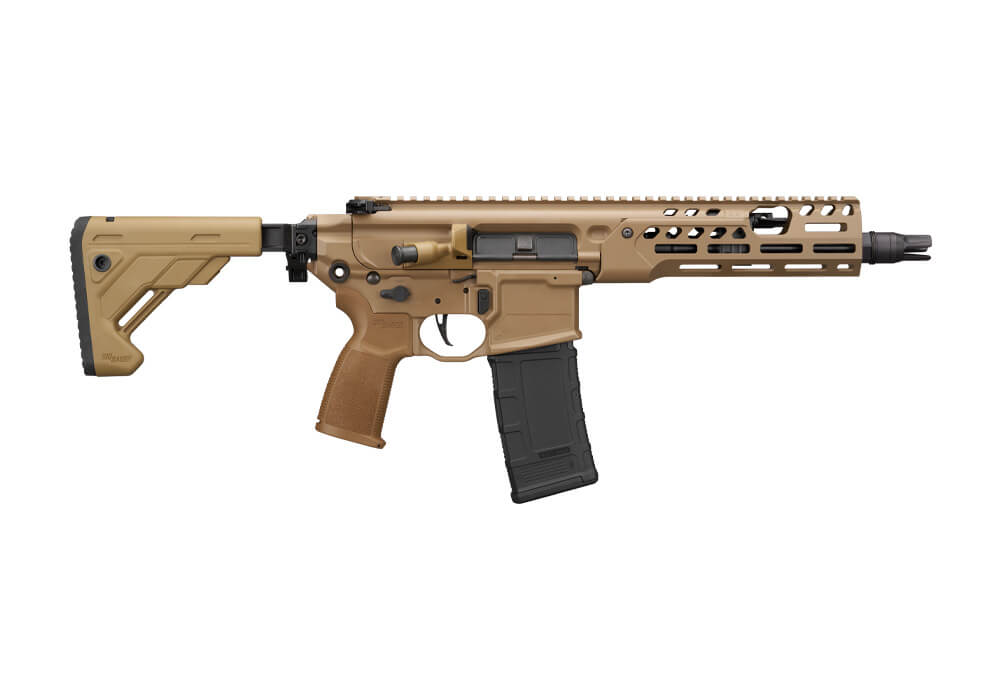
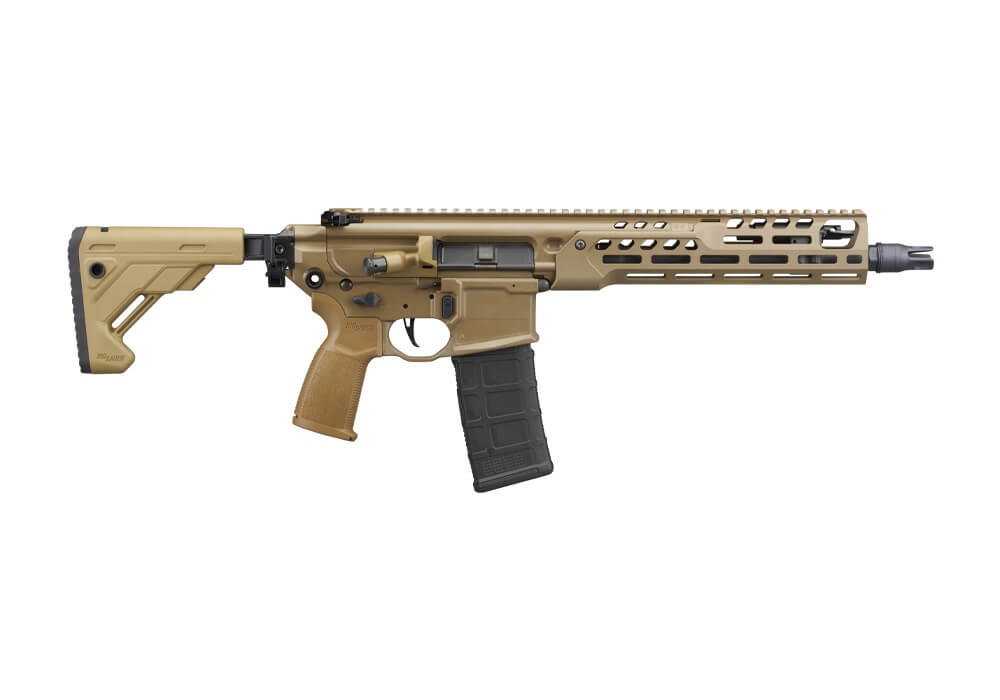
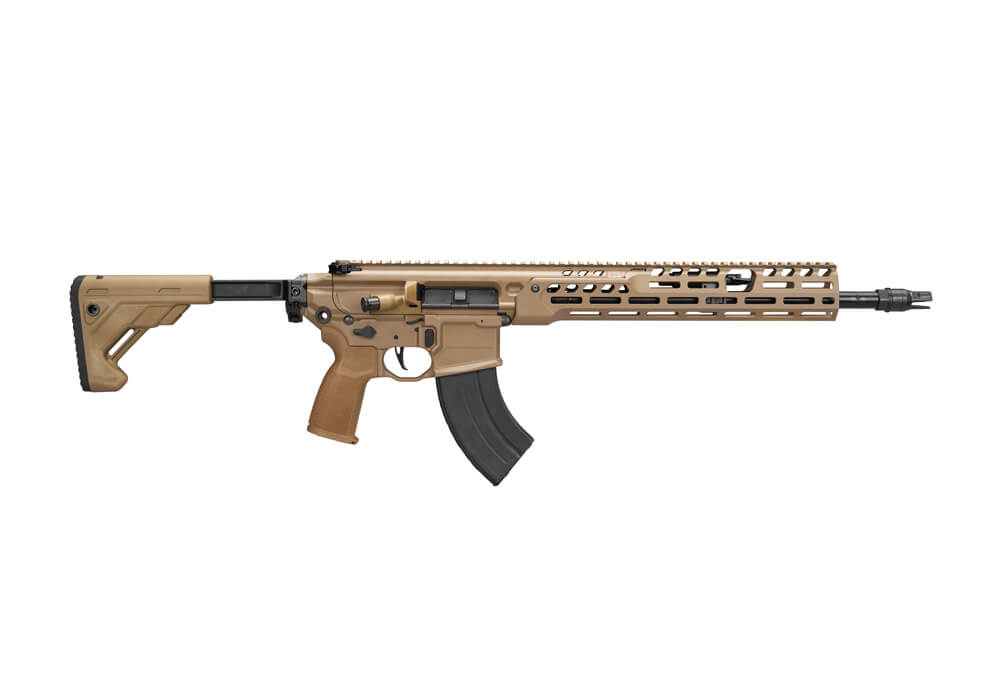
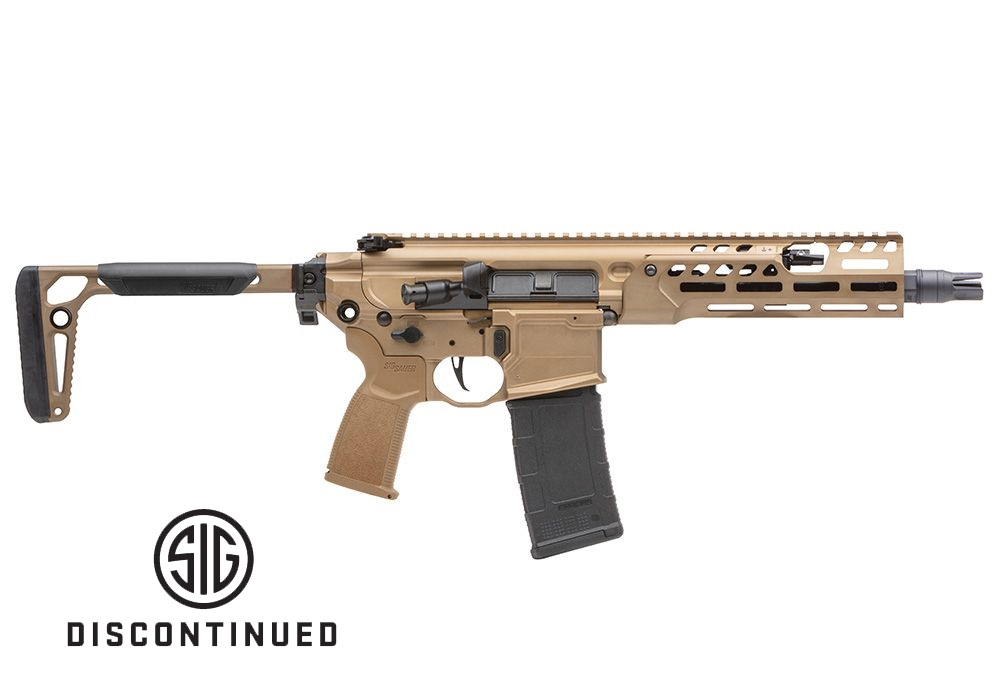
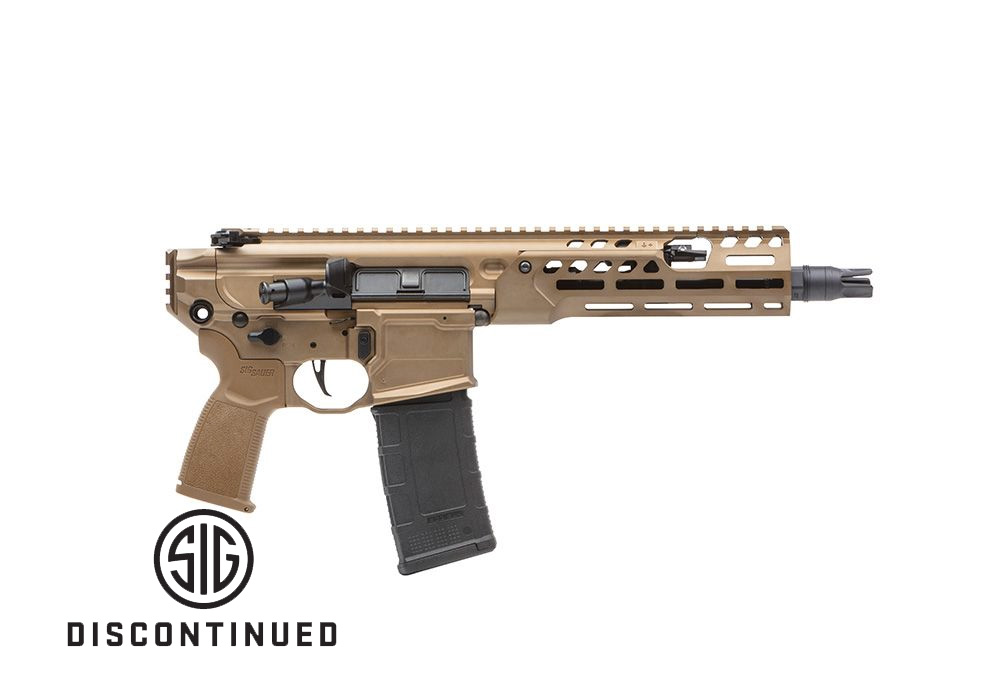
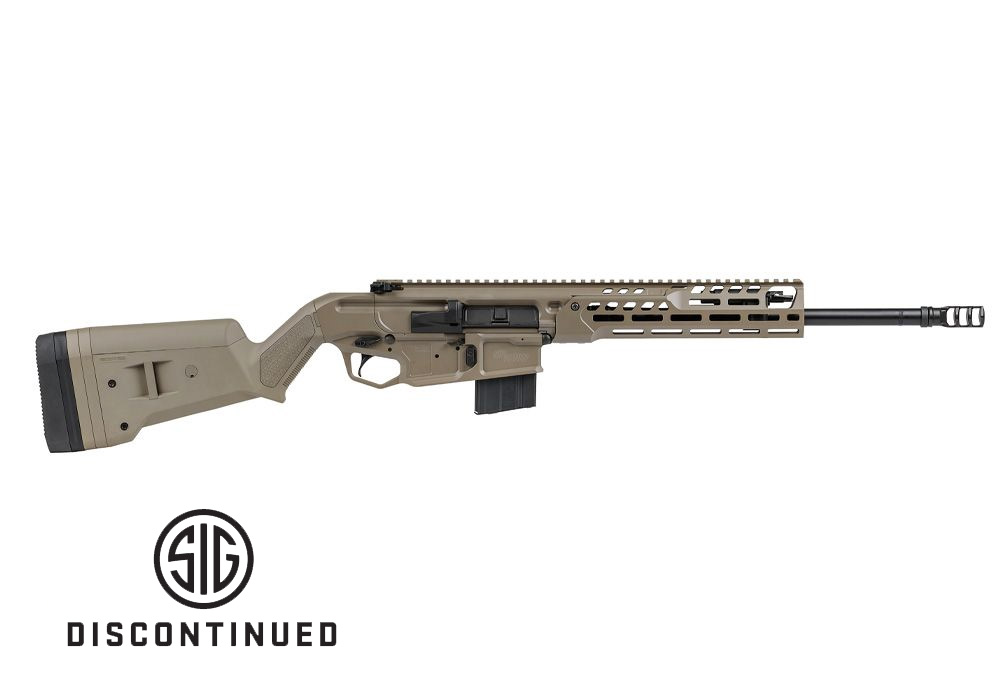
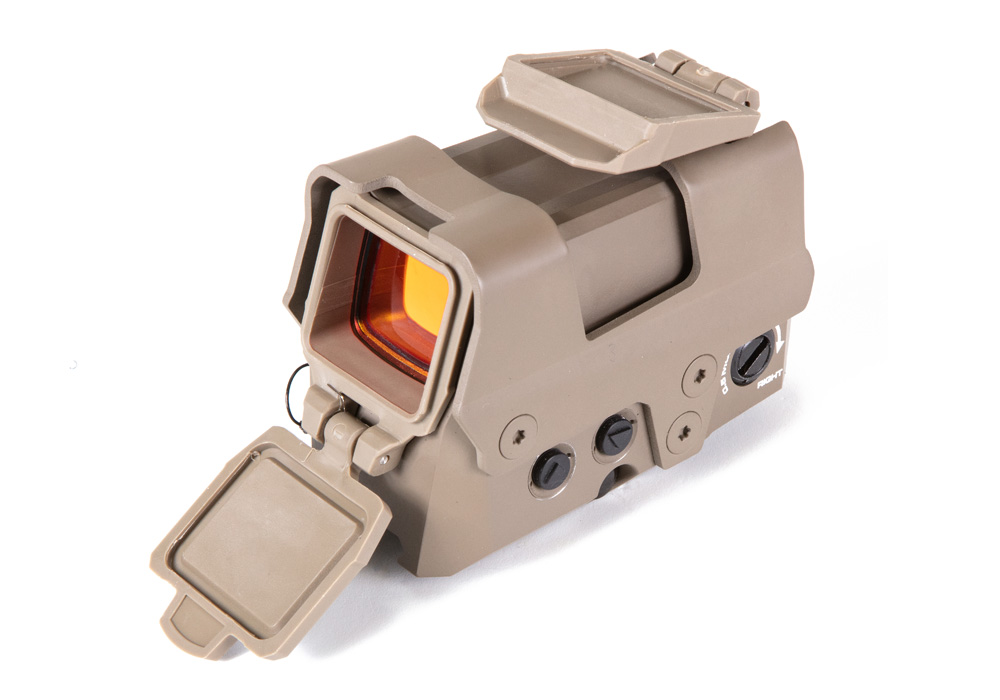
FDE finish semi automatic rifles combine an earth-toned exterior with a repeating action that fires one round per trigger press and cycles the next round automatically. FDE stands for Flat Dark Earth, a color family that typically falls between muted tan and brown. The designation describes appearance, not a particular caliber, operating system, construction material, or level of performance. Its appeal is straightforward: an understated alternative to black, a cohesive look across the receiver and furniture, and a neutral palette that complements earth-toned shooting equipment. A matte FDE surface can also reduce visible reflections compared with a glossy surface, although color alone does not determine reflectivity. Texture and the underlying finish matter just as much. Shades vary between manufacturers, materials, and finishing processes, so an FDE metal receiver may look slightly different from a polymer stock or grip, even when both carry the same color description. Those subtle differences are normal and can give a rifle a layered appearance rather than a perfectly uniform one. Depending on the configuration, the earth tone may extend across the receiver, handguard, stock, and grip, or appear on selected exterior components alongside contrasting black controls and hardware. For recreational target shooters, hunters where semiautomatic rifles are permitted, and participants in organized shooting sports, the finish is one consideration within a larger decision about fit, handling, and intended use. An attractive exterior does not replace the importance of a suitable chambering, comfortable dimensions, or a configuration permitted by applicable laws and range rules. The most useful distinction is between what the color contributes and what the rifle itself provides. FDE establishes the visual character; the action, barrel, stock geometry, sights, and overall construction determine how a particular configuration suits its owner. That separation helps keep expectations realistic while preserving the appeal of a distinctive, coordinated finish.
The durability of an FDE finish depends on the surface treatment beneath the color description and the material it protects. Metal components may feature a ceramic-based coating, another protective coating, or a colored surface treatment, while polymer furniture may carry pigment throughout the material rather than only at the surface. These approaches do not offer identical resistance to abrasion, cleaning chemicals, or corrosion, and an FDE label by itself does not establish a durability standard. A properly applied protective finish can help shield the underlying metal from everyday handling and minor surface wear, but it is not scratchproof and does not eliminate maintenance. Contact points near controls, sling attachments, and other frequently handled areas may develop visible wear over time. A rifle that regularly travels between a locked storage cabinet, a transport case, and a shooting bench will encounter different contact surfaces, and even careful ownership can leave small signs of use. Aluminum components can help manage overall weight, steel serves in areas that require strength and resistance to repeated mechanical stress, and polymer can provide practical grip and stock surfaces without unnecessary weight. The specific combination varies, so construction details are more informative than assumptions based on appearance. Fit is equally important. Stock length, grip shape, the reach to controls, and the feel of the handguard all influence whether a rifle feels comfortable and manageable. Where an adjustable stock is included, its adjustment range can accommodate different body proportions, but the presence and extent of that feature should be confirmed in the specifications. Overall weight and balance also deserve attention: two rifles with similar dimensions can feel noticeably different because their weight is distributed differently. At a supervised range session, that difference may be apparent when moving between a supported bench position and another permitted shooting position. For sustained recreational use, a comfortable fit and manageable balance often matter more than an exact color match between every exterior component.
FDE finish semi automatic rifles fit a range of lawful sporting interests, from regular target practice to organized competition and hunting where the rifle type and chambering are authorized. Each setting places different demands on the configuration. A recreational shooter may prioritize straightforward controls and comfortable handling, while a competitor may need dimensions and features consistent with a particular division’s rules. A hunter must consider local regulations and whether the chambering is appropriate for the intended game. Barrel length, overall dimensions, sighting arrangements, and the manufacturer’s stated compatibility requirements are meaningful comparison points; finish color does not establish accuracy, reliability, or suitability for any one activity. The same distinction applies to coordinated equipment. An earth-toned sling or case can complement the exterior, but secure attachment, correct fit, and protective construction remain the practical priorities. For shoppers interested in the same color family across firearm categories, FDE Finish Handguns offers a related perspective on the finish without implying identical shades or interchangeable components. Care should follow the firearm and finish manufacturers’ instructions rather than a blanket assumption that every tan surface tolerates the same products. FDE coloring alone does not necessarily require a separate maintenance routine, but some coatings have specific restrictions on solvents, abrasives, and other cleaning materials. Approved cleaning products, nonabrasive materials, and attention to residue around exterior contact areas help preserve the surface without unnecessary wear. A protective coating is not a substitute for appropriate lubrication or inspections recommended by the manufacturer. Storage also affects long-term condition: a suitable protective case helps limit rubbing during transport, while secure, access-controlled storage helps prevent unauthorized handling. Before cleaning or inspection, the firearm should be unloaded and handled according to its manual, with ammunition kept separate from the work area. Across routine ownership, the value of an FDE finish lies in its combination of restrained color and, when supported by the specified surface treatment, practical protection. Paired with suitable construction, comfortable fit, responsible handling, and consistent care, that finish can retain its character through regular sporting use without being treated as a promise of performance on its own.