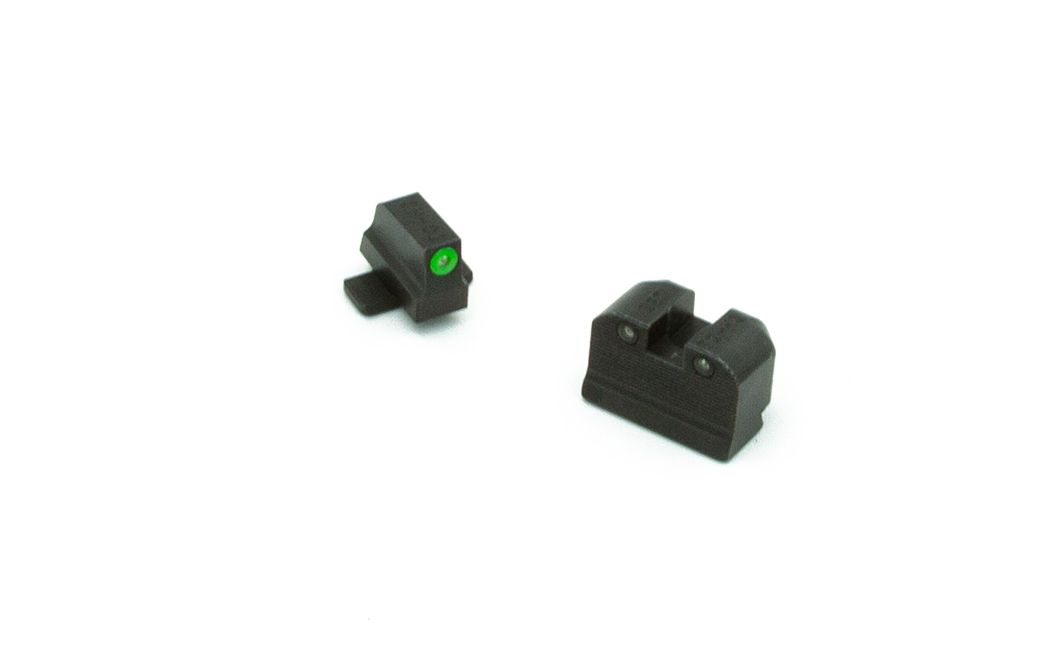
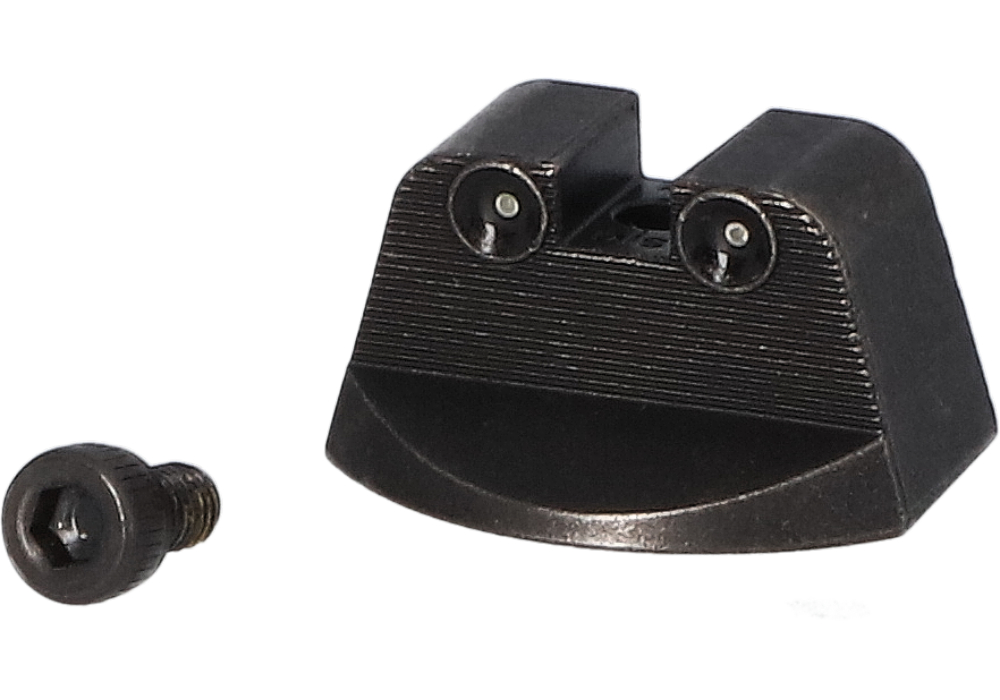
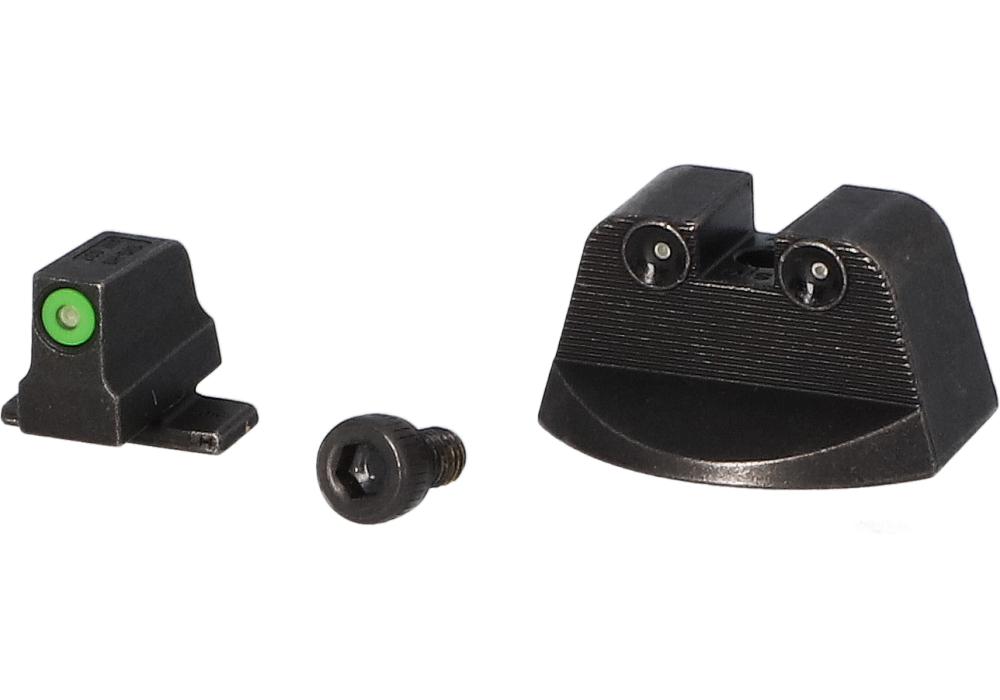
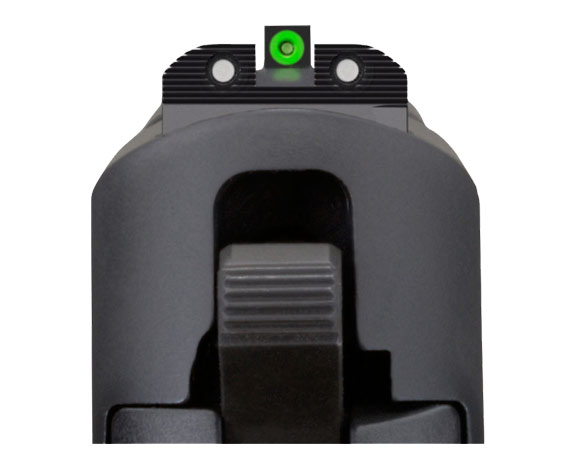
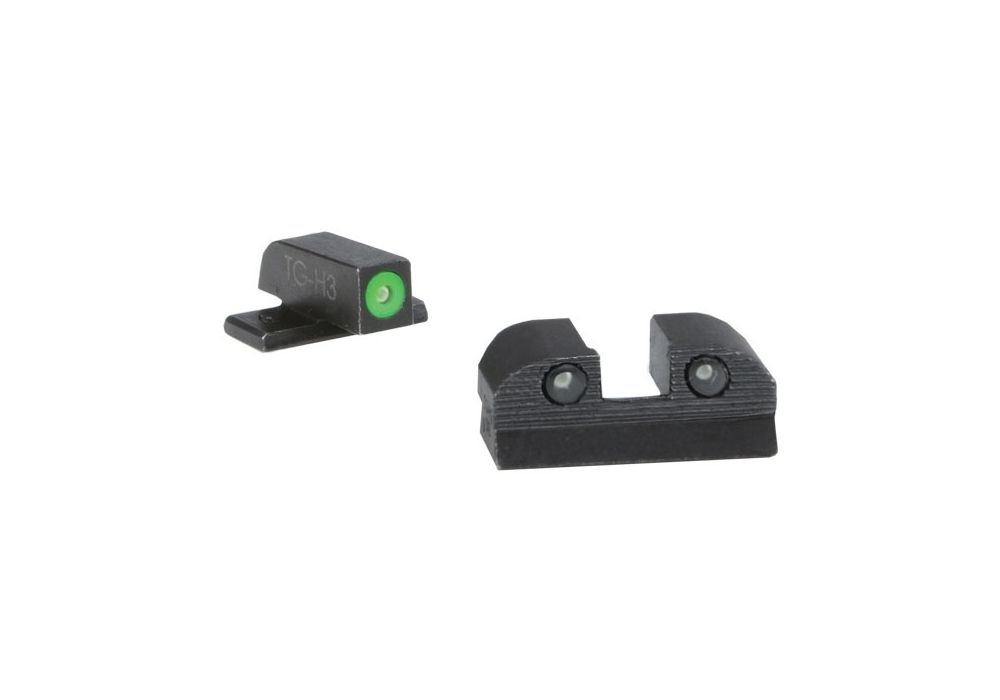
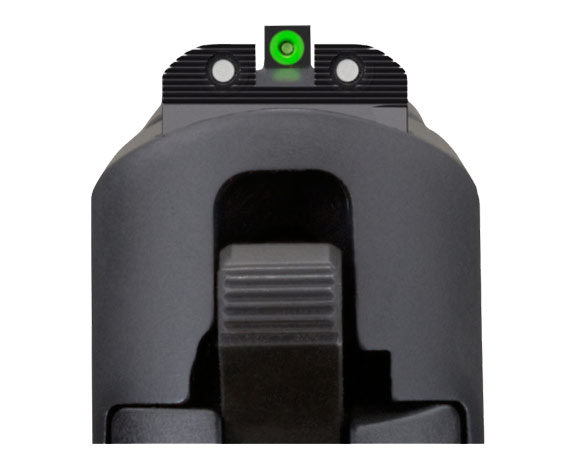
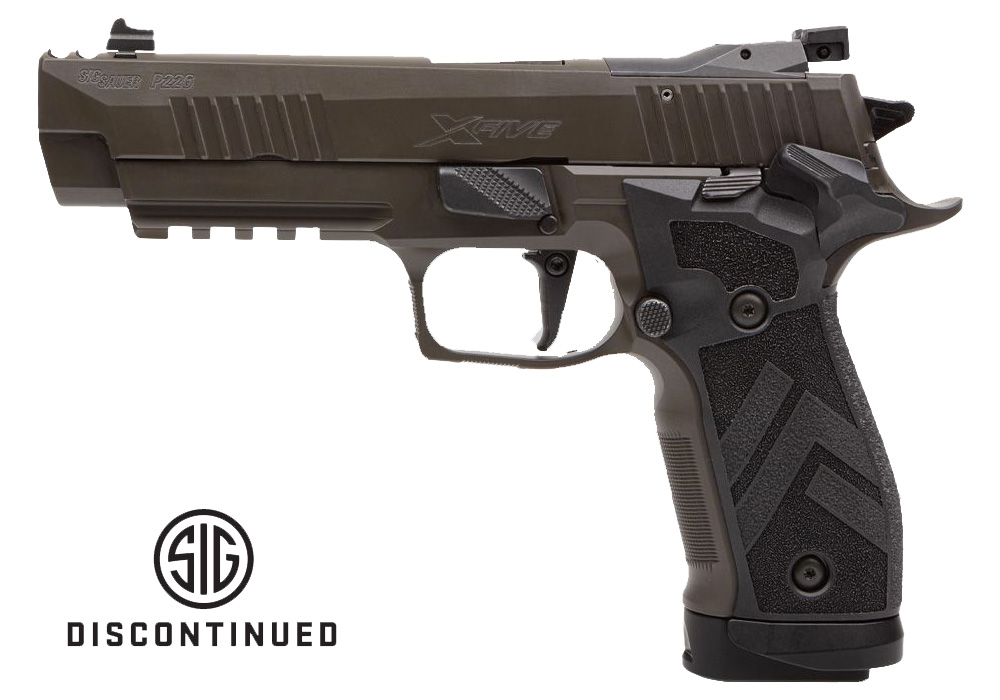
Black rear sight assemblies are replacement or upgrade iron sights designed to provide a clean, non-reflective sight picture on compatible handguns and rifles. Their dark finish helps reduce distracting glare and can draw the eye toward a contrasting front sight, making them a practical choice for range use, training, competition, carry setups, and routine maintenance. Depending on the firearm and sight design, a rear assembly may feature a plain notch, a serrated face, a square notch, or another profile intended to provide a defined reference point. Serrations can help break up reflected light across the sight face, while a plain black notch offers a traditional sight picture that many shooters appreciate for its simplicity. Black rear sights are also commonly paired with a bright, luminescent, or contrasting front sight when the goal is to make front-and-rear alignment easier to recognize in changing light. The right configuration depends on the firearm’s intended role, the shooter’s visual preferences, and the way the front sight is already set up. A carefully matched rear sight can make a familiar firearm feel more natural in the hand, much like replacing a worn pair of work gloves with a better-fitting pair: the improvement is subtle at first, then noticeable every time the equipment is used. For shoppers comparing options, it is useful to confirm whether the sight is intended for a handgun slide, a rifle receiver, or another platform, since rear sight assemblies are not universal. Dimensions, mounting method, sight height, notch width, finish, and compatibility with the existing front sight all affect the final sight picture. Some handgun assemblies use a dovetail mount, while other designs may interface with an optic-ready slide or a specific plate arrangement. The product description should be reviewed closely for firearm family, slide or receiver configuration, mounting details, and any required hardware before purchase. Those details matter because even a well-made sight will not perform as intended when its footprint or height does not match the firearm.
A black rear sight assembly can be a sensible replacement when an original sight has been damaged, loosened, lost its finish, or no longer suits the shooter’s preferences. It may also be selected as part of a broader setup for a new firearm, a carefully planned range configuration, or a restoration project where a traditional, subdued appearance is important. Shooters who spend time practicing during the cooler months may appreciate a sight picture that remains consistent as they move between an indoor range, a covered bench, and outdoor light. The same understated finish can be useful for defensive equipment, where a low-glare sight surface and familiar alignment are often valued. For target work, the width and shape of the rear notch deserve particular attention. A narrower notch may offer a more precise alignment reference for deliberate shooting, while a wider opening can make it easier to acquire the front sight quickly. Neither approach is automatically best; comfort, eyesight, shooting distance, and the chosen front sight all play a role. A rear sight with a squared profile can provide clear visual edges, while a rounded or differently shaped notch may better match a shooter’s established habits. Adjustability is another important consideration. Fixed assemblies are straightforward and maintain a consistent relationship with the firearm, while adjustable designs may allow controlled changes to windage or elevation for a preferred load and distance. Shoppers interested in that flexibility can also review Black Adjustable Rear Sights for Pistols for options built around a pistol sighting setup. When replacing a sight, compare the new assembly’s height with the existing front sight rather than judging the rear component alone. A change in height can alter point of impact, and even a small difference may be noticeable during careful practice. Any installation should follow the firearm and sight manufacturer’s instructions, use the proper tools, and be checked by a qualified professional when fitment is uncertain. After installation, confirm that the assembly is secure and verify the sight picture at a controlled range before relying on the setup for serious use.
Black rear sight assemblies are also a practical choice for someone assembling a thoughtful firearm accessory gift, particularly for an experienced shooter who knows the value of a precise fit and a familiar sight picture. They are less dependent on personal style than brightly finished accessories, yet still offer meaningful ways to refine a firearm. A gift recipient may use one as a replacement for a damaged factory sight, as an alternate configuration for a training firearm, or as part of a gradual upgrade plan. Because compatibility is so important, the most useful gift is chosen with the exact firearm model, sight cut, front sight height, and intended application in mind; when those details are unknown, a gift card or an opportunity to select together may be more practical than guessing. Before ordering, inspect the firearm’s owner information and existing sight arrangement, then compare measurements and manufacturer specifications. It is also wise to consider whether the firearm is used with an optic, since some platforms require a rear sight that integrates with an optic plate or occupies a specific position on the slide. For rifles, confirm the receiver or rail arrangement and whether the assembly is intended for a fixed or adjustable rear sight system. For handguns, check the dovetail pattern, installation direction, height, and relationship to the front sight. Once installed and confirmed, keep the sight surfaces clean with a soft cloth and inspect the assembly periodically for movement, impact damage, or changes in alignment. A small amount of dust or residue may be easy to overlook after a quiet session at the bench, but routine inspection helps preserve a clear sight picture and dependable fit. Store the firearm and accessories according to applicable laws, manufacturer guidance, and safe-storage practices, with firearms unloaded and secured when not in use. Whether selected for a first range setup, a replacement project, or a refined training configuration, a black rear sight assembly offers a durable, low-glare way to tailor the sight picture while maintaining a classic, functional appearance.