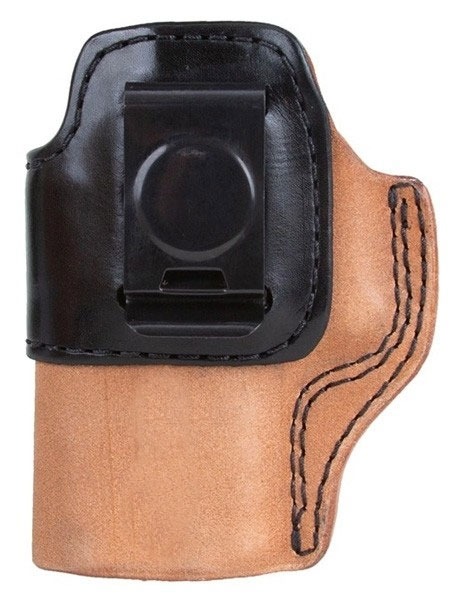
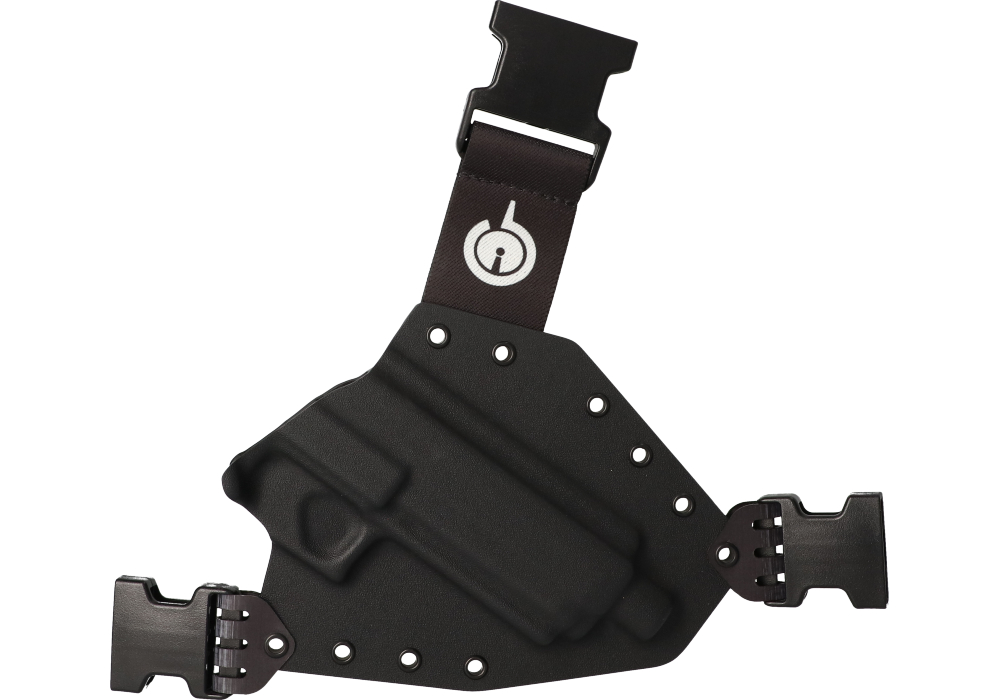
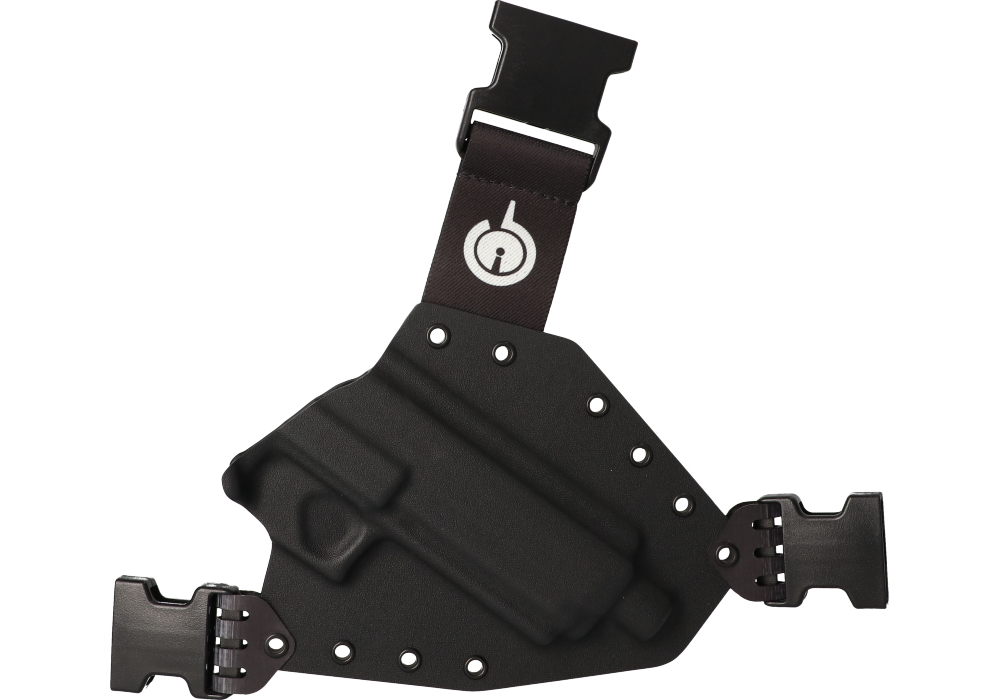
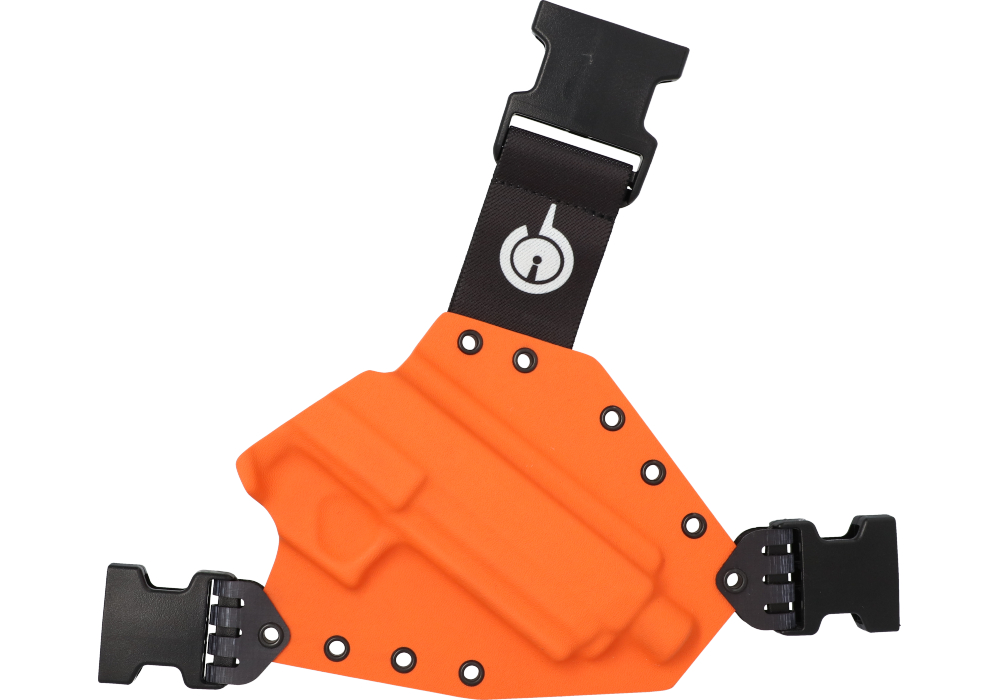
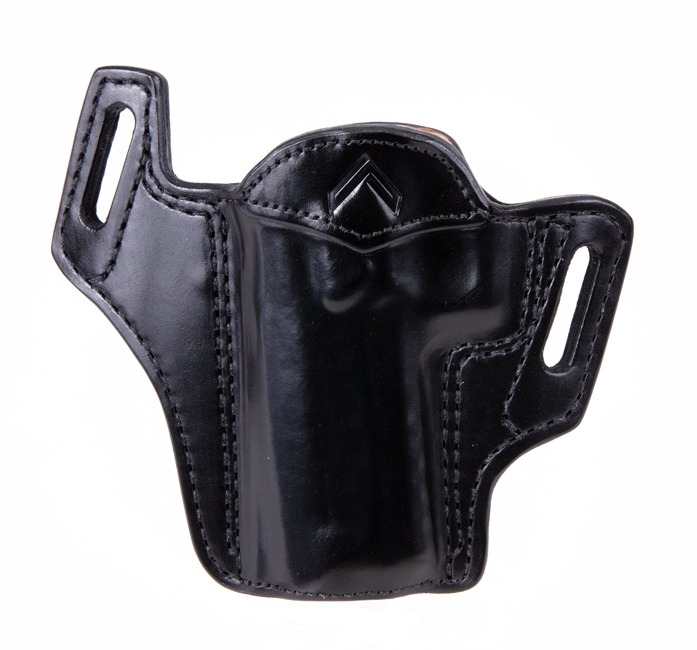
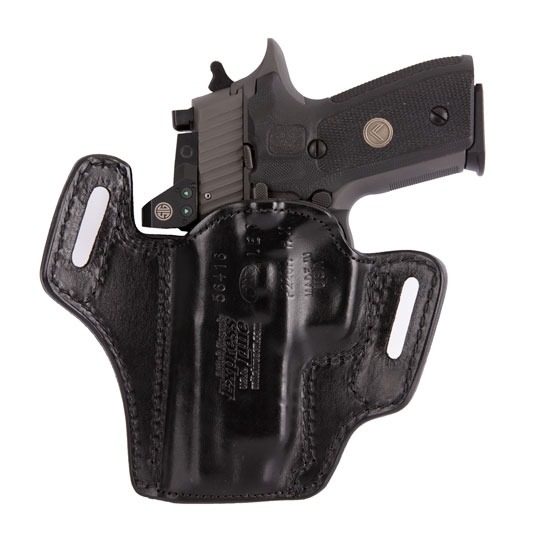
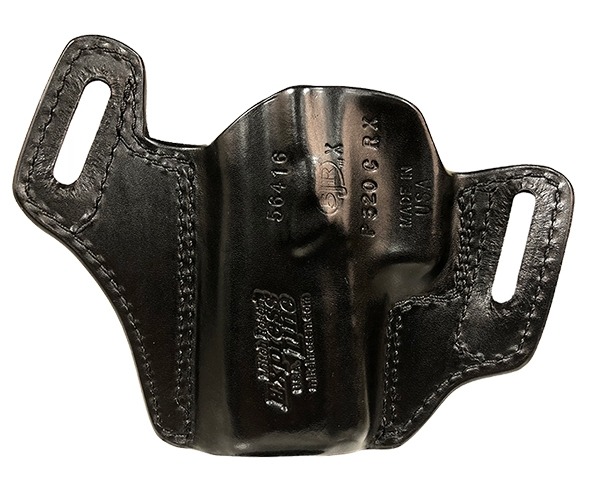
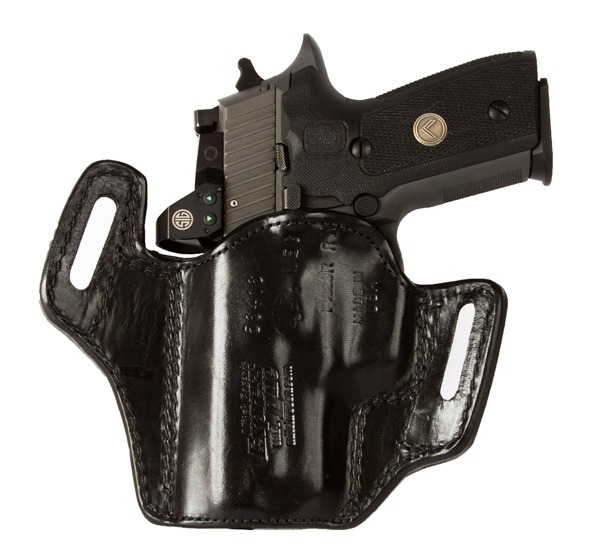
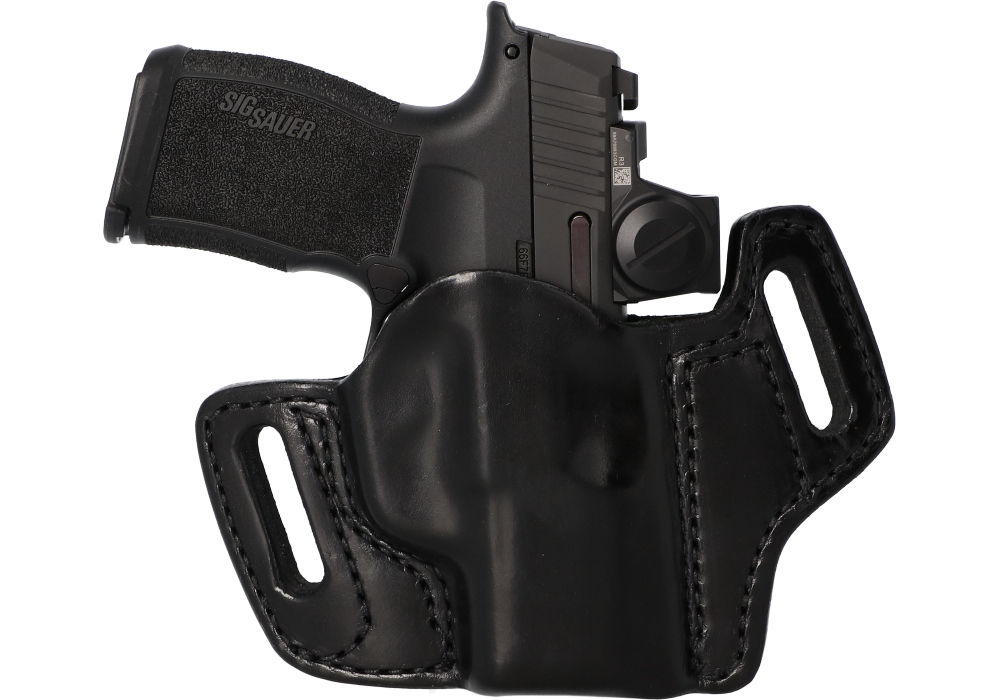
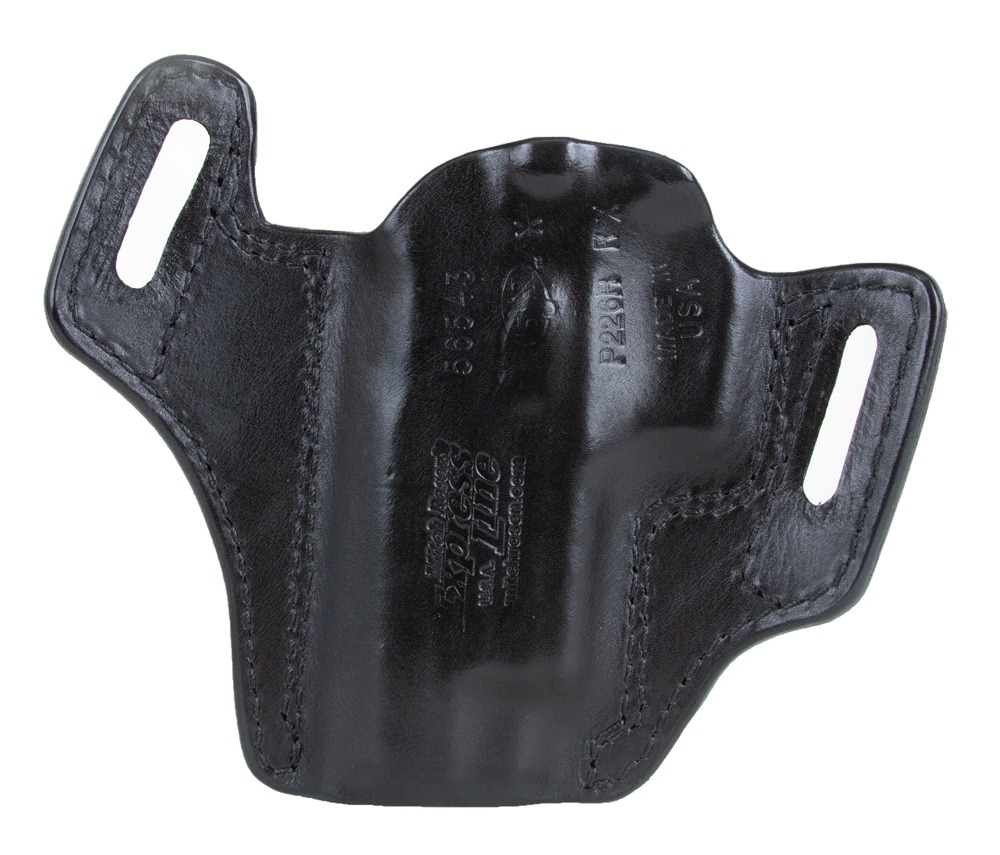
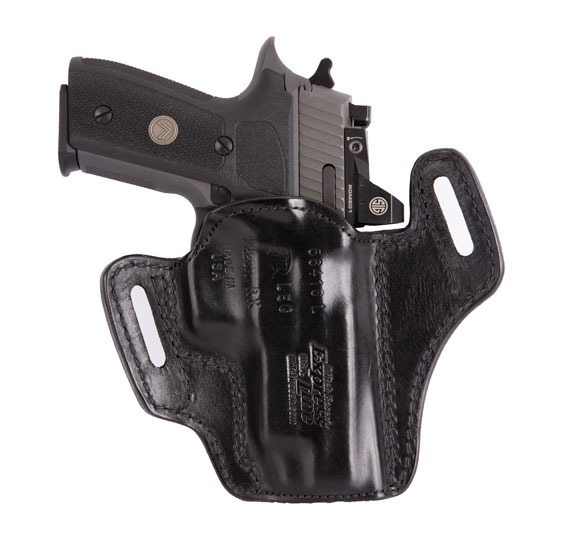
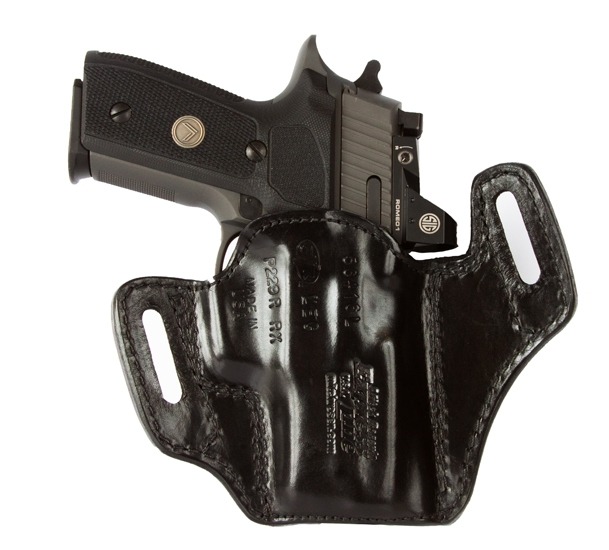
Body holsters are wearable systems designed to keep a firearm secured against the torso or waist while supporting a consistent, accessible carry position. Depending on the design, they may be worn inside the waistband, outside the waistband, beneath the arm with a shoulder harness, or around the midsection with a beltless band-style system. Each arrangement offers a different balance of concealment, comfort, accessibility, and stability. Inside-the-waistband body holsters sit between the firearm and the wearer’s clothing, making them a practical choice for people who prefer a discreet profile beneath a shirt, jacket, or light outer layer. Shoulder holsters suspend the firearm under the arm and distribute weight across both shoulders, which can feel comfortable during long periods of wear and pairs naturally with jackets or overshirts during cooler months. Belly bands and similar flexible systems can provide a secure carry option when traditional belt attachment is not practical, while hybrid designs may combine a soft, body-facing backing with a more rigid shell to support comfort and retention. The right choice depends on the firearm model, the wearer’s build, dominant hand, preferred carry position, clothing, and daily routine. Someone who spends much of the day seated in a vehicle may value a position that avoids pressure at the waist, while a person who walks, works outdoors, or frequently bends and reaches may place greater emphasis on stability and resistance to shifting. Before purchasing, confirm that the holster is specifically compatible with the firearm and any mounted accessories, including an optic, light, or other equipment. A proper fit should fully protect the trigger guard, hold the firearm securely during ordinary movement, and allow a controlled draw and reholstering process without forcing the wearer to adjust the firearm with the trigger finger.
Comfort is more than a soft backing or a low-profile outline; it is the result of how the entire carry system interacts with the body and clothing. Pay attention to the points where clips, straps, seams, or hardware may press against the ribs, hip, abdomen, or shoulder after several hours of wear. Adjustable ride height and cant can help align the grip with the wearer’s natural reach, while breathable materials may be appreciated during active use or when layered clothing becomes warmer indoors. A sturdy belt is especially important for belt-mounted body holsters because it helps support the combined weight of the firearm and holster without sagging or tilting. With shoulder systems, strap adjustment matters just as much: the harness should remain snug enough to stay in position while allowing normal breathing and movement. Concealment also depends on the clothing worn over the system. A relaxed overshirt, sweater, vest, or jacket can provide useful coverage, while tightly fitted garments may reveal the outline or create friction during the draw. During the cooler months, heavier layers can make concealment easier but may also slow access, so practice should include the actual clothing and outerwear used in daily life. A person who carries while driving should evaluate how a seat belt, steering wheel, or center console affects the chosen position. A person who spends time hiking, traveling, or working around a property should consider how the holster behaves when climbing, crouching, or carrying equipment. These details are easy to overlook when a holster is tried on for only a few minutes, yet they often determine whether it becomes dependable everyday gear or remains unused in a drawer. For shoppers comparing related categories, Small Holsters may also be worth reviewing when a compact carry setup or a different footprint better suits the intended firearm and clothing.
Body holsters can be a thoughtful gift for a responsible firearm owner, especially someone who has recently changed carry methods, added a new firearm, or wants a more comfortable option for commuting and everyday routines. Because fit is highly specific, gifting is easiest when the recipient’s exact firearm model, carry hand, preferred position, and accessory configuration are already known. When those details are uncertain, a conversation or gift receipt is more useful than guessing based on appearance alone. New owners should select a holster only after confirming compatibility and should seek qualified instruction on safe handling, loading and unloading, drawing, and reholstering. Every carry system should keep the muzzle pointed in a safe direction, maintain reliable trigger coverage, and remain secured when the wearer is walking, sitting, or moving through ordinary tasks. Practice should begin slowly with an unloaded firearm or appropriate training equipment, following all manufacturer guidance and applicable laws. It is also important to understand local requirements for concealed or open carry, transportation, storage, and access in restricted locations; regulations can differ by jurisdiction and may change over time. A body holster is one part of a broader carry setup that may include a suitable belt, supportive clothing, secure storage, and regular inspection for worn stitching, stretched elastic, loose fasteners, or damaged retention components. As seasons shift and clothing changes from lighter layers to heavier jackets, revisit the fit and practice accessing the firearm without sweeping clothing or equipment into the trigger area. With careful selection, proper adjustment, and consistent training, body holsters can provide a practical way to keep a firearm secure, accessible, and comfortably integrated into a responsible owner’s daily routine.