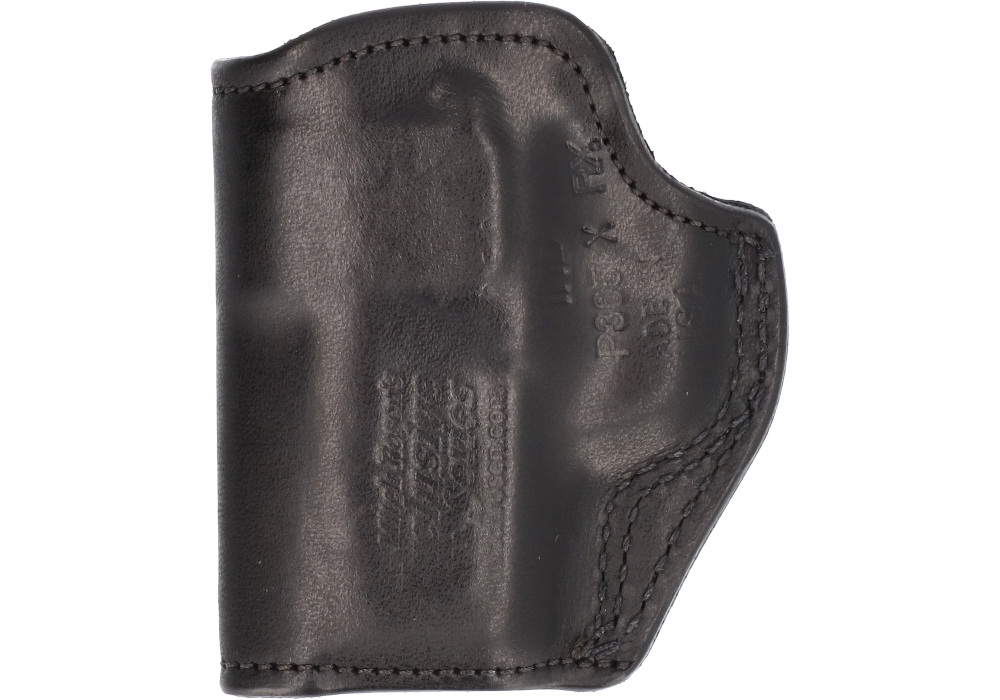
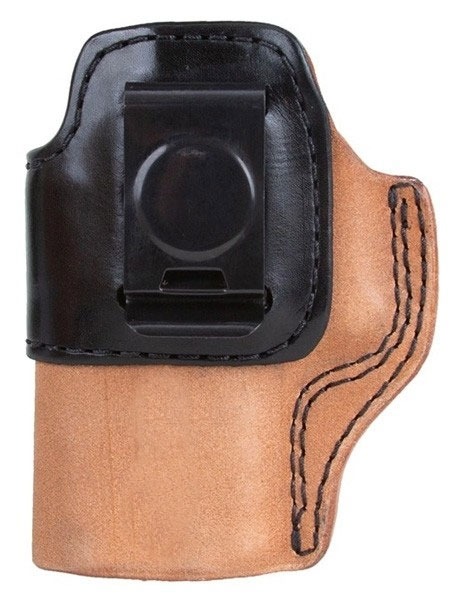
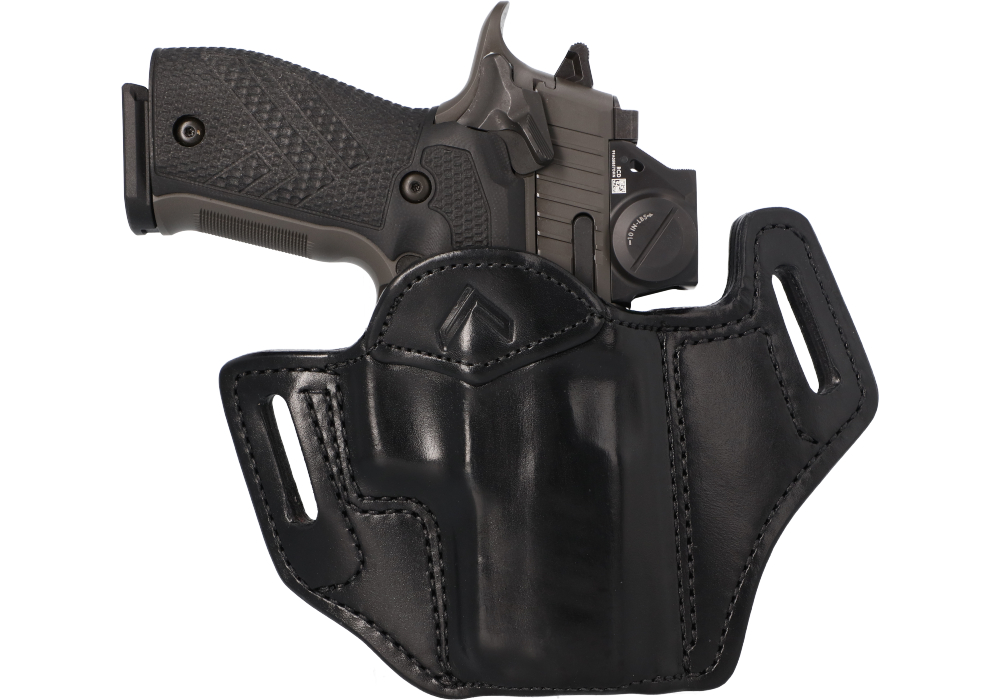
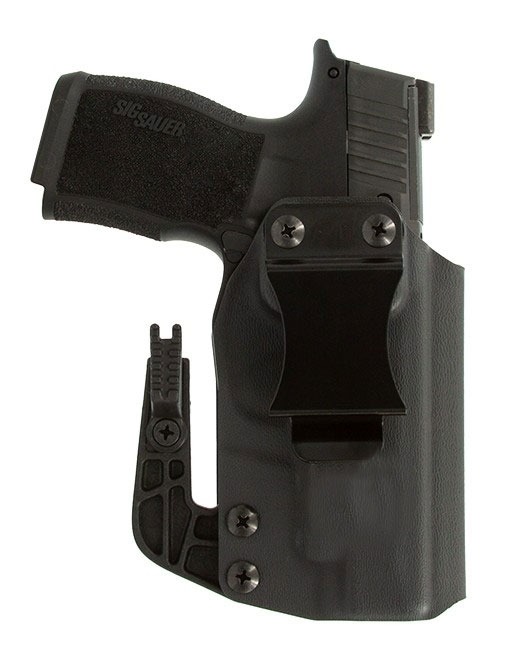
Carry holsters provide a secure, consistent way to carry a handgun while supporting safe handling, comfortable movement, and dependable access when lawful use is necessary. The right holster should be selected for the exact handgun model, configuration, and intended carry position rather than treated as a one-size-fits-all accessory. A properly fitted holster completely covers the trigger guard, holds the firearm securely during normal movement, and stays open enough to support careful re-holstering without placing fingers near the trigger. Many shooters begin with inside-the-waistband, or IWB, carry because it places the handgun close to the body and can provide a discreet profile beneath an untucked shirt, jacket, or sweatshirt. Appendix carry and hip carry are common IWB positions, although comfort depends on body shape, clothing, sitting habits, and the handgun’s size. Outside-the-waistband, or OWB, holsters mount on the outside of a sturdy belt and often provide a familiar draw stroke, a comfortable fit, and straightforward access at the range, around a property, or under a covering garment. They generally require more attention to concealment, especially when clothing becomes lighter or more fitted, while a longer coat or overshirt during cooler months may make concealment easier. Shoulder rigs, belly bands, and thigh-mounted setups can serve more specialized clothing or activity needs, but each should be evaluated for stability, trigger coverage, retention, and the ability to keep the firearm oriented safely. A holster is also an important part of a complete carry setup: a purpose-built belt, suitable clothing, and a secure magazine carrier can help the system remain stable instead of shifting as the wearer walks, bends, drives, or moves through a busy day.
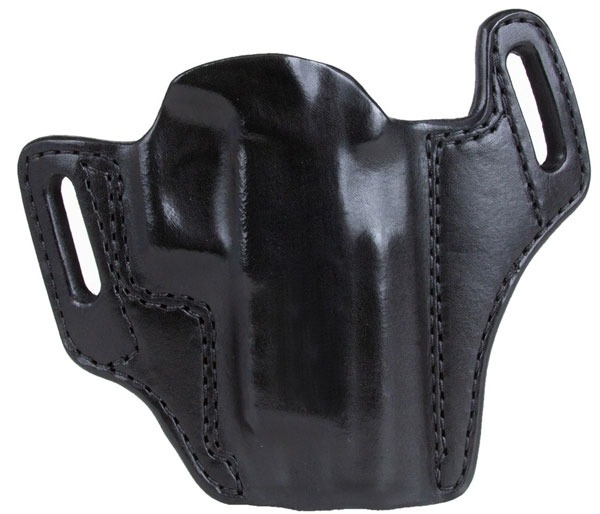
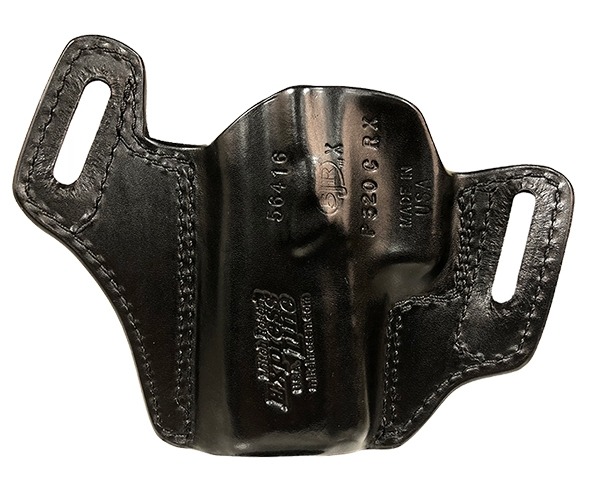
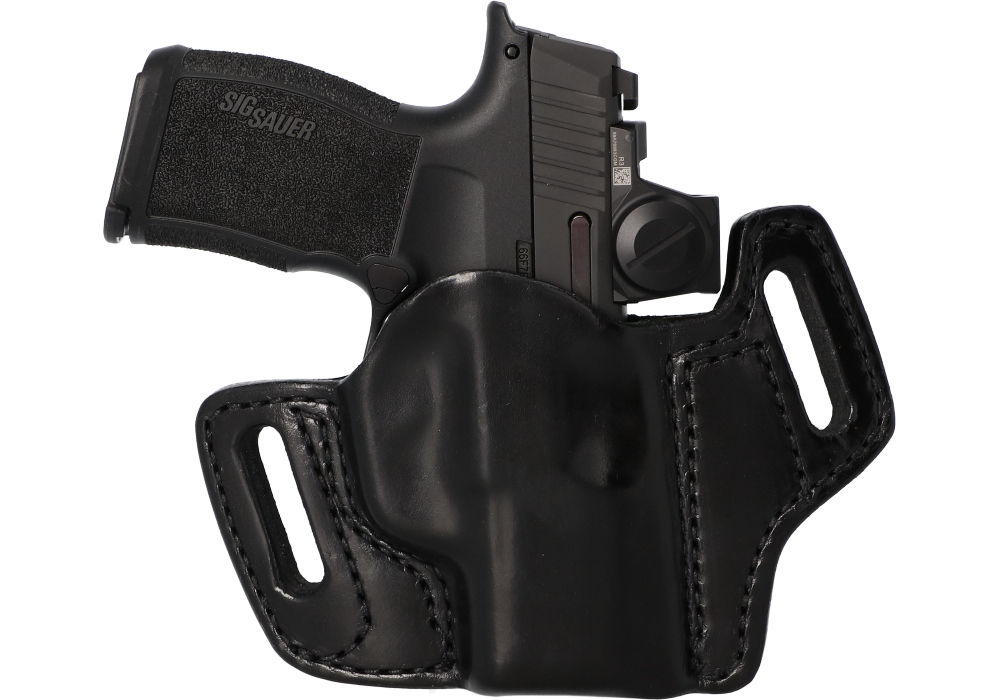
Material and construction affect both the feel of a carry holster and the way it performs over time. Molded polymer designs are valued for their defined shape, low-maintenance surfaces, and ability to preserve the opening for controlled re-holstering. Leather can offer a traditional appearance and a comfortable, broken-in feel, while hybrid designs may combine a supportive backing with a shaped shell. Regardless of material, the holster should fit the intended handgun without excessive looseness, rubbing controls, or interference with the sights, light, or other installed accessories. Retention may come from the molded fit, adjustable tension, a passive locking feature, or an active release system, and the appropriate choice depends on how and where the holster will be worn. A person spending most of the day seated may prioritize a slim profile and smooth edges, while someone walking outdoors, working around equipment, or managing frequent movement may place greater emphasis on positive retention and a stable mounting point. Handedness and cant—the angle at which the handgun sits—also matter because they influence grip consistency and comfort. Color is another practical consideration, particularly for shoppers assembling a coordinated carry setup. A subdued option such as Black Holsters can pair naturally with everyday belts, dark outerwear, and range equipment, while the more important selection criteria remain proper fit, safe trigger coverage, dependable retention, and comfortable wear. Before carrying, inspect the holster for cracks, loose fasteners, worn attachment points, or changes in fit. Clothing should not be allowed to enter the trigger guard during holstering, and the handgun should be unloaded whenever fit, adjustment, or compatibility is being checked.
Carry holsters can be useful for experienced concealed carriers, open carriers where permitted, range users, outdoor enthusiasts, and new handgun owners who are building a responsible routine with qualified instruction. They can also be a thoughtful gift for a family member or friend who has already identified a compatible handgun and understands local laws, provided the giver confirms the model, handedness, carry position, and accessory configuration first. A holster chosen without those details may look appealing but fail to fit the recipient’s firearm or preferred method of carry. For someone new to carrying, comfort should not be judged only while standing in front of a mirror. A few minutes of walking, sitting at a desk, getting into a vehicle, and reaching for ordinary household items can reveal pressure points or movement that are easy to miss at the counter. During the cooler months, heavier layers can affect concealment and may catch on the grip or holster during movement, while warmer weather and lighter clothing can make bulk and printing more noticeable. Regular practice with an unloaded firearm and a safe training setup can help establish a deliberate draw and re-holstering routine, but live-fire training with a qualified instructor remains valuable for refining technique and understanding the equipment. Off-body carry in a bag or dedicated compartment may suit certain circumstances, yet it requires strict control of access and a compartment that keeps the handgun isolated from keys, tools, chargers, and other objects. No matter which style is selected, the most dependable carry holster is one that fits the specific handgun, protects the trigger, stays secure through normal activity, and supports careful, repeatable handling every time it is worn.