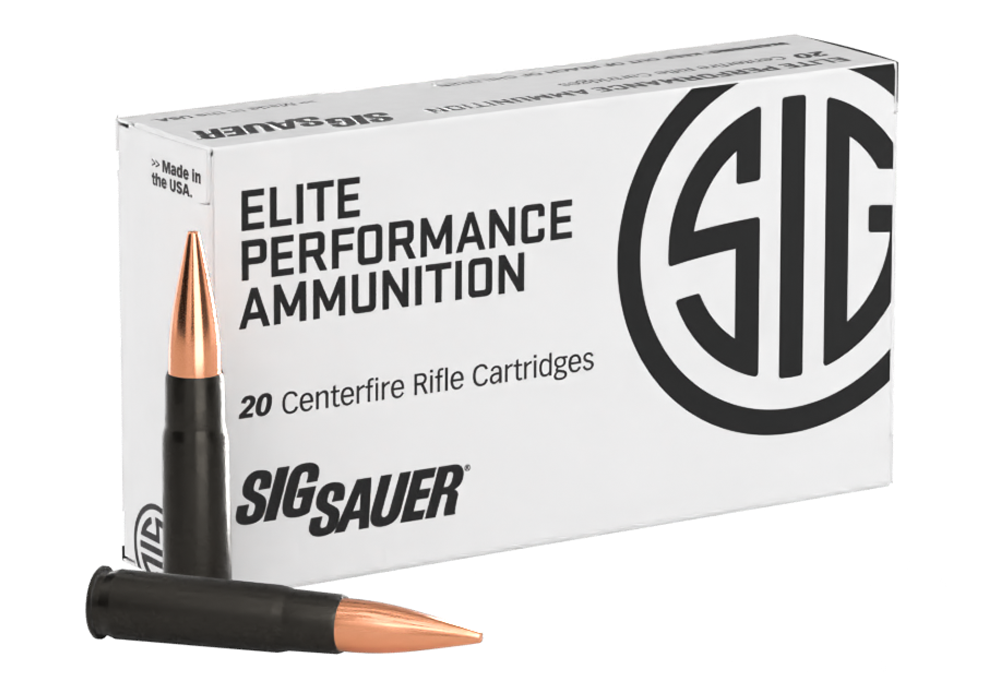
A box of 20 ammunition is a familiar format for many centerfire rifle cartridges and select shotgun slug loads, offering a practical quantity for sight-in work, hunting preparation, match practice, or a carefully planned trip to the range. This packaging size gives shooters enough rounds to confirm point of impact, evaluate consistency, and set aside a few cartridges for field use without committing to a larger case before they know how a particular load performs in their firearm. When browsing box of 20 ammunitions, begin by matching the cartridge or gauge precisely to the markings on the firearm and to the manufacturer’s specifications. Similar-looking designations are not always interchangeable, and details such as bullet weight, projectile construction, velocity, and intended application can influence both performance and suitability. A hunter preparing during the cooler months may look for a dependable hunting load designed for the game and environment, while a recreational shooter may prioritize a full-metal-jacket or other range-oriented option for economical practice and optic confirmation. Shooters preparing for a match often compare bullet weight and ballistic characteristics with the requirements of their rifle and course of fire. The right choice is not simply a matter of selecting the largest or fastest option; it is about finding ammunition that complements the firearm, the distance, the target, and the purpose of the session.
The compact box size also makes these loads convenient to organize in a range bag, locking ammunition container, or storage cabinet. A box of 20 can serve as a straightforward inventory reference: one box for confirming a new optic, another for a hunting trip, or a few boxes reserved for practice with the same rifle. Before purchasing, review the cartridge designation, bullet type, bullet weight, and any stated performance information, then consider whether the load is intended for paper targets, competition, hunting, or another lawful purpose. Accuracy can vary from one firearm to another, so many experienced shooters keep notes about the loads they test, recording the date, conditions, group size, and point-of-impact changes after an optic adjustment. There is something reassuring about opening a fresh box on a crisp range morning, checking each cartridge for clean, undamaged components, and knowing exactly what is available for the session ahead. Ammunition should be handled with the same care as any other firearm component: keep it dry, protect it from excessive heat and moisture, store it securely away from unauthorized access, and follow the firearm and ammunition manufacturers’ instructions. At the range, use appropriate eye and ear protection, observe posted rules, and inspect ammunition before loading. If a cartridge appears damaged, corroded, or otherwise questionable, do not use it; follow safe disposal or retailer guidance instead.
A box of 20 ammunition can be a useful choice for a first-time rifle owner, an experienced hunter refining a preferred load, or a range regular who wants a manageable quantity for testing and training. It may also be a thoughtful gift for a legally eligible shooting enthusiast when the exact caliber and intended use are known, although ammunition is a highly specific gift and should never be selected by guesswork. A gift recipient may appreciate a box for an upcoming sight-in session, a hunting camp, or a day spent practicing from the bench, but confirming the firearm’s chambering beforehand is essential. For shooters who regularly train or prepare for an extended outing, a standard box can be paired with additional selections from Bulk Tactical Rifle Ammunitions when a larger supply is appropriate. As the weather shifts from warmer range days to cooler outdoor sessions, reliable storage and careful planning become even more valuable. Check applicable federal, state, and local requirements before ordering or transferring ammunition, since purchasing rules, age restrictions, shipping policies, and background-check requirements can vary by jurisdiction. Choose a secure delivery location where permitted, keep records of what you have on hand, and transport ammunition in accordance with local law and range policies. Whether the goal is to confirm an optic, prepare for a lawful hunt, build familiarity with a rifle, or keep a trusted load organized for the next range visit, a thoughtfully selected box of 20 offers a practical starting point and a clear way to match ammunition to the shooter’s needs.