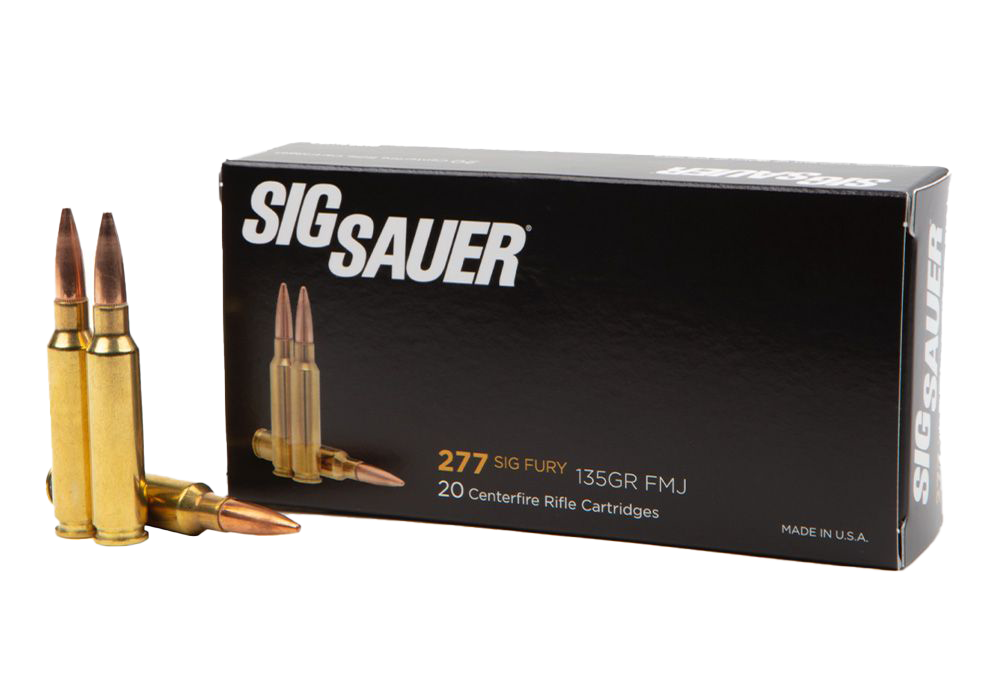
Bullet supplies encompass the projectiles and reloading components used by experienced shooters, hunters, competitors, and hobbyists who prefer to select components carefully for a particular firearm and purpose. In the most basic sense, a complete metallic cartridge is built from four physical components: the brass case, primer, smokeless powder, and projectile bullet. The bullet is the portion that exits the barrel, while the case holds the primer, powder, and projectile together until the cartridge is fired. Because components are not interchangeable across every firearm, cartridge, or load, shoppers should begin by confirming the exact cartridge designation marked on the firearm and comparing it with the specifications listed for each component. Similar-sounding designations can have important differences, and a bullet intended for one cartridge may not be suitable for another even when the diameter appears close. Projectiles are available in different weights, profiles, and jacket constructions, including traditional lead-core designs and copper-jacketed options, with each configuration influencing how a finished cartridge performs. Some shooters choose components for practice and general range use, while others look for projectiles suited to competition, varmint control, or hunting applications where terminal performance and local regulations may guide the decision. An assortment of bullets can also be a thoughtful gift for an experienced reloader, but component gifts are best selected with the recipient’s exact cartridge, equipment, and established loading practices in mind. During the cooler months, organized component storage makes it easier to keep a loading bench ready for quiet evenings indoors, methodical preparation, and the next range outing when conditions improve.
Reloading supplies extend well beyond the projectile itself. Brass cases are commonly inspected, cleaned, resized, and reused when their condition and the manufacturer’s guidance permit, making case condition an important part of component selection. Primers are cartridge-specific components that initiate the powder charge and must be matched to the intended cartridge and loading data; they should be handled gently and stored in accordance with applicable safety guidance. Smokeless powder is available in many formulations, and each type has its own published data, pressure characteristics, and approved applications. Powder should never be selected by appearance, assumed similarity, or an informal substitution. Presses and dies provide the mechanical foundation for resizing cases, removing spent primers, seating new primers, and positioning a projectile, while shell holders and related accessories must correspond to the cartridge being prepared. A dependable scale is used to verify powder weight, and a powder measure can help dispense consistent charges when used carefully and checked frequently. Case-preparation equipment may include calipers for measuring overall length, a trimmer for bringing cases back within specification, and chamfering or deburring tools for smoothing the case mouth. Cleaning equipment, storage trays, and clearly labeled containers can help keep components separated and the work area orderly. For anyone building a reloading setup, compatibility matters as much as convenience: confirm that dies fit the chosen press, that shell holders match the case, and that measuring tools are appropriate for the tolerances involved. Published load manuals and current manufacturer data should remain the authority for safe combinations, charge weights, seating depths, and pressure limits. Online listings can help compare availability and component characteristics, but they do not replace the instructions supplied with the equipment or the validated data for a specific cartridge.
Selecting bullet supplies is ultimately a matter of matching the component to the firearm, intended use, and experience level of the person handling it. A new buyer may start with a small, clearly identified selection of components and the essential measuring and case-preparation tools rather than assembling an assortment based only on price or appearance. An experienced reloader may be more interested in consistent case lots, a particular projectile weight, replacement die components, or additional organization for a well-established bench. Shooters who primarily purchase factory-loaded ammunition may still find value in bullet supplies for understanding cartridge construction, maintaining a supply of compatible practice options, or giving a knowledgeable friend a useful addition to an established setup. Affordability is only one consideration; consistency, published specifications, availability, and compatibility with existing equipment are equally important. Shoppers comparing economical projectile options can browse Affordable Bullets while confirming caliber, diameter, weight, and intended application before placing an order. Ammunition components should be kept in their original or clearly marked packaging, protected from moisture and excessive heat, and stored securely away from children and unauthorized users. Powders and primers should remain separated as directed by applicable regulations and manufacturer recommendations, and different powders or primers should never be combined in a container. A careful routine also includes checking cases for splits, corrosion, deformation, or other damage; verifying every label before use; keeping only one powder type on the bench at a time; and stopping immediately when a measurement, component, or instruction is unclear. These habits matter whether supplies are being organized for a busy range season, set aside for indoor bench work as the weather cools, or presented as a practical gift to a seasoned enthusiast. With accurate identification, compatible equipment, reliable reference data, and disciplined storage, bullet supplies can support a more deliberate and consistent approach to ammunition preparation while helping each purchase serve a clear purpose.