Carbine handguards provide a protective, practical interface between the shooter and the rifle, covering the portion of the barrel that becomes hot during repeated firing while creating a comfortable place to support the firearm. They are commonly selected for AR-pattern rifles and M4-style carbines equipped with a carbine-length gas system, although exact compatibility depends on the rifle’s barrel nut, gas block, front sight arrangement, receiver configuration, and existing handguard mounting system. A traditional carbine handguard is often approximately seven inches long, but available lengths and profiles vary, so checking the firearm manufacturer’s specifications before purchase is essential. Drop-in or clamshell handguards use a two-piece design that can fit around a standard delta ring and front-sight gas block without removing the barrel nut, making them a practical choice for a straightforward replacement or an upgrade on a classic configuration. Many include internal heat shields or reinforced polymer construction to help keep the support hand more comfortable during extended practice. For a more streamlined appearance and additional flexibility, a free-float handguard attaches to its own barrel nut rather than bearing against the barrel. By minimizing outside pressure on the barrel, a free-float design can help preserve consistent barrel harmonics and reduce the effect of sling or barricade pressure on point of impact. The right choice ultimately balances fit, weight, handling, accessory needs, and the way the carbine is used. A rifle kept ready for training in a compact case may benefit from a slim, lightweight profile, while a carbine configured for longer practice sessions may call for additional ventilation, a more substantial gripping surface, or a handguard that offers more room for a light and other equipment.
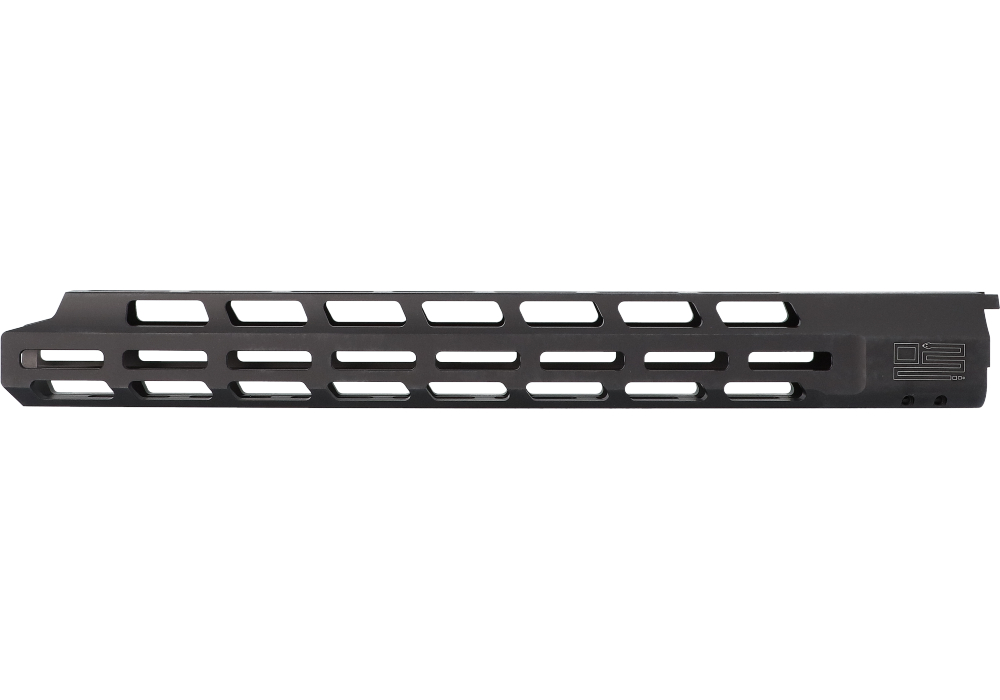
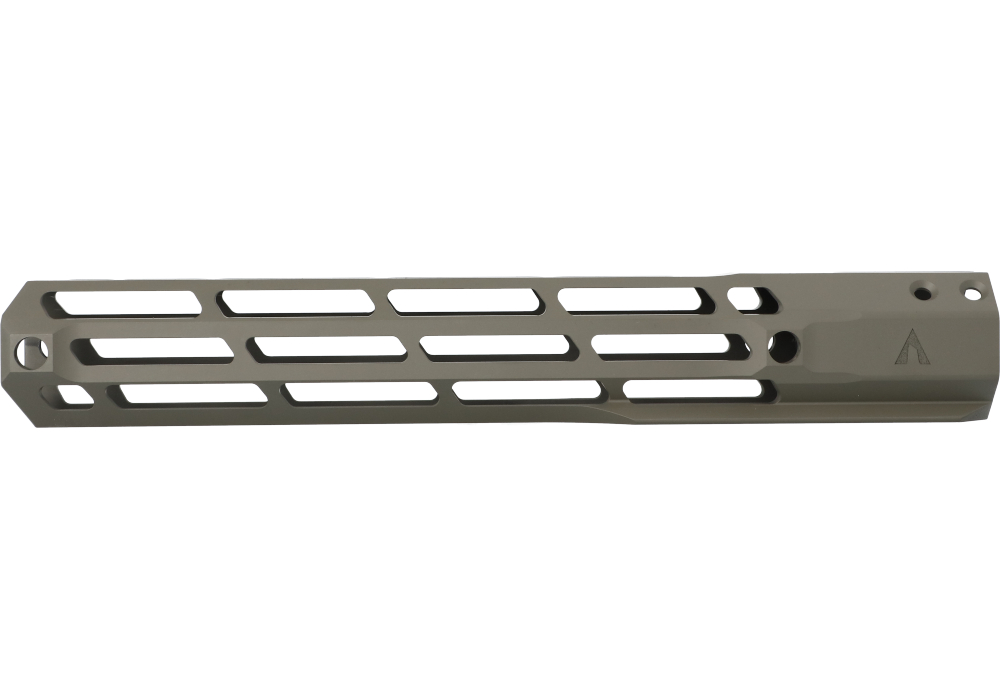
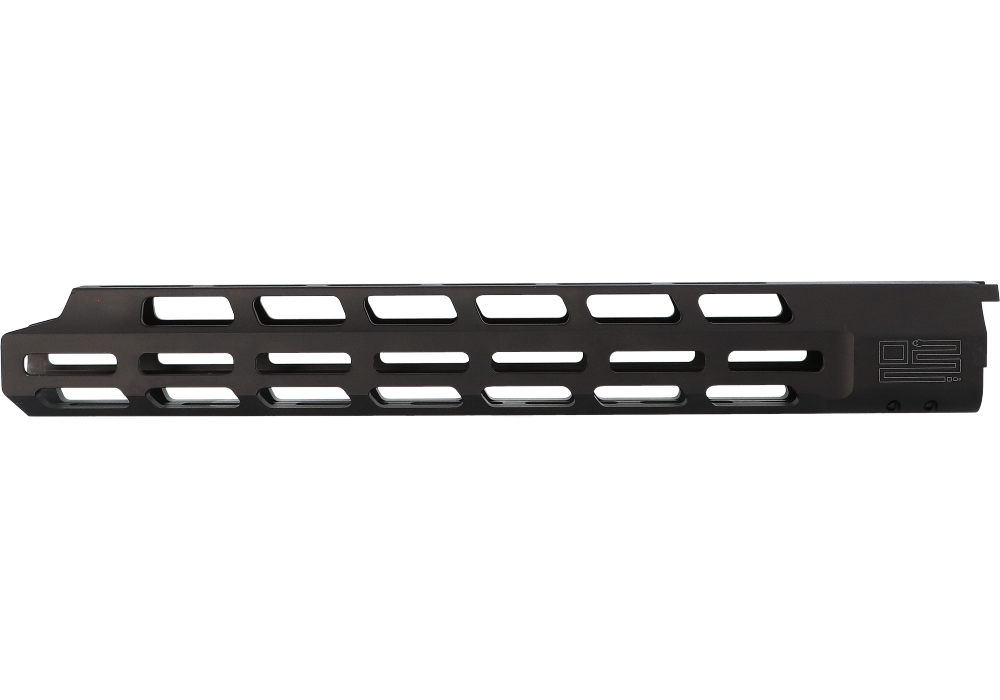
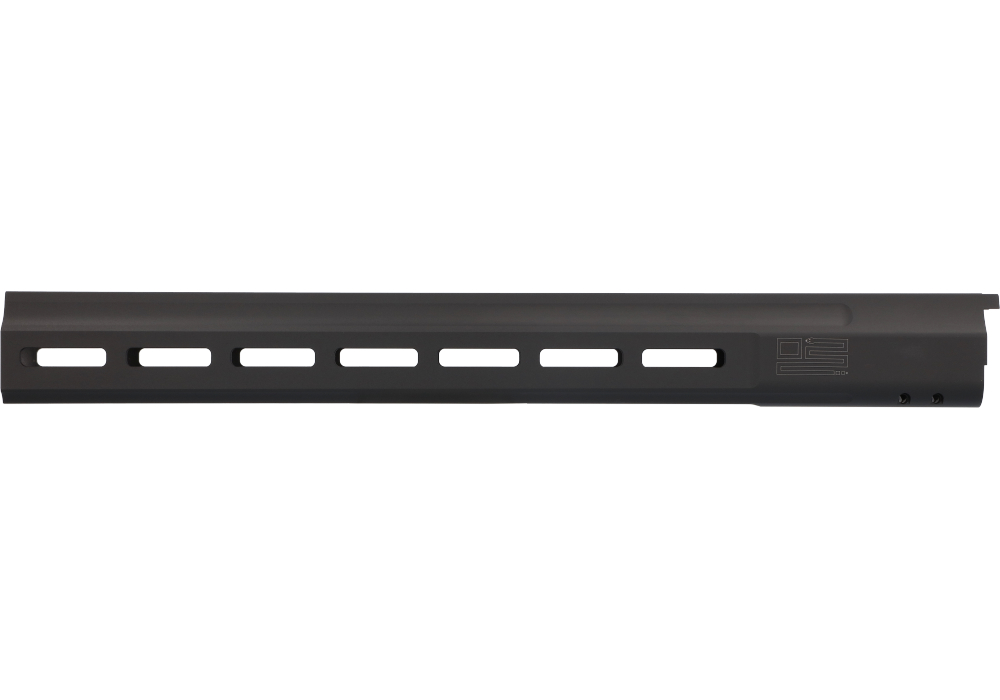
Mounting options are one of the most important differences among carbine handguards. M-LOK-style handguards use elongated slots that accept compatible accessories directly, allowing the shooter to place a light, sling mount, hand stop, or other component only where it is needed. This keeps the exterior clean and helps avoid unnecessary bulk, which can make a noticeable difference when moving through tight spaces or carrying a carbine for several hours. Many shooters appreciate the way a modular handguard lets them begin with a simple setup and make small changes over time as their preferences develop. Picatinny or 1913 rail sections provide a more continuous attachment surface and can be useful when mounting legacy accessories or equipment that requires a traditional rail interface. Quad-rail designs place rails on multiple sides for broad accessory placement, offering a secure, familiar mounting system at the cost of additional weight and a more angular feel in the hand. Slim handguards can feel natural when firing from standing or kneeling positions, while a wider profile may be more comfortable for users wearing gloves during cooler months. Texture, circumference, edge treatment, ventilation, and the location of any integrated hand stop all affect how confidently the carbine can be supported. When comparing options, consider whether the handguard leaves sufficient clearance around the gas block, whether it works with the intended front sight, and whether its mounting hardware is appropriate for the rifle. For shoppers seeking a focused configuration, Compact Black Handguards for Carbines can provide a useful starting point for reviewing compact options in a subdued finish that pairs naturally with a wide range of carbine setups.
Carbine handguards may appeal to new firearm owners building a carefully considered configuration, experienced shooters refining the feel of a familiar rifle, or a thoughtful gift-giver looking for a useful accessory for someone who already owns a compatible carbine. They can be especially practical for a shooter who has added a light, adjusted sling placement, or discovered that the original handguard becomes uncomfortable as a training session continues. Picture a late-afternoon range session during the warmer part of the year: after several magazines and repeated movement drills, a properly fitted handguard gives the support hand a consistent surface while helping shield it from barrel heat. During cooler months, the same carbine may be handled with gloves, making grip circumference and access to controls even more important. Before giving a handguard as a gift, confirm the recipient’s rifle pattern and mounting system rather than relying on appearance alone; two carbines that look similar can require different barrel nuts, heat shields, or installation methods. Installation should follow the manufacturer’s instructions, with unloaded firearm handling, appropriate eye protection, and careful attention to torque specifications and alignment. If the handguard requires barrel removal or gas-system work, a qualified gunsmith can help ensure that the barrel nut, gas tube, gas block, and handguard are properly positioned. After installation, inspect for movement, confirm that accessories are secure, and verify that the firearm functions safely before regular use. With proper fit and thoughtful configuration, a carbine handguard can improve comfort, protect the support hand, organize essential accessories, and give an established rifle a more purposeful feel for training, range use, and responsible ownership.