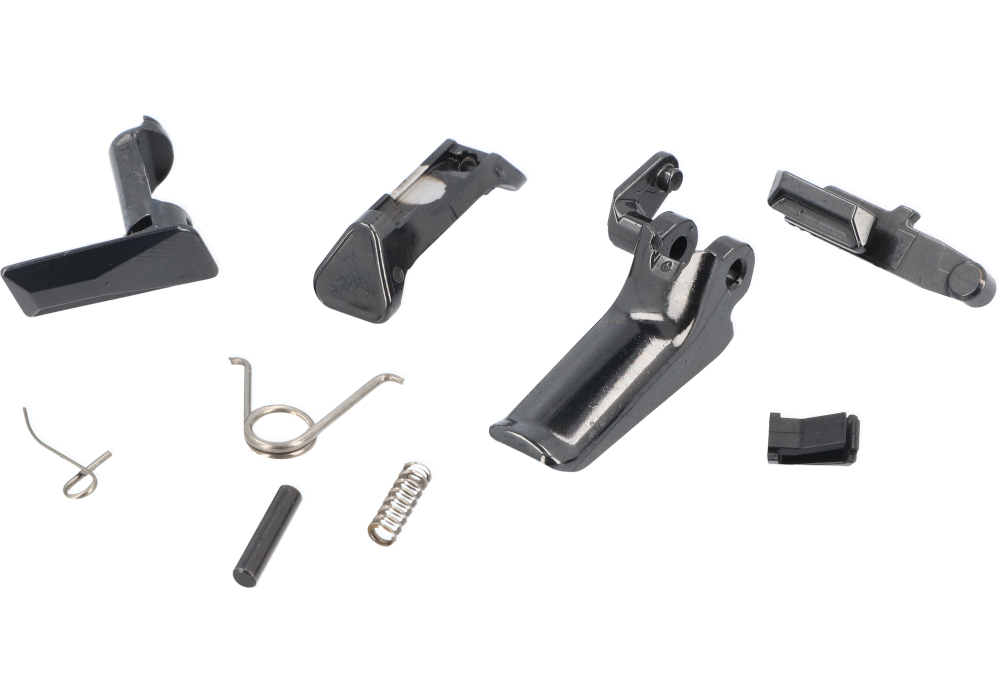
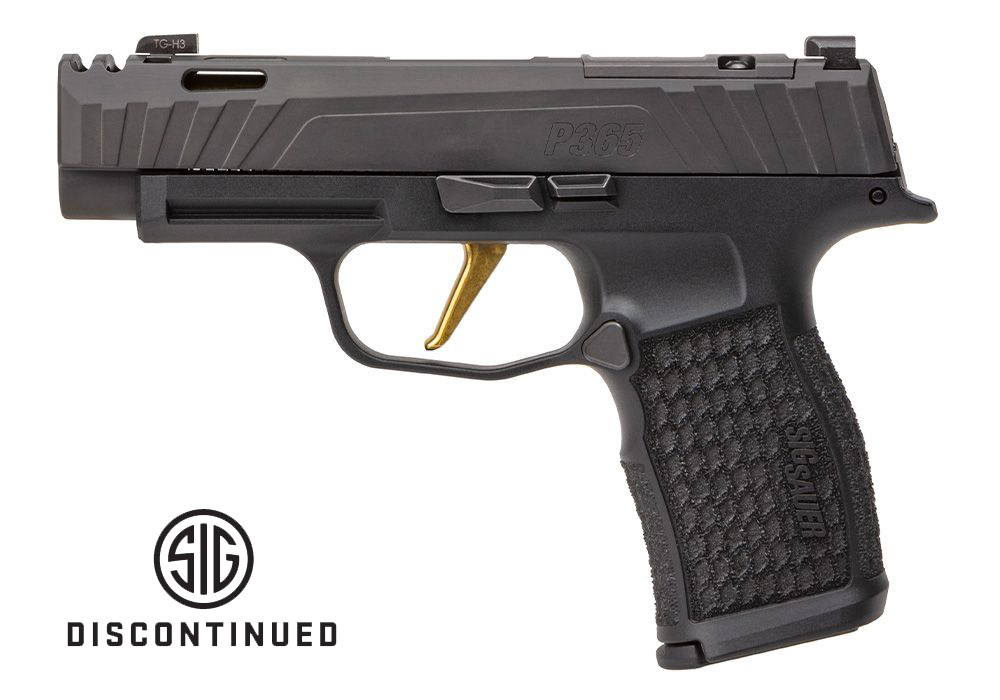
Coated triggers are firearm fire-control components treated with specialized finishes to improve surface performance, durability, and consistency. A coating can reduce friction where the trigger, connector, sear, and related parts interact, helping the mechanism move with less drag and a cleaner, more predictable release. It does not replace proper fit, safe handling, or professional installation, but it can be a meaningful consideration when selecting an upgrade or replacement component. Common finishes include nickel-based coatings with Teflon or similar low-friction properties, diamond-like carbon finishes designed for hardness and wear resistance, nitride or Melonite treatments that harden the surface of steel, and phosphate finishes valued for their matte appearance and ability to retain protective oil. Each approach brings a different balance of feel, corrosion resistance, hardness, appearance, and maintenance requirements. A coated trigger may be especially appealing to someone refining a well-used firearm, assembling a competition-oriented setup, maintaining a defensive firearm, or replacing a worn factory component with a part selected for a smoother interface. The coating itself should be viewed as one element of the complete trigger system. Geometry, spring weight, reset characteristics, sear engagement, platform compatibility, and manufacturing tolerances all contribute to performance. For that reason, a trigger that looks similar to another may not deliver the same result, and a finish that feels exceptionally slick by hand is not necessarily the best choice for every application. Start by confirming the exact firearm model, generation, action type, and intended configuration before making a purchase. Compatibility details can include more than the broad platform name, particularly when parts differ between full-size and compact models or between single-action, striker-fired, and hammer-fired systems.
The most noticeable benefit for many shooters is a more refined trigger press. Friction between untreated surfaces can contribute to a gritty or uneven sensation, while a well-executed coating may allow mating components to move more cleanly with less reliance on heavy lubrication. That can support a more consistent press and a sharper, easier-to-recognize break, followed by a reset that is easier to feel during controlled practice. Coatings may also help protect exposed surfaces from sweat, powder residue, dust, and occasional moisture. This matters for firearms carried close to the body, used outdoors, handled frequently at the range, or stored through changing conditions during the cooler months. Corrosion resistance is not a substitute for cleaning, inspection, or appropriate storage, though. A light, manufacturer-approved lubricant and a dry, protected storage environment remain important, and excess oil can attract debris inside the fire-control group. Finish selection often comes down to priorities. Nickel-based low-friction treatments can be attractive for a smooth, polished feel and straightforward maintenance. Diamond-like carbon is often chosen where hardness and resistance to repeated wear are important. Nitride-style treatments may appeal to owners looking for a durable hardened surface with a subdued appearance, while phosphate remains a practical traditional finish that accepts oil well and suits users who value a non-reflective look. Appearance can be part of the decision, especially on a carefully assembled firearm, but function, compatibility, and serviceability should lead the process. Shooters who prefer a deliberate, measured press may want to compare single-stage and two-stage designs, while those focused on a crisp release may prioritize break characteristics and reset. For additional options organized around pull-weight and user-adjustable features, explore Adjustable Triggers.
A coated trigger can be a thoughtful addition for a range regular, a practical upgrade for a careful hobbyist, or a useful gift for someone who spends time refining a firearm for training and recreational shooting. It is best suited to a recipient who already knows the firearm platform they use and appreciates the difference that small mechanical details can make. A gift purchaser should confirm the intended firearm, configuration, and preferred trigger style before ordering rather than relying on appearance alone. For a first-time owner, safety equipment, secure storage, instruction, and professional guidance may be more appropriate priorities than a trigger component. Any replacement or upgrade that affects the fire-control system deserves particular care. Follow the manufacturer’s installation instructions, use the specified tools, and have the work completed by a qualified gunsmith when the procedure is outside your experience. After installation, the firearm should be checked for safe operation by a competent professional or knowledgeable owner in accordance with applicable laws and manufacturer guidance. Function checks should take place with the firearm unloaded and pointed in a safe direction, with no ammunition present in the work area. Pay attention to proper reset, positive sear engagement, safe operation of the manual or passive safety systems, and any change in pull characteristics. A trigger that is excessively light, fails to reset, exhibits inconsistent engagement, or allows unsafe operation should not be used. Routine inspection is equally important after installation and throughout the life of the component. Look for unusual wear, chipped or discolored finish, debris, corrosion, loose fasteners, or changes in feel, and stop using the firearm if anything seems abnormal. With the right platform match, a suitable coating, responsible maintenance, and qualified installation, coated triggers can provide a durable way to refine the interaction between the shooter and the firearm while supporting a controlled, repeatable shooting experience.