Precision triggers are firearm components designed to provide a predictable pull, a clearly defined break, and a consistent reset. Their appeal is not simply a lighter feel; it is the ability to deliver a repeatable interaction between the shooter’s finger and the firing mechanism. For target shooters, that consistency can make it easier to maintain sight alignment through the trigger press and recognize differences in technique from one shot to the next. A precision trigger does not change a firearm’s inherent mechanical accuracy, and it cannot replace sound fundamentals, but a well-matched design can support more controlled, deliberate shooting. Several characteristics help describe that experience. Pull weight is the force required to move the trigger through the point at which the firing mechanism releases. Take-up is the movement before substantial resistance develops, while creep describes perceptible movement under resistance before the break. Overtravel is movement beyond that break, and reset is the point during forward return at which the mechanism is ready for another shot. A crisp break and a recognizable reset can provide useful feedback without requiring the shooter to guess where those points occur. Single-stage designs generally present one principal resistance phase, while two-stage designs separate an initial movement from a more distinct final resistance. Neither arrangement is universally better; preference depends on the firearm, the shooting discipline, and the feel the shooter finds easiest to manage consistently. At a bench, someone concentrating on small groups may appreciate a clearly defined final resistance. During a timed target event, another shooter may place greater importance on a reset that is easy to recognize. Smoothness matters in either setting, particularly when an uneven or gritty sensation distracts from the sight picture. The most useful comparison considers the entire pull rather than one isolated specification. A lower pull weight is not automatically the right choice, and a short reset alone says little about overall suitability. Precision is best understood as consistency that matches the firearm’s role, with reliable operation and appropriate safety characteristics remaining essential.
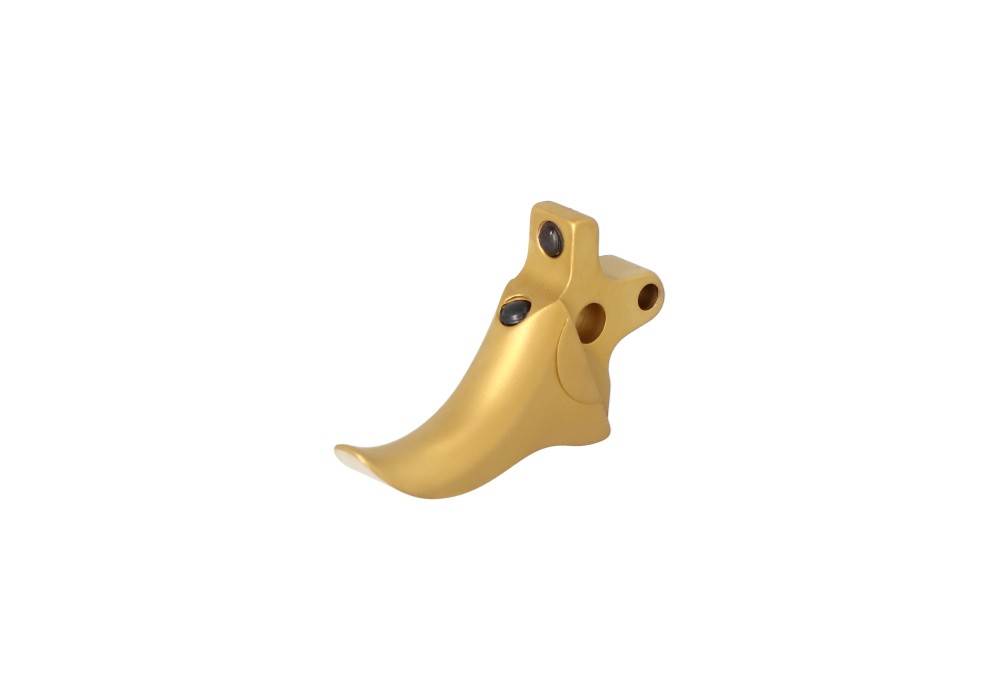
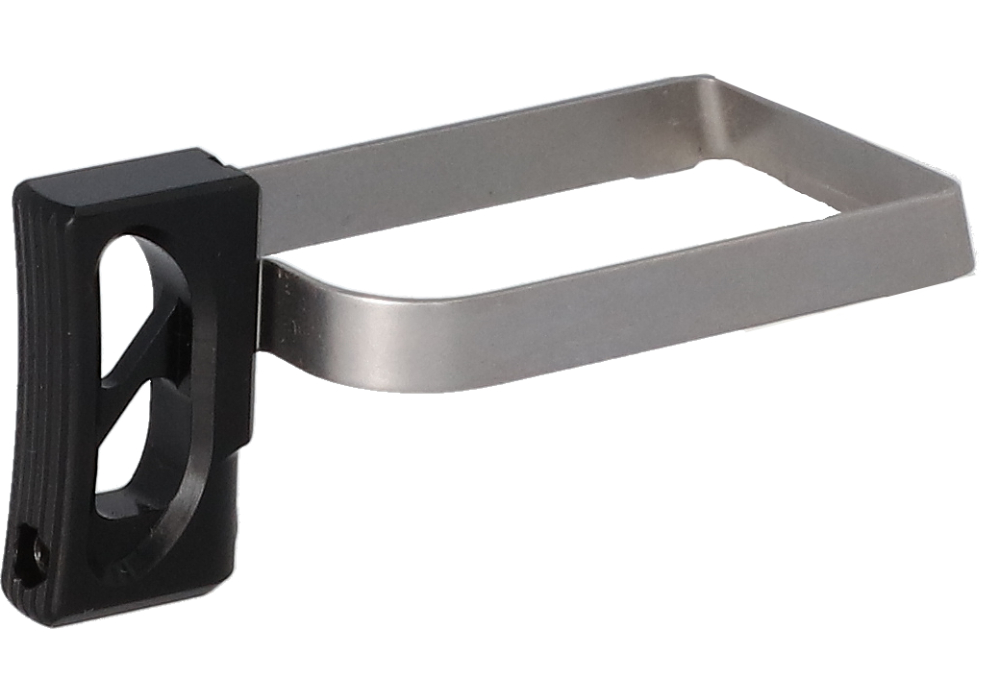
Fit is the starting point when comparing precision triggers. Compatibility depends on the exact firearm platform, configuration, and manufacturer requirements, not merely on whether two components look similar. A trigger intended for one mechanism may not function correctly in another, and even closely related firearms can have important differences. Product specifications and the firearm manufacturer’s documentation should guide the selection, with qualified professional support when compatibility is uncertain. The visible trigger shoe is only one part of the experience; the relationship between the component and the rest of the firing mechanism is equally important. Flat and curved trigger faces offer different contact surfaces, and neither shape guarantees better results for every hand. Finger length, grip dimensions, and the shooter’s established grip can all influence comfort. A broad, smooth face may distribute pressure differently from a narrower or textured surface, while rounded edges can help limit distracting pressure points during extended practice. Materials also deserve attention. Steel is commonly used where strength and wear resistance are important, while aluminum may appear in trigger shoes or housings where its properties suit the design. Surface treatments can help resist corrosion and wear, but a finish should be evaluated alongside the underlying construction rather than treated as proof of quality by itself. Durable components should maintain dependable operation through ordinary use when properly installed and cared for. That does not mean every trigger requires the same maintenance routine. Cleaning methods, lubrication requirements, inspection intervals, and replacement criteria vary, so the relevant documentation remains the best reference. Excess lubricant and unsuitable cleaning products can create problems rather than solve them. Installation and any necessary function verification should follow manufacturer requirements and be handled by a qualified gunsmith when appropriate. Compatibility with the firearm’s safety systems is nonnegotiable. A desirable feel is never a reason to bypass a safety feature or accept uncertain operation. Thoughtful selection brings fit, construction, ergonomics, and service requirements together, creating a clearer picture of how a component will perform over time rather than judging it solely by its appearance or advertised pull weight.
Intended use helps narrow the comparison between precision triggers without turning the decision into a search for the lightest or shortest specification. Recreational target shooters may value a smooth, repeatable press that makes regular practice more satisfying and helps them notice inconsistencies in their technique. Precision rifle enthusiasts may favor a distinct break that supports deliberate shooting from stable positions, while competitive shooters often consider how trigger feel fits the pace and rules of their discipline. Competition requirements can include equipment restrictions, so suitability should be checked against the applicable rules before choosing a replacement component. For a hunting firearm, dependable operation, appropriate resistance, and familiarity with the trigger’s feel deserve careful consideration alongside precision. Firearms intended for personal protection require particular attention to manufacturer guidance and their intended operating requirements; a target-oriented component is not automatically appropriate for that role. Across these uses, consistency should be assessed in the context of the complete firearm and the person handling it. A trigger that feels comfortable during a brief comparison may feel different over a longer practice session, especially if its shape creates a pressure point or its resistance is unfamiliar. Keeping expectations realistic helps: better feedback can support disciplined practice, but ammunition consistency, sighting equipment, firearm condition, and shooter technique still influence results. Shoppers interested in a more tailored feel can explore Custom Triggers while keeping compatibility, safety requirements, and intended use central to the comparison. A trigger-related gift can be meaningful for an experienced shooting-sports enthusiast, although it is worth confirming the recipient’s firearm configuration and preferences before selecting a component. Trigger feel is personal, and a thoughtful match is more useful than an unfamiliar specification chosen in isolation. Long-term satisfaction comes from a dependable balance: clear feedback, comfortable contact, durable construction, appropriate maintenance, and confidence that the component belongs in the firearm. Those qualities give precision triggers their practical value, supporting a consistent shooting experience without treating equipment as a substitute for training, responsible handling, or regular care.