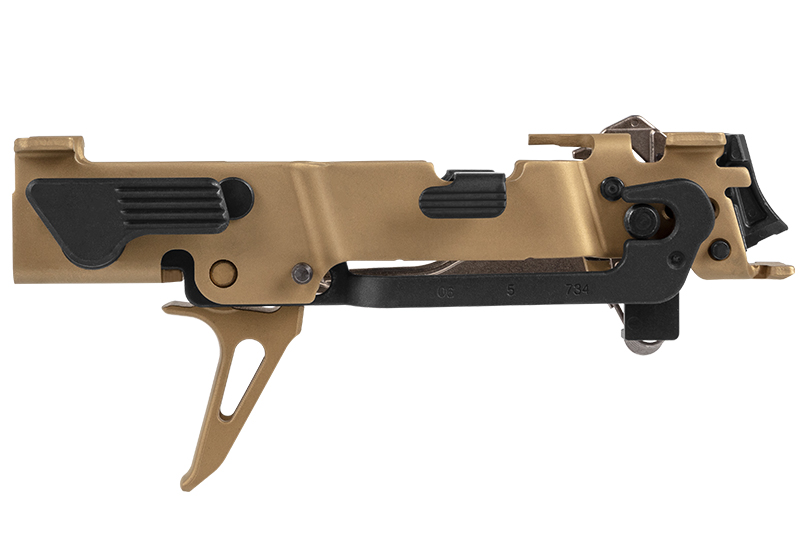
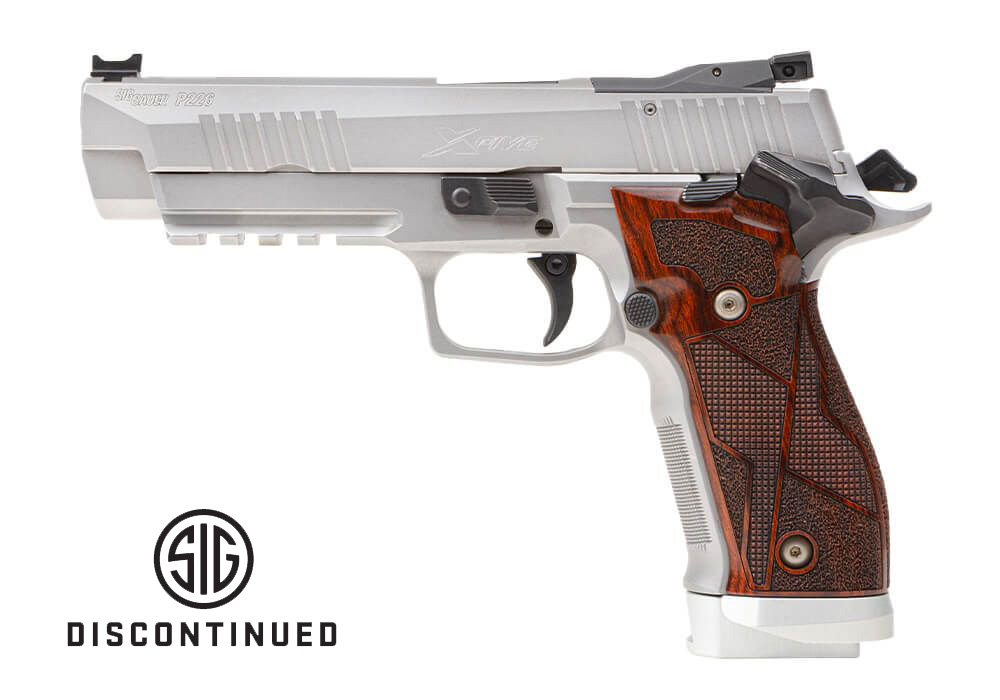
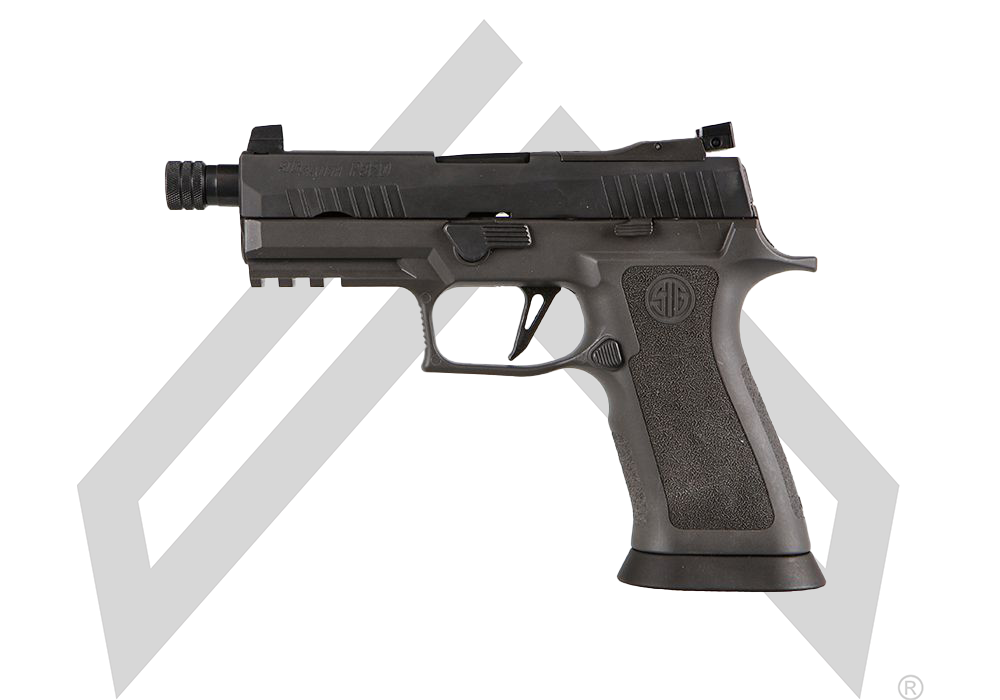
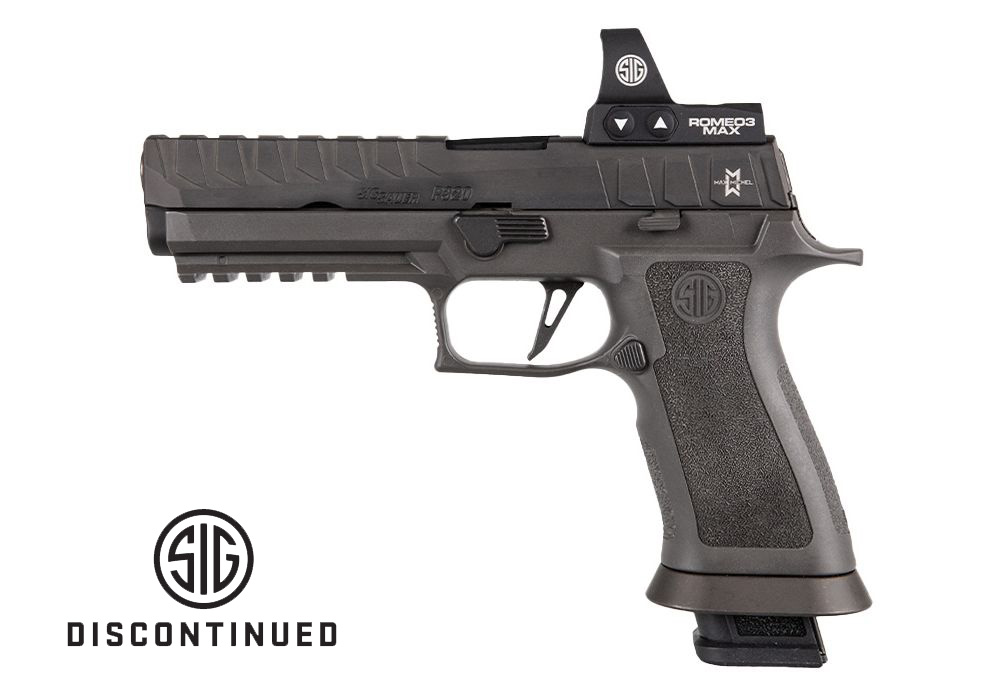
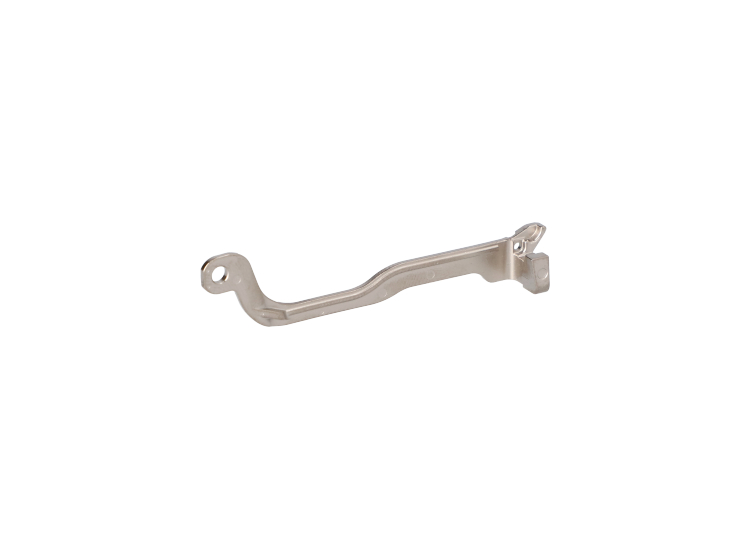
Custom triggers are designed for firearm owners who want a more refined and consistent trigger press than a standard factory configuration provides. An aftermarket trigger may reduce perceived pull weight, minimize creep before the break, shorten reset travel, or provide a smoother transition from the initial press to the shot. These changes can make the firearm feel more predictable in the hands, particularly during deliberate range practice, competition, training drills, or other lawful shooting applications. A clean break does not replace proper technique, and a lighter pull is not automatically better for every shooter. The ideal setup depends on the firearm, the shooter’s experience, the intended use, and the balance between control and responsiveness. Some shooters prefer a defined wall with a crisp break, while others value a smooth, measured press that offers additional resistance against an unintentional discharge. Reset characteristics matter as well: a shorter, more distinct reset can help a practiced shooter return the trigger to its ready position with less movement between shots. Single-stage and two-stage designs each offer a different feel, and adjustable models may allow carefully limited changes to pull weight or other characteristics. When comparing options, look beyond a product photograph and consider the trigger shoe shape, surface texture, reach, safety features, installation method, and how the design complements the firearm’s existing controls.
Compatibility should be the first consideration when selecting a custom trigger. Firearms that appear similar may use different trigger systems, frames, safeties, internal dimensions, or generation-specific components, so a trigger intended for one platform may not fit another. Review the manufacturer’s compatibility information closely, including the exact model, action type, caliber configuration where relevant, and any notes about required companion parts. A complete trigger assembly can offer a straightforward path to a more consistent feel, while a trigger shoe or component kit may be better suited to owners seeking a particular contact point or geometry. Adjustable triggers deserve especially careful attention. Adjustment range is not a substitute for correct setup, and changes to pull weight, overtravel, or reset should be performed only within the manufacturer’s specifications by a qualified gunsmith or other properly trained professional. After installation or service, the firearm should receive a complete function check in a safe, controlled setting before it is carried, stored for defensive use, or brought to a formal course. Follow all applicable laws and regulations, observe safe handling practices, and keep the firearm unloaded during installation, inspection, and maintenance. Owners who are uncertain about compatibility or installation can consult a qualified professional rather than relying on guesswork. This measured approach helps preserve reliable operation and ensures that a custom trigger supports good habits instead of encouraging a rushed or overly light setup.
The best custom trigger is the one that suits the shooter and the role of the firearm. A recreational range shooter may appreciate a smooth press and a short, positive reset during slow-fire practice, where small changes in trigger movement become easy to notice as paper groups tighten. A competition shooter may prioritize a crisp break, repeatable engagement, and a trigger shoe that remains comfortable through long training sessions. A hunter or field shooter may place greater value on a predictable press, dependable operation in changing weather, and a configuration that works naturally with gloves during cooler months. For concealed-carry or duty-oriented firearms, reliability, secure handling, and appropriate pull characteristics should take precedence over an ultra-light setup; any modification should be evaluated with qualified instruction and practiced until it becomes familiar. Custom triggers can also be a thoughtful gift for an experienced firearm owner who has already identified a compatible platform and a specific preference, though a gift card, professional installation service, or consultation may be more practical than choosing a component without knowing the recipient’s firearm and intended use. Explore Precision Triggers to compare options built around a more controlled, consistent trigger experience. During the cooler months, time spent at the range or on a workbench can be an opportunity to evaluate grip, finger placement, reset, and follow-through with patience. A trigger upgrade should ultimately complement those fundamentals, providing a dependable interface between the shooter and the firearm while preserving safe, responsible operation.