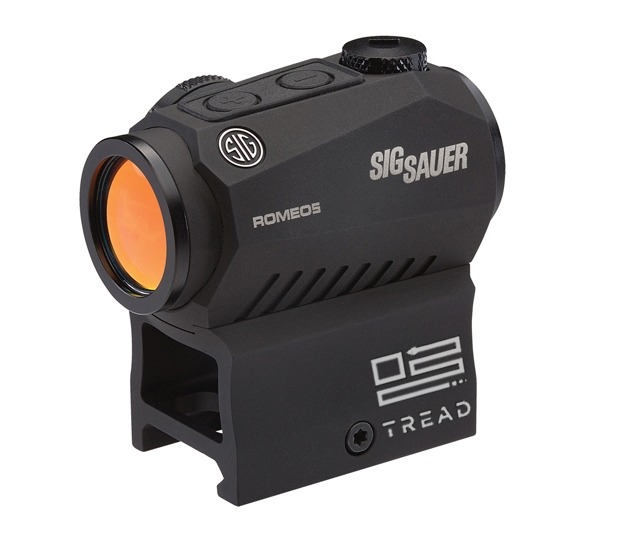
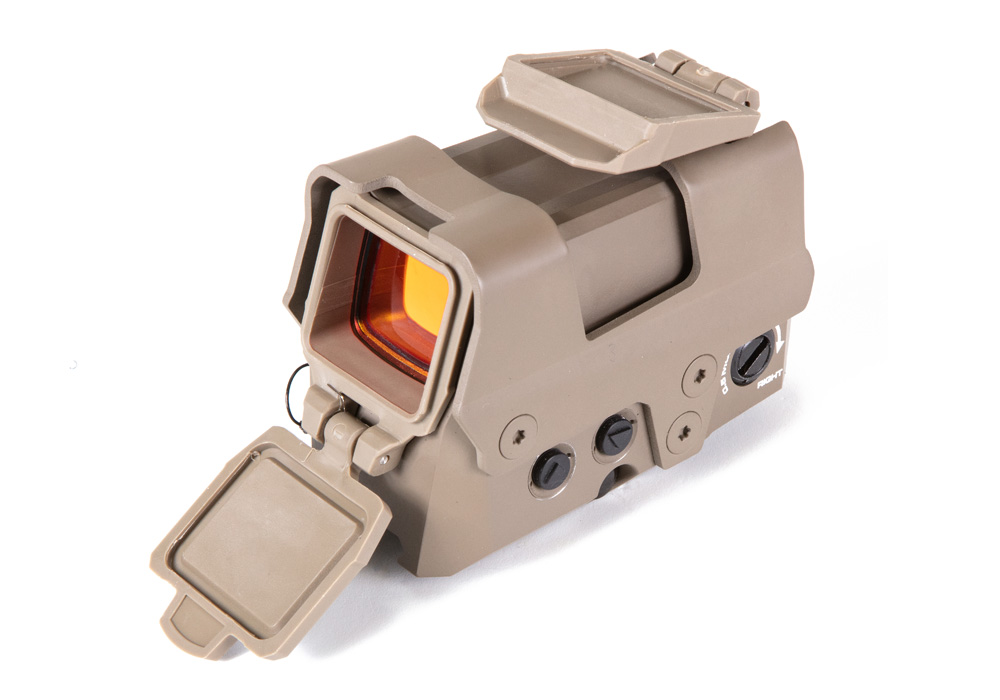
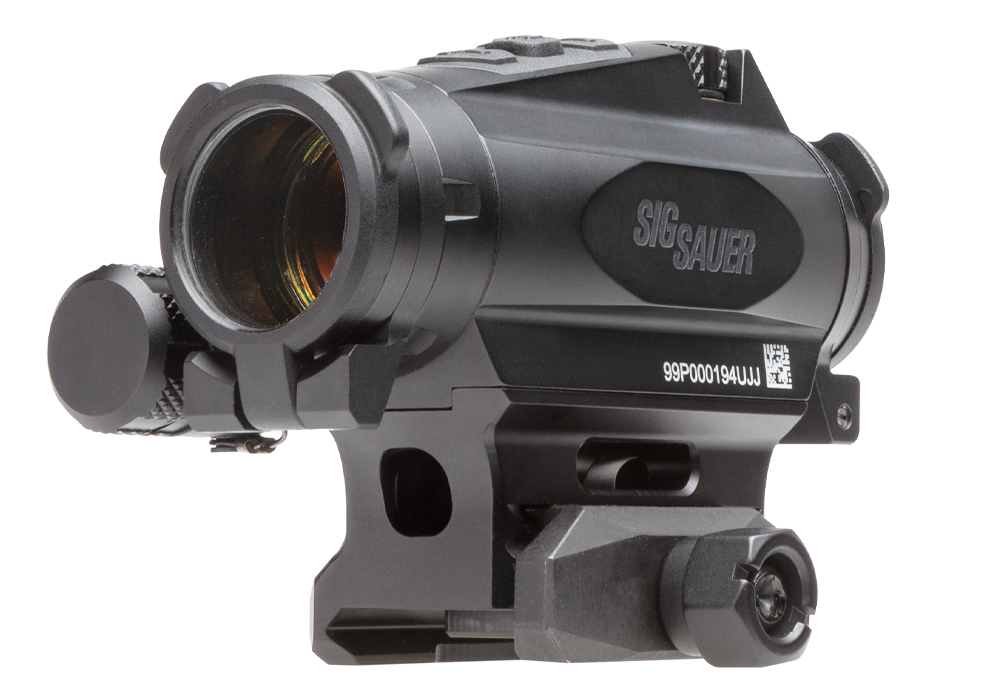
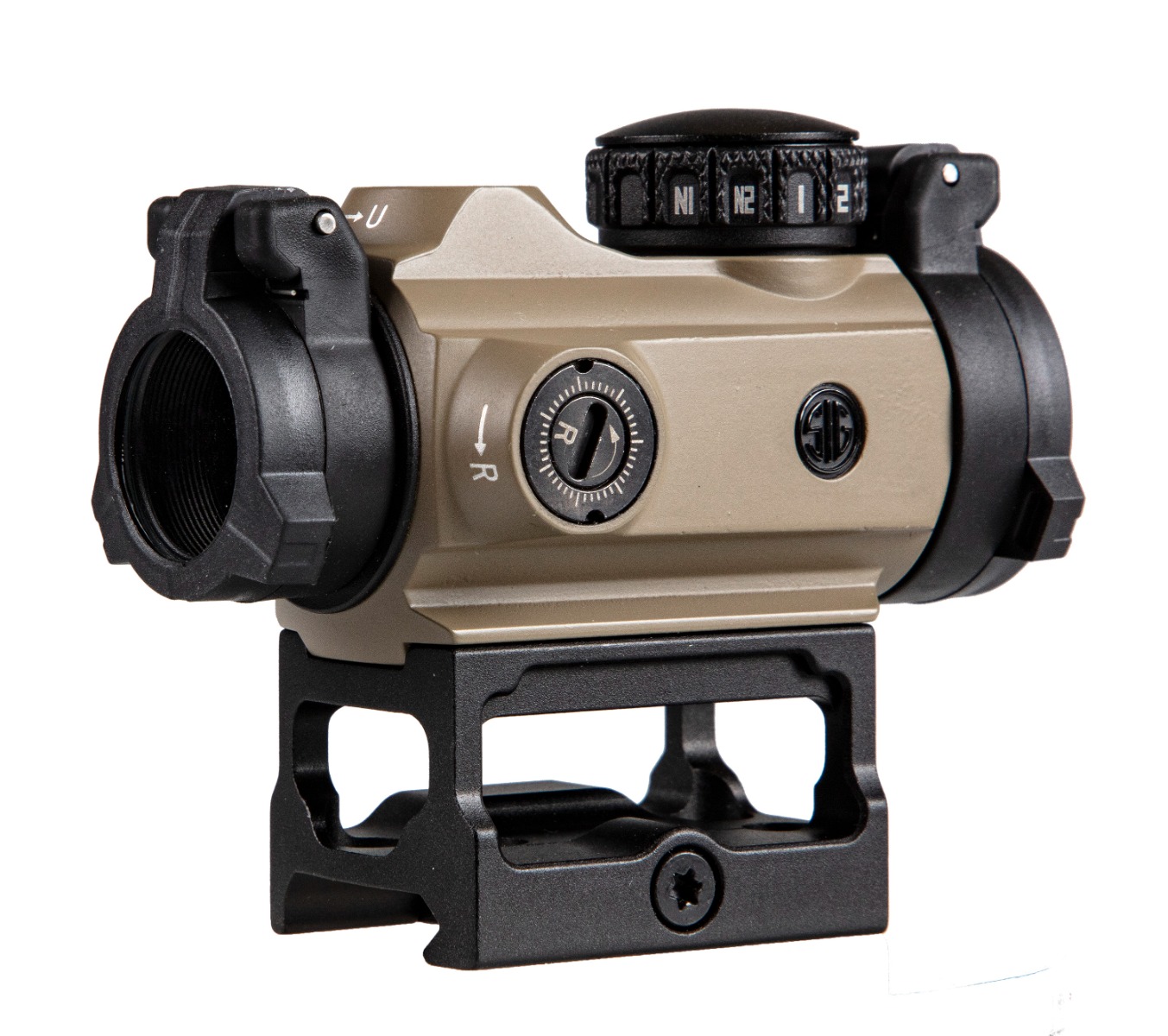
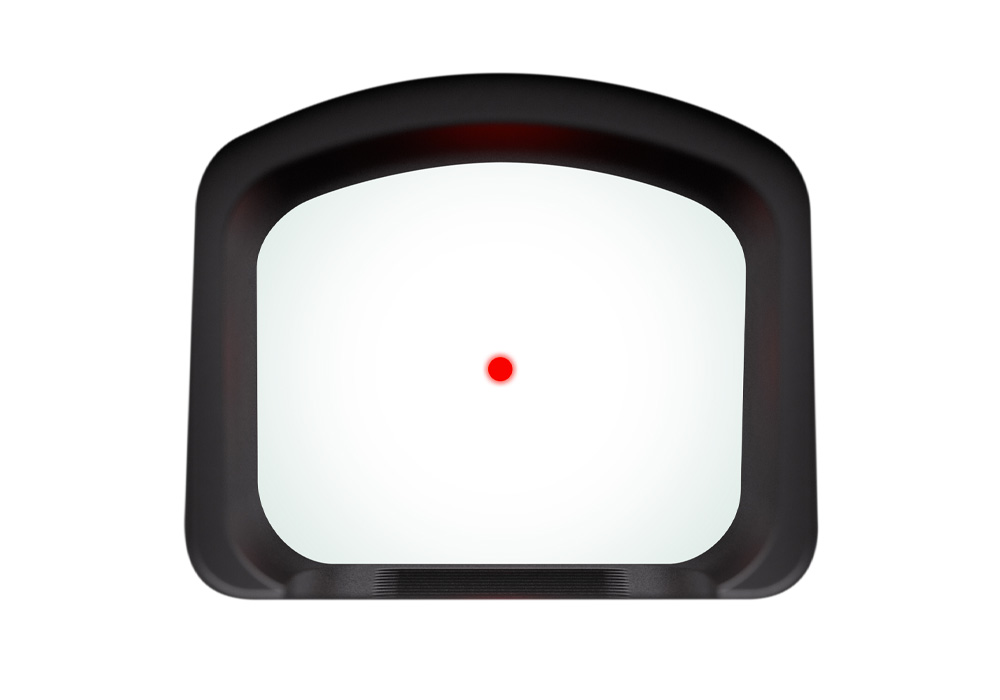
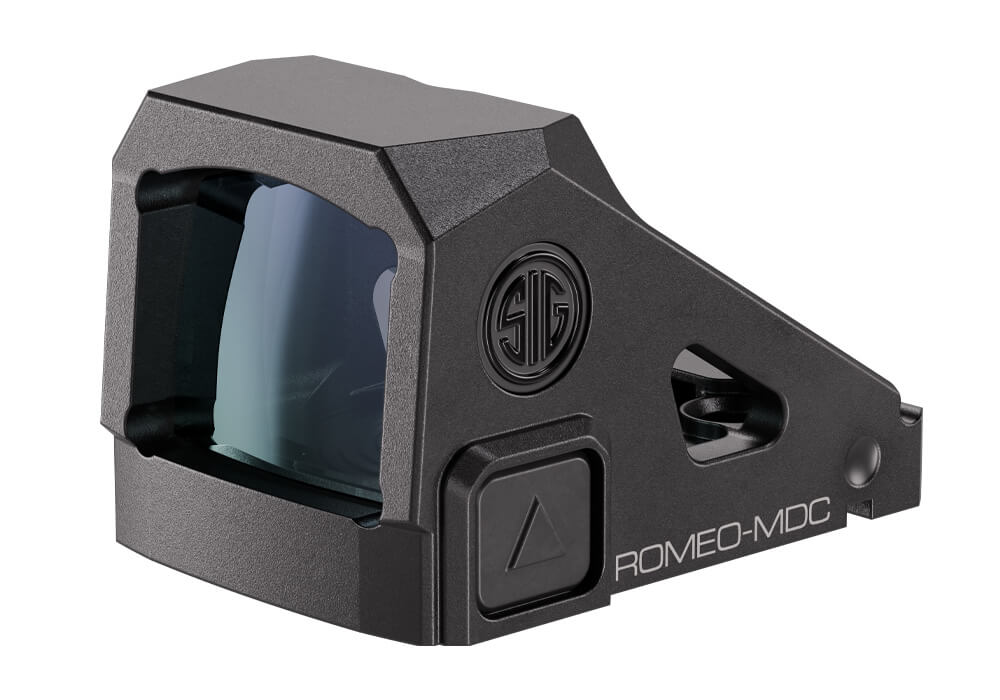
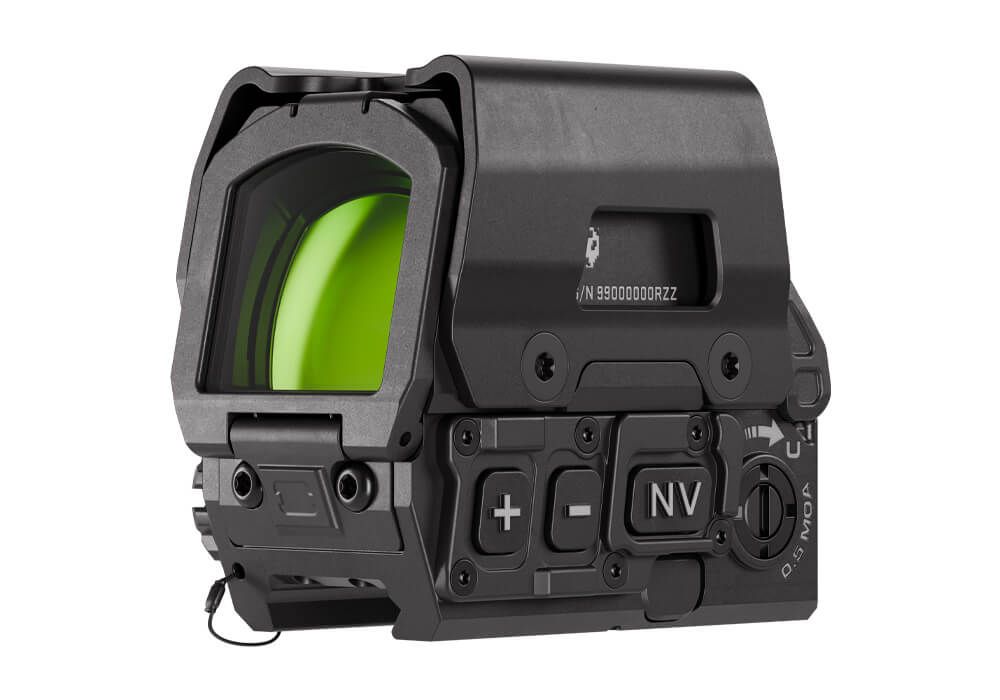
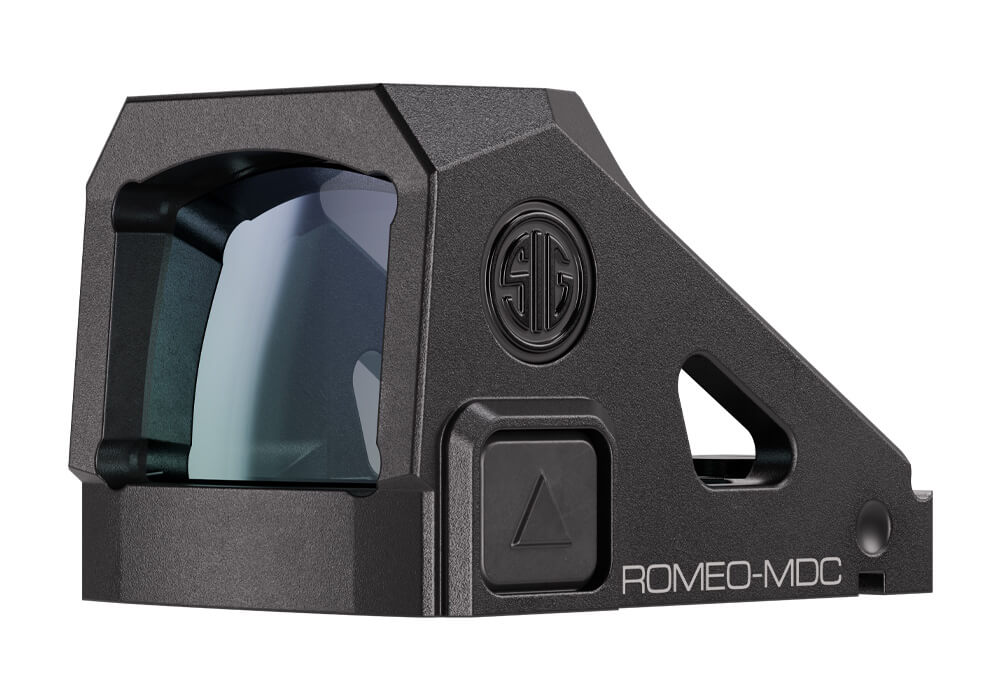
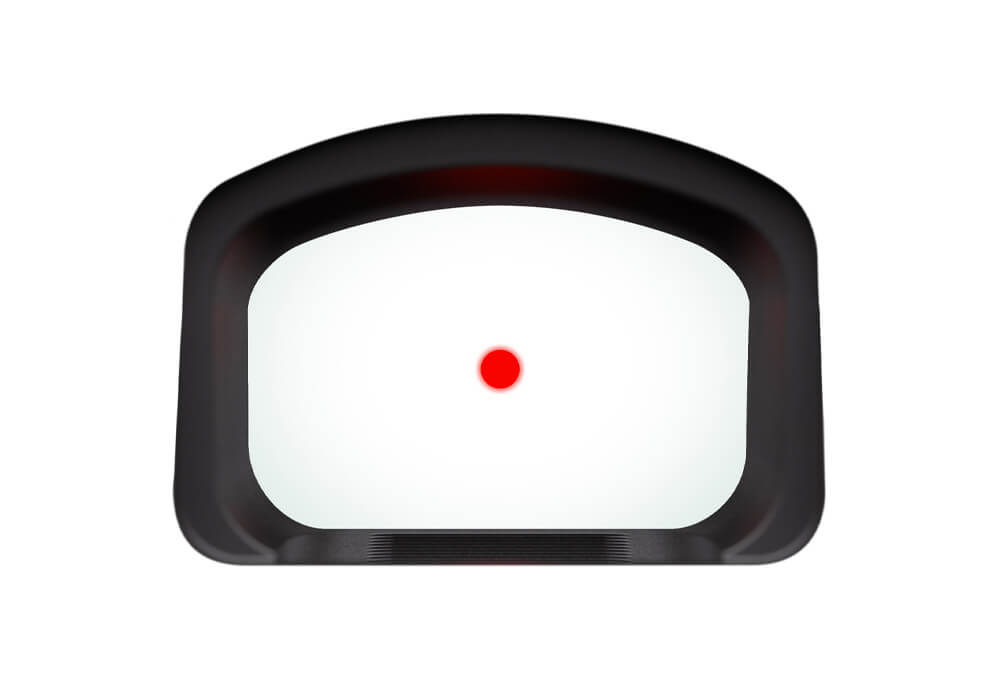
Combat red dots are purpose-built aiming optics for shooters who need rapid target acquisition, a clear sight picture, and dependable performance when conditions are demanding. This category generally includes rugged reflex sights and holographic sights designed for use on carbines, rifles, and, in compact configurations, handguns. Unlike traditional magnified optics, a red dot provides unlimited eye relief, allowing the shooter to aim with both eyes open and maintain a broad view of the surrounding area. That advantage is valuable when moving between targets, working from an unconventional position, or bringing a firearm into a ready position where perfect head placement is not guaranteed. A properly selected combat red dot can place a bright aiming point in the center of the sight window almost immediately, helping experienced users make fast, deliberate shots without losing awareness of what is happening around them. When comparing options, start with the firearm and mounting system. A pistol-mounted optic requires a compact footprint, a mounting interface that matches the slide or adapter plate, and a housing that can tolerate repeated cycling and everyday handling. A carbine or rifle optic may offer a larger viewing window, a more substantial protective body, and mounting height suited to a fixed or folding rear sight. Some shooters prefer a low mount for a streamlined setup, while others choose a quick-detach or riser mount to create a comfortable cheek weld and support use with protective equipment. The right arrangement should place the dot naturally in the window as the firearm comes to the shoulder, rather than requiring the shooter to search for it.
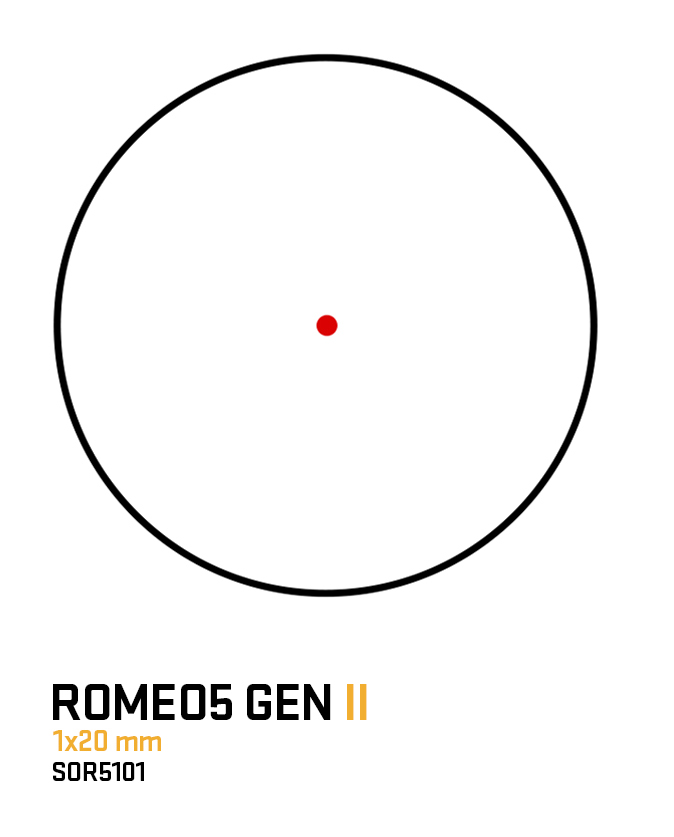
Durability is central to the combat red dot category. Look for a housing made from strong, lightweight materials, protected adjustment controls, sealed electronics, and construction rated to withstand recoil, vibration, dust, and moisture. A sight may ride in a vehicle, spend time in a gear bag, or be used during training in heat, rain, and cooler weather, so dependable seals and a well-protected emitter can matter as much as optical clarity. Battery life is another practical consideration. Many duty-oriented sights are designed for extended continuous runtime, reducing the need to remove the optic or interrupt a training routine for frequent battery changes. Efficient LED systems, automatic brightness settings, motion-activated illumination, and backup power features can make an optic easier to keep ready, though every electronic sight should still be checked regularly and fitted with a fresh battery according to the manufacturer’s recommendations. Brightness control deserves close attention as well. The aiming point should remain visible against a bright outdoor background without blooming, while lower settings can help preserve a crisp dot in dim interiors or during the cooler, lower-light hours of the day. Shooters who use night vision equipment should confirm that the optic offers compatible settings and that the selected mount, magnifier, and other accessories work together without obstructing the sight picture. Reticle design is largely a matter of preference and application: a simple dot can feel exceptionally clean and precise, while a circle-dot or similar pattern may be faster to find during close-range presentation. Window size, tint, parallax characteristics, adjustment range, and the feel of the windage and elevation controls all influence how naturally the optic performs. A sight that looks impressive in a display case still needs to sit comfortably on the intended firearm, hold zero after repeated firing, and remain easy to use with gloves or wet hands.
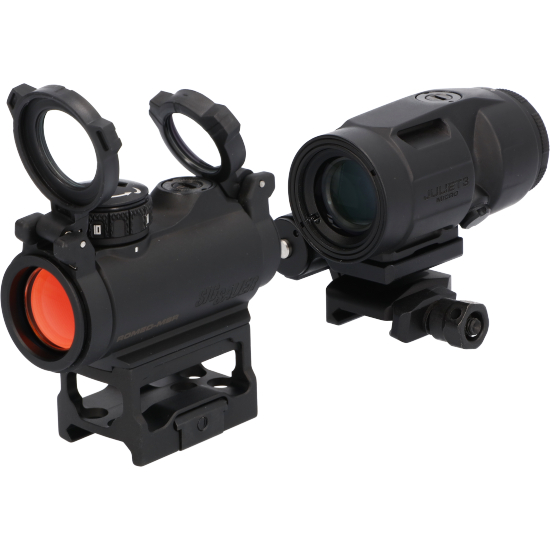
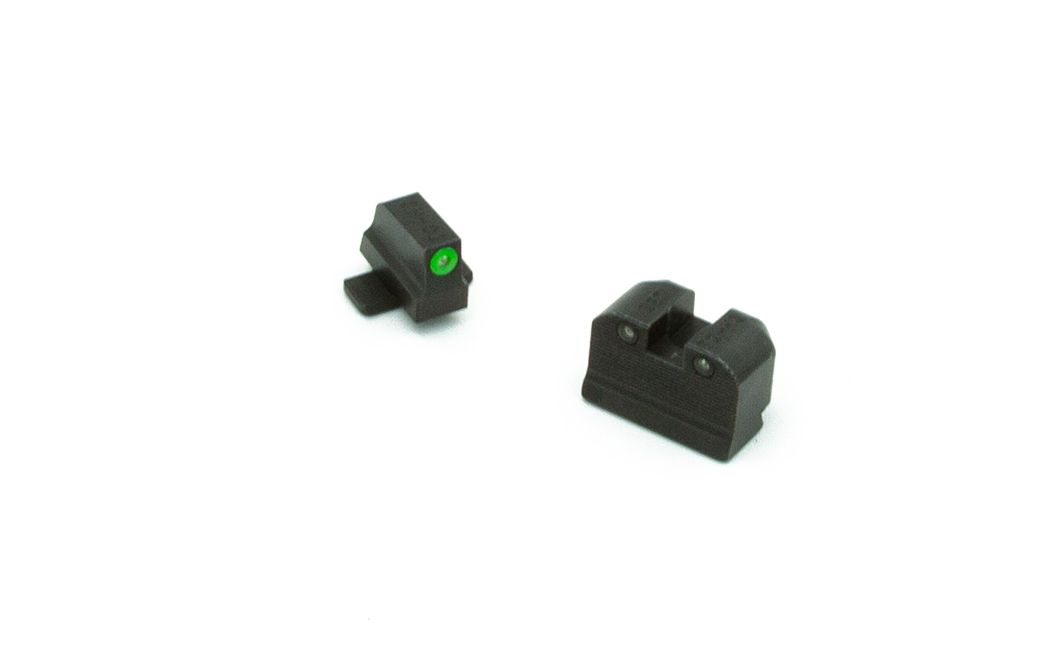
Combat red dots are commonly selected by law enforcement professionals, military personnel, armed security teams, competitive shooters, hunters who favor a fast sight picture, and responsible firearm owners building a dependable home-defense or training setup. Their broad, both-eyes-open sight picture can be especially useful for users who prioritize awareness and rapid transitions, while their compact form makes them practical for a range of modern platforms. They can also be a thoughtful gift for an experienced shooter who has already chosen a firearm and is ready to improve its sighting system, although compatibility should be confirmed before purchase. The firearm model, slide cut or rail pattern, optic footprint, mount height, intended distance, and preferred shooting position all affect the final selection. It is worth checking whether the package includes the needed mounting hardware or whether a separate plate, riser, or co-witness solution will be required. After installation, the optic should be torqued to the manufacturer’s specifications, zeroed with appropriate ammunition, and verified again after transport or significant use. Even the most rugged optic benefits from a protective cover, clean lens, secure fasteners, and a simple inspection before each range session. A practical setup may pair a red dot with backup iron sights, a magnifier on a compatible rifle, or a weapon light, provided the combined arrangement leaves controls accessible and maintains a balanced feel. For a closer look at selection priorities across different platforms and use cases, explore Best Red Dot. Choosing with these details in mind helps ensure the optic is not merely an accessory added to a firearm, but a dependable part of a complete sighting system—one that feels intuitive during dry practice, stays steady through a long range session, and remains ready when changing light, weather, or shooting positions put the equipment to the test.