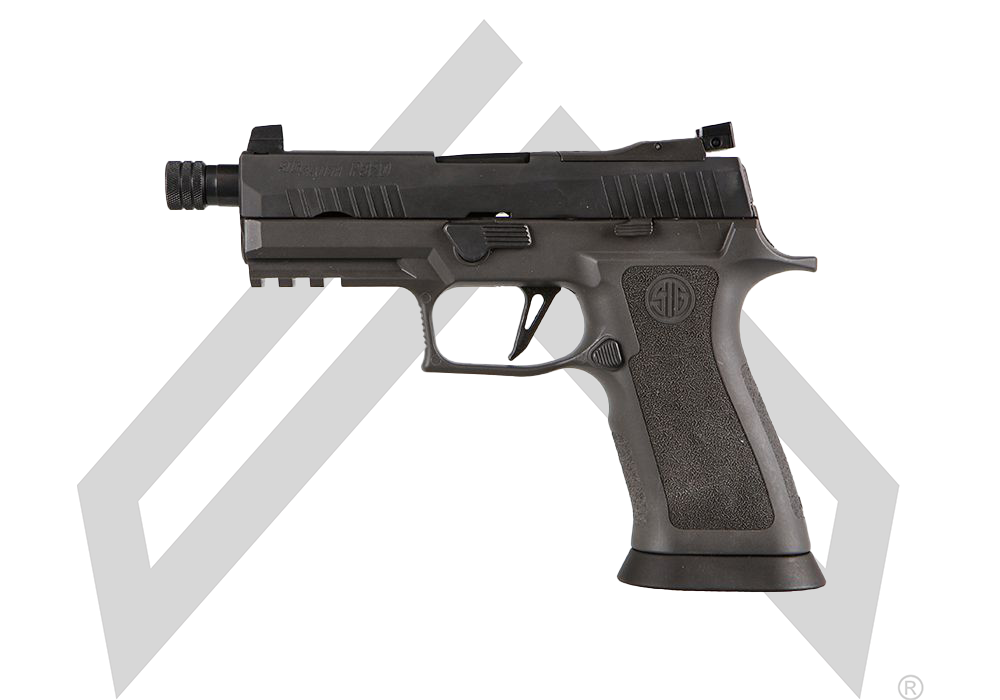
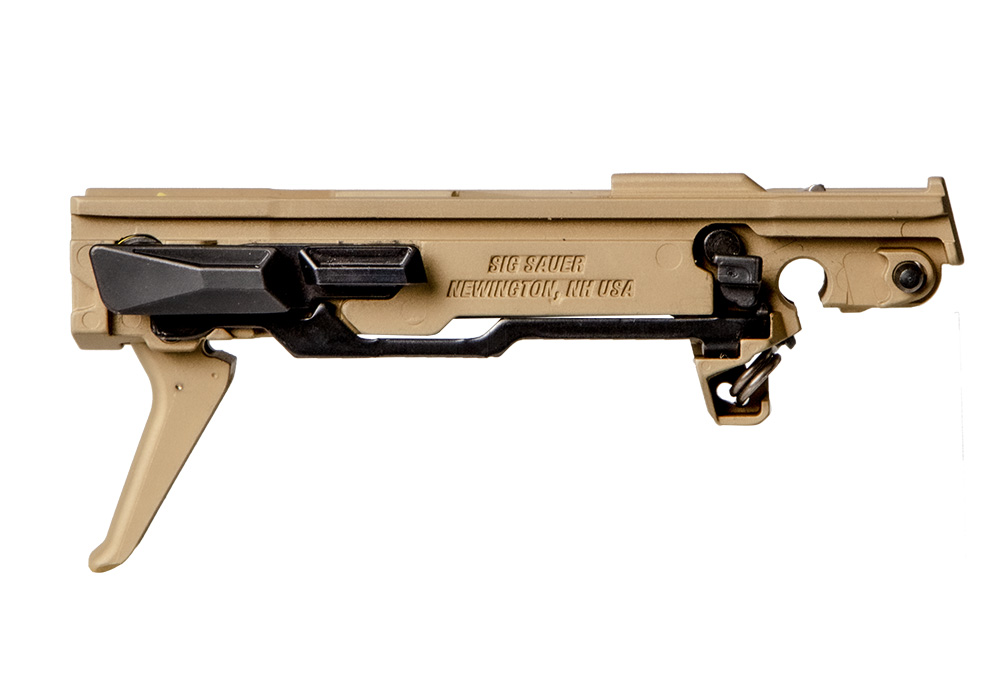
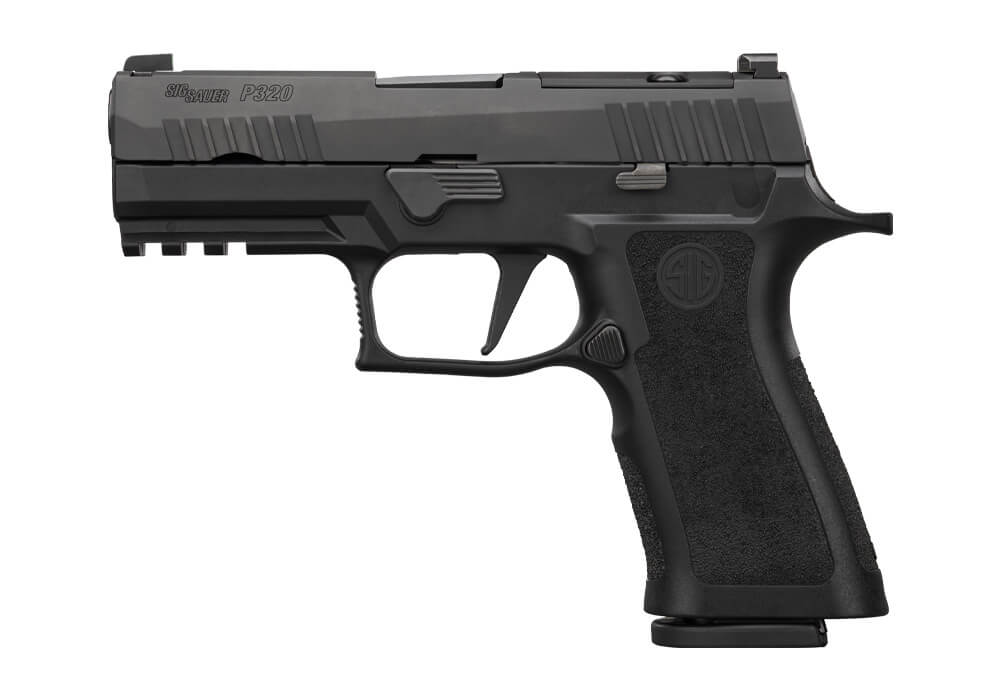
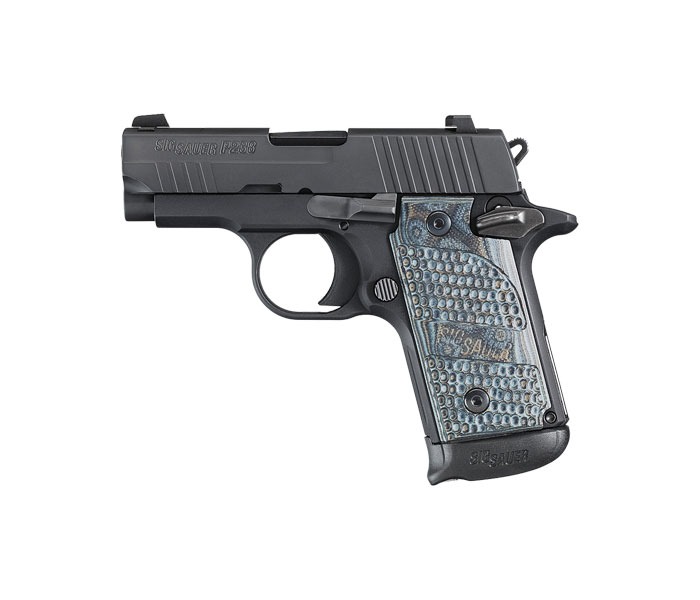
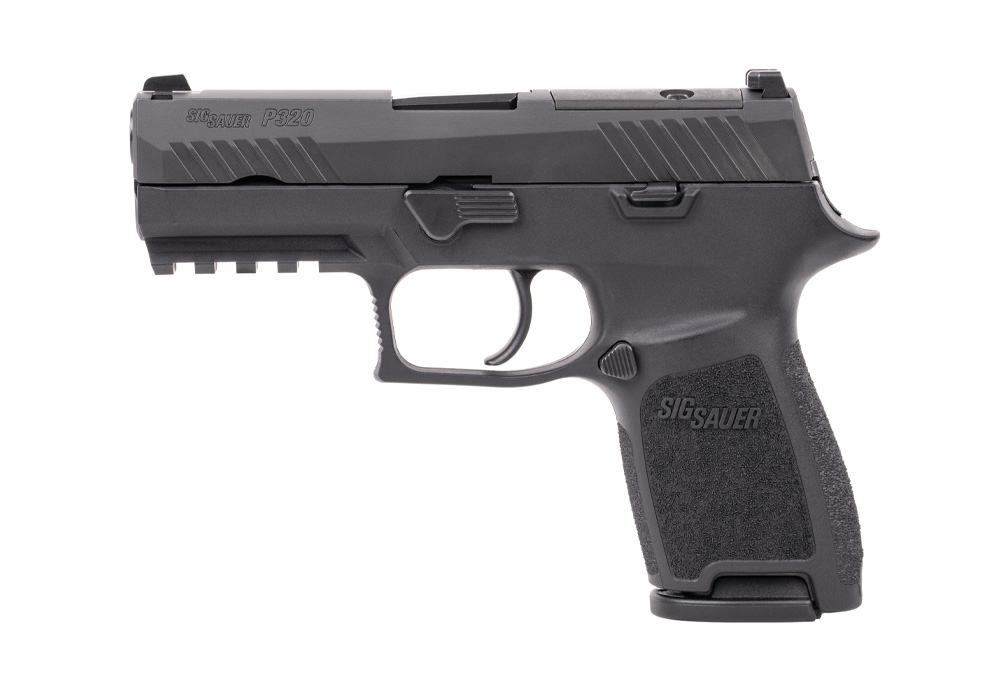
Compact pistols for plainclothes officers are selected for a demanding balance: dependable performance, practical shootability, and a discreet profile that works beneath everyday clothing. Detectives, off-duty law enforcement personnel, investigators, security professionals, and other authorized users may need a sidearm that remains accessible without looking out of place under a jacket, overshirt, sweater, or business-casual layers. A compact 9mm pistol is often considered because it can offer manageable recoil, widely available ammunition, and a useful balance between service-oriented performance and comfortable carry. Smaller subcompact and micro-compact designs can be particularly appealing when an officer spends long hours seated in a vehicle, moving through an office, or working in light clothing during warmer conditions. The best choice depends on the individual, the agency’s policies, the officer’s training, and the environment in which the firearm will be carried. Frame dimensions, grip length, slide profile, unloaded weight, controls, sight configuration, and magazine options all affect how naturally a pistol carries and how confidently it can be operated. A grip that feels secure during practice may be more important than shaving the last fraction of an inch from the overall length, while a shorter grip may reduce printing beneath a tucked shirt. Officers should also consider whether the pistol accommodates a weapon-mounted light or compact optic, whether the sights are easy to acquire in changing light, and whether the controls can be manipulated consistently under stress. An Compact Pistols for All Hand Sizes selection can help shoppers compare proportions and ergonomics before narrowing their choices. As with any firearm, reliability should be evaluated through reputable training and inspection rather than assumed from appearance alone, and all purchases must comply with applicable federal, state, and local laws as well as department requirements.
Concealed carry equipment is just as important as the pistol itself. Inside-the-waistband holsters are common for plainclothes use because they keep the firearm close to the body, while appendix carry, strong-side carry, and carefully selected outside-the-waistband options may suit different body types, uniforms, and assignments. A proper holster should fully cover the trigger guard, hold the firearm securely, remain comfortable during extended wear, and allow a consistent, one-handed draw and reholstering process under controlled training conditions. A sturdy belt helps prevent shifting and can make a noticeable difference during a long day spent walking, driving, or sitting at a desk. Clothing choices also matter: a patterned overshirt, structured jacket, relaxed button-down, or slightly roomier garment can help conceal the outline without restricting movement. Many plainclothes officers build their loadout around more than the pistol, adding spare magazines, visible identification when appropriate, a compact medical kit, a flashlight, and other equipment required for their role. Standard-capacity and extended-capacity magazines should be selected only when they are lawful, compatible, and practical for the intended holster and clothing arrangement. For some users, the additional ammunition is worth the added length; for others, a shorter magazine offers a cleaner fit and greater comfort. Hand size is another practical consideration. A grip that is too small may leave the little finger unsupported, while a grip that is too large can make concealment difficult and slow consistent control. Officers should spend time with an unloaded firearm and approved training ammunition to assess reach to the trigger, magazine release, slide stop, and any manual safety before carrying it in public. Training should include drawing from realistic cover garments, movement, safe reholstering, malfunction procedures, and decision-making within the law and agency policy. Compact pistols may also be purchased through an agency or presented to a qualified recipient, but they are not casual gifts; any transfer should be handled through the required legal process, with secure storage, instruction, and a suitable holster treated as part of the responsibility. During the cooler months, heavier layers can create new concealment and access considerations, while indoor heating and changing environments may require the same attention to comfort, moisture, and safe handling. Careful selection and regular practice help ensure that a compact pistol remains a practical part of a professional plainclothes setup rather than equipment that is merely easy to carry.