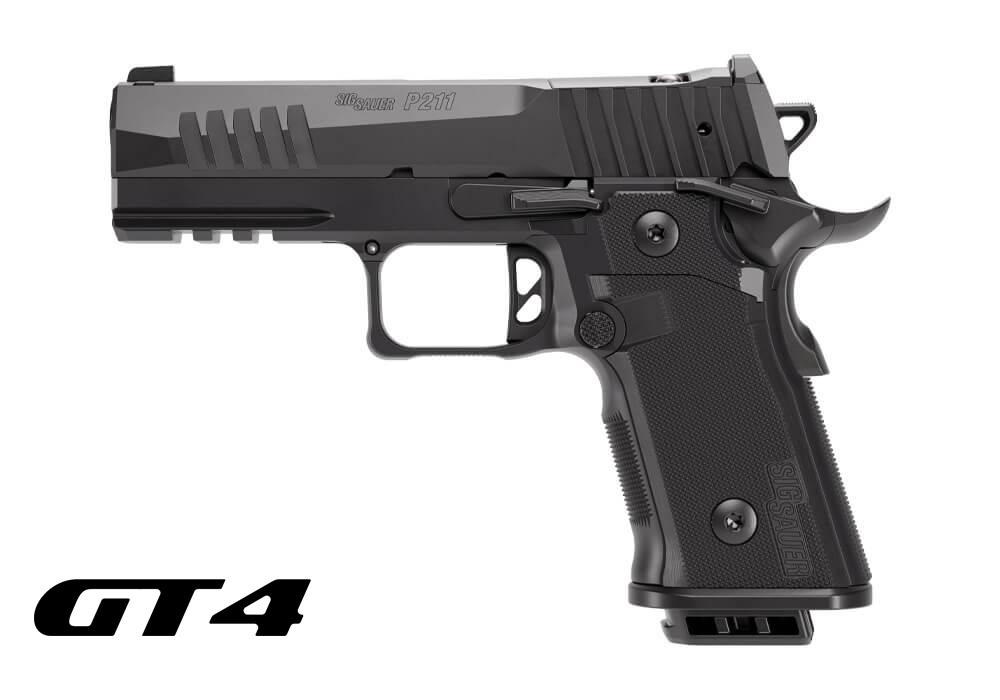
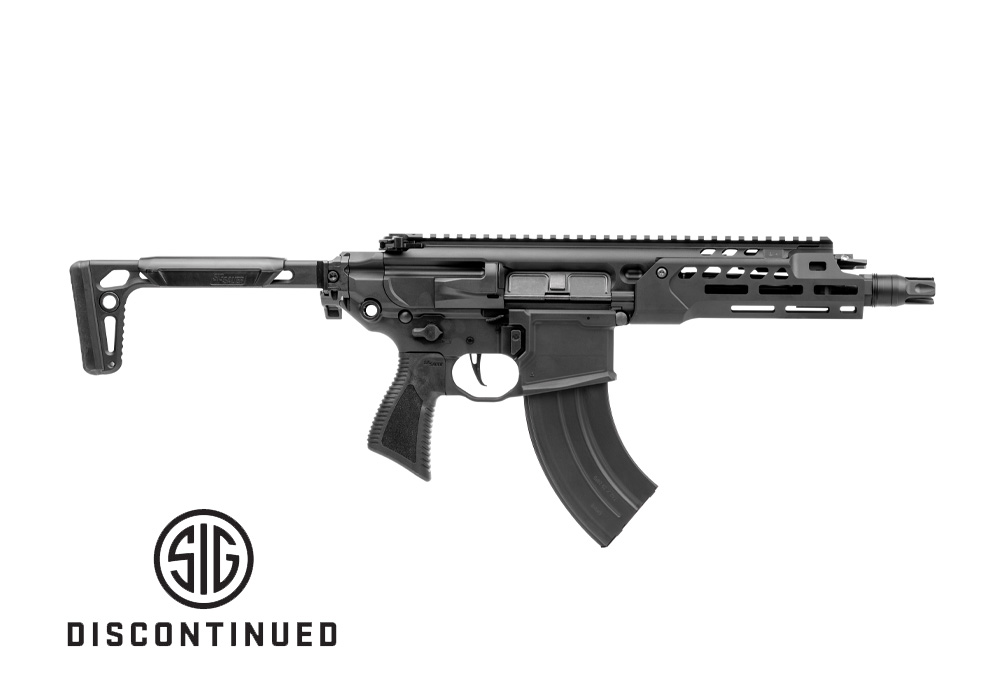
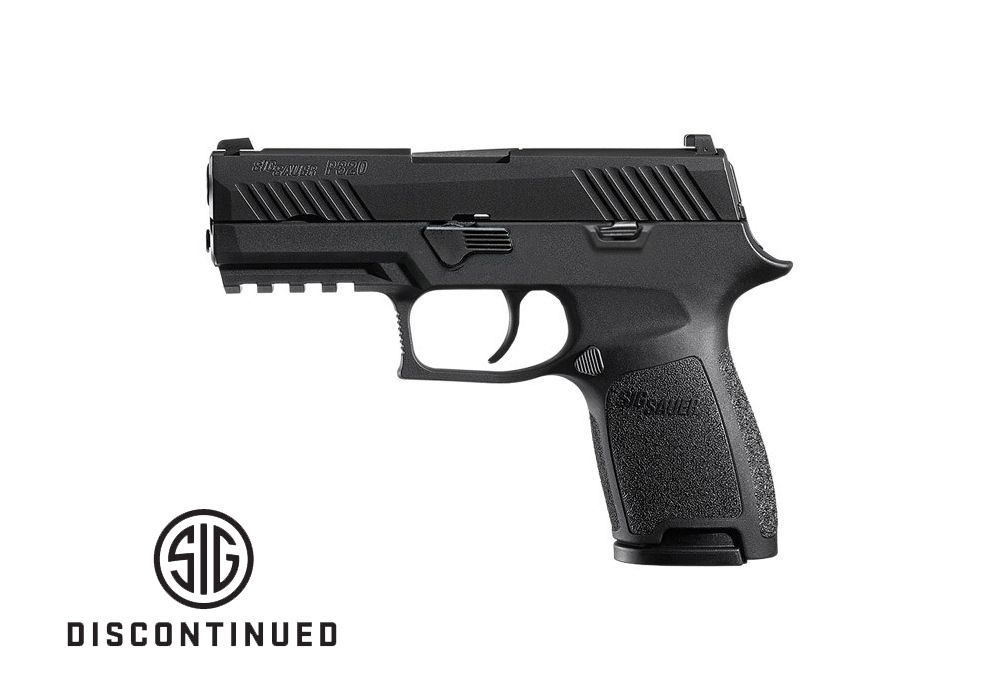
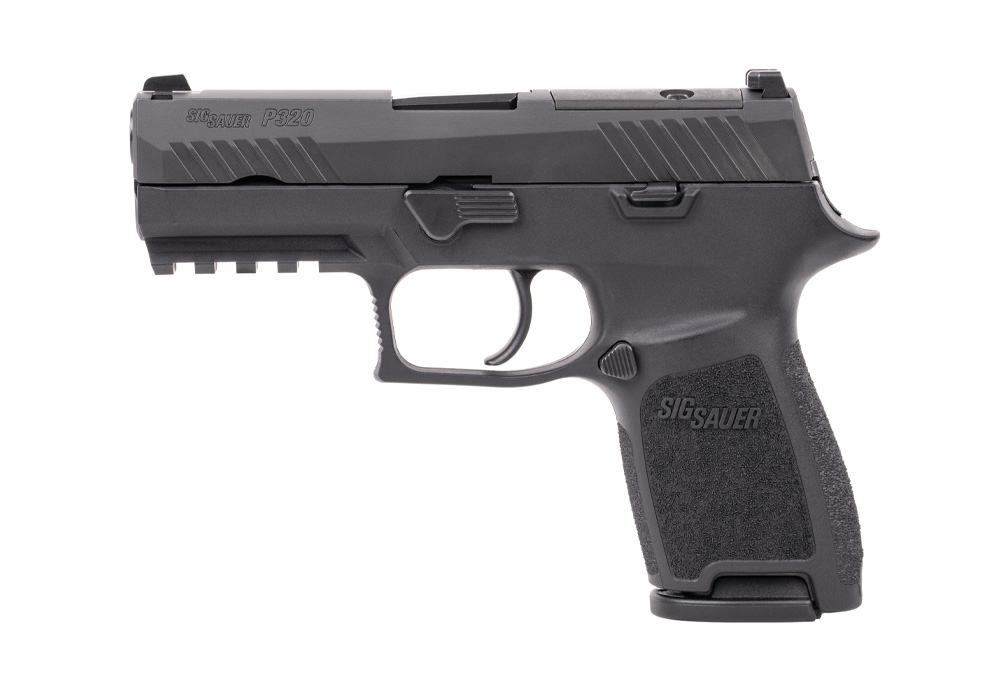
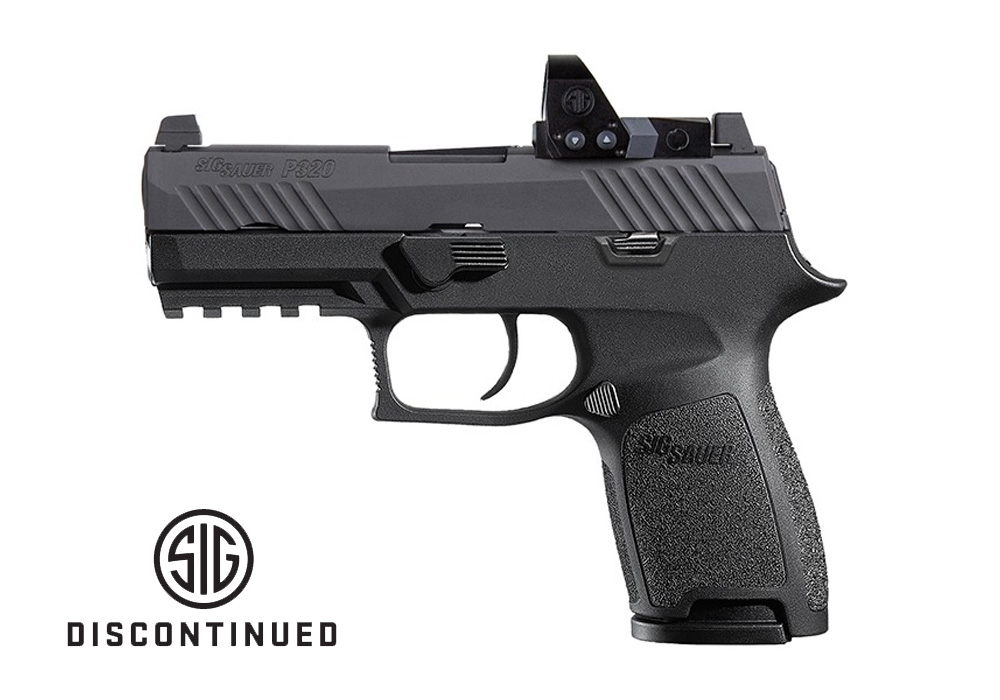
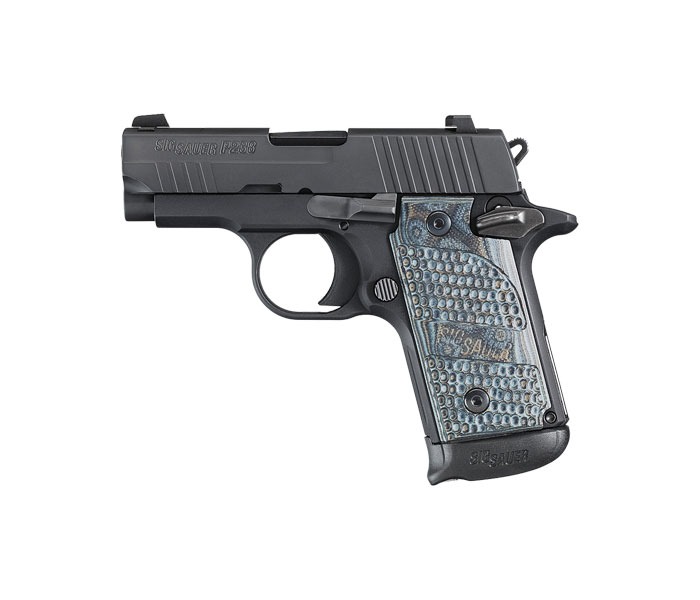
Compact pistols with magazine release controls are designed for shooters who value a manageable size without giving up the familiar handling characteristics of a centerfire handgun. These pistols are often selected for concealed carry, home protection, range practice, travel where lawful, or as a practical addition to a personal collection. Their shorter grip and slide can make them easier to carry beneath everyday clothing and more comfortable to keep close during the cooler months, when jackets and layered garments are common. At the same time, compact dimensions can introduce tradeoffs: a shorter grip may provide less room for the shooting hand, a shorter sight radius may require more deliberate sight alignment, and a reduced overall footprint may make recoil feel more pronounced than it does on a full-size handgun. A well-designed magazine release helps make those controls easier to operate consistently. Most compact pistols use a push-button release located near the trigger guard, while some use a paddle-style release integrated into the lower portion of the trigger guard. Push-button systems may be reversible for right- or left-handed use, and some are ambidextrous from the factory, allowing the magazine to be released from either side without changing the shooter’s grip. Paddle releases can also accommodate different hand positions and may be especially appealing to shooters who prefer to activate the release with the trigger finger or the thumb of the support hand. Anyone comparing these layouts should handle an unloaded pistol, following all applicable safety procedures, and pay attention to whether the release is easy to reach without shifting the hand, whether it can be activated deliberately while wearing gloves, and whether it is protected from accidental contact during carry. The goal is a control that feels positive and predictable rather than one that is merely small.
Hand size, dominant hand, and intended use all matter when choosing among compact pistols with magazine release controls. A right-handed shooter may prefer a conventional button position, while a left-handed shooter may benefit from an ambidextrous or reversible setup that avoids awkward reaching across the frame. Some right-handed users also prefer a reversible release because it allows them to practice emergency manipulations from either side, accommodate an injury, or share a training pistol with another household member. When evaluating a reversible magazine catch, look for a design that can be configured securely and that remains easy to identify by touch. The button should offer enough resistance to prevent an unintended release when the pistol is handled, holstered, or carried, but it should not require excessive pressure. Paddle-style releases deserve the same close inspection: consider their size, position, texture, and how naturally the trigger finger or support-hand thumb rests near them. Magazine compatibility is another important consideration. Confirm which magazines are designed for the pistol, whether the firearm is supplied with a standard or extended capacity magazine, and whether additional magazines have the same baseplate dimensions and release engagement. A magazine should seat with a clear, secure click and drop free when the release is pressed, but users should never rely on forceful handling to correct a problem. During supervised range practice, test the release with an unloaded firearm and then with properly loaded magazines, observing whether the control remains comfortable through repeated drills. Fit is equally important elsewhere on the pistol. A grip texture that feels reassuring during a few dry-handling minutes may feel abrasive during extended practice, while a smooth grip may become difficult to control with perspiration or gloves. Check the reach to the trigger, the visibility of the sights, the placement of the slide stop, and the compatibility of the frame with the holster and belt system you intend to use.
These pistols can be a practical choice for experienced owners, new shooters working with a qualified instructor, or responsible adults building a collection around adaptable controls. They may also be considered as a gift, but a firearm should only be given when the recipient has expressed a clear interest, is legally eligible to possess it, and can receive it through the required transfer process. Local, state, and federal regulations may govern purchases, private transfers, magazine configurations, storage, transportation, and carry, so verify the rules that apply before placing an order or presenting a firearm to another person. A thoughtful gift may include professional training, secure storage, quality eye and ear protection, or a fitting session rather than a firearm selected without the recipient’s input. For everyday use, pair a compact pistol with a purpose-built holster that fully covers the trigger guard, retains the firearm securely, and supports the chosen carry position. Practice drawing only under qualified supervision and with an unloaded firearm until safe handling is automatic; live-fire training should take place at an appropriate range with the muzzle pointed in a safe direction and the finger outside the trigger guard until ready to fire. Keep magazines and ammunition stored securely, separate from unauthorized users, and follow the manufacturer’s instructions for inspection, cleaning, lubrication, and service. During the cooler months, pay attention to how heavier clothing, coat drawstrings, scarves, or gloves interact with the holster and magazine release. At the range, use structured practice to build familiarity with the specific control layout, including loading, unloading, clearing, and magazine changes, while maintaining safe muzzle awareness and trigger discipline. For shoppers comparing this category with other compact configurations, our selection of Compact Handguns With Reversible Magazine Catch offers a useful starting point for reviewing models built around adaptable magazine controls. A compact pistol should ultimately feel secure in the hand, predictable in operation, and appropriate for the owner’s training, storage plan, and lawful purpose.
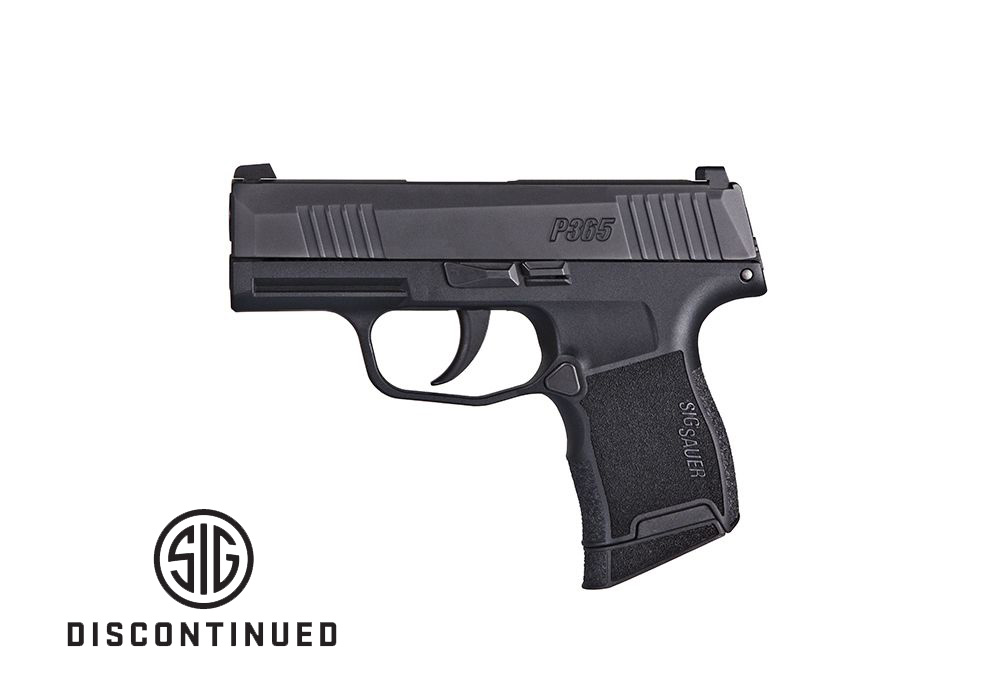
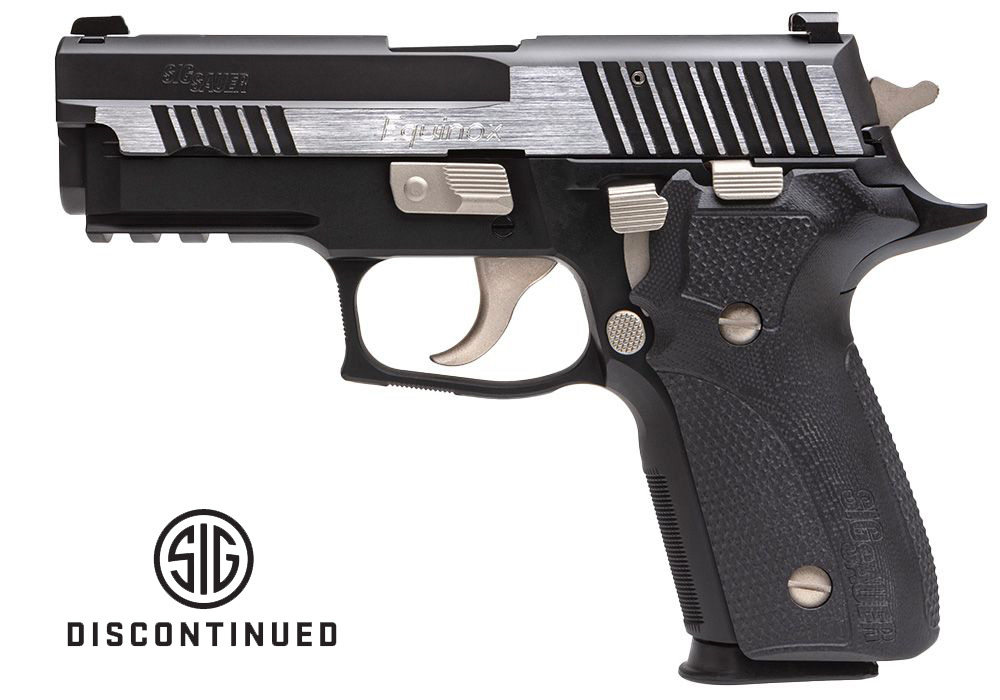








![[["1911, 45 ACP, 4.2IN, X-SERIES, COYOTE, SAO, X-RAY 3, G10 GRIP, (2) 8RD STEEL MAG",", ROMEO X COMPACT"]]](http://www.sigsauer.com/media/catalog/product/1/9/1911xca-cxr-rxx-hero-left.jpg)