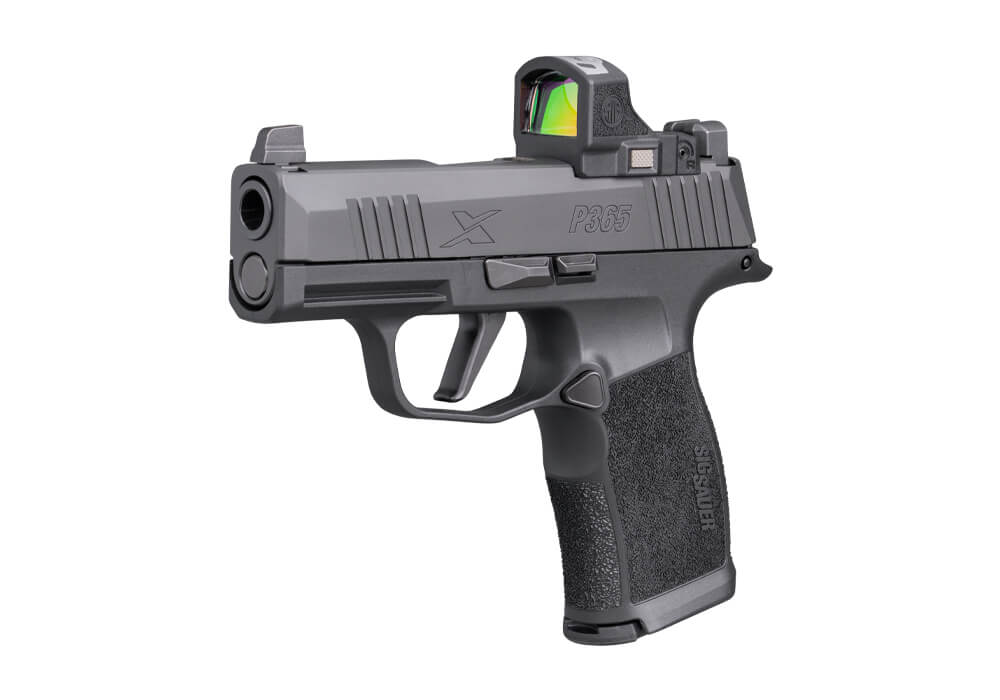
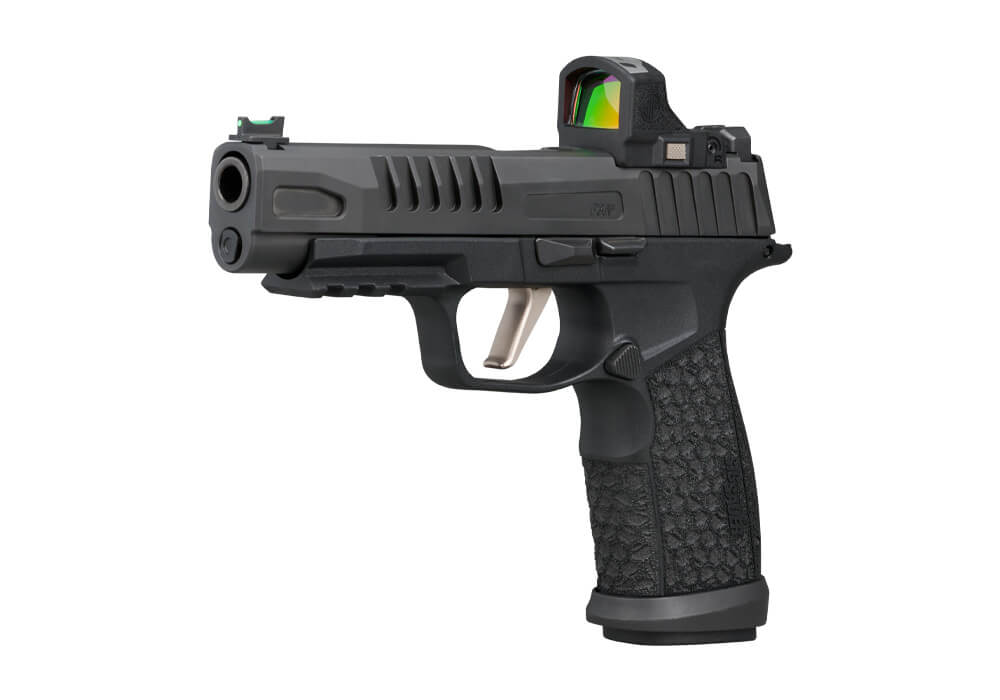
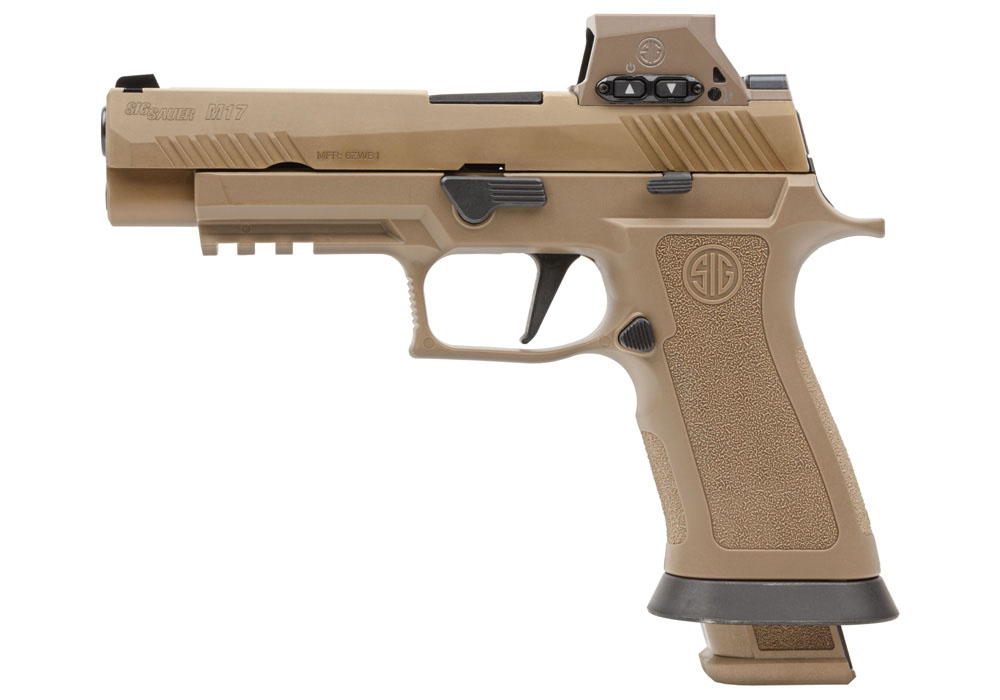
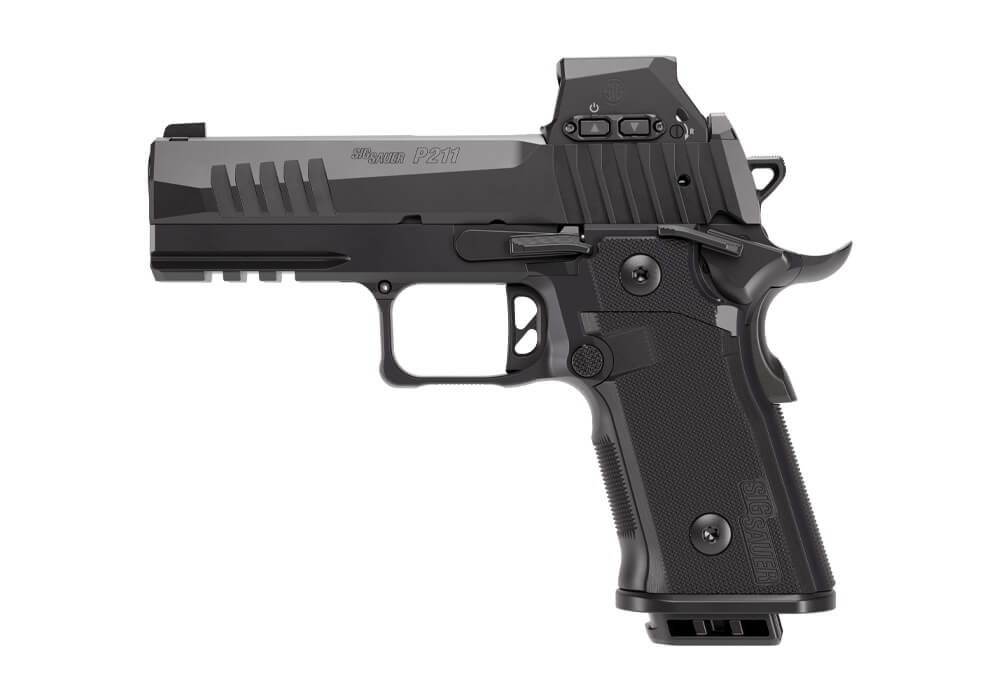
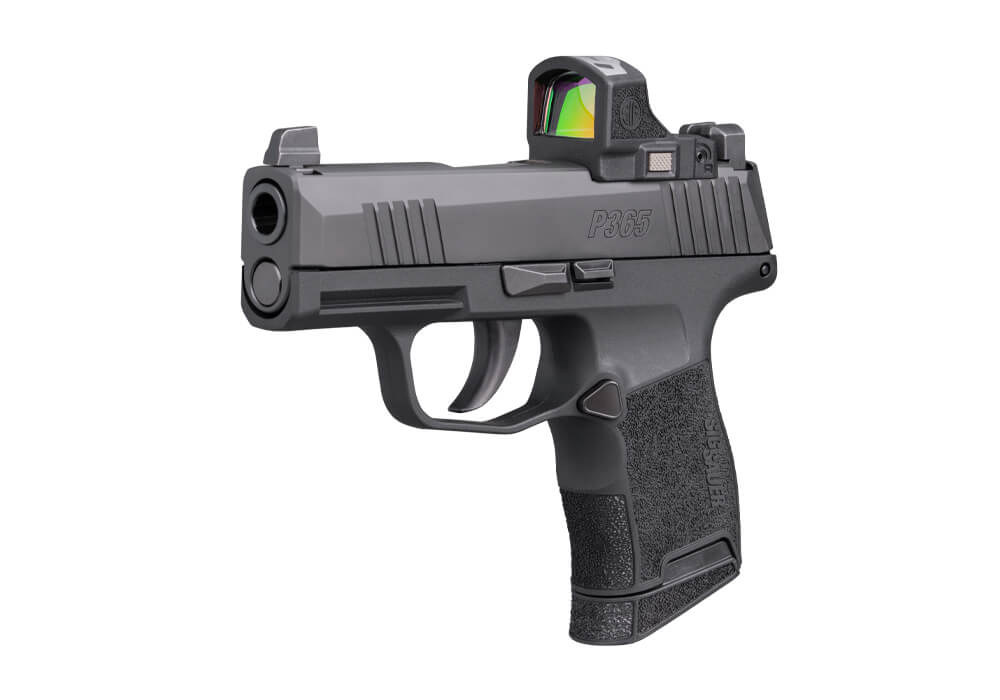
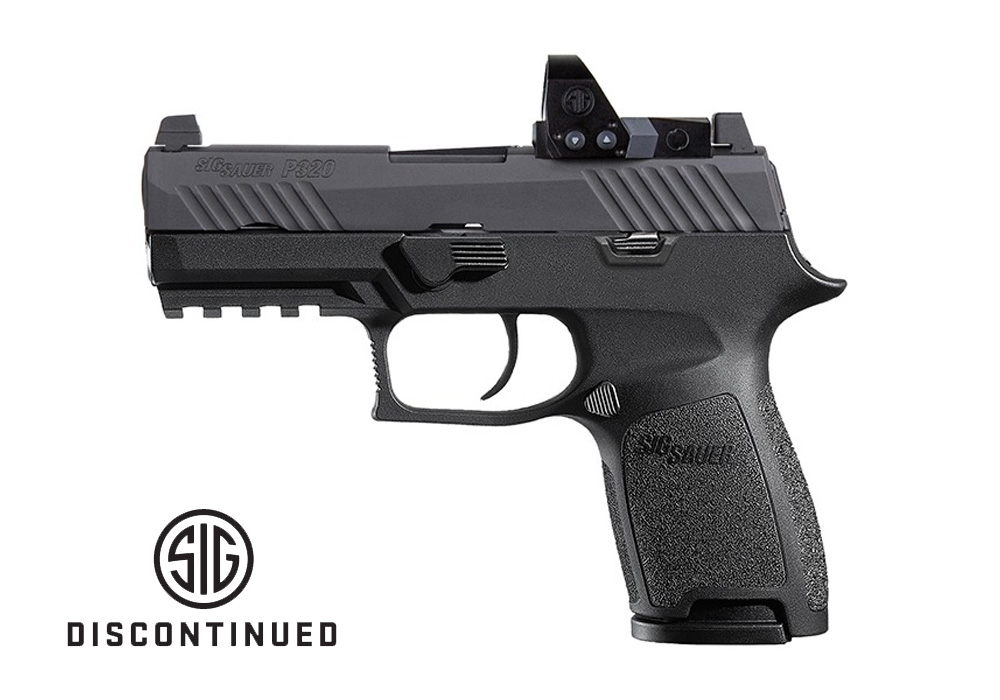
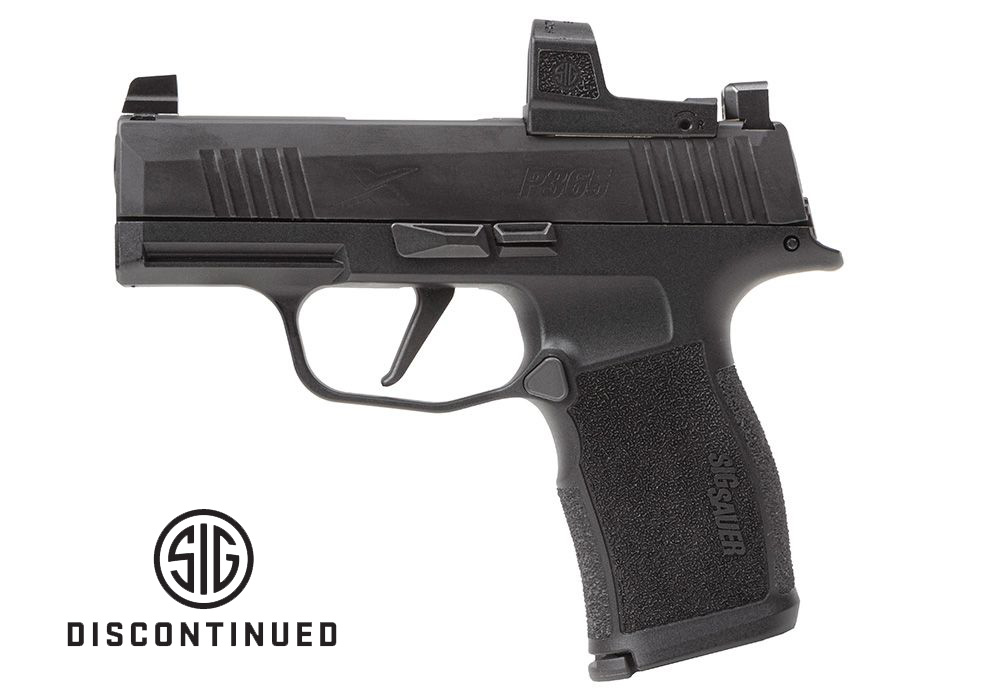
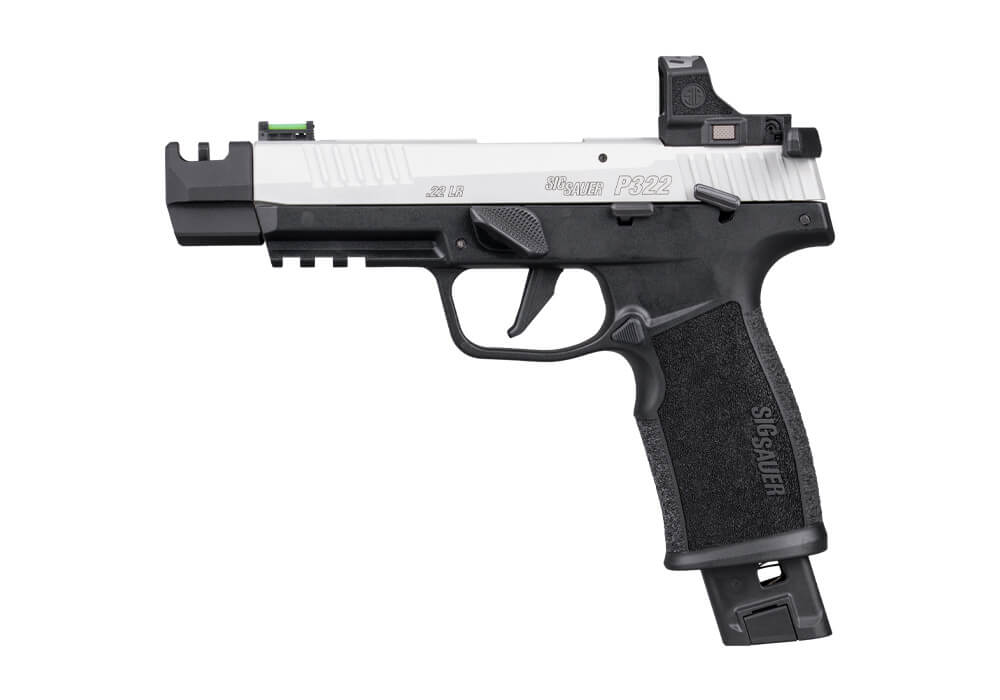
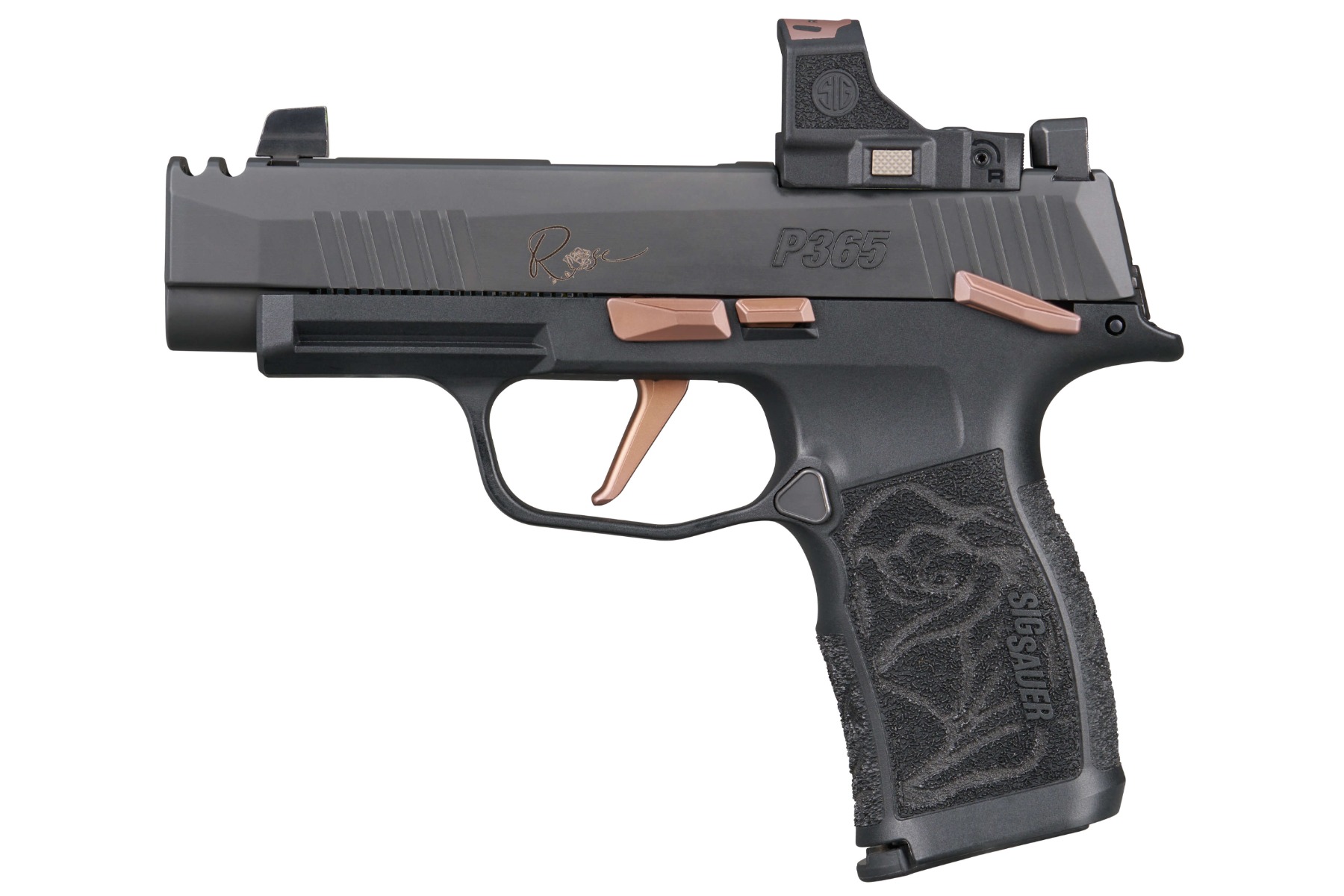
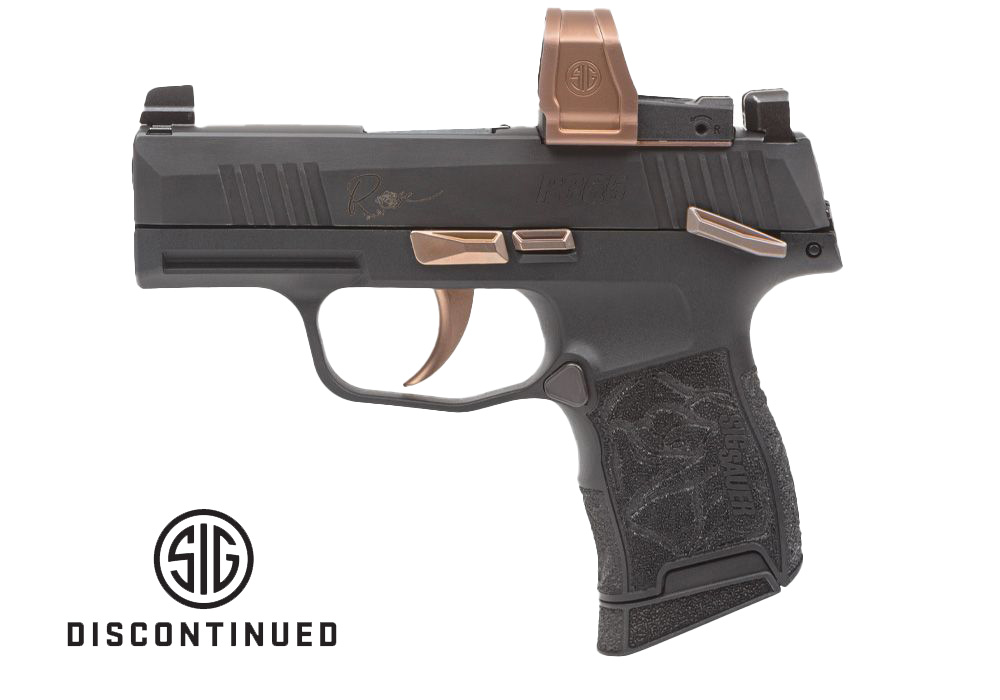
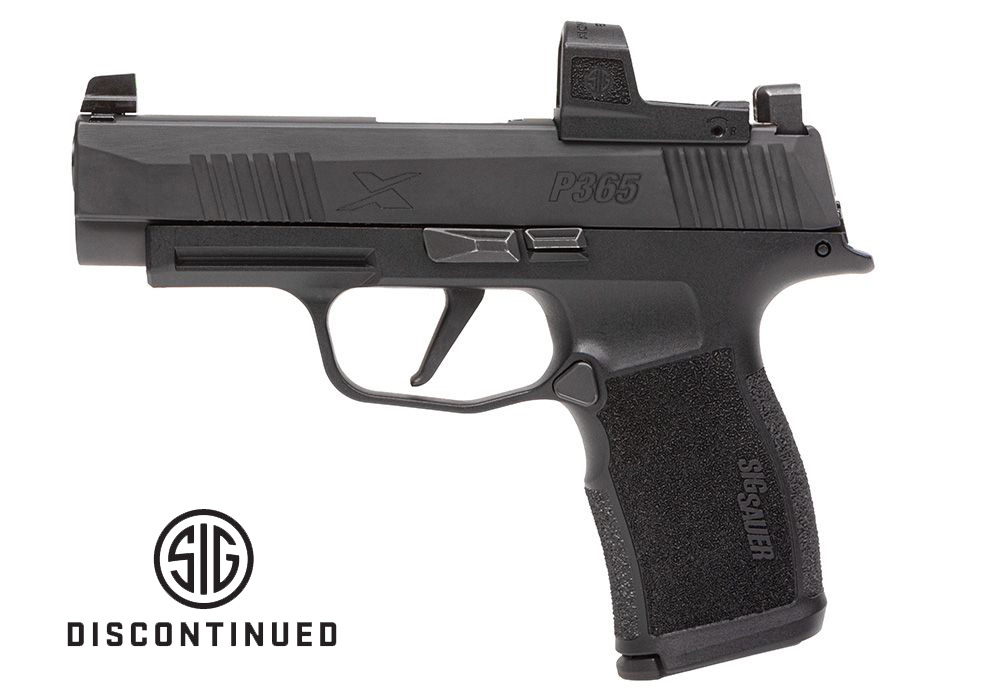
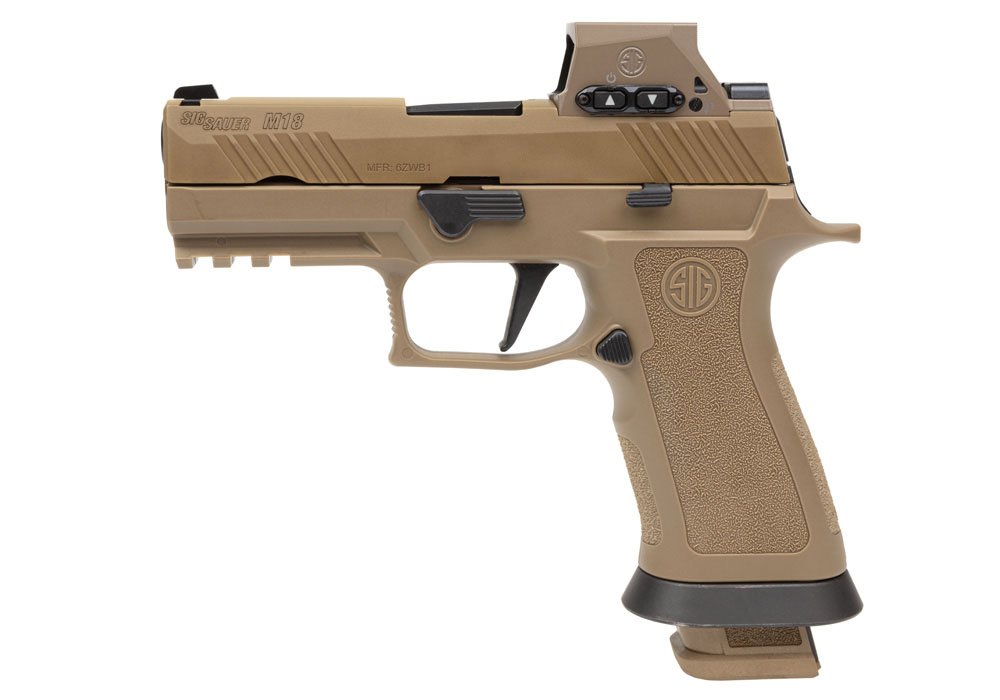
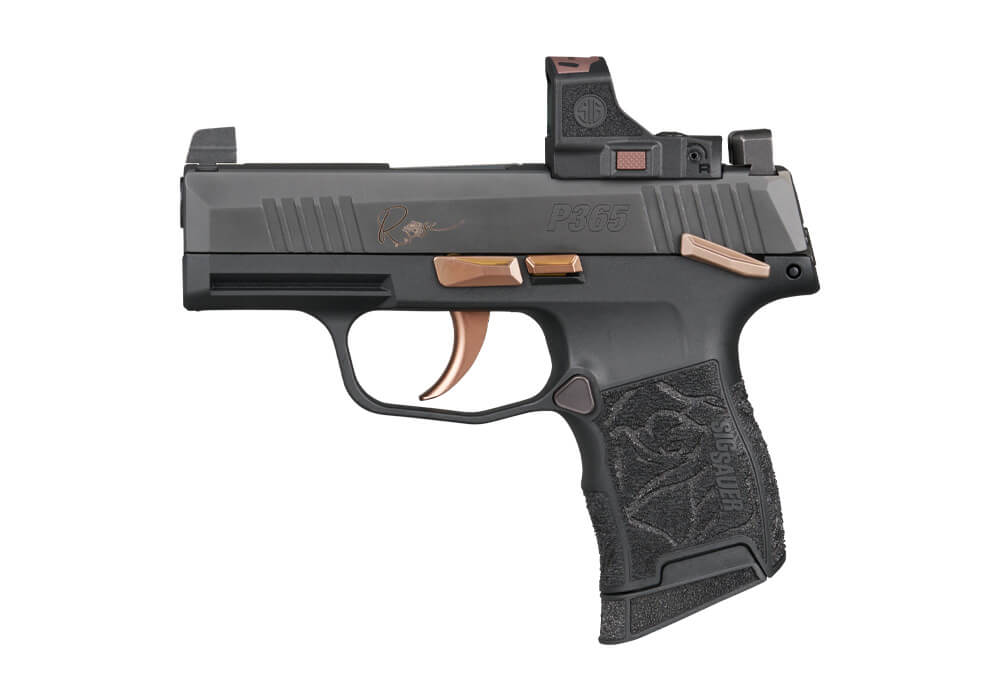
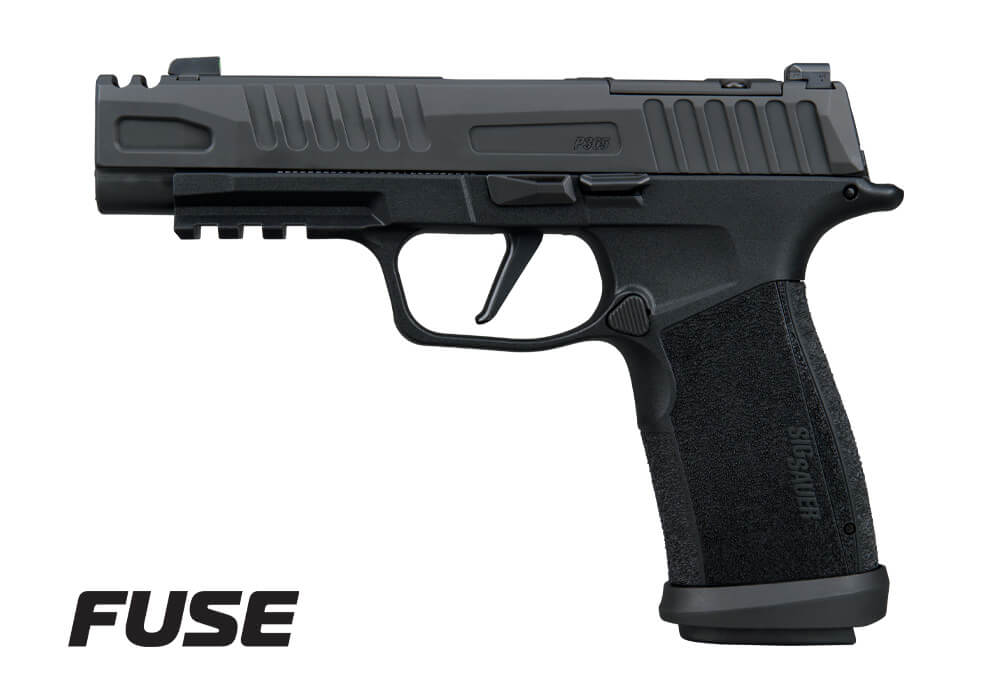
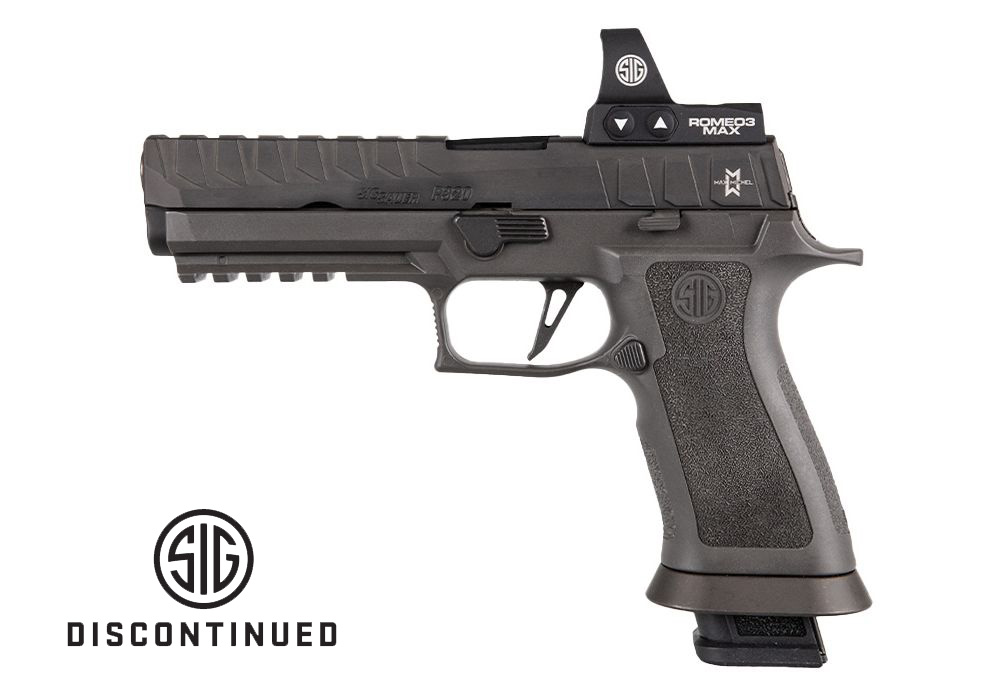
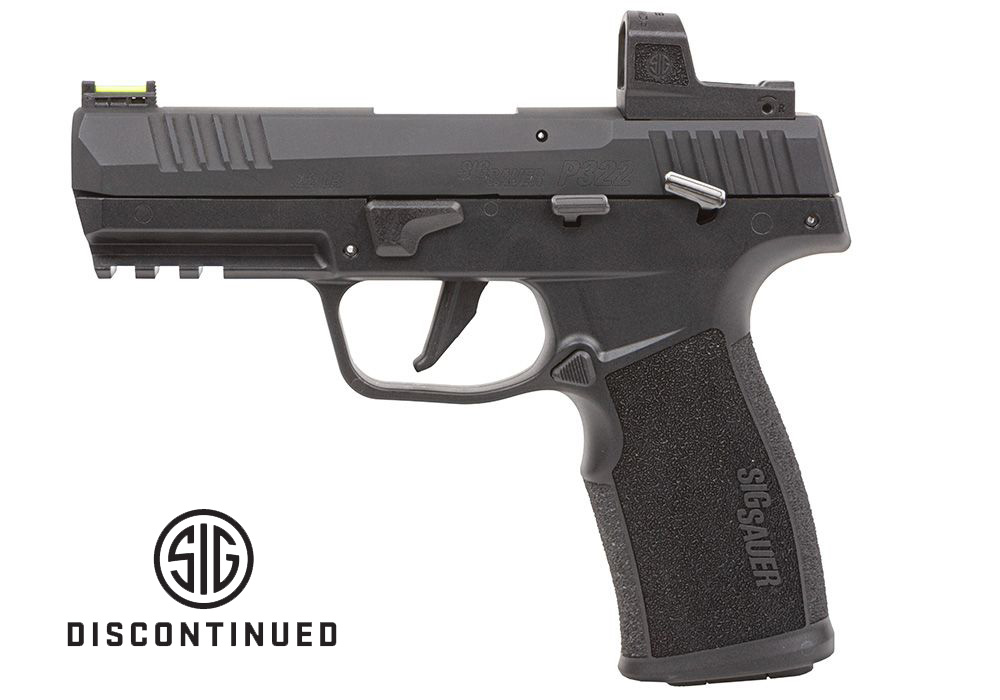
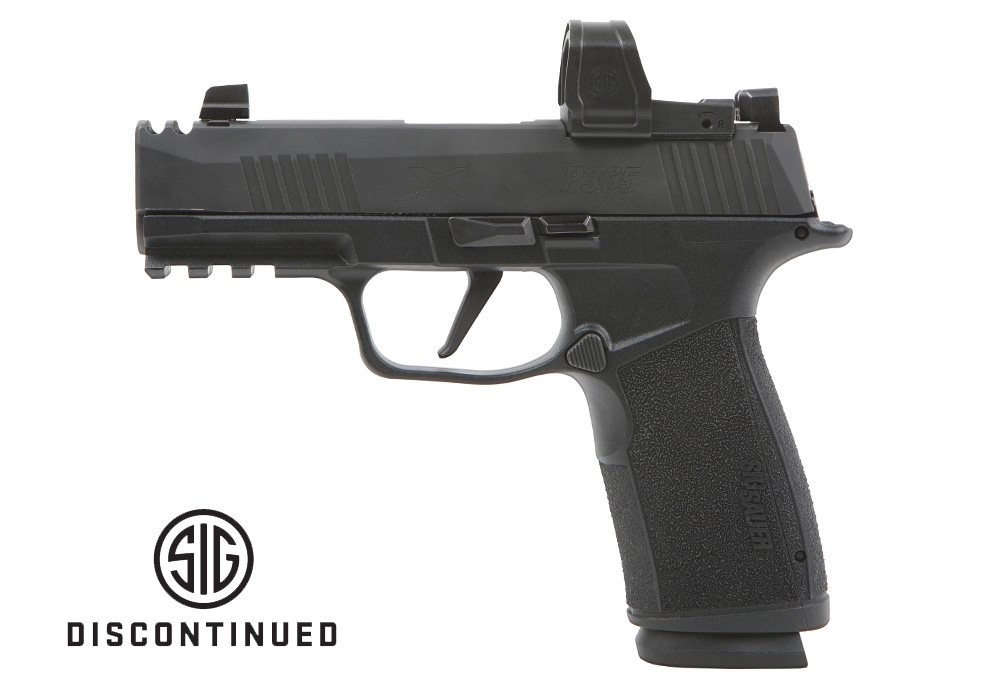
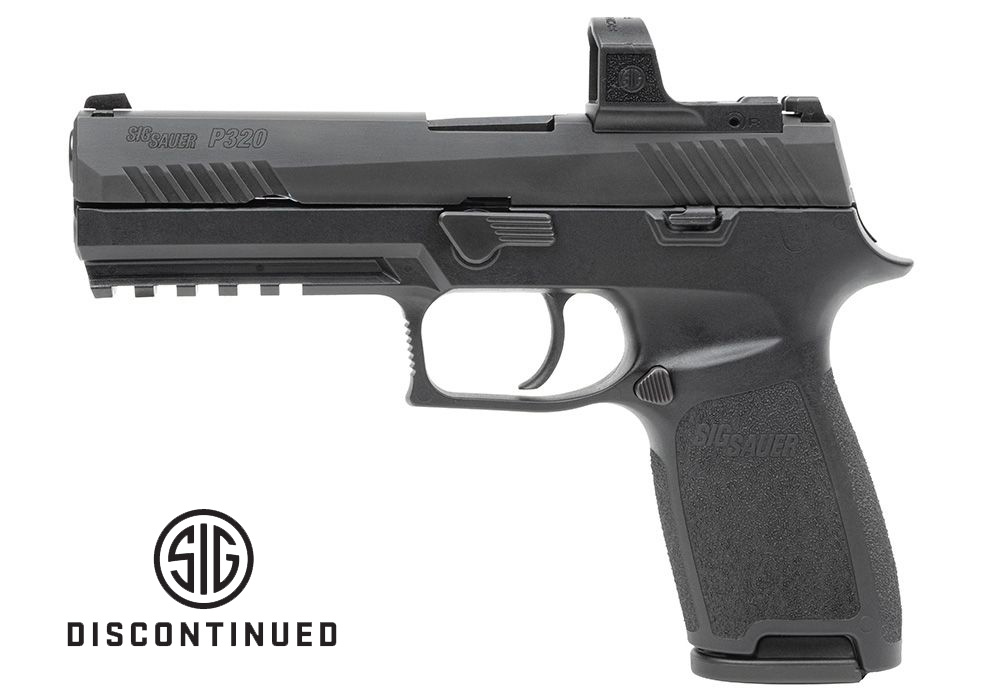
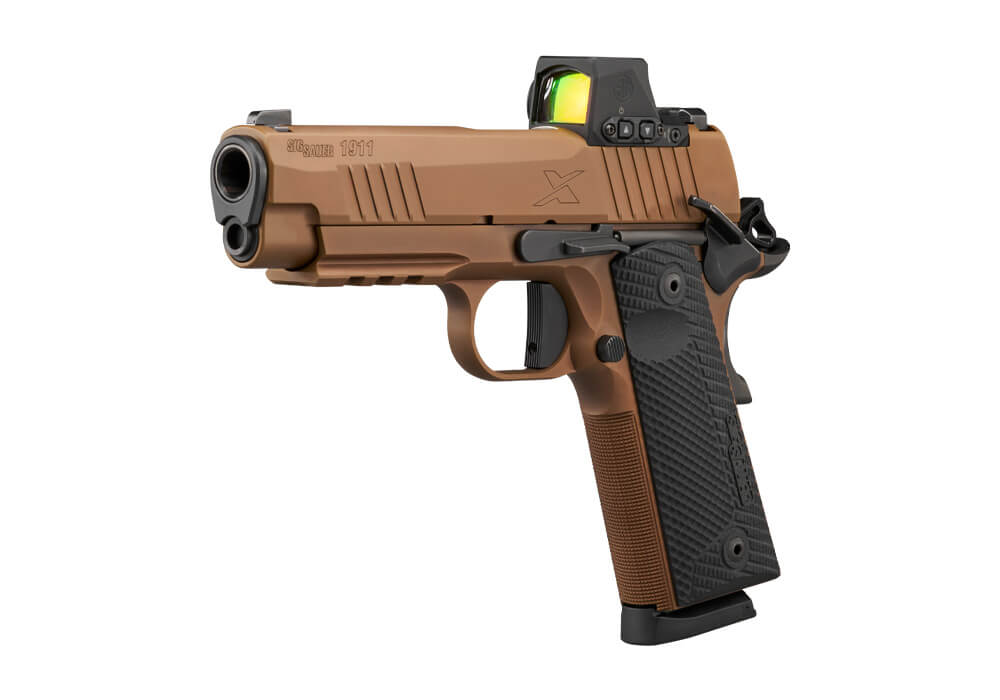
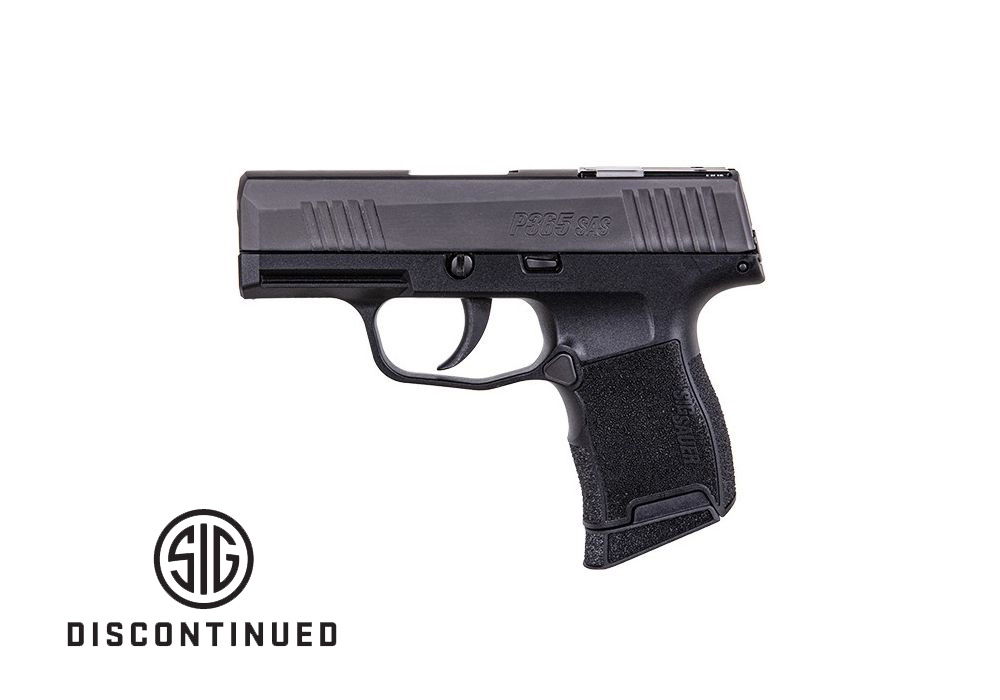
Compact pistols paired with micro red dot sights bring together a discreet profile and a modern aiming system suited to concealed carry, practice at the range, and responsible home-defense planning. These combinations typically use a slim compact or micro-compact 9mm pistol with a factory optics-ready slide and a small red dot designed to sit low over the bore. The result is a package that can remain comfortable under a covering garment while offering a bright, easily visible aiming reference. Instead of aligning three separate iron-sight points, the shooter places the illuminated reticle where the intended point of impact should be, which can feel especially intuitive at close and intermediate distances. A compact pistol with a micro red dot sight may be a practical choice for an experienced concealed carrier, a range enthusiast refining presentation skills, or a new owner who is prepared to invest in professional instruction and regular practice. It can also be a thoughtful gift for an adult family member who has expressed a genuine interest in responsible firearm ownership, provided the recipient is legally eligible, the transfer follows all applicable laws, and the giver understands the recipient’s preferences and experience level. Fit matters more than appearance alone. Consider the pistol’s overall width, grip length, unloaded weight, trigger characteristics, controls, and standard or extended capacity options, along with how those features interact with the intended carry method. A shorter grip may conceal more easily beneath a light shirt, while a slightly longer grip can provide more purchase for the firing hand during practice. The right balance is personal: a pistol that disappears comfortably during a long day of errands is more likely to be carried consistently, while a pistol that feels awkward or difficult to control may spend more time in a case than in a holster.
The optic deserves the same careful attention as the pistol. Look for a micro red dot with a footprint that matches the slide cut or mounting plate, a reticle that remains clear in the shooter’s preferred lighting conditions, controls that are easy to reach without disturbing zero, and a battery system that supports dependable maintenance. Some compact optics use an open emitter, while enclosed designs provide additional protection from lint, dust, moisture, and the everyday debris that can collect around a concealed firearm. Brightness settings may be manual, automatic, or a combination of both, and each approach has advantages depending on where the pistol is used. A reticle that looks crisp against a shaded target may appear too bright in low light, while a setting that works indoors may be difficult to see under a bright afternoon sky. Iron sights remain an important consideration even when a pistol carries an optic. Taller sights may allow a lower-third or full co-witness view through the window, giving the shooter a backup aiming method if the optic’s battery is depleted, the lens is obstructed, or the dot is not immediately visible during presentation. Confirm that the selected optic, mounting hardware, and sight height work together before purchase; not every micro sight fits every optics-ready slide, and the correct screws, torque specifications, and thread treatment are essential to maintaining a secure installation. A quality holster designed specifically for the pistol-and-optic combination is equally important. It should protect the trigger guard, retain the firearm during ordinary movement, and position the optic without pressing against the body in a way that affects comfort or draws the pistol out of alignment. A safe, rigid storage solution at home, separate from unauthorized access, should be part of the setup from the beginning.
Learning to use a red dot sight is straightforward, but it is not automatic. During a first range session, many shooters instinctively search for the dot instead of presenting the pistol naturally, causing the window to show only a blank section of the lens. Repeated, unloaded practice with a verified safe firearm can help build a consistent grip and draw stroke, followed by live-fire work under qualified supervision. Begin at a comfortable distance with deliberate shots, confirm the optic’s zero, and gradually add movement, varied target sizes, or timed exercises only after the fundamentals feel settled. Keep both eyes open when appropriate, maintain a stable stance, and focus on the target while allowing the illuminated reticle to appear in the window. The optic should support sound technique rather than replace it. Routine inspection should include checking the mounting screws, confirming the reticle illuminates, wiping the lens with suitable materials, replacing the battery on a deliberate schedule, and examining the holster for wear. Ammunition selection should follow the pistol manufacturer’s specifications, and defensive ammunition should be tested for reliable function before it is trusted for that role. Owners comparing this category with other sight configurations may also find useful alternatives among Compact Pistols With Enhanced Sights. During warmer weather, lighter clothing can make concealment and holster comfort especially noticeable; as the cooler months arrive, layered garments introduce different considerations for access and safe presentation. In every season, the best setup is one that fits the owner’s hand, clothing, training plan, storage routine, and legal responsibilities, supported by consistent practice and a clear commitment to safe handling.