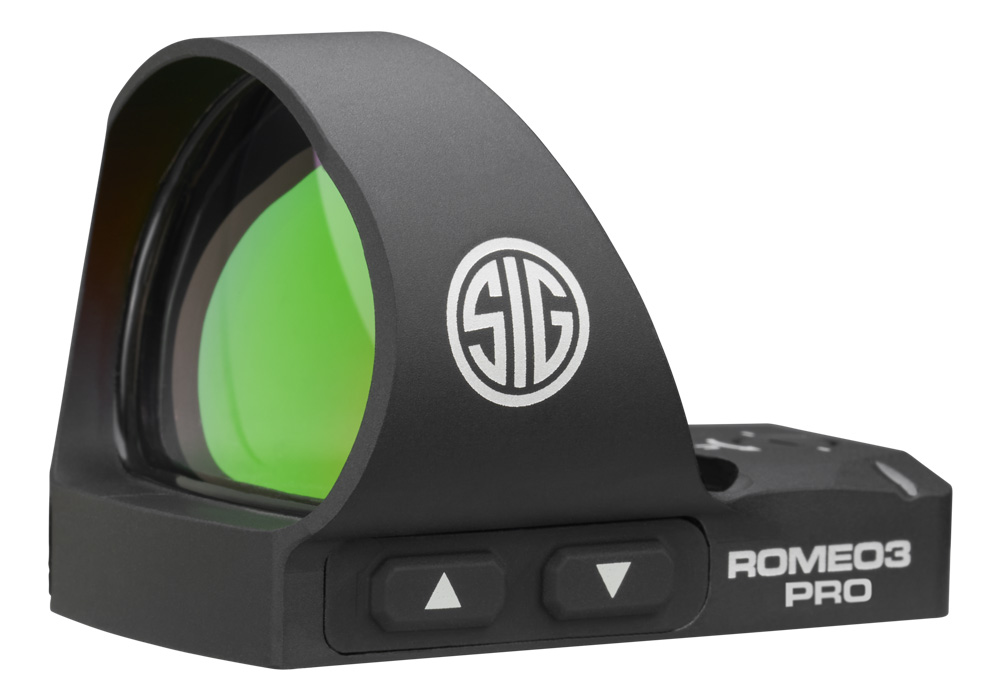
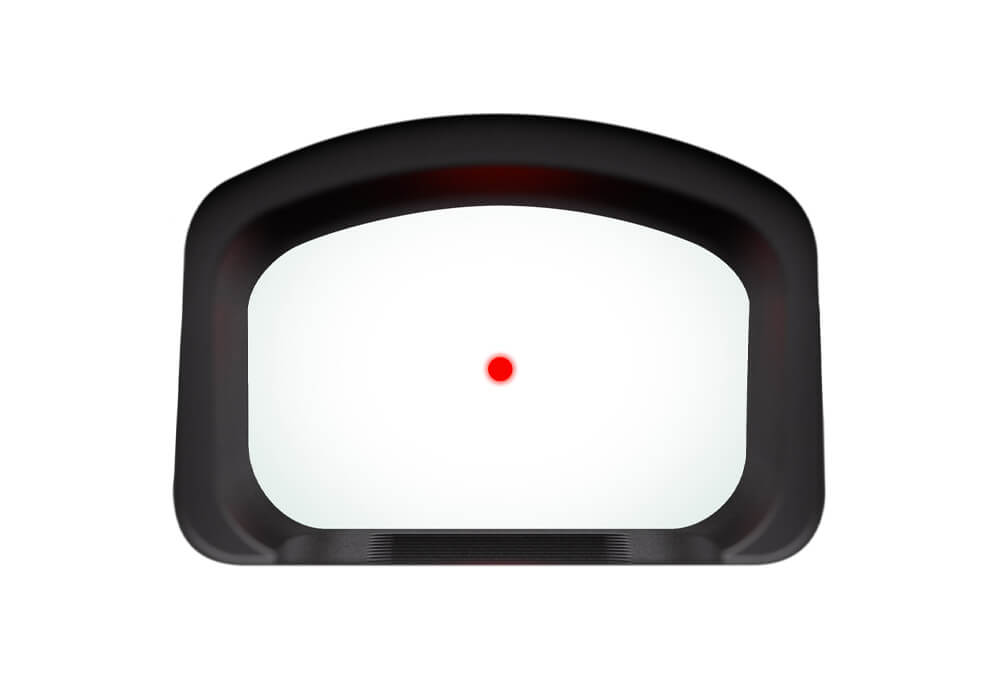
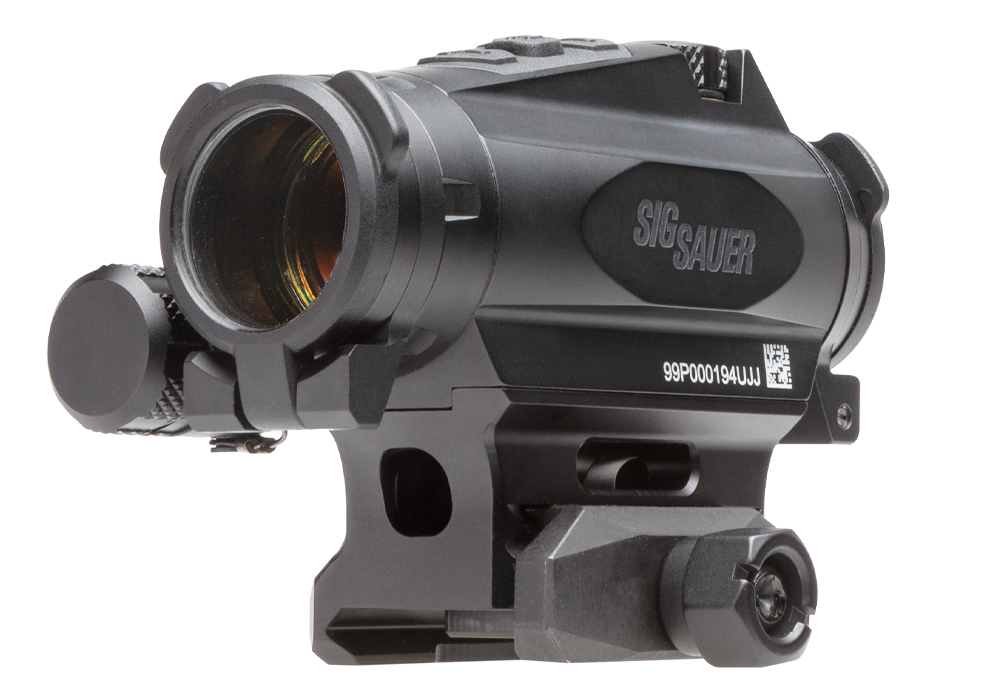
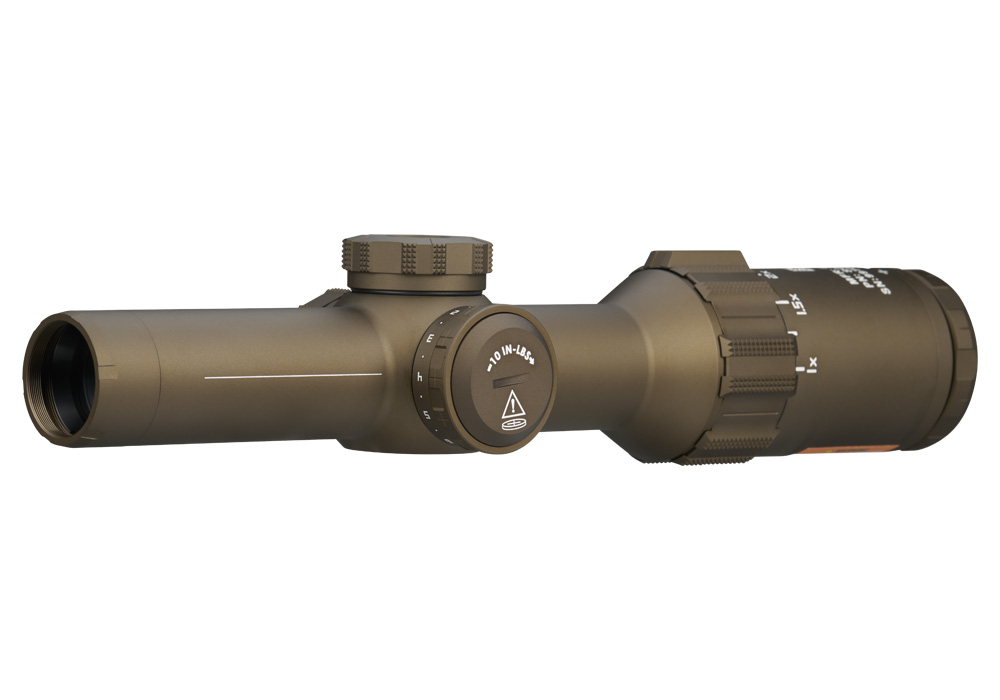
Competition optics are designed to help shooters find the aiming point quickly, track it through recoil, and maintain a clear view of the target during fast-paced stages. Unlike optics chosen primarily for concealed carry or duty use, competition-focused models commonly emphasize an oversized viewing window, bright and easily acquired reticles, clear glass, and controls that can be adjusted without taking the pistol out of action. These features are especially useful when a stage requires rapid transitions between targets, shooting from an unconventional position, or recovering the dot after each slide cycle. A wide window gives the eye more room to locate the reticle when the pistol is not perfectly aligned, while a crisp dot or ring-and-dot arrangement can make it easier to shift between close, speed-oriented targets and smaller, more distant scoring zones. Shooters in practical pistol competitions, action shooting matches, steel challenges, and informal range sessions may all appreciate this balance of speed and precision. A competitor who spends an afternoon moving between barricades, ports, and multiple target arrays quickly learns that a fraction of a second can be lost simply searching for the reticle. The right optic does not replace a consistent presentation, but it can make that presentation easier to repeat when the pace increases and the timer is running.
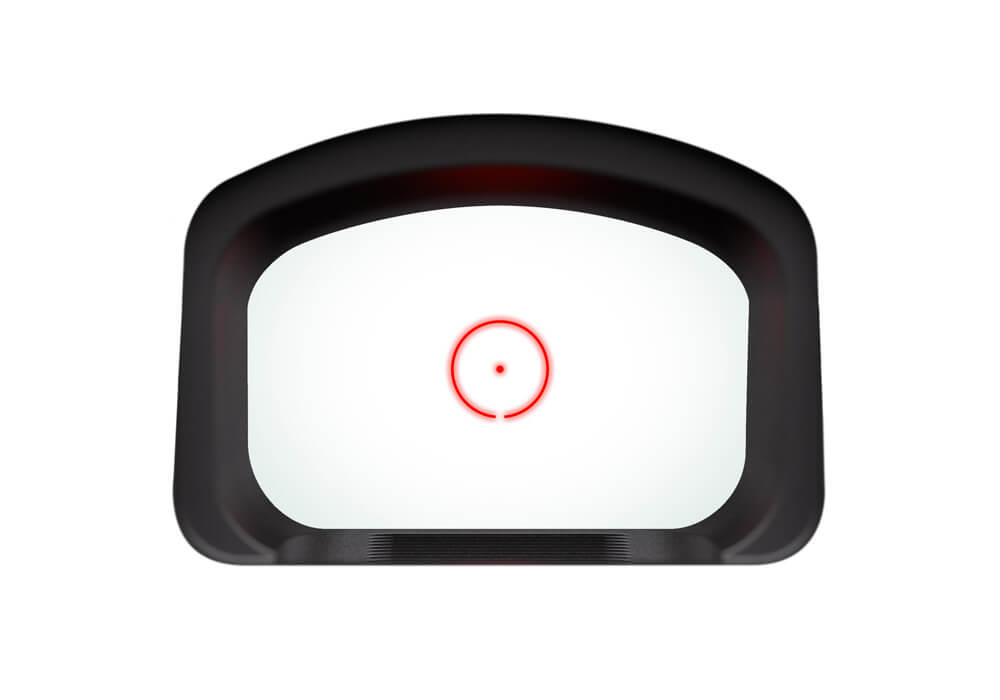
Choosing a competition optic begins with confirming the handgun platform, slide cut, mounting footprint, and intended division or ruleset. An optic must fit the prepared cut or adapter system correctly, and the mounting screws, plate, and torque specifications should match the manufacturer’s instructions. A proper fit supports reliable zero retention and helps prevent avoidable movement during repeated recoil. Window size is one of the most noticeable considerations: an extra-large window can speed reticle acquisition, while a more compact housing may suit a particular slide, holster, or carry configuration. Reticle selection is equally personal. A small standalone dot can offer a clean aiming reference for precise shots, while a larger dot or multi-reticle system may be easier to pick up during rapid presentations. Shooters with astigmatism or changing vision may prefer to compare several reticle styles and brightness settings at the range rather than relying on specifications alone. Brightness should remain visible against the lighting at the target without blooming into an indistinct blur, and automatic brightness modes can be convenient when moving between indoor and outdoor environments, though manual controls give the shooter more direct control. Parallax characteristics, glass clarity, lens tint, glare management, and the location of brightness buttons all matter when an optic is used for long practice sessions. Top- or side-loading battery access is another practical feature because it can allow a battery change without removing the optic and disturbing the zero. Battery life depends on the reticle, brightness level, motion-sensing features, and storage habits, so routine inspection remains worthwhile even with efficient electronics. Before a match, many experienced shooters confirm the dot, inspect the fasteners, verify the zero, and carry a fresh battery and the appropriate tools in their range bag.
Competition optics can be a thoughtful choice for a new competitor, an experienced shooter refining a race-ready pistol, or a range enthusiast who wants to build confidence with a modern aiming system. They may also make a practical gift for someone preparing for a first match, provided the optic is compatible with the recipient’s handgun and intended mounting system. A gift buyer can make the selection more useful by confirming the pistol model, existing slide cut, preferred footprint, and whether the recipient shoots a division with specific equipment limits. For anyone comparing competition-focused models with Advanced Optics, the intended use should guide the decision. An open-emitter design with a broad window may prioritize a fast, unobstructed sight picture, while other shooters may place greater value on added protection from debris, moisture, or demanding storage conditions. Neither approach is universal; the best choice depends on the match environment, maintenance routine, pistol setup, and personal presentation style. During the cooler months, range clothing and gloves can subtly change grip pressure and draw mechanics, making a forgiving window and clearly defined reticle especially helpful during practice. It is worth spending time confirming the optic’s zero from a stable position, then testing it from realistic distances and shooting positions before relying on it in competition. A careful setup, secure mounting hardware, suitable brightness, and regular battery checks allow the optic to perform as part of a complete system rather than as an isolated upgrade. With the right combination of window size, reticle, controls, and compatibility, competition optics can support faster target transitions, more confident tracking, and a focused shooting experience from the first sight picture through the final stage.