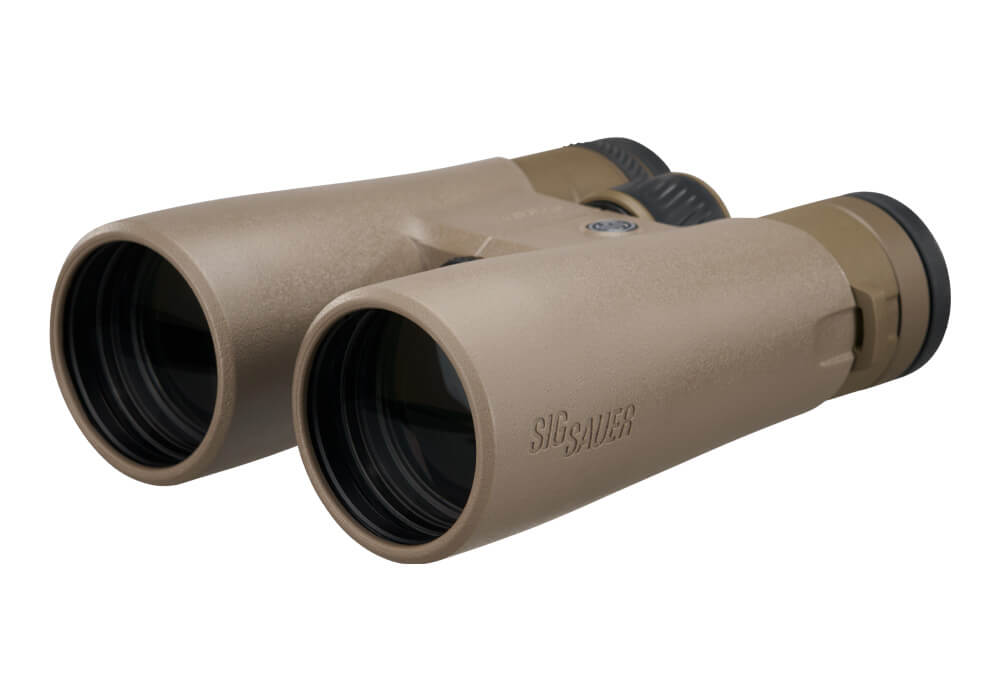
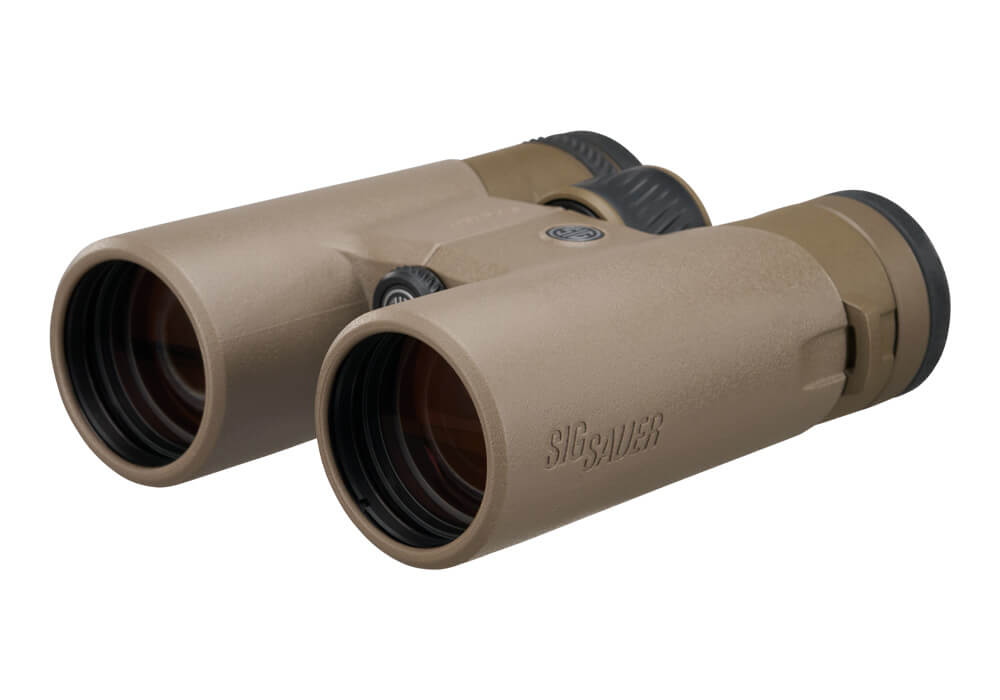
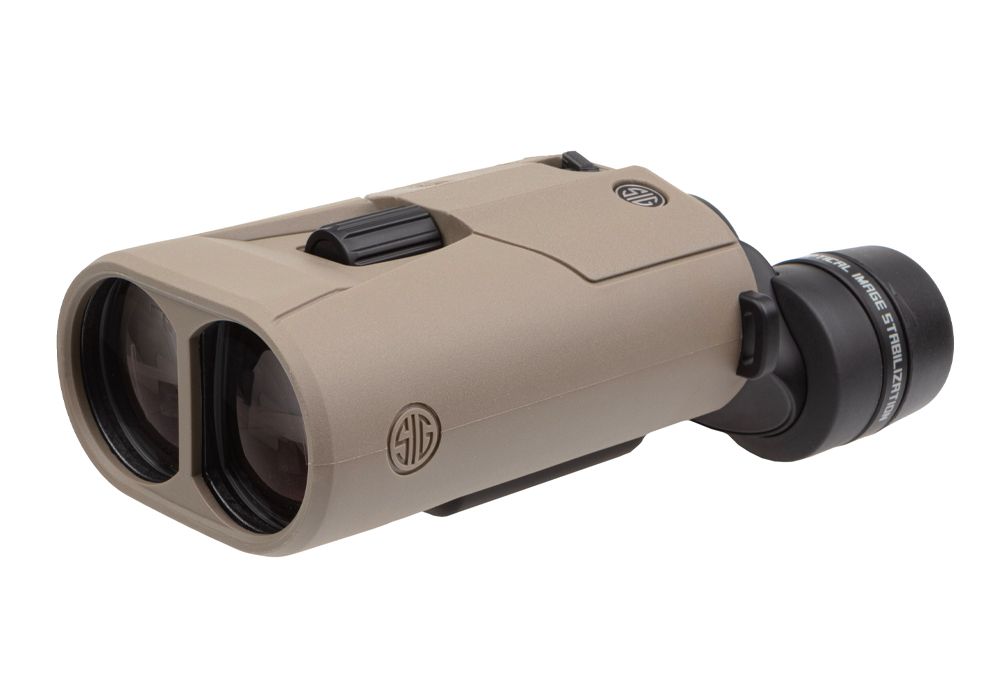
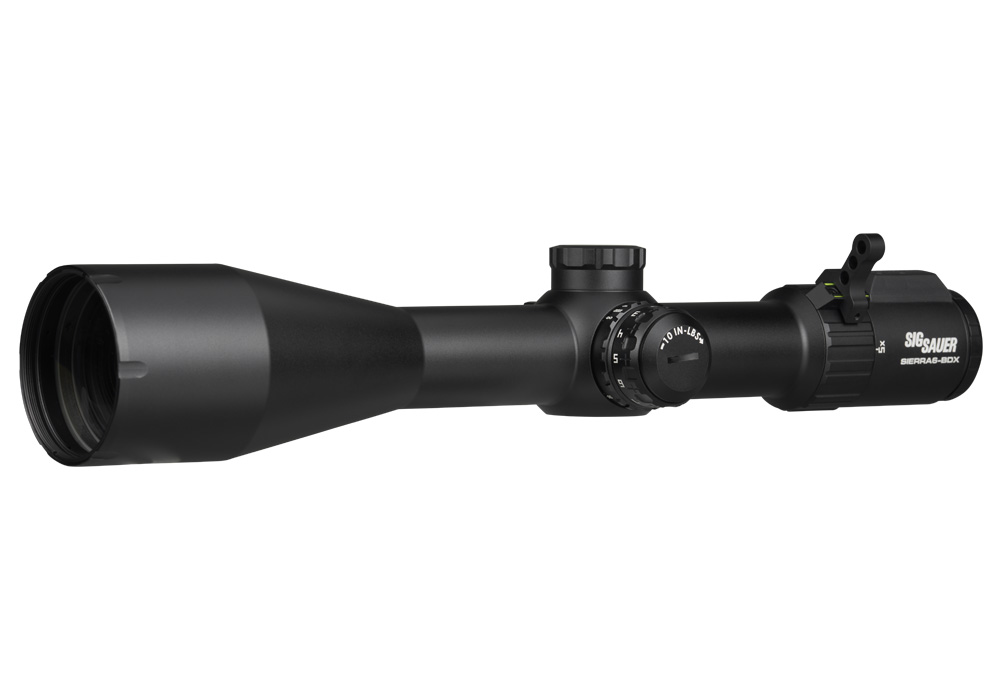
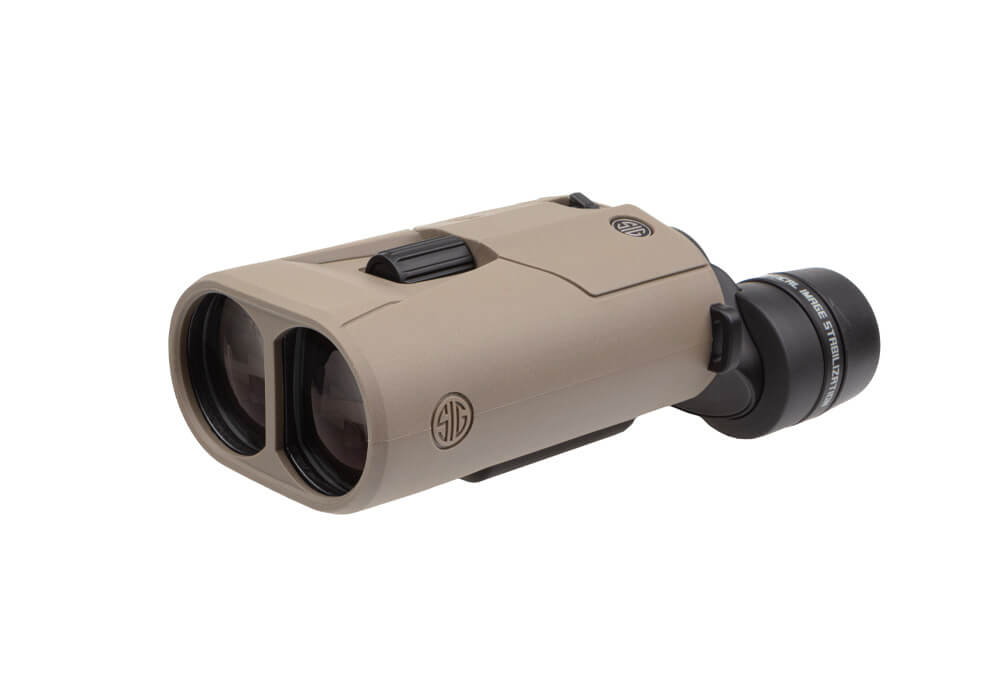
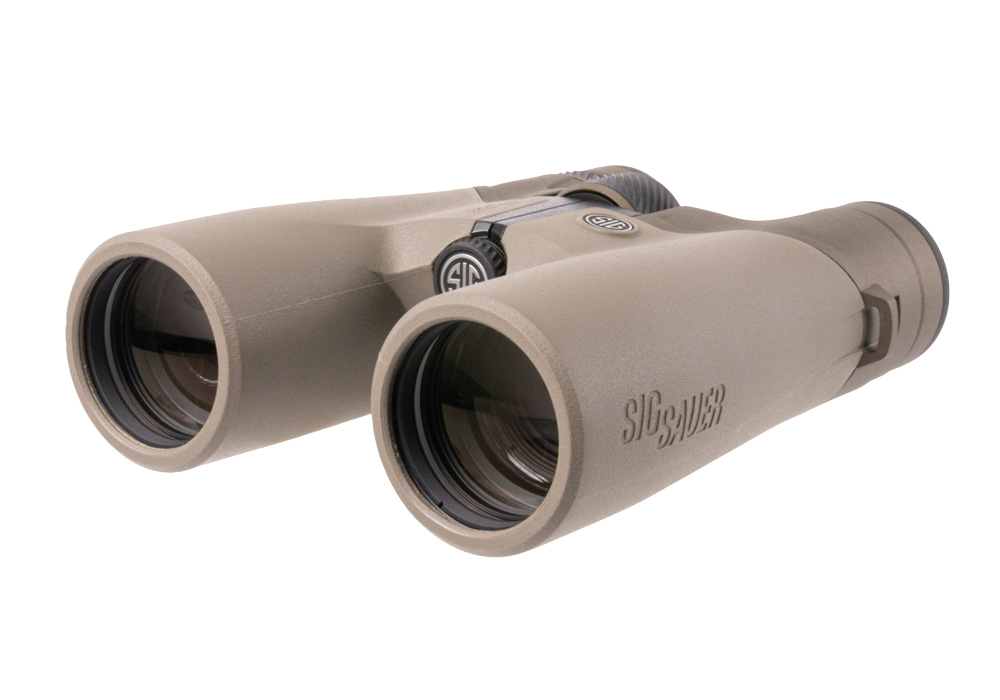
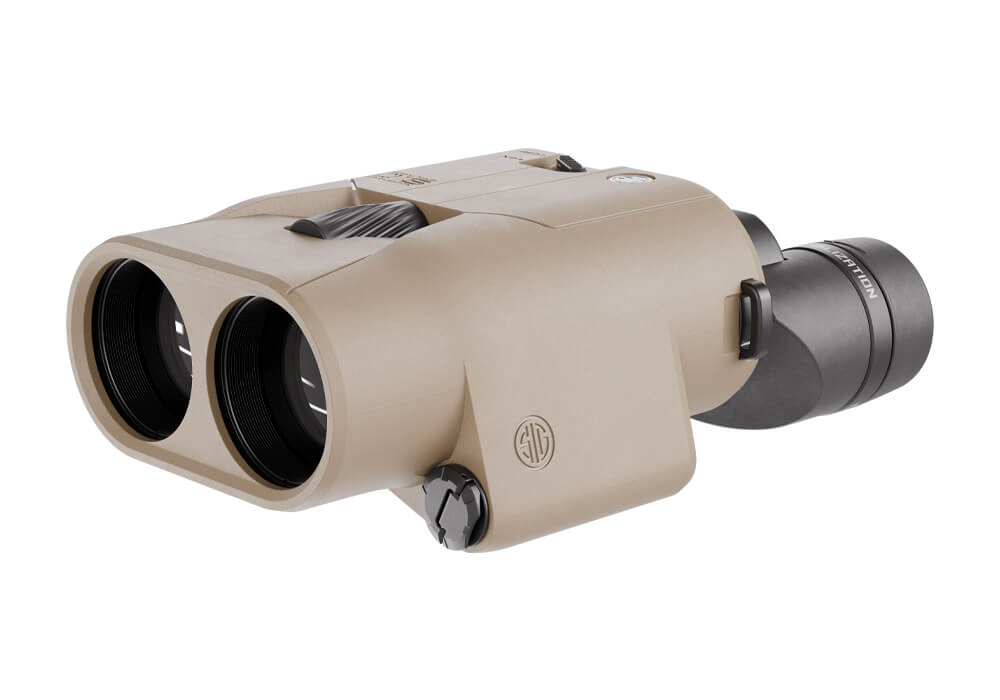
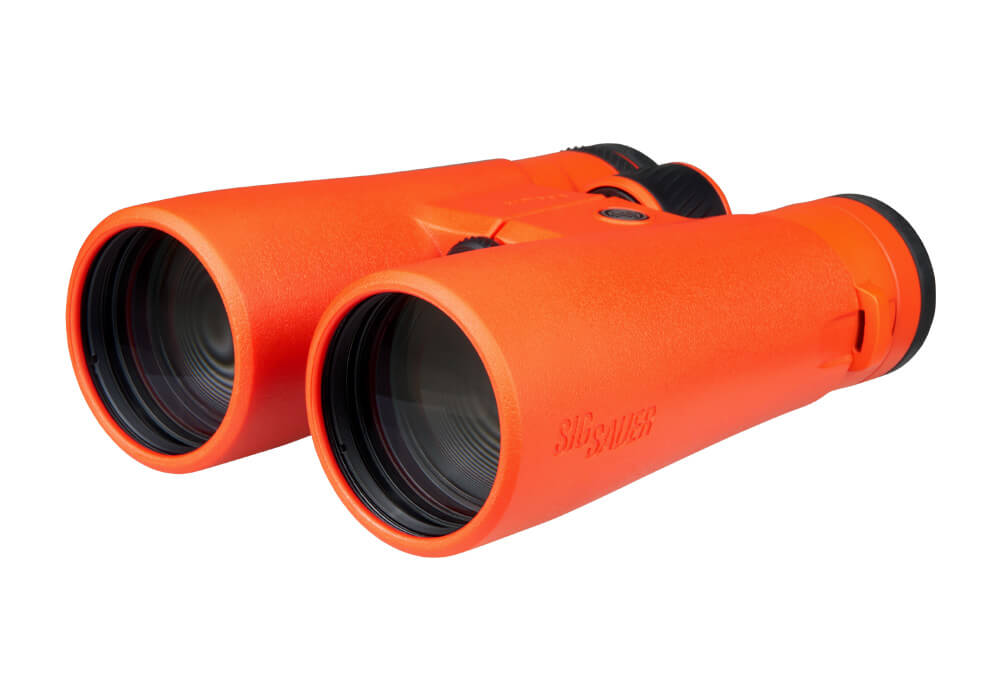
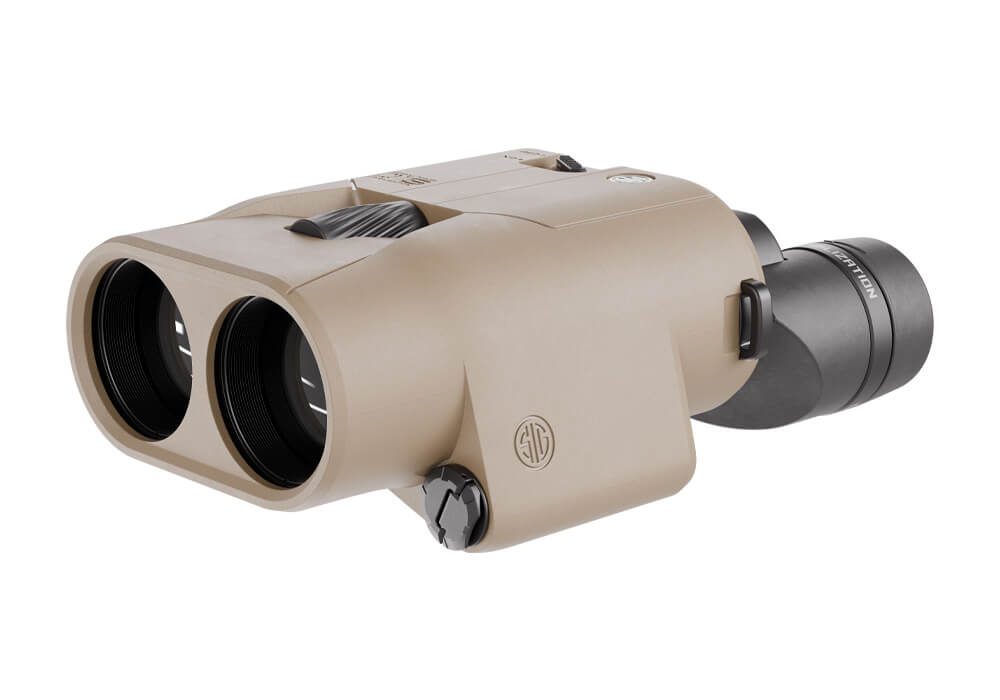
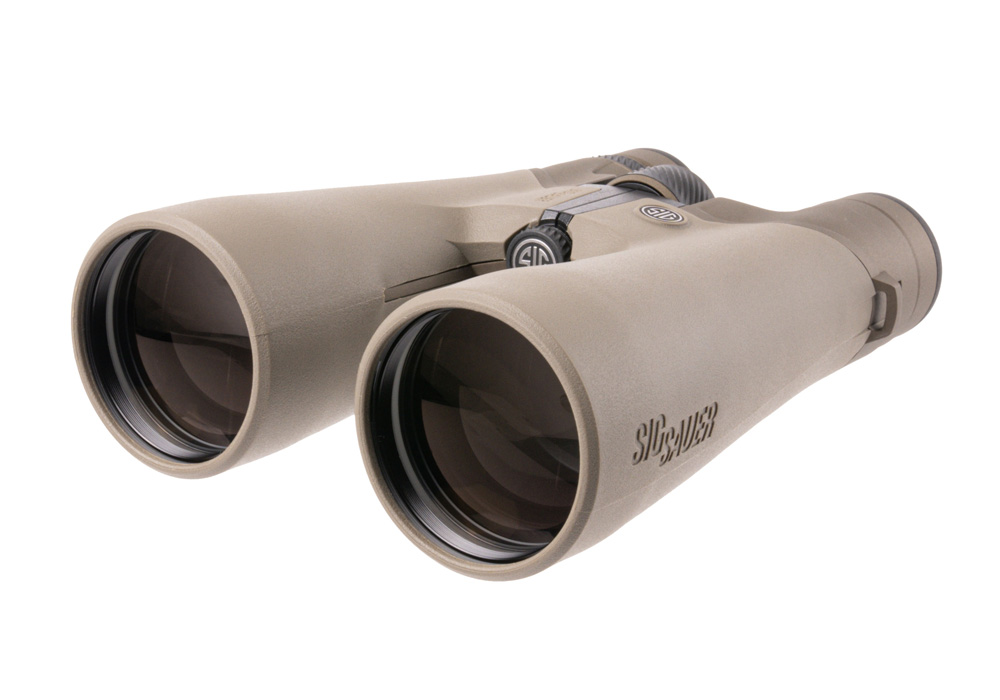
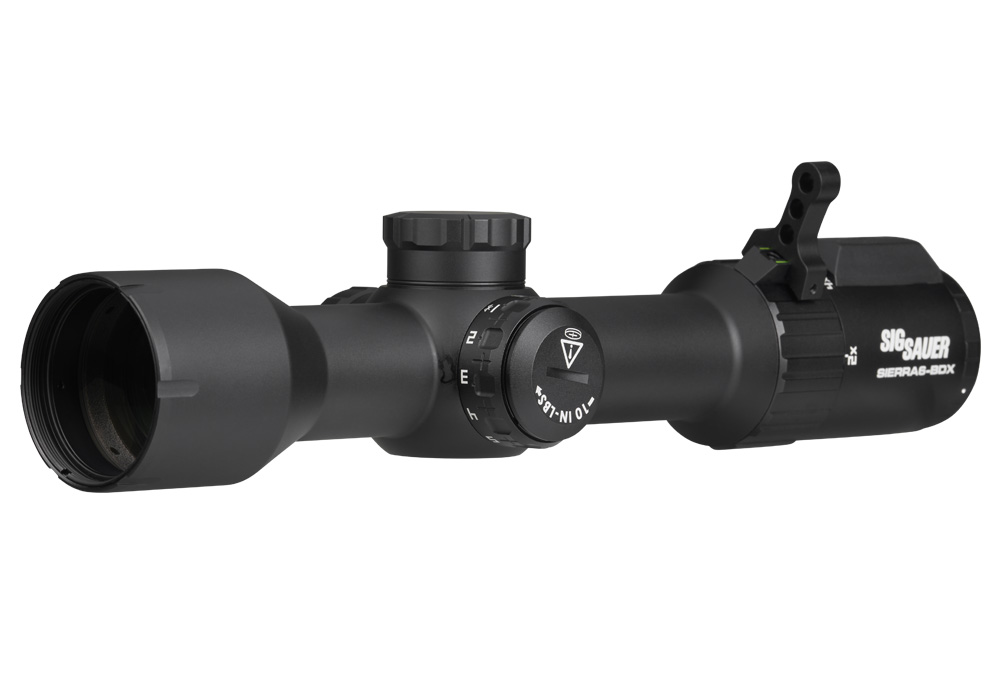
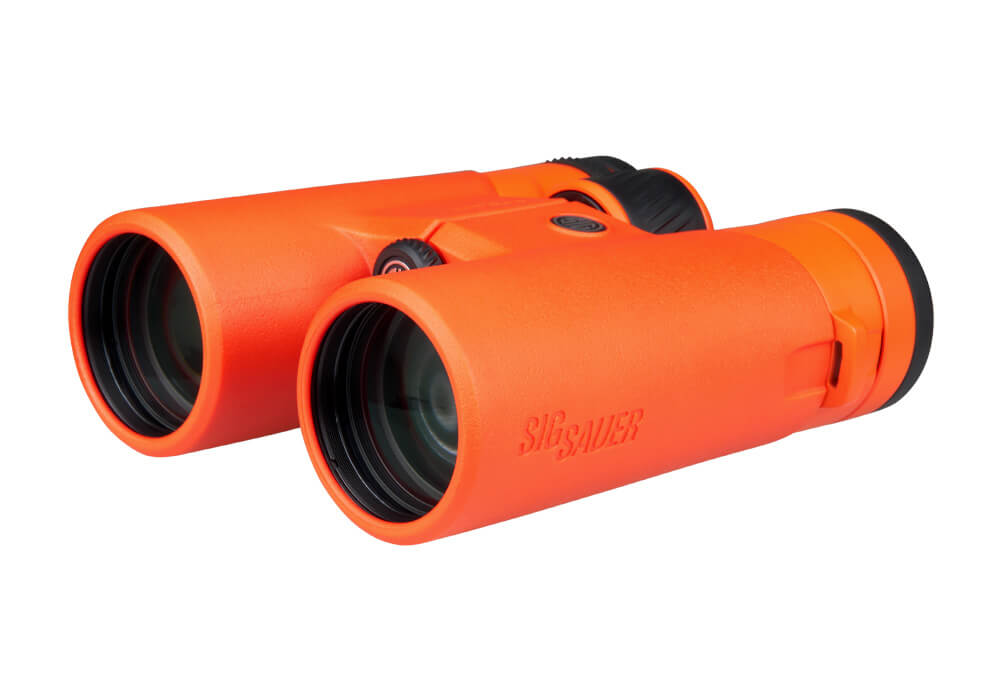
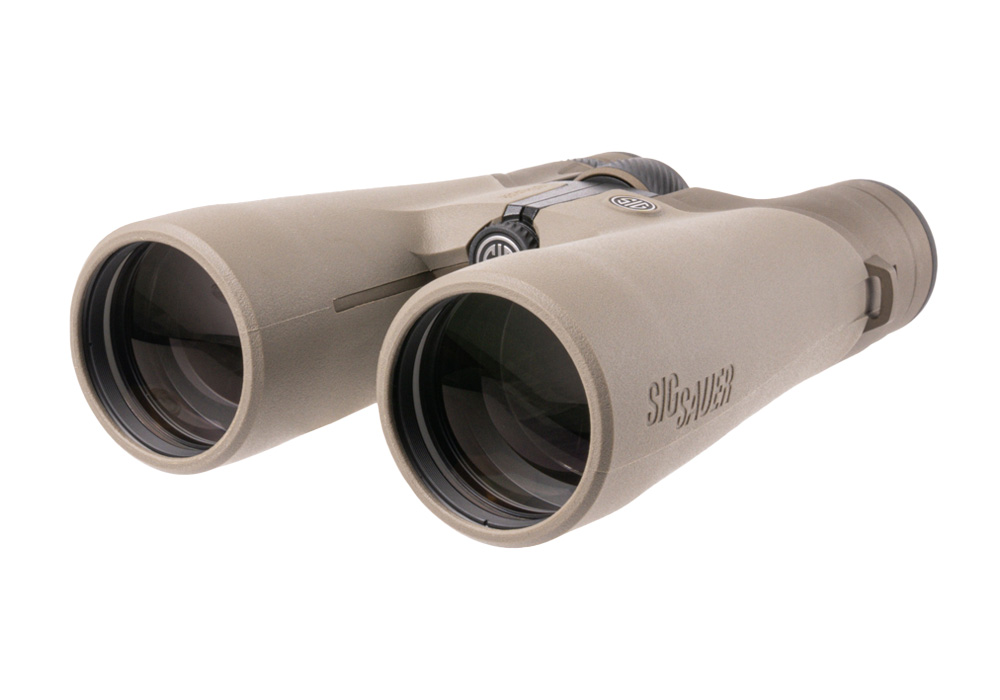
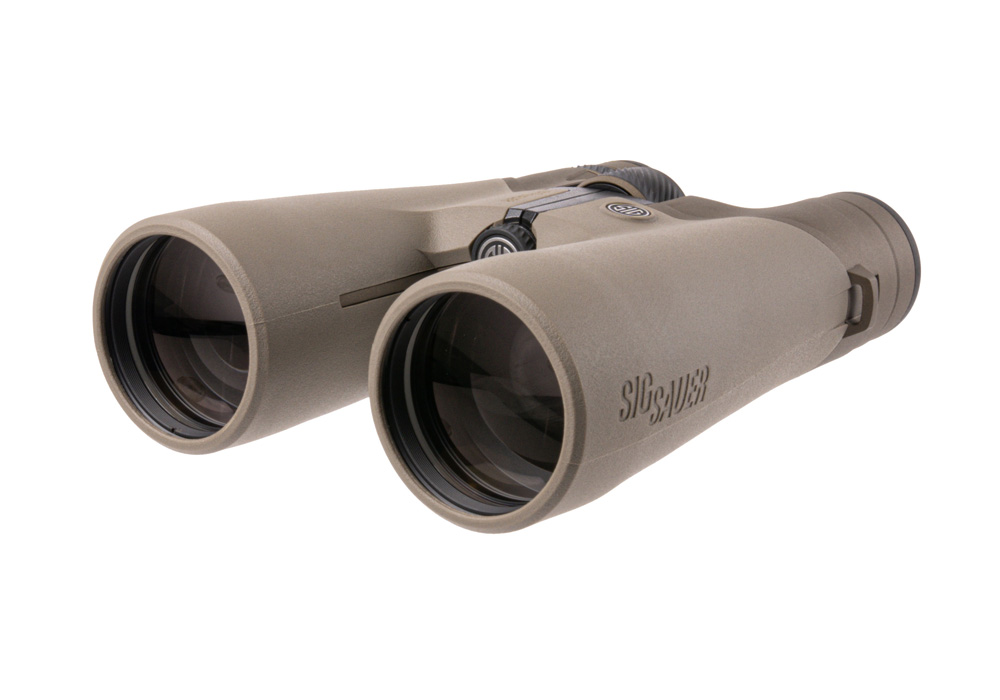
Field optics bring together observation tools, tripods, mounting systems, and support accessories for hunting, precision shooting, wildlife viewing, and outdoor photography. The common purpose is a clear, steady view and a practical way to keep equipment positioned throughout an outing. Binoculars help survey a broad stretch of terrain, while spotting scopes provide a closer look at distant details. Tripods and compatible mounts support longer viewing sessions without requiring the observer to hold an optic continuously. Across a clearing, along a shoreline, or beside a target range, a stable platform can make fine details easier to distinguish and repeated observations more comfortable. A birder following movement through branches may value smooth adjustments and a wide field of view; a hunter studying a distant ridgeline may place greater emphasis on portability and sustained viewing comfort. Precision shooting enthusiasts often need a spotting setup that stays secure while the observer shifts position or adjusts the viewing angle. These different uses explain why field optics involve more than magnification alone. Optical clarity, support stability, mounting compatibility, and the way each component fits into a complete setup all affect the experience. Higher magnification can reveal smaller details, but it also makes movement more noticeable and generally narrows the visible area. Objective lens size, optical coatings, and focusing controls contribute to the view, while eyecups and eye relief influence comfort, especially for people who wear glasses. For a broader look at observation equipment, Outdoor Optics provides a related category to explore alongside support equipment and accessories. The right combination depends on the activity rather than a single specification. Equipment carried over a long approach has different priorities from a setup used near a vehicle or at a dedicated observation station. A compact system can be easier to pack and reposition, while a more substantial support may offer the steadiness needed for extended viewing. Matching those priorities helps keep useful features at the center of the selection.
Tripod materials and construction have a direct influence on carrying weight, rigidity, and long-term durability. Carbon fiber legs can offer a favorable balance of low weight and stiffness, while aluminum provides a practical option for users who prioritize sturdy construction and straightforward maintenance. Neither material tells the whole story: leg diameter, the number of sections, the quality of the joints, and the head design also matter. A tripod with more leg sections may pack into a shorter space, but each additional joint introduces another locking point to check. Wide leg-angle settings can help accommodate seated observation or uneven ground, and independently adjustable legs make it easier to establish a level working position. A useful working height allows the observer to look through the optic comfortably without relying on excessive center-column extension, which can reduce stability. The head should suit the movement the activity requires. Smooth panning is valuable when following an animal along a distant slope, while controlled tilt adjustments help maintain a comfortable viewing angle as the subject changes elevation. Equipment weight deserves attention as a complete system, including the optic, mounting plate, adapters, and any additional accessories. A support’s rated load should be evaluated alongside its intended use and the way weight is distributed, not treated as the only measure of performance. Mounting fit is equally important. Thread dimensions, plate profiles, clamp designs, and attachment points need to match; visually similar parts are not necessarily interchangeable. Dovetail-style quick-release plates, threaded mounts, and rail-compatible adapters serve different connections, and a secure fit should not require forcing components together. Binocular mounts can reduce the strain of holding an optic for long periods, while leveling bases and adjustable heads help refine positioning. For sporting firearm support systems, compatibility with the firearm’s attachment interface and the support manufacturer’s requirements is essential. These accessories serve a different role from an optic mount, even when both connect to a tripod. Thoughtful component matching prevents a useful support from becoming awkward to carry, difficult to adjust, or uncomfortable to use.
Durability also depends on the small details that become noticeable after repeated outings: leg locks that remain easy to operate, mounting surfaces that resist wear, protective finishes that help limit corrosion, and adjustment controls that hold their position without excessive force. Protective cases and lens covers help shield optical surfaces during transport, while padded compartments can keep an optic from rubbing against metal accessories. A packed system should leave room for mounting plates and adapters without placing pressure on eyecups, focus controls, or tripod joints. Care is most effective when it follows the equipment manufacturer’s recommendations. Loose grit should be removed before wiping lenses, and optical surfaces need cleaning materials intended for coated glass rather than ordinary clothing or household cleaners. Tripod joints, clamps, and attachment threads also benefit from regular inspection, particularly when equipment travels through dusty areas or rests directly on the ground. Cleaning residue from contact surfaces and checking for loose fasteners can help preserve a secure connection. Lubricants and solvents should only be used where the manufacturer permits them, since some materials and finishes require specific treatment. Storage matters as well: optics belong in a protected space, and support equipment should be clean and dry before being put away. For frequent hikers, compact dimensions and manageable weight may matter most; for dedicated wildlife observers, comfortable viewing height and smooth tracking can take priority. Range users may value repeatable positioning and convenient adjustments, while photographers often look for a support that balances steady framing with easy repositioning. Field optics accessories can also be thoughtful gifts for someone who already spends time observing wildlife, hunting, or practicing precision sports. Compatibility is especially important for gifts, because a bracket, plate, or adapter needs to fit equipment the recipient already owns. Whether selected for a first observation setup or to improve an established kit, field optics are most useful when clarity, comfort, portability, and dependable support work together.