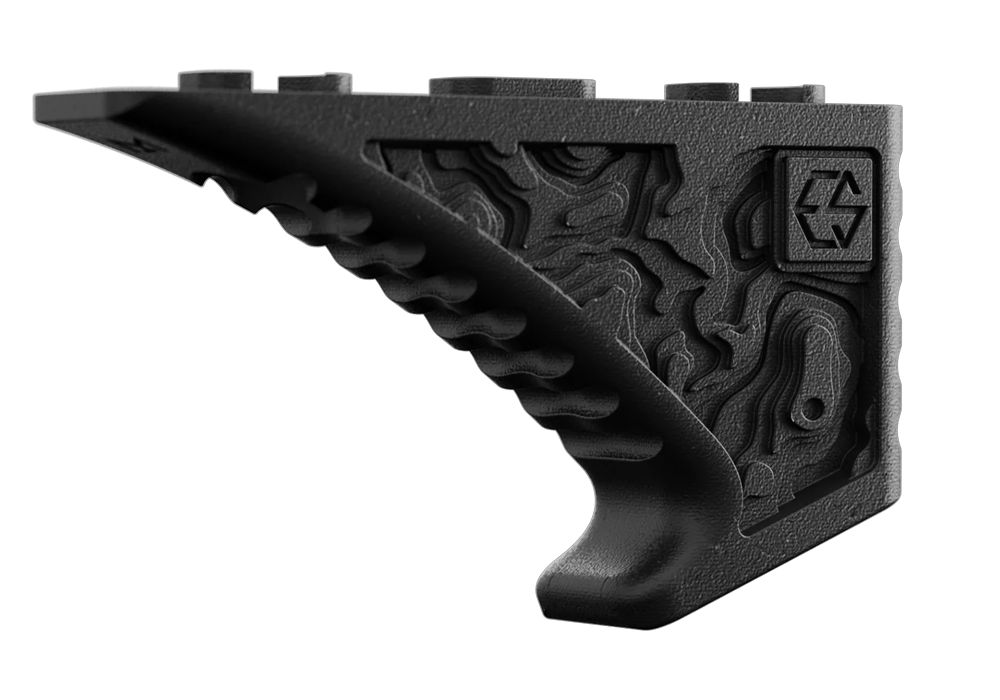
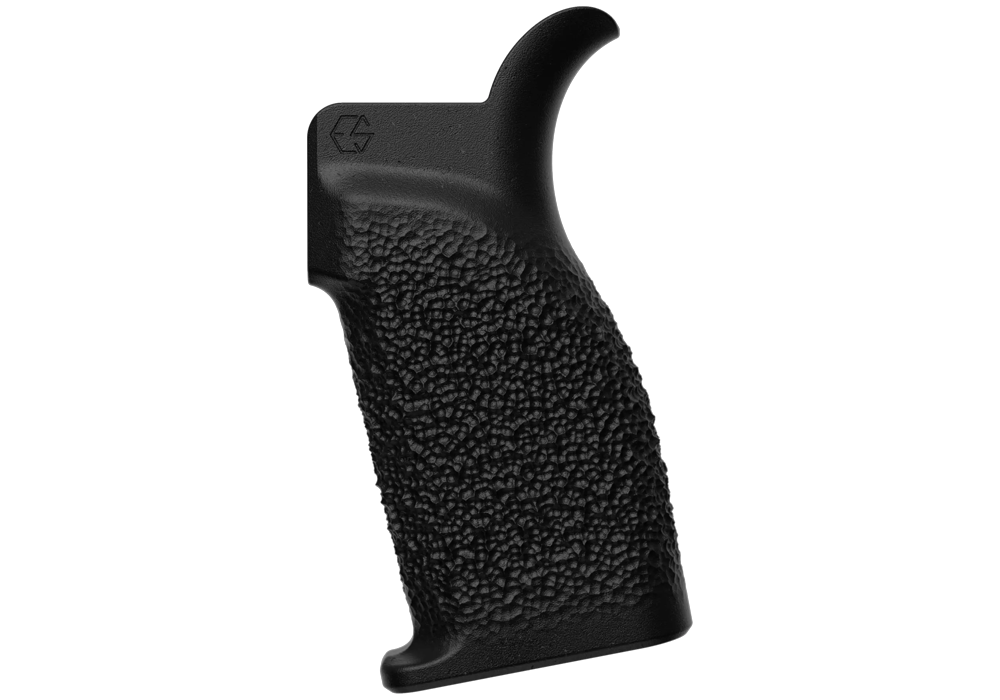
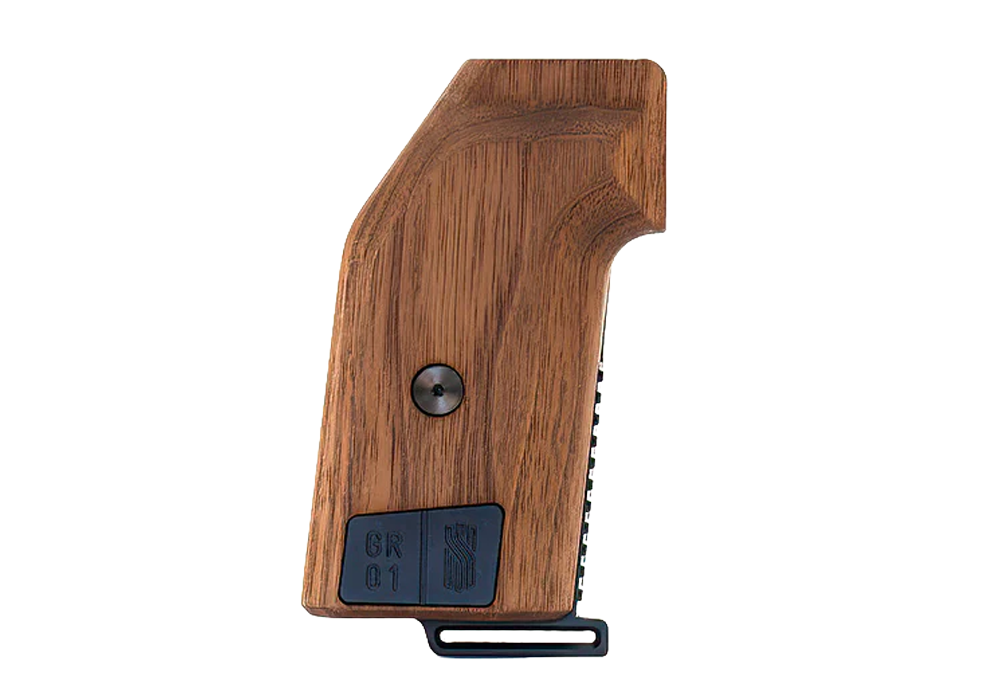
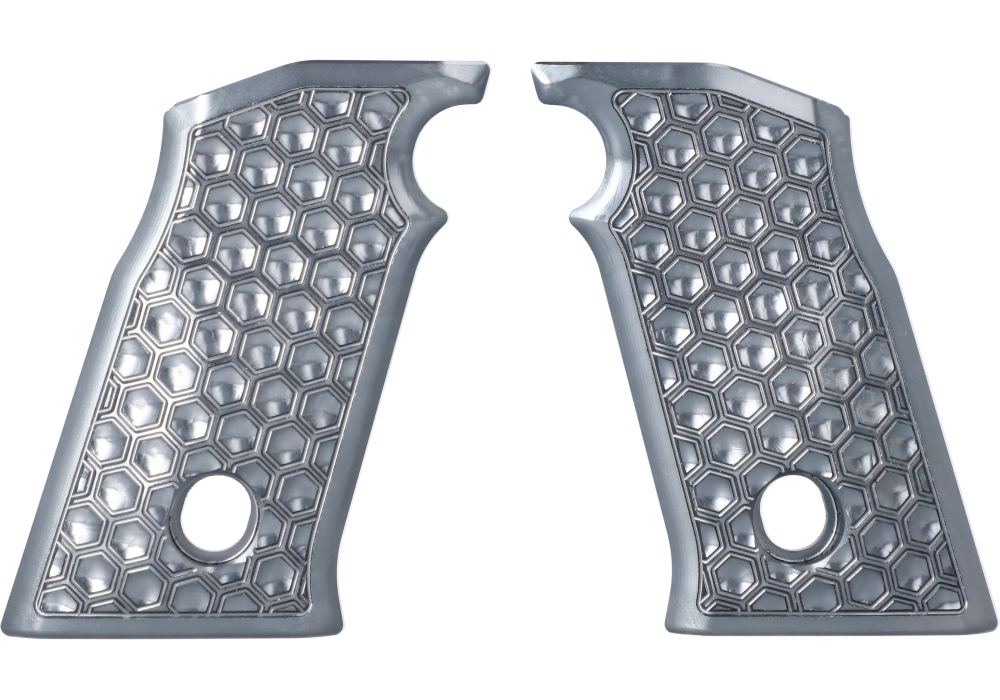
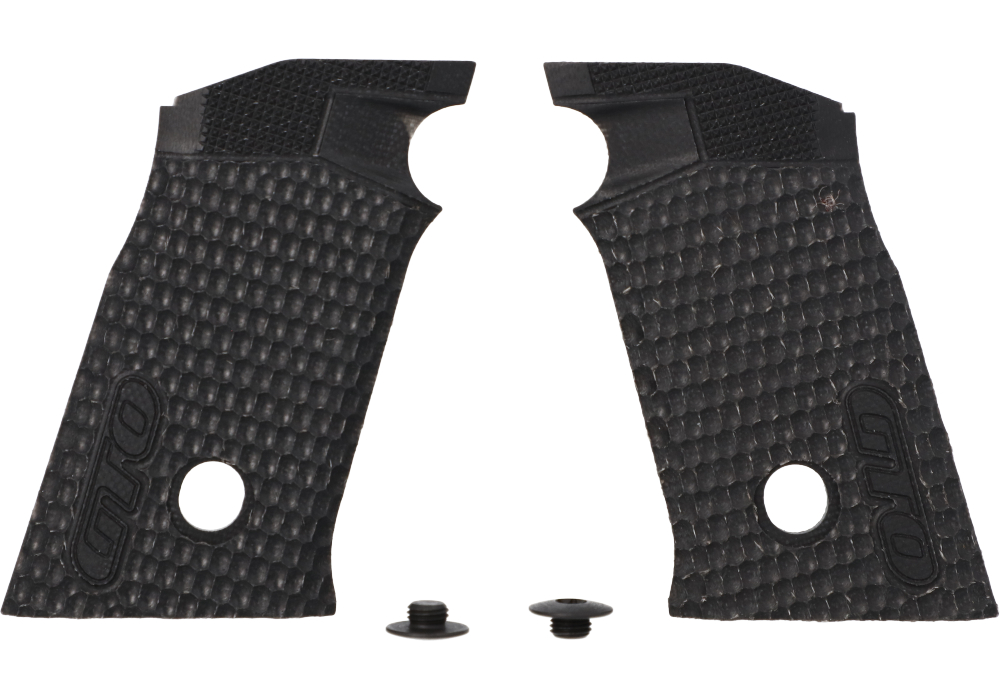
Control grips are firearm accessories designed to give the support hand a more consistent, comfortable point of contact while helping the shooter manage movement, recoil, and overall handling. Depending on the configuration, a control grip may provide a vertical, angled, or compact hand position that complements the firearm’s existing forend or handguard. Some shooters prefer a more upright grip for a firm, repeatable hold, while others favor an angled profile that keeps the wrist in a relaxed position during extended range sessions. Textured surfaces, molded contours, and carefully shaped edges can make a noticeable difference when hands are gloved, damp, or fatigued. A well-chosen grip should feel natural rather than force the hand into an awkward position. It may be used on a sporting rifle, a pistol-caliber carbine, or another compatible platform equipped with the appropriate mounting interface. Control grips are also commonly selected by competitors, recreational range users, professionals, and firearm owners who spend time training in varied conditions. For a broader selection of accessories intended to support handling and control, explore Forward Grips. As with any firearm accessory, the grip should be selected for a specific platform and intended use, then installed according to the manufacturer’s instructions. Confirm the firearm is unloaded before fitting, adjusting, or removing an accessory, and verify that the finished setup does not interfere with the trigger, controls, muzzle device, magazine, sling, or any other operating component. Local laws and range rules may also affect which accessories are permitted, so responsible owners should review applicable requirements before making a purchase.
When comparing control grips, start with compatibility. Mounting standards can vary, and a grip made for one style of rail or handguard may not attach securely to another. Check the firearm’s interface, available mounting space, and the grip’s required hardware before ordering. Overall size matters as well: a compact grip can preserve clearance around lights, switches, barricades, or other accessories, while a larger design may offer more surface area for a gloved hand. Shape is equally personal. A vertical profile can give the support hand a clear reference point and may be comfortable for shooters who prefer a more squared stance. An angled grip can encourage a thumb-forward position and may feel better for those who keep the wrist closer to a neutral angle. Texturing should provide traction without creating sharp pressure points, particularly when the firearm is carried or handled for long periods. Materials and construction influence weight, durability, and performance in changing conditions; rugged polymer designs are often valued for their light weight and resistance to everyday wear, while reinforced components may appeal to users seeking a particularly solid feel. Look closely at the fastening system, locking features, and adjustment options, since a grip should remain stable during practice and transport rather than shift under pressure. Color and finish can be considered after fit and function, especially for owners building a coordinated setup. These accessories can also be thoughtful gifts for a properly licensed firearm owner or a shooter who enjoys refining a range setup, provided the giver knows the recipient’s exact firearm model, mounting system, preferred grip angle, and applicable regulations. When those details are uncertain, a gift card or a conversation about preferred specifications is safer than guessing. A control grip is a small component, but its position sits directly between the shooter and the firearm, making comfort and confidence important parts of the buying decision.
The best control grip is one that supports a stable, repeatable hand position without adding unnecessary bulk or changing the way the firearm’s primary controls are reached. During a typical range session, a shooter may notice the difference in subtle ways: the support hand settles into the same place each time, the wrist remains more relaxed through a series of shots, and the firearm feels easier to guide between targets or shooting positions. In cooler conditions, a grip that remains comfortable with gloves can be especially useful; in warmer weather or during demanding practice, dependable texture can help maintain contact when palms become damp. Owners who transport firearms to the range should also consider how the grip fits inside a case and whether its profile catches on soft bags or other equipment. Those who train from multiple positions may value a design that offers control without restricting movement around the handguard. A grip should never be treated as a substitute for safe handling, proper marksmanship instruction, or familiarity with the firearm’s controls. Keep the muzzle pointed in a safe direction, keep the finger outside the trigger guard until ready to fire, use appropriate eye and ear protection, and inspect the mounting hardware periodically for looseness or damage. Cleaning and maintenance should follow the accessory and firearm manufacturer’s recommendations, with particular attention to debris around attachment points. Whether chosen to improve comfort during casual practice, support a carefully configured competition setup, or give a trusted shooter a useful accessory during the cooler months, control grips offer a practical way to personalize firearm handling while keeping ergonomics, compatibility, and responsible use at the center of the purchase.