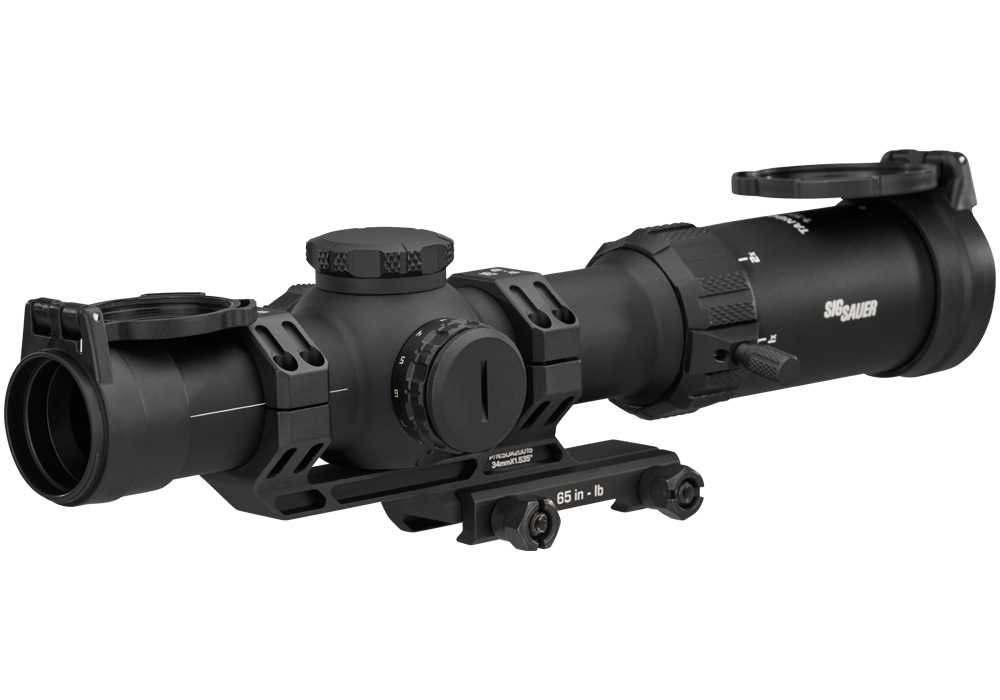
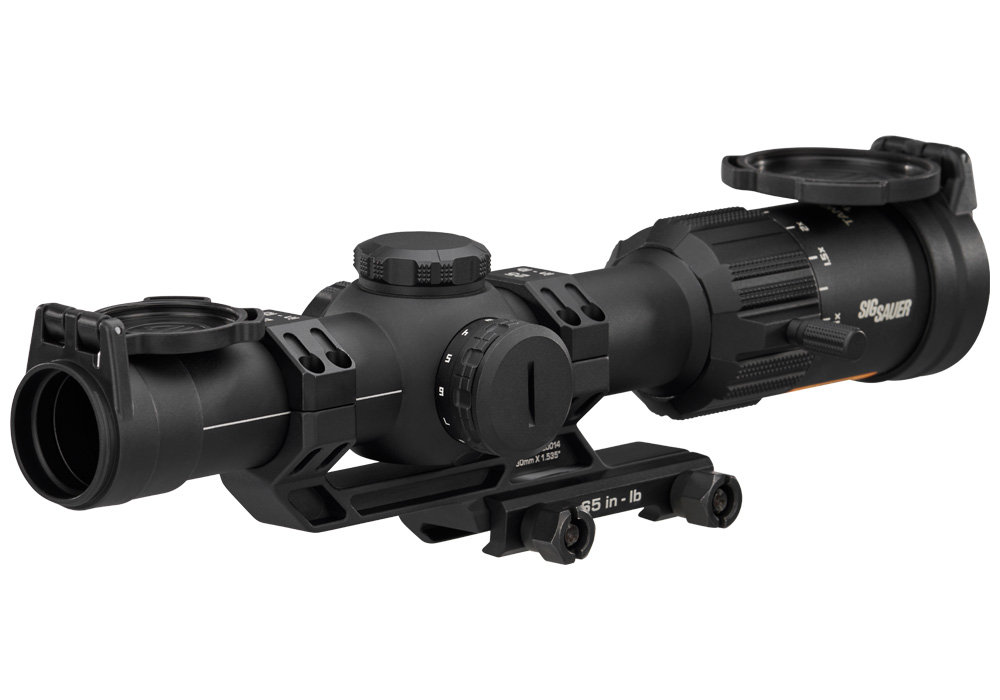
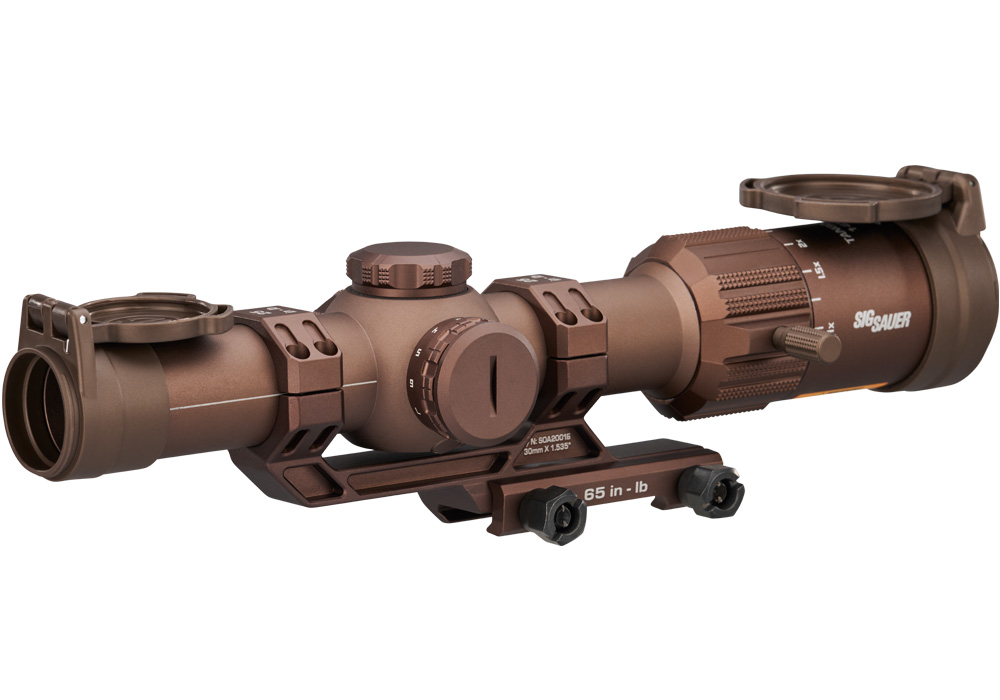
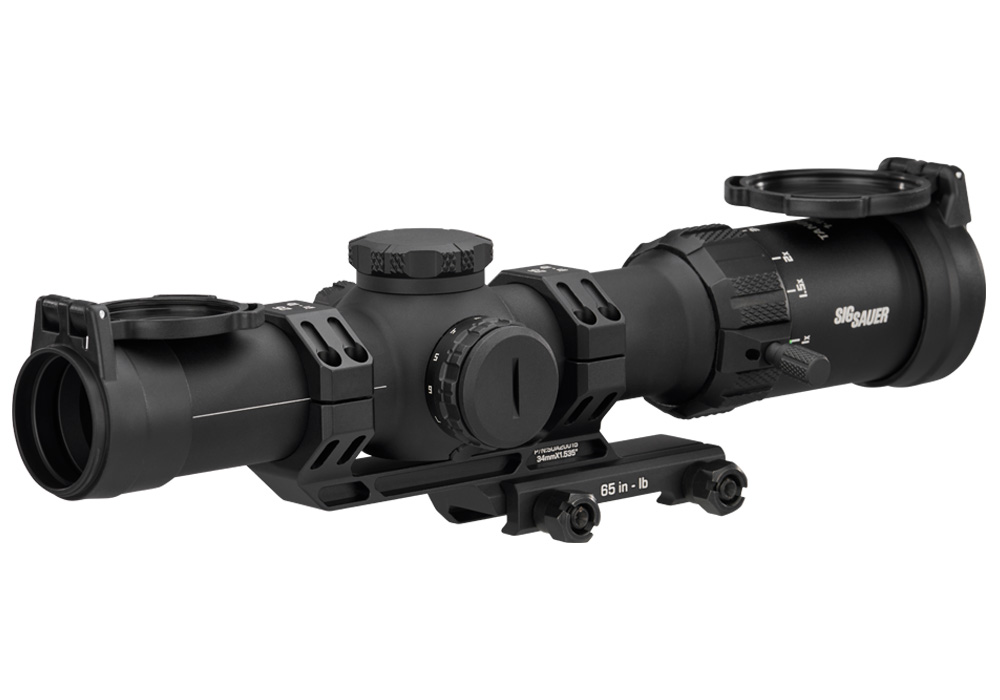
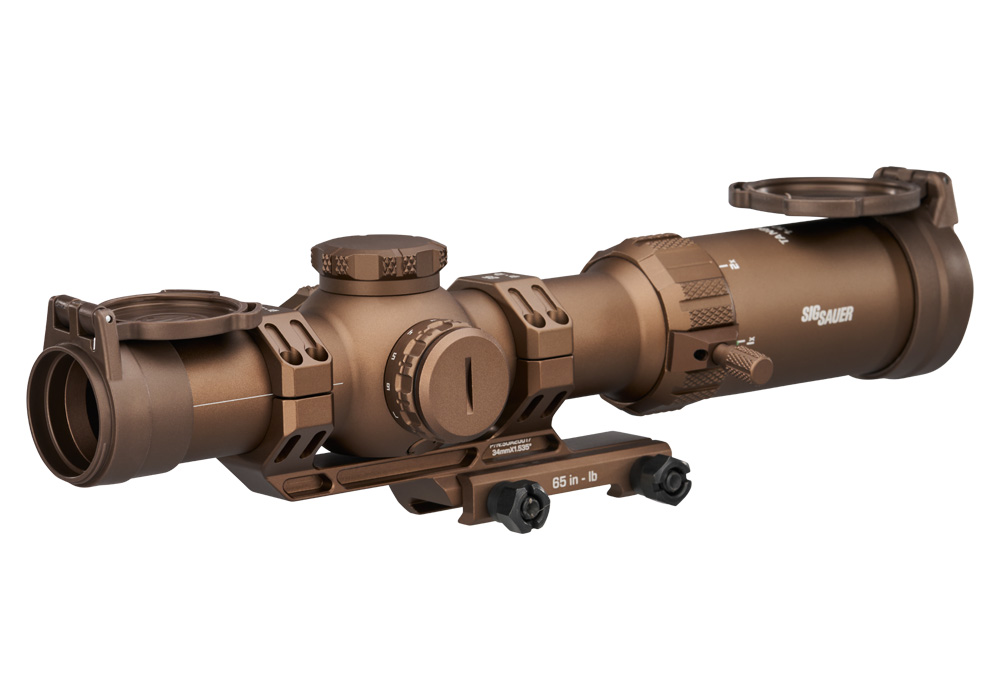
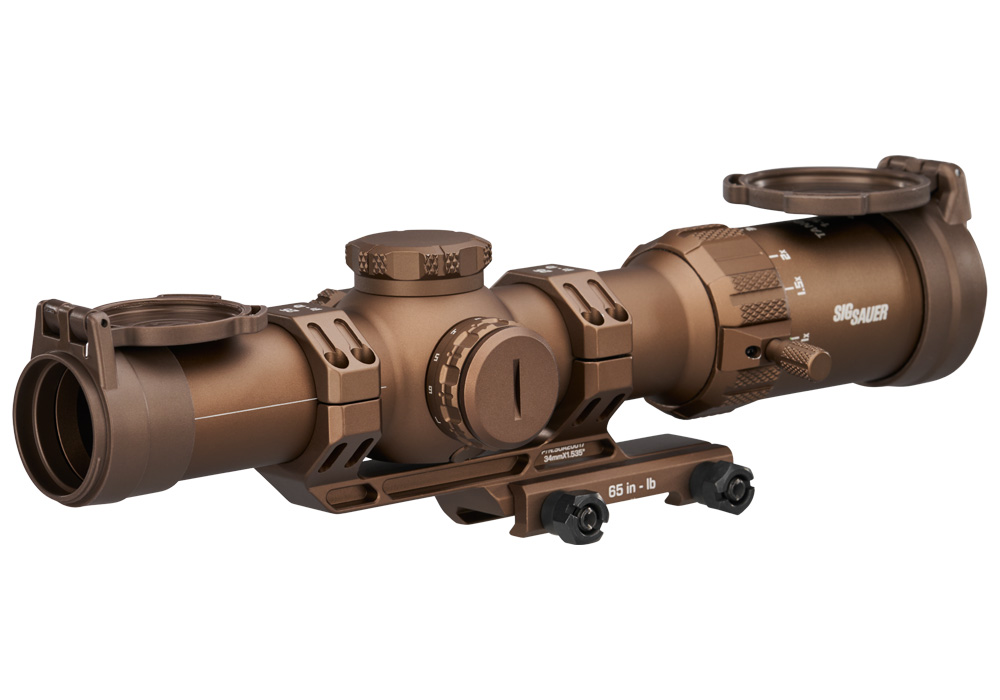
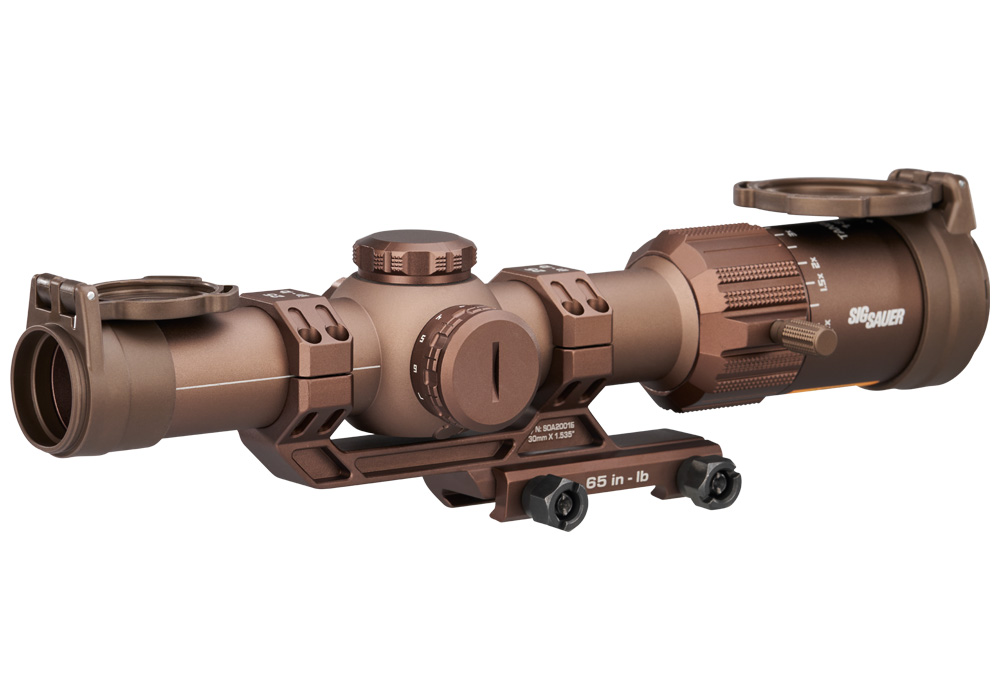
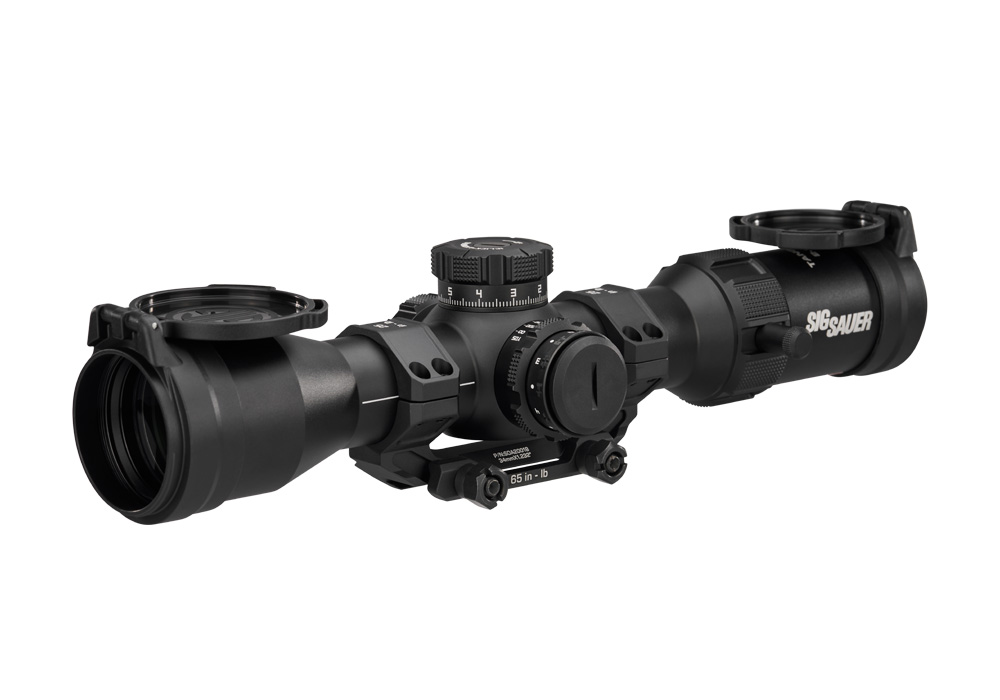
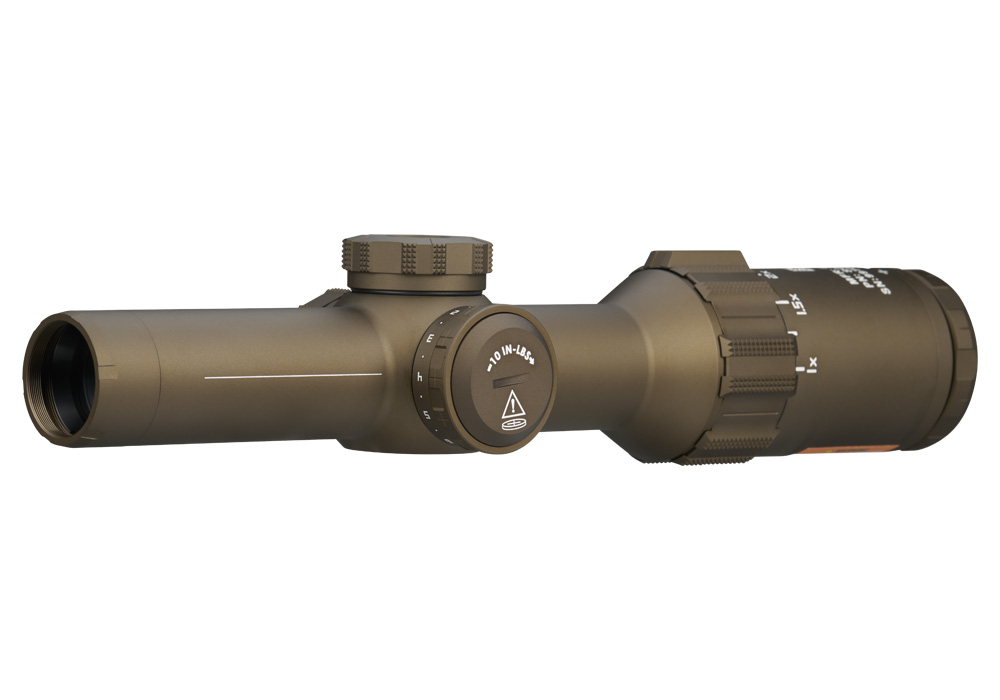
Customizable BDC scopes are designed for shooters who want a more useful relationship between their optic and the ammunition they actually use. Instead of relying only on generic holdover marks, these scopes may support a custom elevation turret, yardage-marked dial, ballistic reticle, or electronically displayed aiming point calibrated around a specific load and rifle. That customization can make it easier to account for bullet drop across changing distances, particularly when a shooter has confirmed muzzle velocity, bullet weight, ballistic coefficient, sight height, and zero distance. A properly configured system can turn a string of unfamiliar elevation references into practical, recognizable aiming points: a central zero for the primary distance, clearly marked corrections for farther targets, and a setup that reflects the way the rifle performs in the field. Some systems use a physical dial engraved with distance references, while others connect to a rangefinder or mobile application and display a dynamic hold based on the measured distance. These options are especially appealing to hunters, recreational marksmen, and range users who appreciate repeatable adjustments without stopping to perform manual calculations for every shot. A customizable BDC scope can also be a thoughtful gift for an experienced shooter preparing for a new rifle, refining an established setup, or spending more time at longer distances. For those exploring the latest features and configurations, the broader selection of New Scopes can provide additional perspective on available reticles, adjustment systems, and optical formats.
Choosing among customizable BDC scopes starts with matching the optic to the complete rifle and ammunition setup rather than focusing on magnification alone. The cartridge, bullet construction, stated ballistic coefficient, muzzle velocity, and intended zero all influence the final calibration. Manufacturer velocity figures are useful starting points, but the velocity from a particular rifle can differ, and even a modest variation may shift the point of impact at extended range. Chronographing the chosen load, confirming the bullet’s published specifications, and measuring sight height carefully can improve the accuracy of the data supplied for a custom turret or ballistic profile. Environmental conditions also matter. Temperature, altitude, and barometric pressure affect the path of a projectile, so a dial configured for one set of conditions may not produce identical results in another. Wind remains a separate consideration because most BDC systems primarily address elevation, leaving the shooter to estimate or dial horizontal correction. Physical custom turrets are generally built around one specific load profile; changing ammunition, bullet weight, or velocity may require recalibration, a replacement dial, or a new ballistic profile. Digital systems can offer more flexibility, but they introduce additional considerations such as battery life, application compatibility, wireless connectivity, and the need to verify that the displayed hold matches the rifle’s confirmed data. Whichever format is selected, the scope should be mounted securely, leveled properly, and zeroed with the same ammunition that will be used after calibration. Clear glass, suitable eye relief, intuitive controls, a reticle that remains visible against varied backgrounds, and adjustment markings that can be read in changing light all contribute to a more useful field setup. Weather-resistant construction and dependable mechanical tracking are also worth considering for equipment carried through damp woods, open fields, dusty range days, or cooler conditions.
The practical value of customizable BDC scopes comes from consistency: range the target, apply the confirmed elevation reference, establish a stable position, and make a deliberate shot while understanding the limits of the setup. They can be well suited to hunters who move between wooded areas and open ground, where distances may change quickly and the ability to make a repeatable correction is valuable. They also fit range users who keep detailed records and enjoy refining a rifle around one preferred load. Before relying on any custom mark or illuminated hold, shooters should verify the system at several distances and record actual points of impact under realistic conditions. A printed ballistic chart or backup data card can be helpful when a digital device is unavailable, while a small logbook can preserve confirmed settings for different temperatures, elevations, or ammunition lots. New users may appreciate a simpler custom dial with clearly spaced yardage references, while experienced shooters may prefer a system that allows multiple profiles, finer adjustments, or integration with a compatible rangefinder. During the warmer part of the year, time spent confirming zeros and practicing from field positions can prepare a rifle for upcoming outings; during the cooler months, gloves, low-angle light, and heavier clothing can reveal whether the controls are genuinely easy to operate. A scope should always be used in accordance with applicable laws and established firearm safety practices, with the muzzle pointed in a safe direction, the target and backstop positively identified, and the rifle unloaded whenever it is being transported or handled outside the shooting position. With accurate inputs, careful verification, and a configuration suited to the rifle’s purpose, customizable BDC scopes offer a practical way to make ballistic information more accessible while keeping the shooter focused on steady fundamentals and responsible field use.