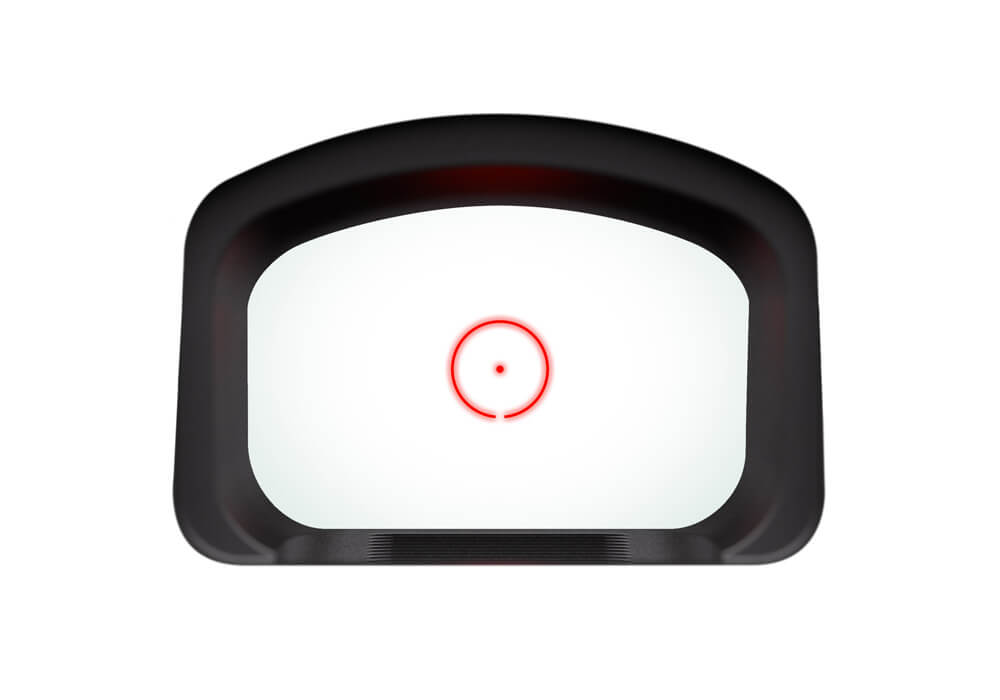
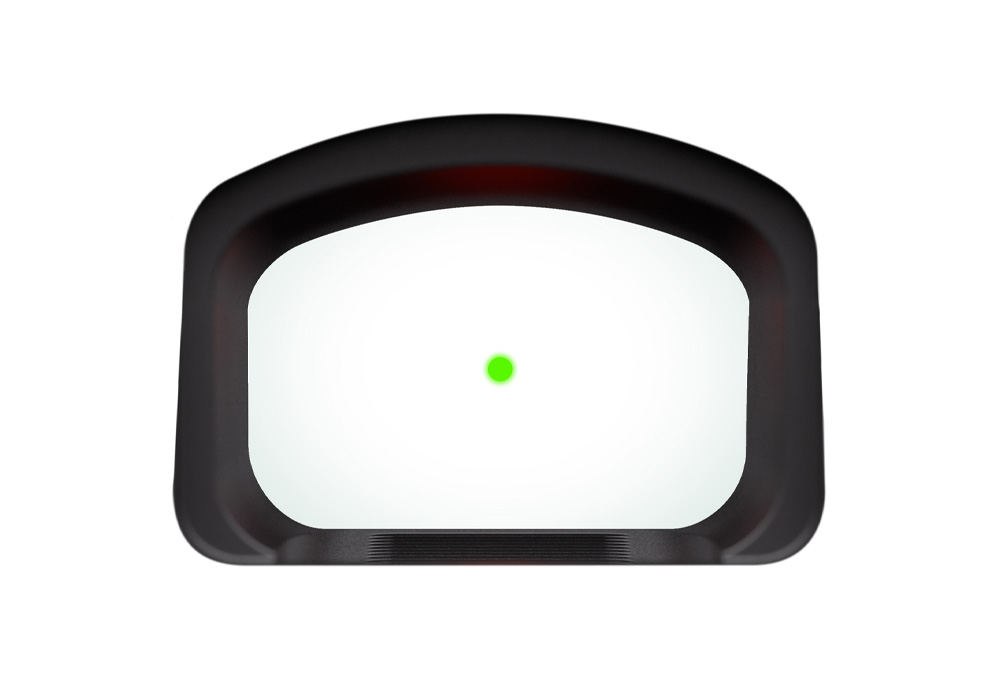
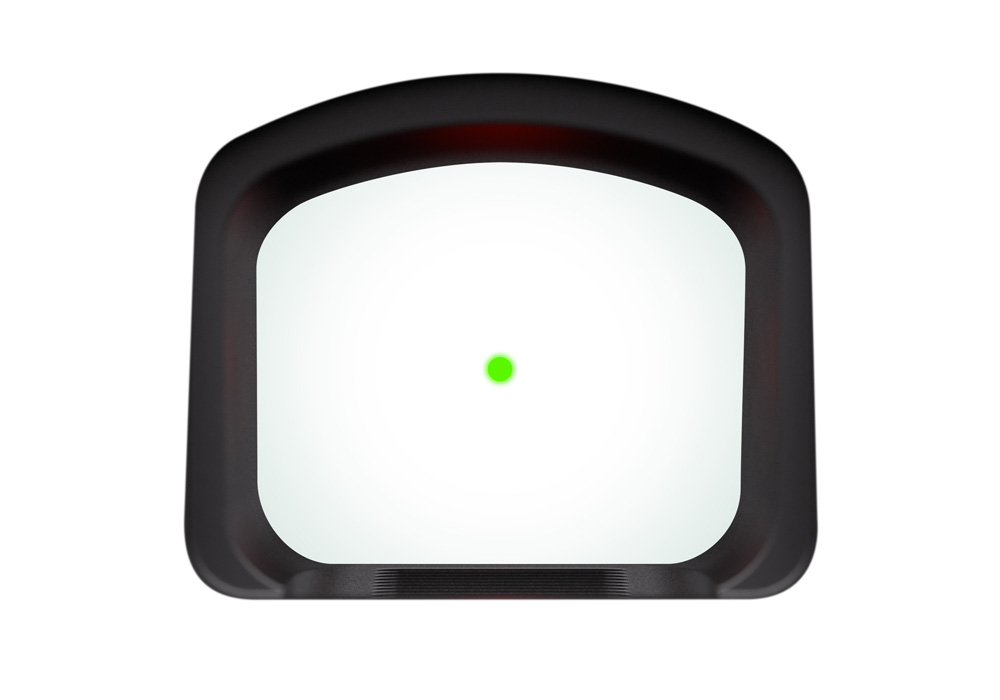
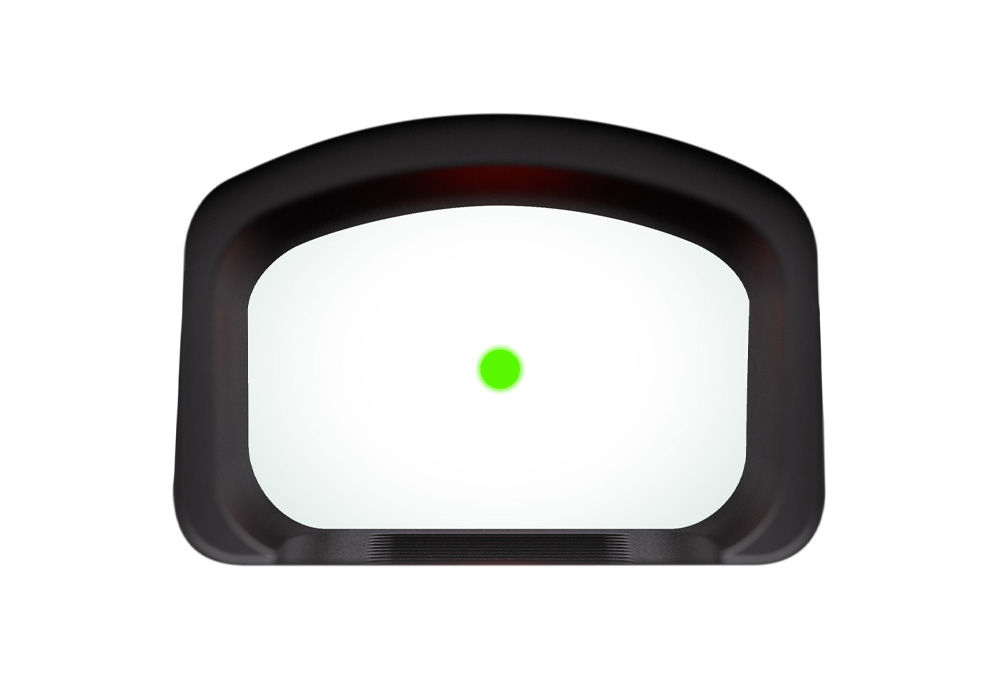
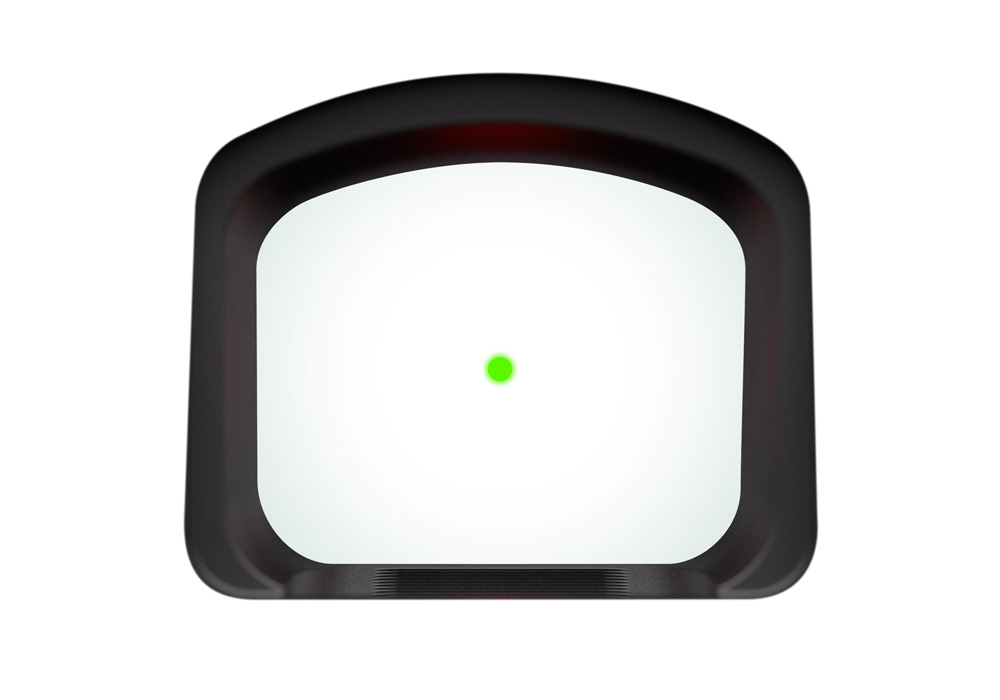
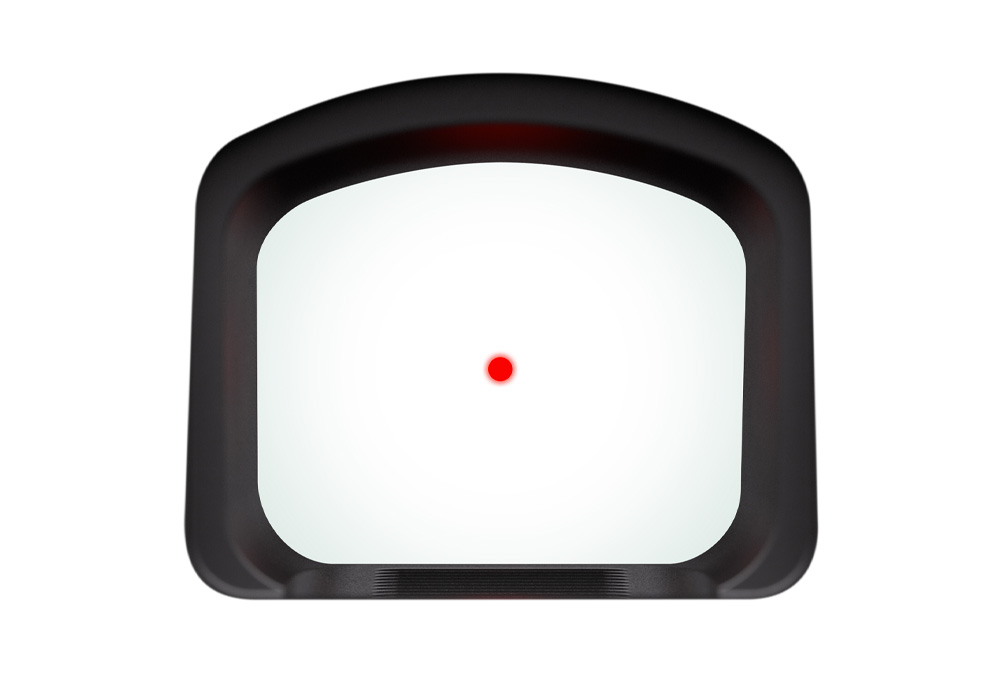
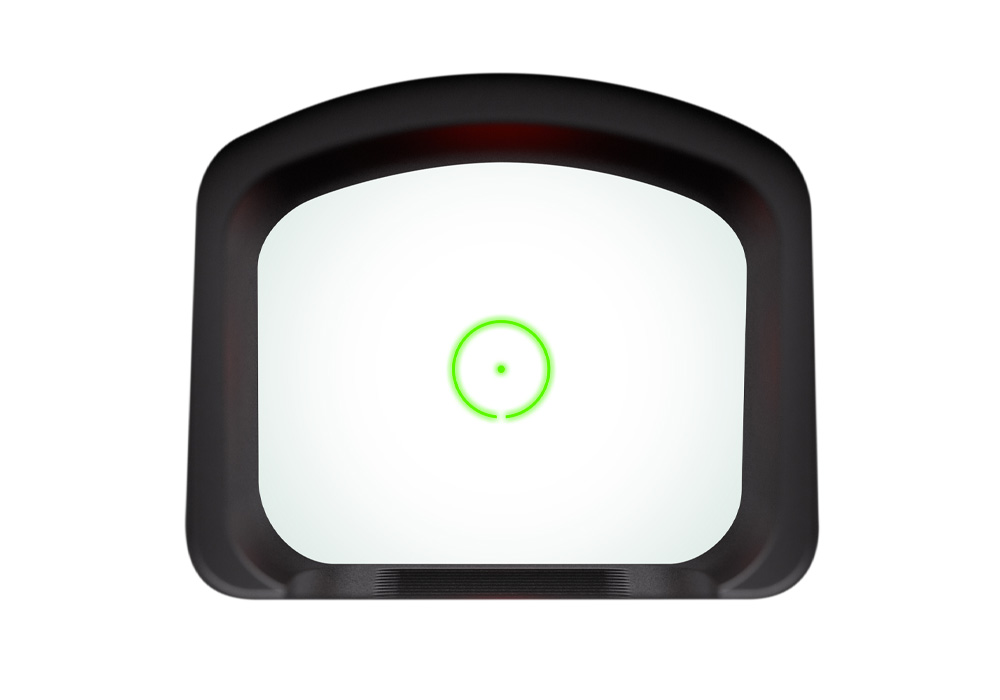
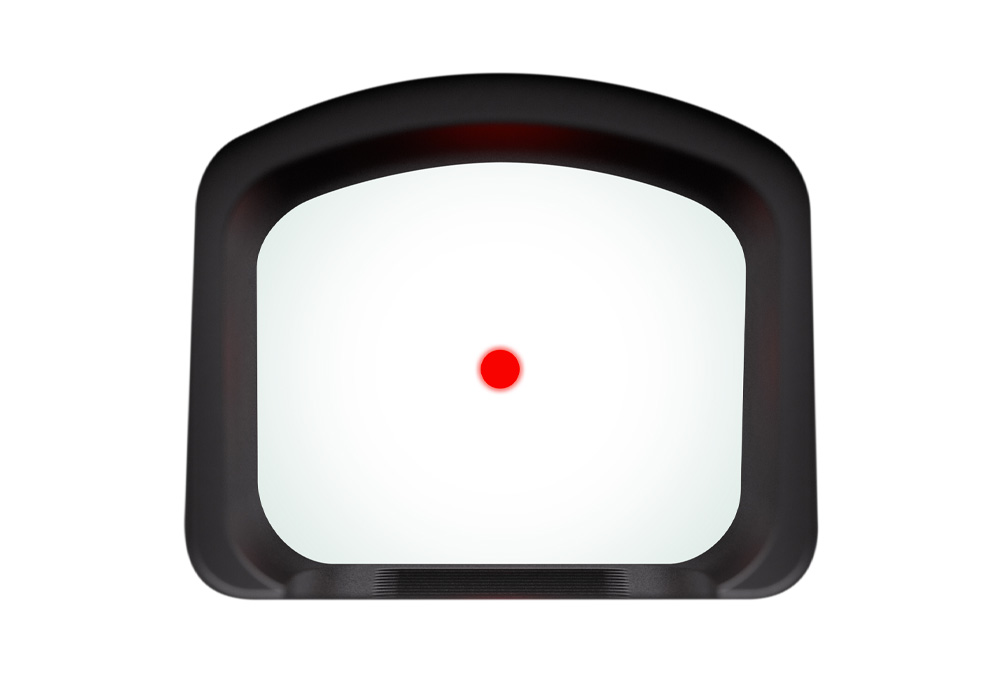
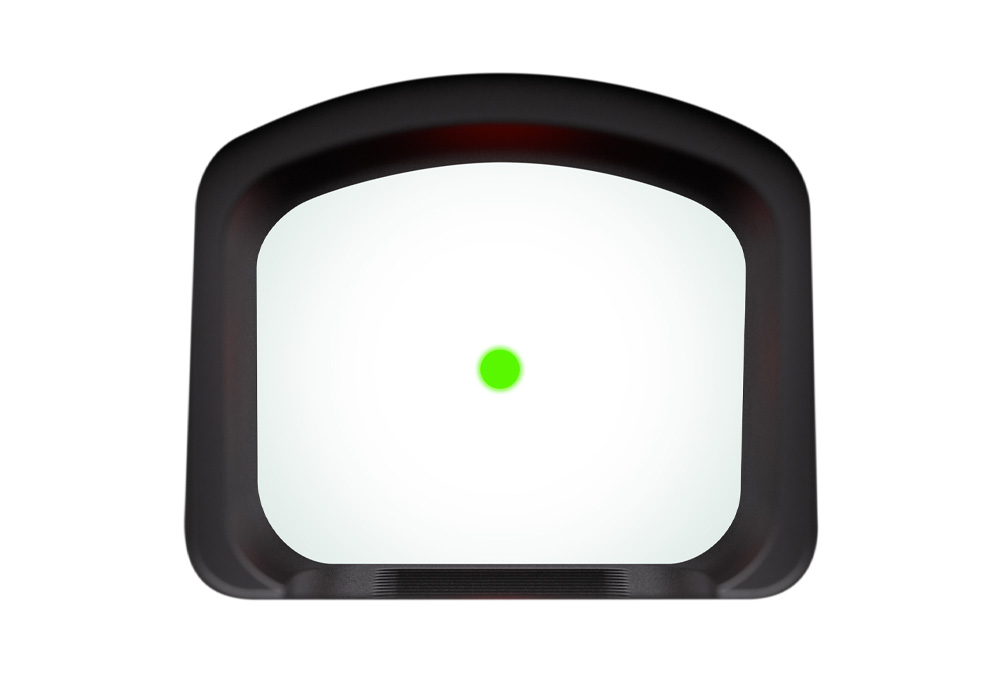
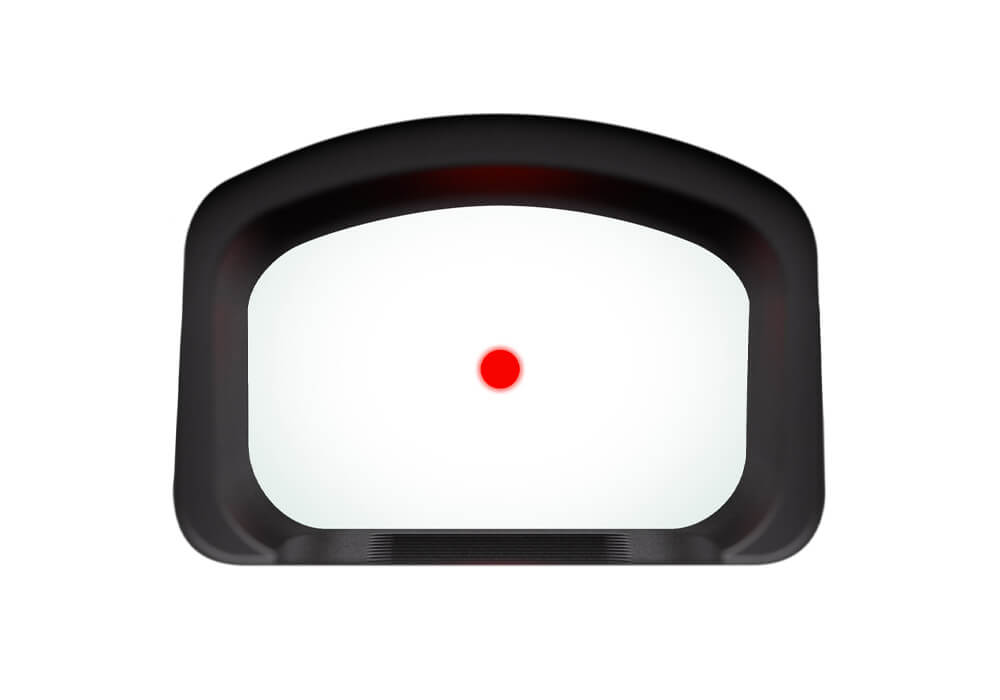
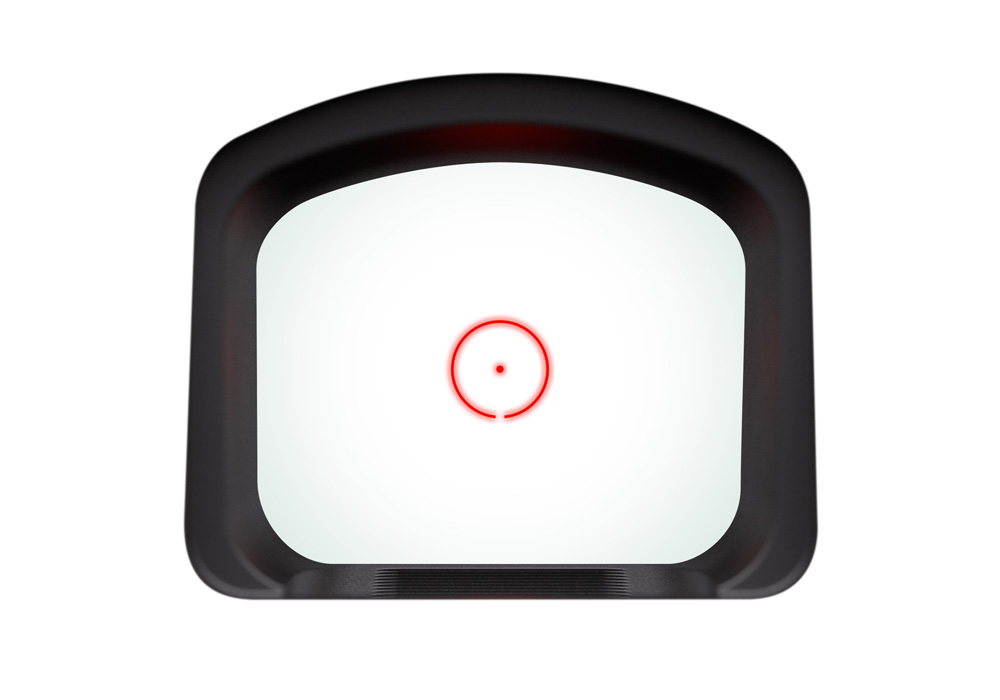
Deer season reflex sights provide an illuminated aiming reference for hunting situations where a clear sight picture and an unobstructed view matter more than high magnification. These optics typically present a dot or another simple reticle through a viewing window, allowing the hunter to aim without aligning a front sight and rear sight. Most provide an unmagnified view, which can suit shorter hunting distances in timber, along woodland edges, or near established trails where a deer may appear within a relatively narrow opening. Generous eye relief gives the shooter flexibility in head position, while aiming with both eyes open can help preserve awareness of the surrounding terrain. That combination is useful when settling into a supported position in a blind or shouldering a firearm while wearing layered hunting clothing. A reflex sight does not replace careful target identification, a clear line of fire, or an appropriate backstop; its role is to provide a visible aiming reference once those conditions are established. Reticle size also affects the view. A smaller dot can leave more of a distant target visible, while a larger dot may be easier for some hunters to locate against a complicated background. Dot size is commonly expressed in minutes of angle, or MOA: a 2 MOA dot covers approximately 2 inches at 100 yards, with its apparent coverage increasing as distance increases. Adjustable brightness helps balance visibility against surrounding light. An overly bright reticle can appear larger or less sharply defined, especially near dawn or dusk, while a setting that is too dim can become difficult to see against sunlit grass or snow. The illuminated reticle does not brighten the animal or reveal detail hidden by darkness. For deer hunting, the useful shooting distance remains a function of target visibility, firearm accuracy, ammunition performance, and the hunter’s demonstrated ability from the position being used. Reflex sights are especially relevant for hunters who favor a simple, uncluttered aiming system and whose typical opportunities do not call for substantial magnification.
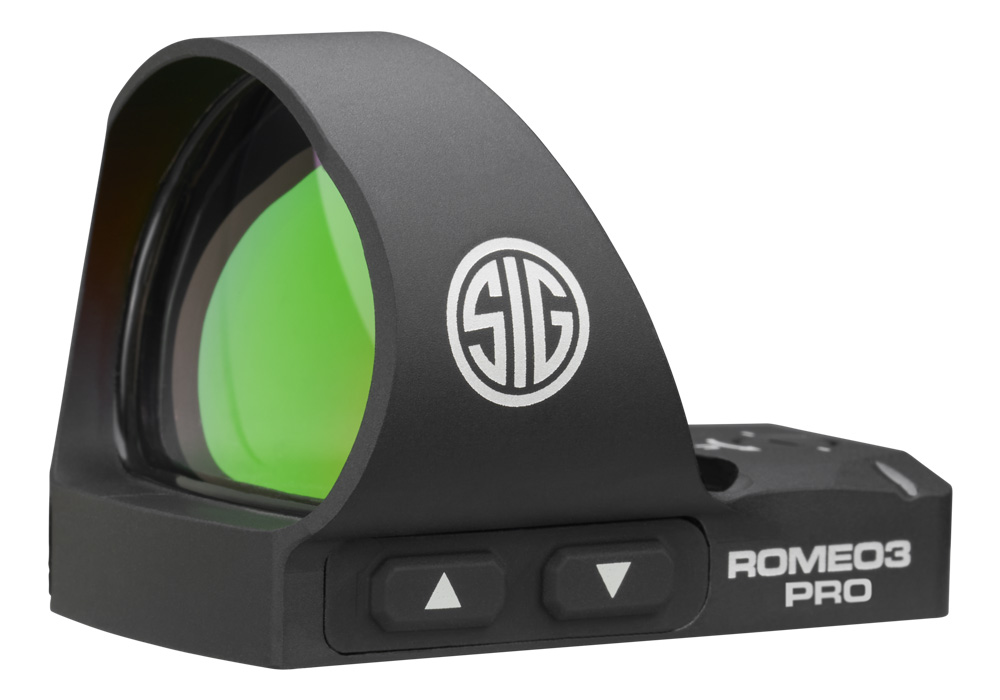
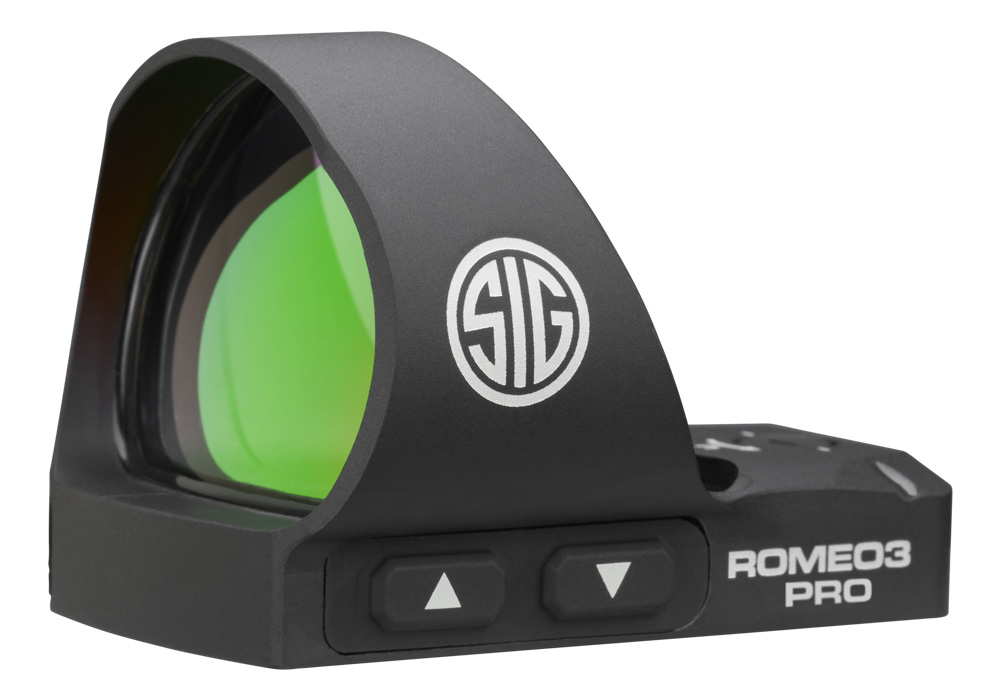
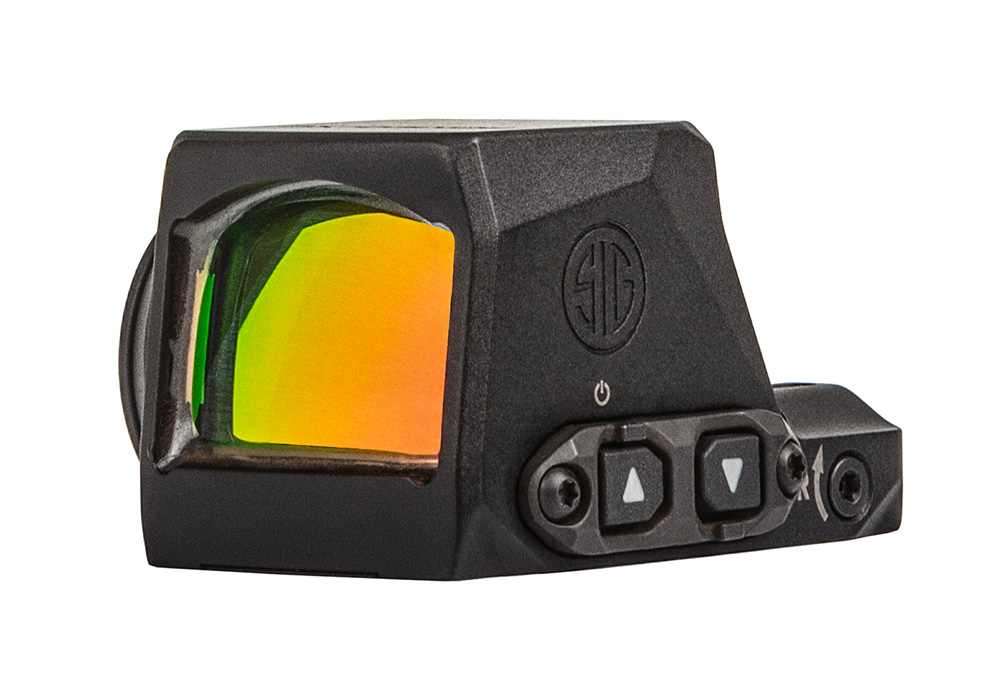
Fit and construction are central considerations for deer season reflex sights because a hunting optic needs to work as part of the entire firearm setup. Compatibility depends on the sight’s mounting interface, the firearm’s rail or receiver configuration, and any required mounting hardware. A mount that appears similar is not necessarily interchangeable, and the correct fit helps the sight remain secure under recoil. Mounting height influences cheek position and how naturally the reticle comes into view. On a hunting rifle, shotgun, or muzzleloader, a comfortable cheek weld can be more useful than a mounting arrangement that forces the shooter to lift the head away from the stock. Clearance around controls, loading areas, and any retained iron sights also deserves attention. Weight and overall dimensions affect balance, particularly on a firearm carried along wooded trails or held ready in a confined blind. Aluminum housings are common because they offer a practical balance of strength and weight, while surface finishes and lens coatings serve different protective and optical purposes. Construction details matter more than appearance alone: recoil suitability, stated water resistance, operating temperature limits, and mount design all help establish whether an optic fits its intended use. Hunters comparing construction and protection features can explore Durable Reflex Sights alongside the demands of their own hunting setup. Open reflex designs offer an exposed viewing window and often a compact profile, while enclosed designs place the optical system within a housing that provides additional protection around it. With an exposed emitter, moisture or debris in the wrong place can interfere with reticle visibility; enclosed construction helps shield that component but still requires clean exterior lenses. Neither design eliminates the effects of mud, wet snow, or condensation on a viewing surface. For a hunter walking through rain-soaked brush or waiting in blowing snow, housing design, lens access, and weather resistance have practical value. Those features should be considered together with mounting security and a verified zero rather than treated as guarantees of performance in every condition.
Reliable field use also depends on power management, clear lenses, and a familiar sight picture. Battery-powered reflex sights vary in runtime, battery access, brightness controls, and power-saving features, so published specifications are meaningful only in the context of how the optic is used. A runtime estimate at a moderate setting does not necessarily describe operation at maximum brightness, and cold conditions can affect battery performance. Battery access may allow replacement without removing the sight, although confirming zero after any change that disturbs the optic or mount remains important. Controls that are easy to operate with gloves can be valuable during deer season, especially when light changes between a shaded stand and an open field. Some hunters prefer a basic dot; others find a different reticle pattern easier to recognize. Eyesight can influence that preference, and astigmatism may cause an illuminated dot to appear streaked or irregular rather than perfectly round. The best match is a reticle that remains usable to the individual hunter at a sensible brightness setting, not simply the most elaborate pattern. Lens care is equally practical. Grit brushed across glass can damage a surface, while a clean lens cloth and an appropriate cleaning method help preserve visibility without unnecessary abrasion. Protective covers, secure storage, and attention to moisture after a wet hunt support the optic between outings. A sight that has been transported over rough roads or subjected to a hard impact benefits from inspection and a zero check before returning to the field. Familiarity comes from practice with the actual hunting firearm, including supported positions and the clothing worn during the season. Reflex sights can also be thoughtful gifts for experienced deer hunters, provided the mounting requirements and recipient’s preferences are understood; fit is more important than choosing an optic by appearance. For hunters who spend their time in timber, on field edges, or in blinds overlooking shorter shooting lanes, deer season reflex sights offer a straightforward aiming option whose value rests on suitable construction, comfortable fit, and dependable preparation.