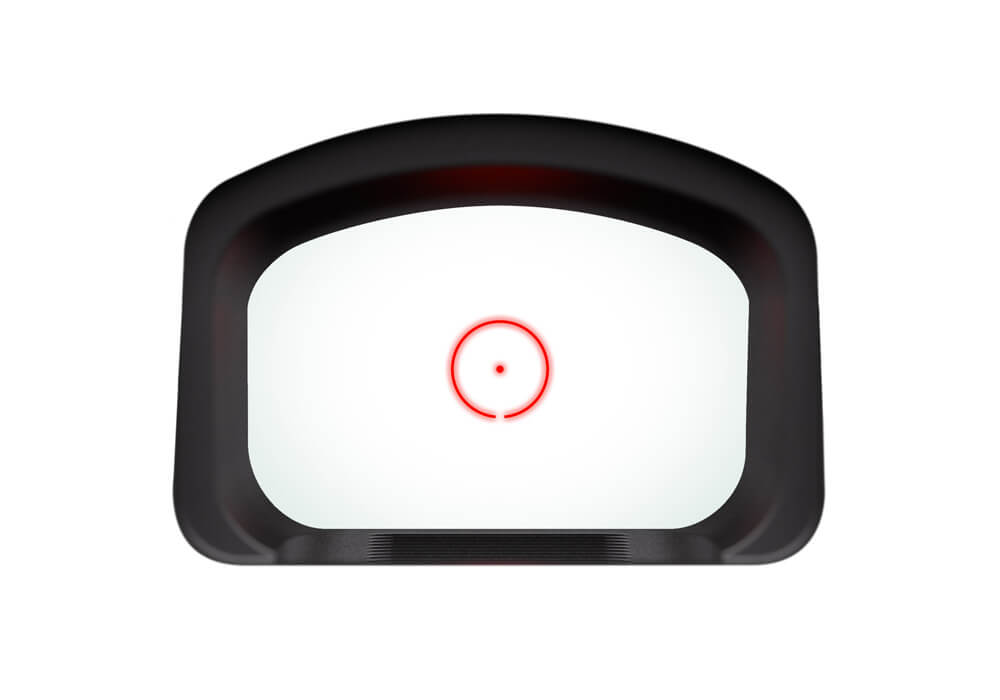
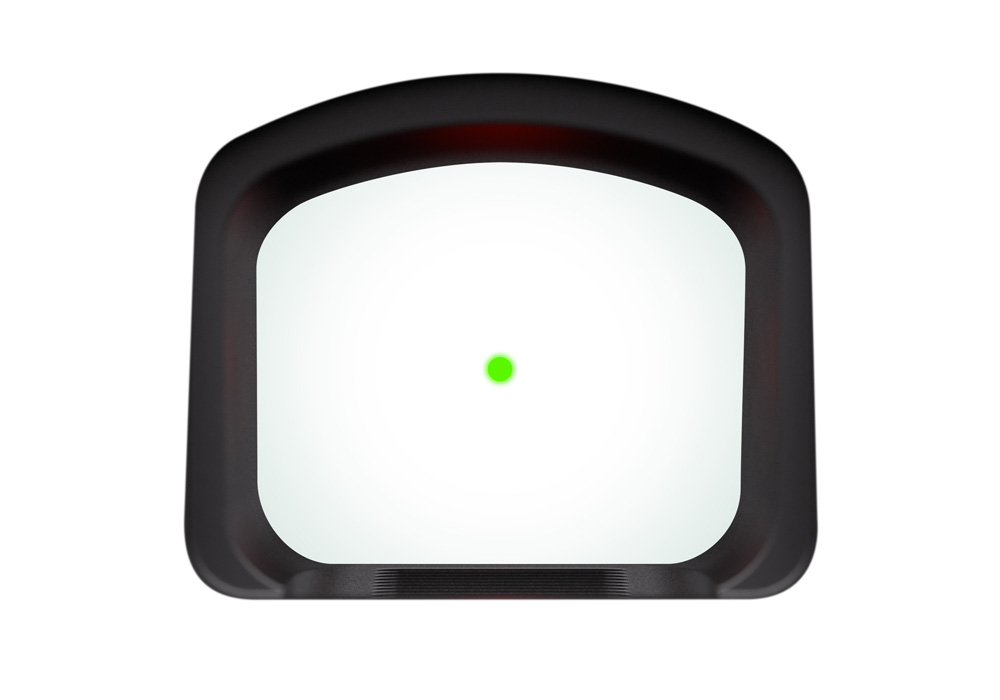
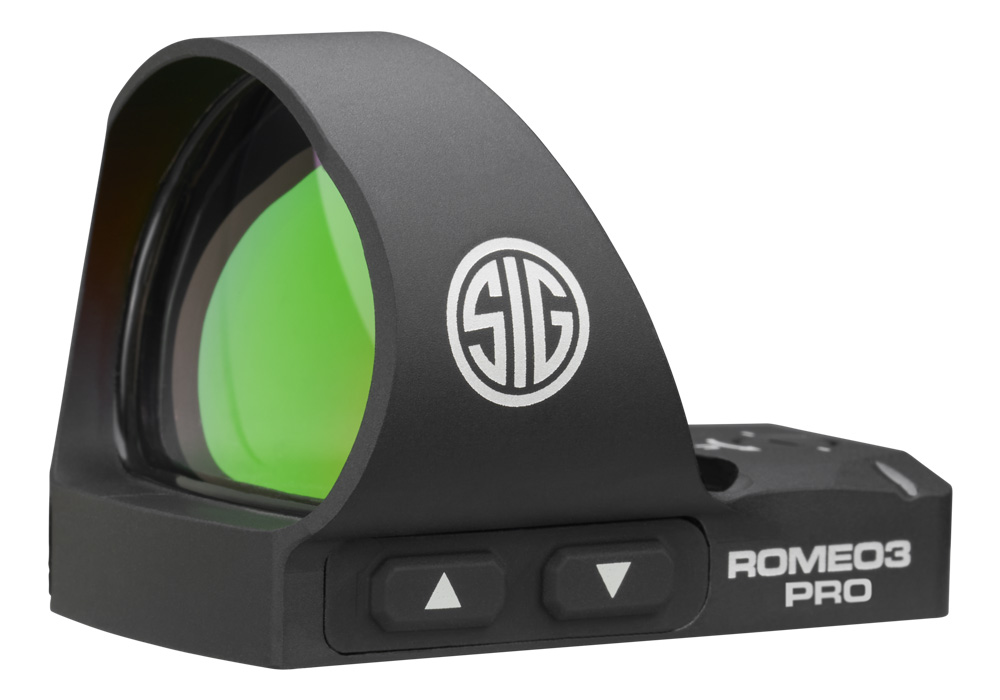
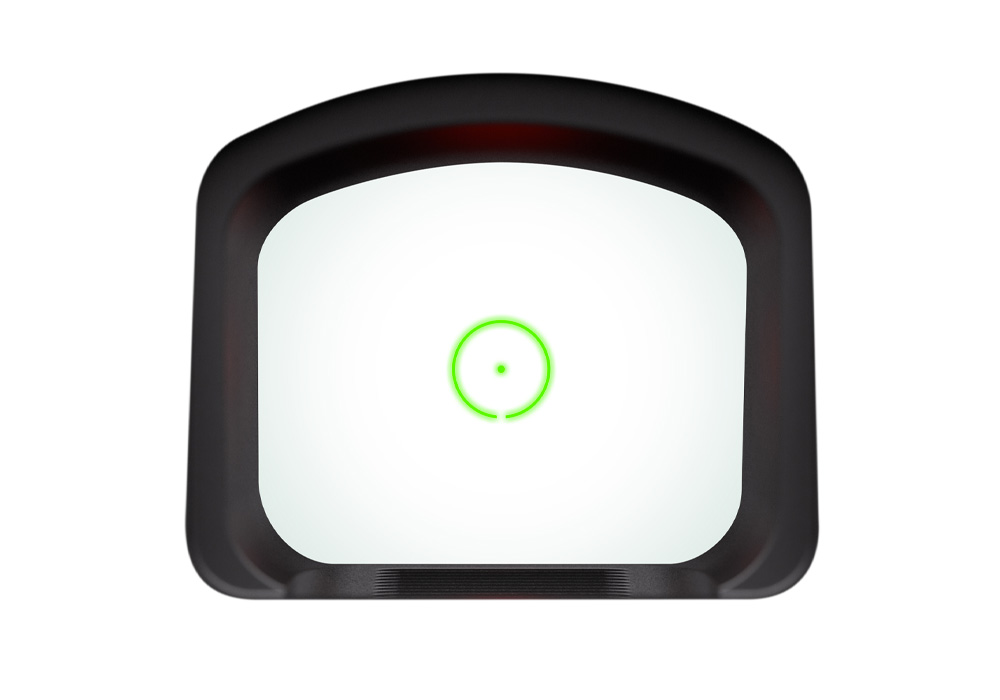
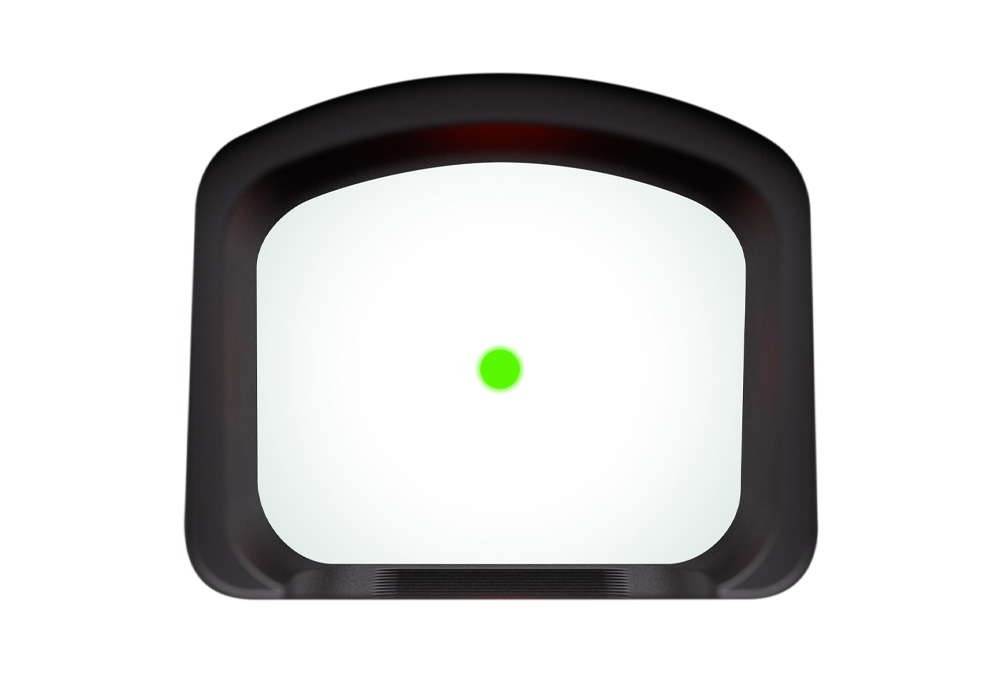
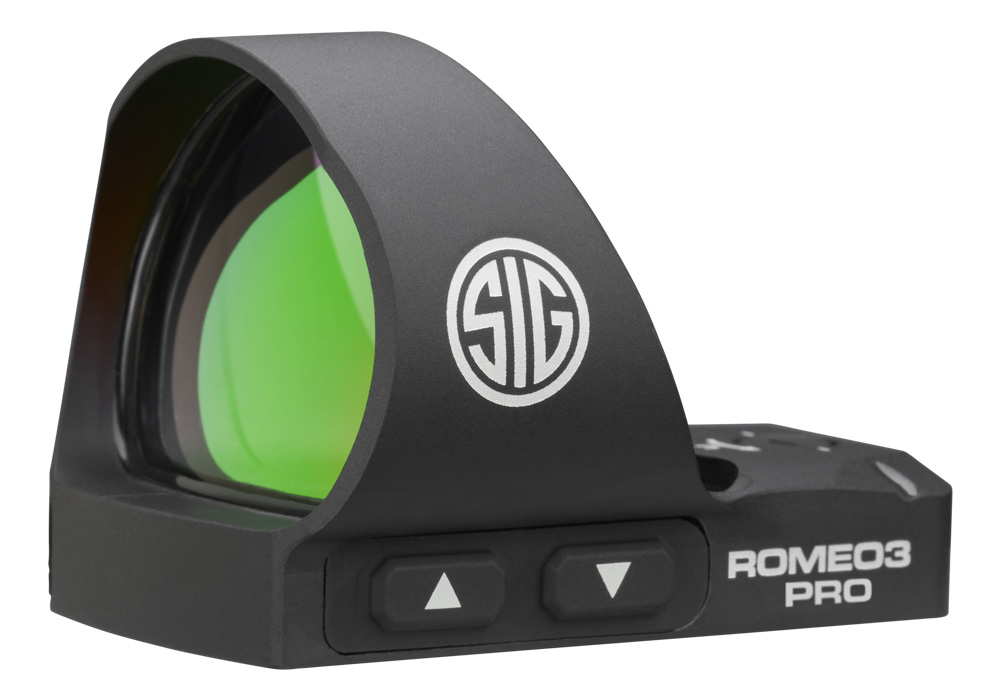
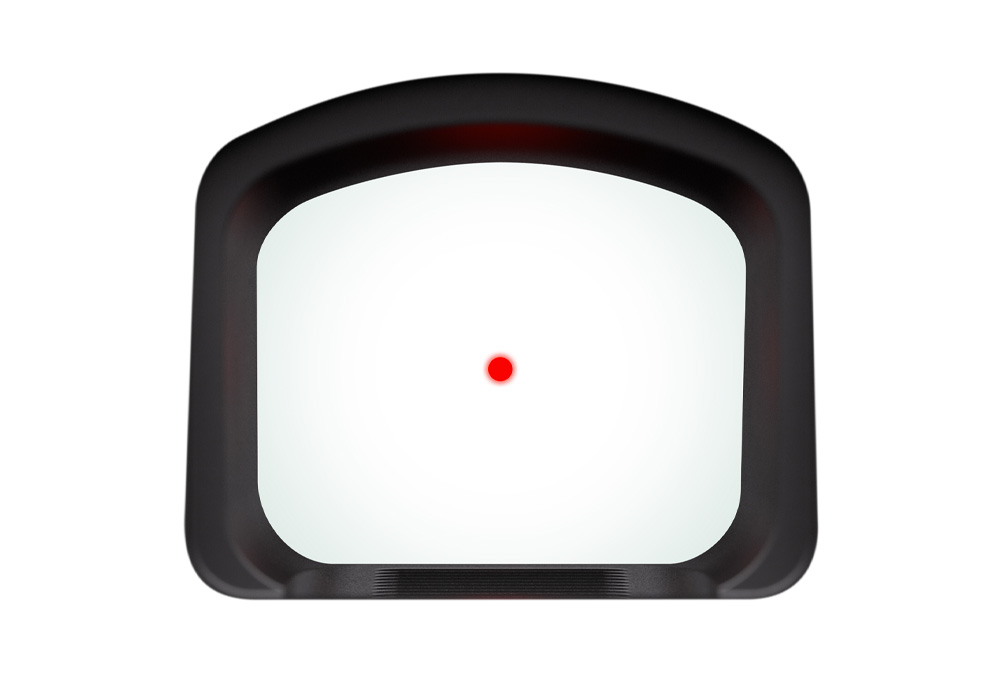
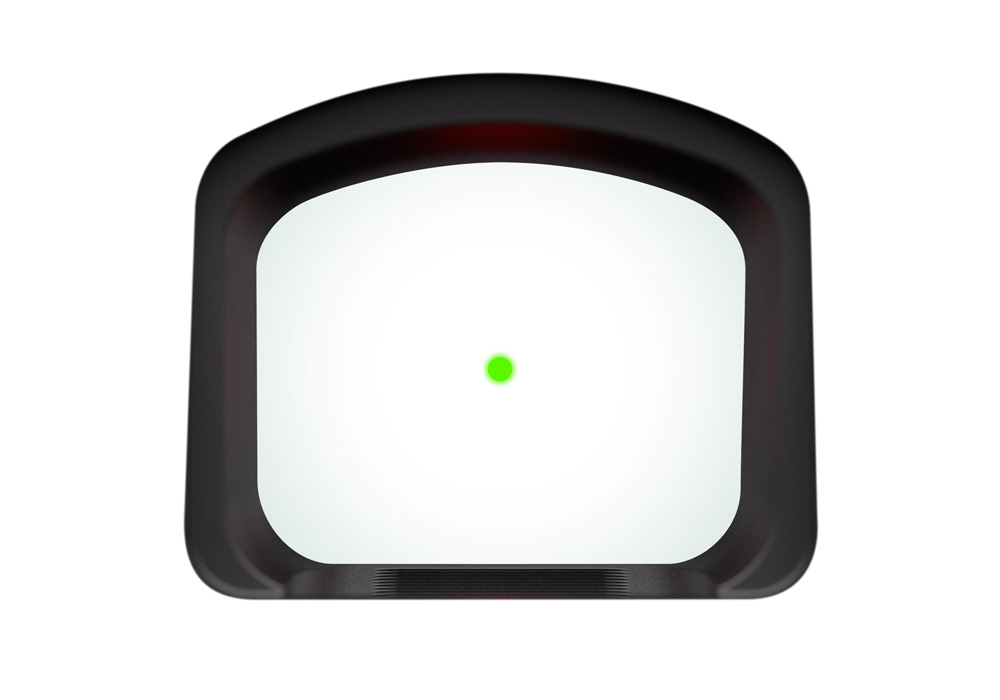
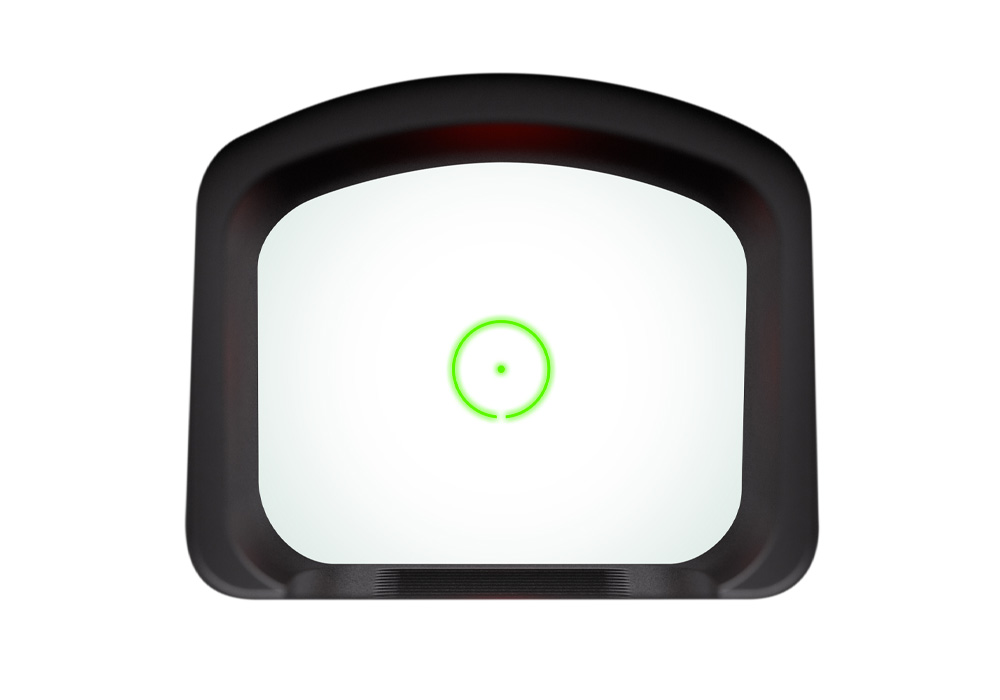
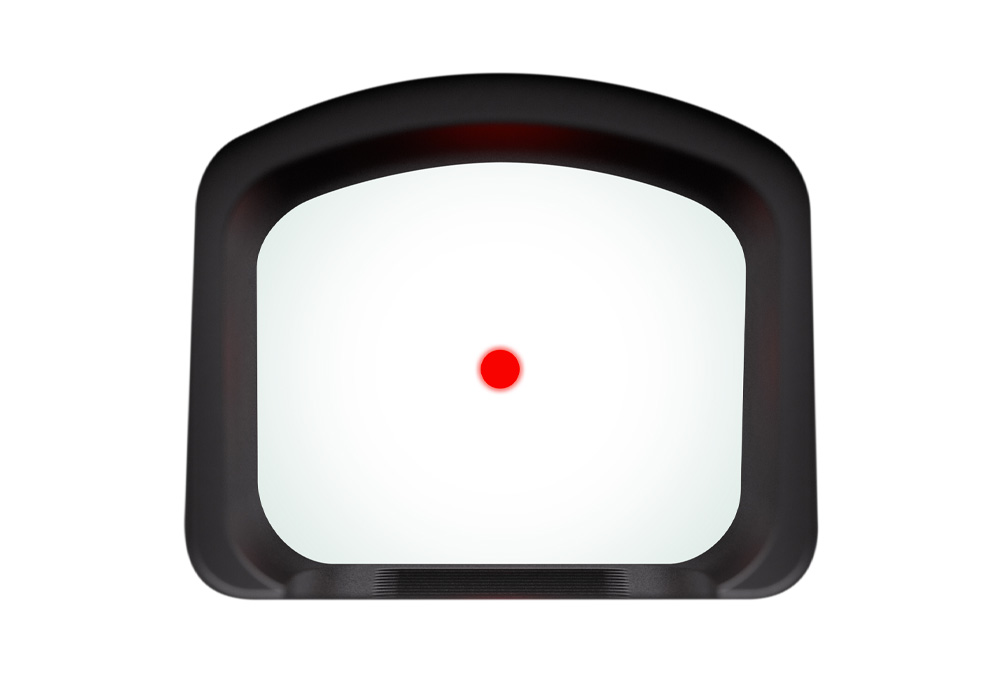
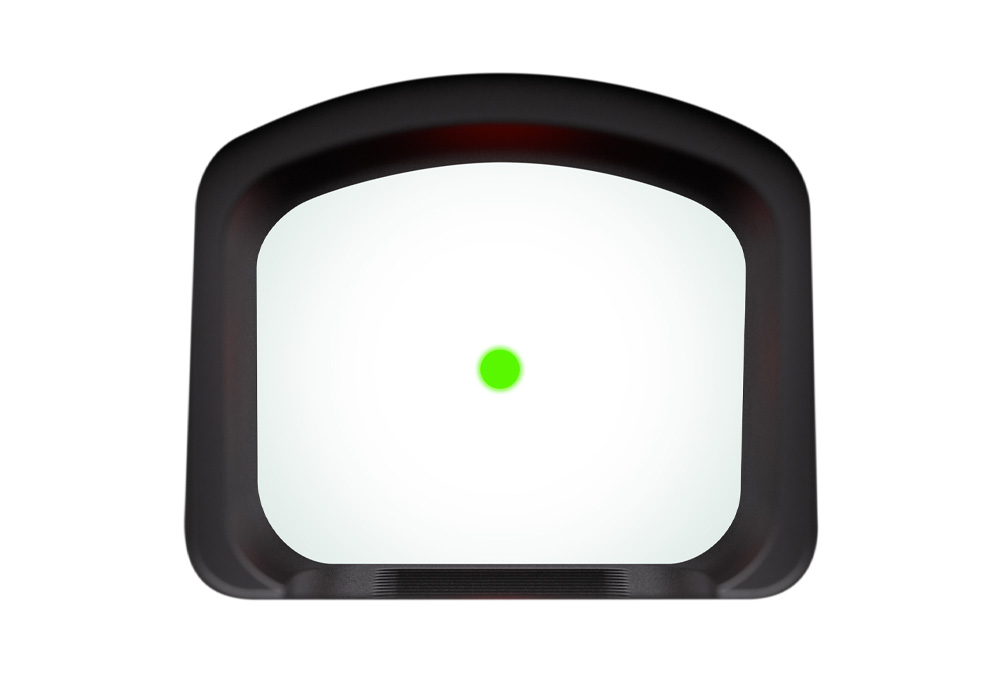
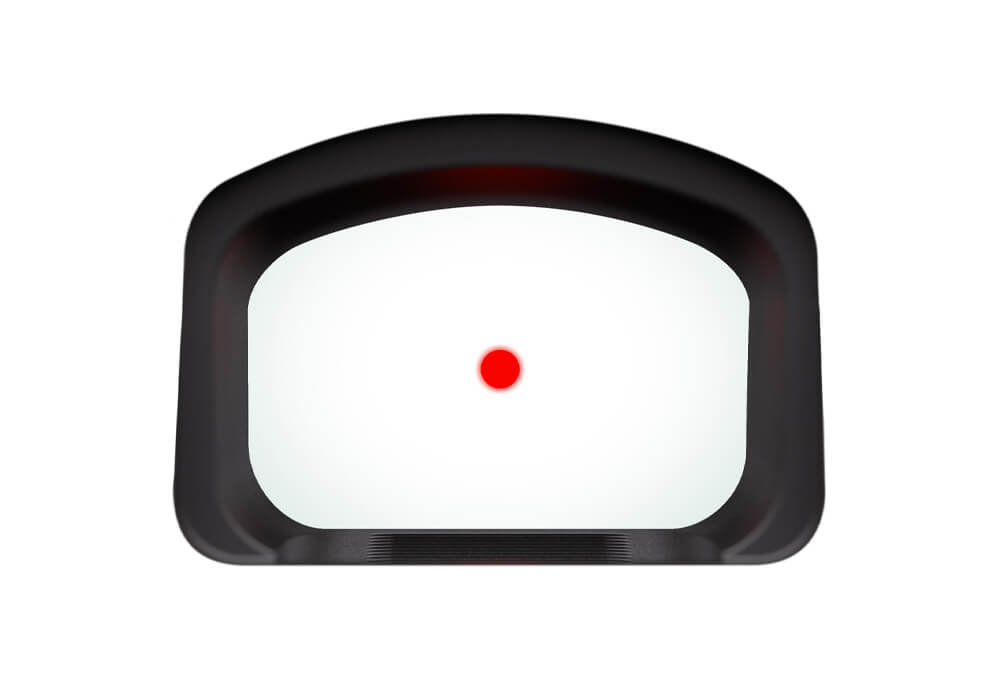
Hunting season reflex sights are nonmagnifying optics that typically provide a 1x view, effectively unlimited eye relief, and an illuminated aiming point that supports shooting with both eyes open. These characteristics make them useful for close- to moderate-range hunting, where a clear view of the animal and its surroundings matters more than magnification. Instead of aligning separate front and rear sights, the hunter views an illuminated reticle through a lens while maintaining awareness of the surrounding terrain. A compact optic can feel particularly practical on a hunting shotgun or rifle carried through brush, settled inside a blind, or positioned beneath the low roof of a hunting shelter. Turkey hunters may appreciate an aiming point that remains visible against dark feathers and shaded woodland backgrounds, while hunters pursuing hogs or deer may value an uncluttered view in thick cover, wherever the firearm and optic combination is permitted. Local hunting regulations, legal shooting hours, and species-specific equipment requirements remain important considerations. Reflex sights do not magnify distant details, improve target identification beyond what the eye can resolve, or replace the need for a safe background. Their strengths are most relevant when distances suit the firearm, ammunition, conditions, and hunter’s demonstrated ability. The wide viewing impression associated with both-eyes-open use can help preserve awareness, although comfort varies with eyesight, shooting position, and practice. A bright aiming point also does not turn a reflex sight into a night-vision device or extend legal hunting hours. For hunters accustomed to iron sights, the visual experience can feel less crowded; for those accustomed to magnified optics, the absence of enlargement is an important distinction. The most useful hunting setup is one that presents a readable aiming point without demanding constant attention, allowing the hunter to concentrate on positive identification, sound judgment, and the landscape beyond the lens.
Construction and fit have a direct influence on how a reflex sight performs during hunting season. Aluminum housings are common because they balance manageable weight with structural strength, while protective finishes help resist surface wear from routine handling and contact with equipment. Lens coatings can influence light transmission, reflections, and ease of cleaning, but performance depends on the particular optical design rather than the presence of a coating alone. An enclosed-emitter sight places the light source behind protective windows, helping shield it from rain, snow, dust, and debris. An open-emitter design may offer a lighter, less enclosed viewing experience, though moisture or debris between the emitter and lens can interfere with the aiming point. Neither housing style removes the need for appropriate care, and water-resistance ratings should be understood according to the stated testing conditions. Recoil suitability matters as well: a sight intended for one firearm type should not automatically be assumed suitable for every hunting shotgun, rifle, or handgun. Mounting footprint, rail interface, mounting hardware, and sight height all affect compatibility. A secure installation must also leave appropriate clearance for firearm controls and normal operation, with installation requirements determined by the firearm, optic, and mount instructions. On a shotgun with a traditional stock, an unnecessarily tall mounting arrangement can make a natural cheek position harder to maintain. Reticle size and brightness deserve similar attention. A larger aiming point can be easy to recognize against a busy background, while a smaller point obscures less of a distant target. Excessive brightness can create glare or an apparent halo, particularly in dim surroundings, so useful adjustment range matters more than maximum intensity alone. Automatic brightness adjustment can be convenient when moving between open ground and shade, while manual controls provide direct control over the display. Battery access, control placement, and any automatic activation or shutoff functions also affect everyday convenience, especially when gloves make small buttons harder to distinguish by feel.
Field durability is the combination of sound construction, suitable mounting, and consistent care rather than a single specification. A hunting optic may encounter damp leaves, blowing dust, condensation, and the repeated handling that comes with travel between a vehicle, camp, and the field. Protected lenses and an unobstructed emitter help preserve a usable sight picture, while a clean mounting interface supports consistent attachment. Lens-safe cleaning materials are important because wiping grit across glass can scratch a surface or damage its coating. Exterior moisture should be removed according to the care instructions, and storage should protect the optic from prolonged dampness, loose equipment, and pressure against the controls. Battery-powered sights benefit from a routine that includes checking illumination before an outing and replacing batteries on a sensible schedule consistent with the stated operating guidance. Published battery life can vary with brightness settings, temperature, and electronic features, so a long advertised runtime is not a reason to ignore function checks. Familiarity matters just as much as maintenance. Time at an appropriate range helps a hunter become comfortable finding the aiming point from normal shooting positions and confirming that the sight remains properly zeroed after installation or any suspected movement. Practice also reveals whether the reticle is comfortable for the individual eye; some people perceive an illuminated point as a streak or starburst rather than a crisp circle. Hunters who also spend time at outdoor ranges can explore Outdoor Shooting Reflex Sights for a broader view of the category across field and recreational settings. As a gift for an experienced hunter, a reflex sight is most thoughtful when the recipient’s firearm compatibility, preferred mounting height, visual preferences, and intended use are already understood. For newcomers and longtime hunters alike, the lasting appeal is straightforward: a manageable optic, a clear aiming reference, and dependable function suited to the realities of time outdoors.