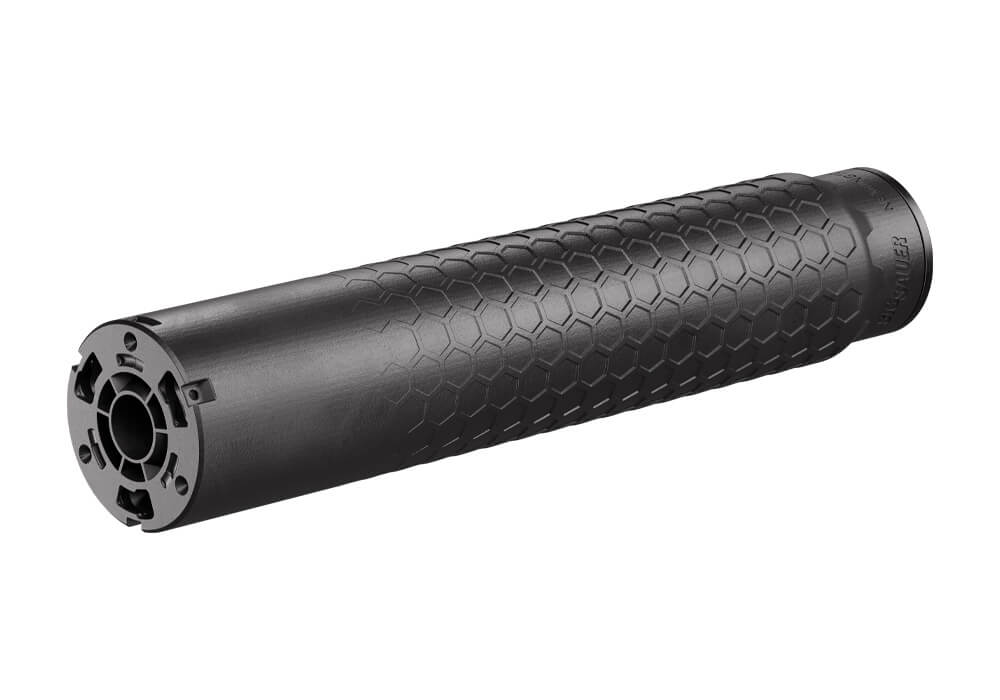
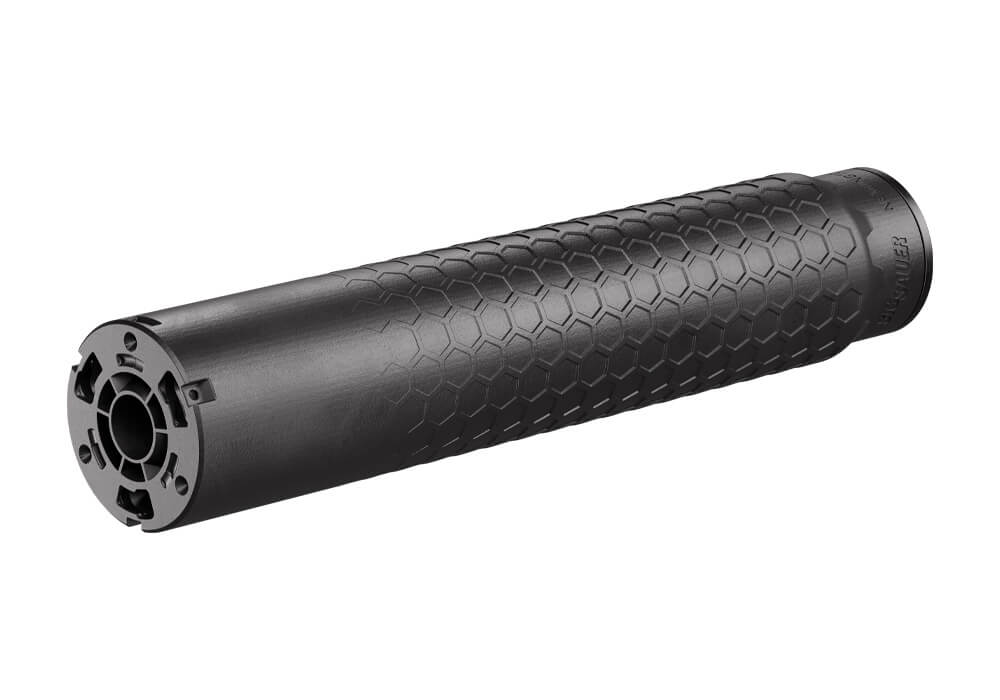
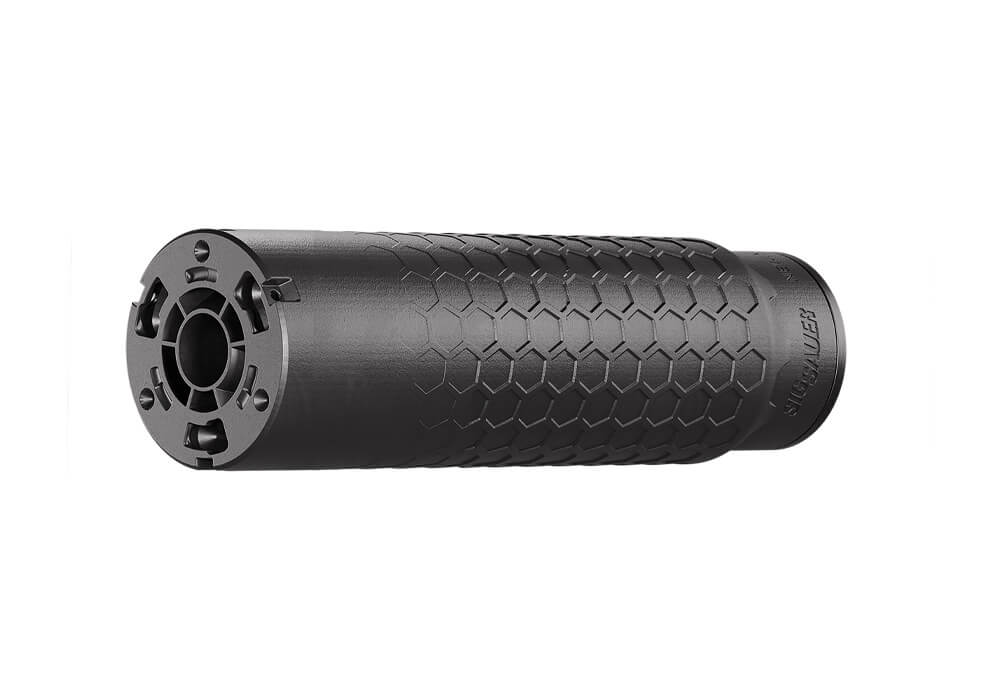
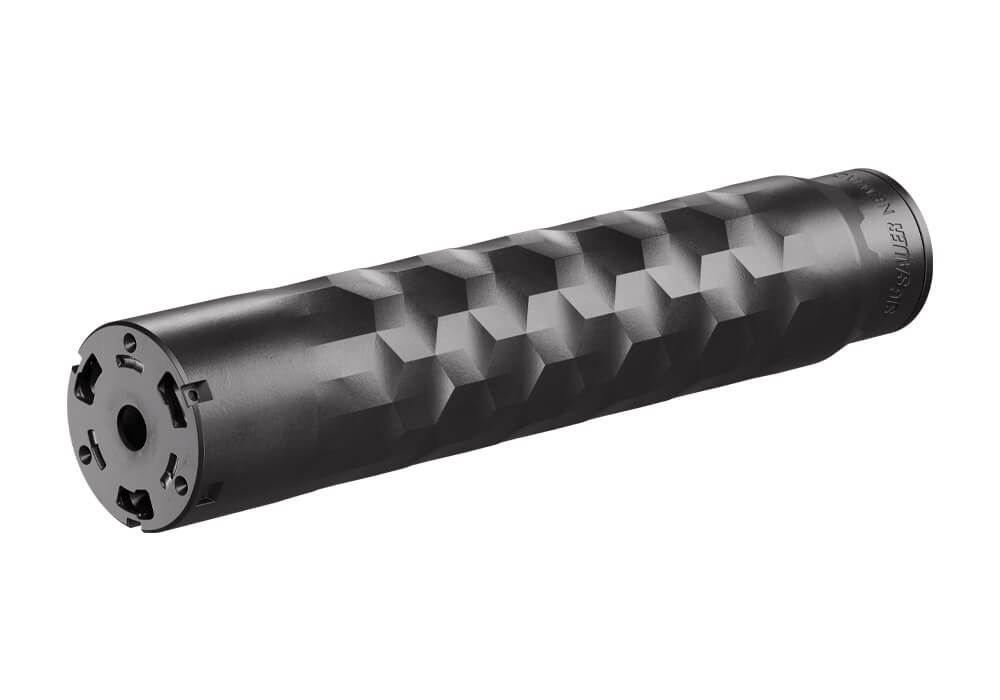
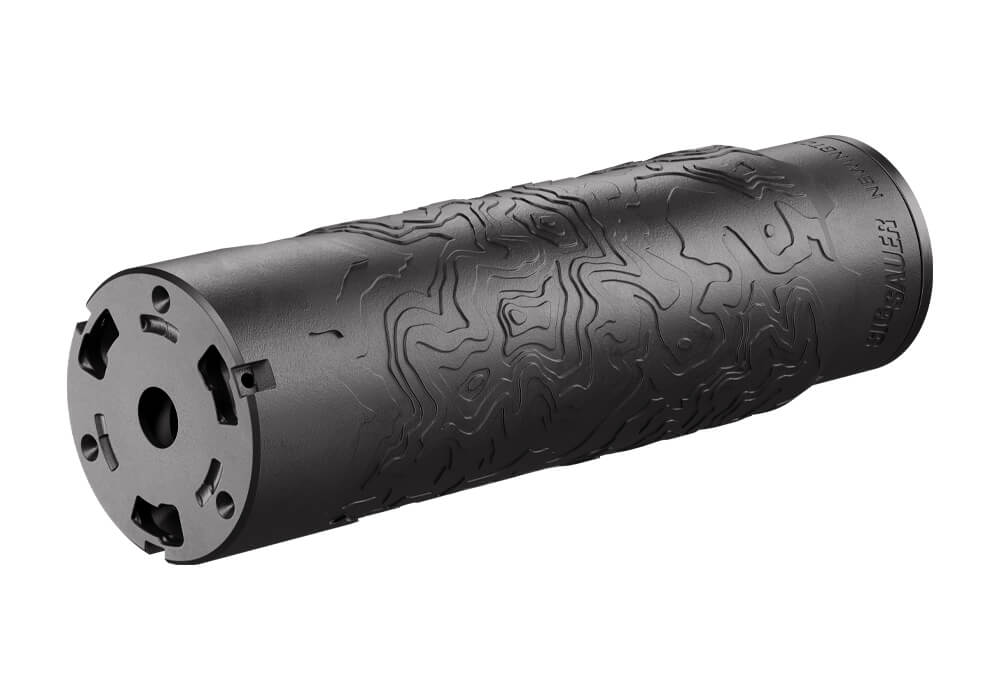
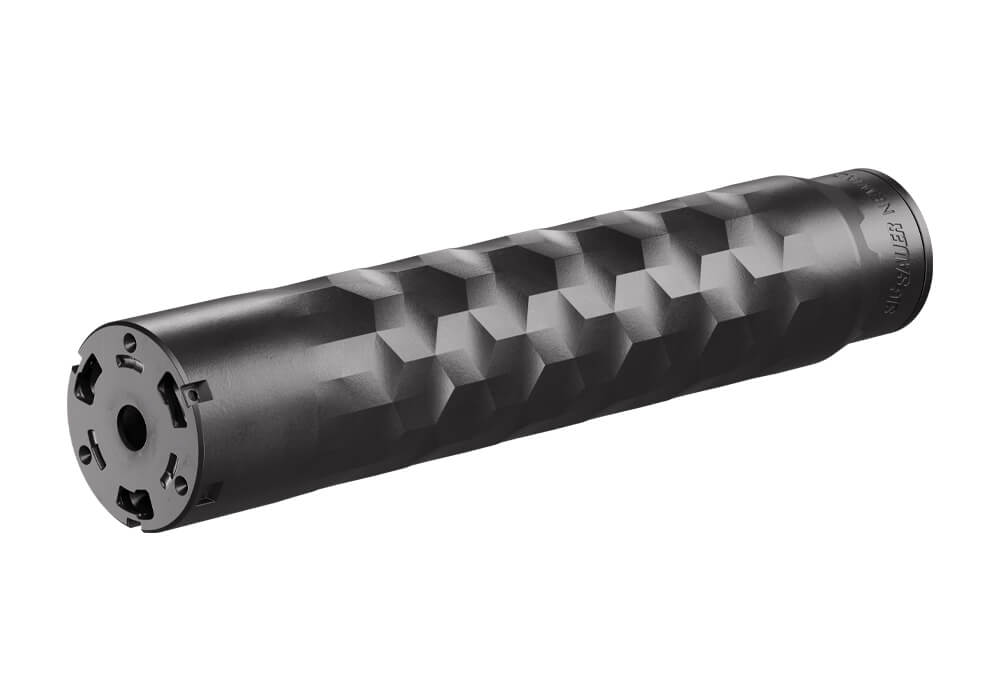
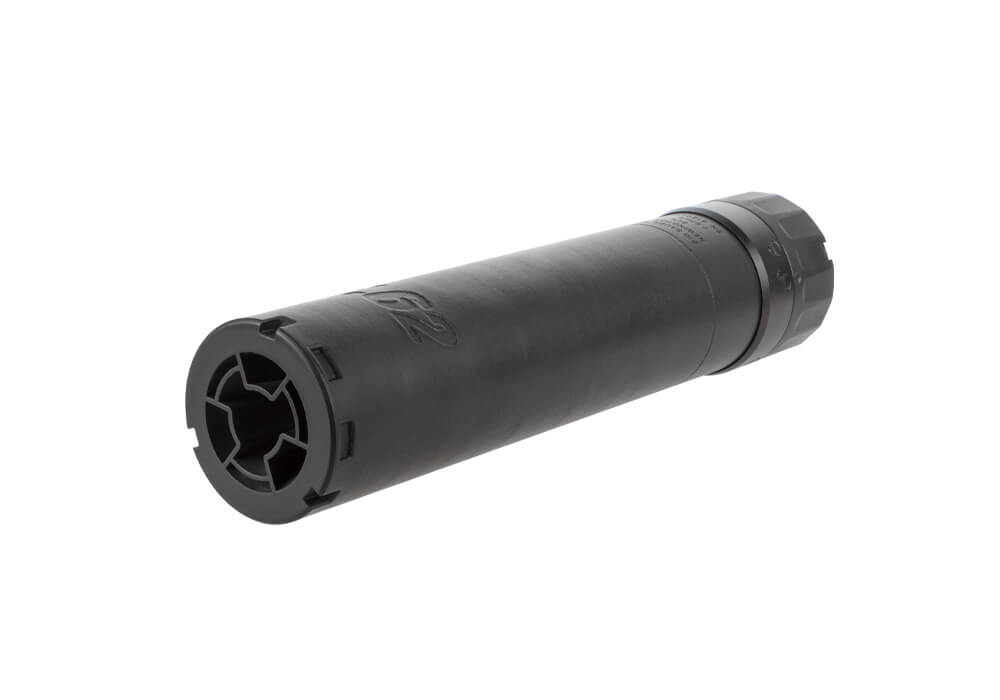
Direct thread suppressors are a practical choice for hunters and rifle shooters who value a streamlined setup during the cooler months. Rather than relying on a separate mounting device, this style attaches directly to the threaded muzzle of a compatible rifle barrel. That direct connection can help keep the overall system light and balanced, which is especially useful when a morning in the woods involves a long walk over uneven ground, climbing into a blind, or carrying a rifle through thick cover. With fewer components between the barrel and suppressor, there are also fewer levers, latches, or moving parts to manage in damp leaves, mud, and cold weather. Many hunters appreciate the simple profile when moving through timber, where a compact setup is easier to carry and less likely to catch on brush. A properly selected suppressor can also help reduce the sound signature and felt blast of a shot, supporting a more comfortable range session and a less disruptive experience in the field. Results depend on the firearm, ammunition, barrel, and shooting environment, so buyers should review the manufacturer’s specifications and confirm that the suppressor is approved for the intended cartridge, barrel length, and firing schedule. Direct thread models are often appealing to someone who uses one rifle and wants a secure, dedicated configuration for seasonal hunting or regular target practice. They may also suit an experienced shooter who prefers a clean, uncomplicated setup over a system that must be moved between several rifles.
Thread compatibility is one of the most important details when choosing from a list of direct thread suppressors. The barrel’s thread pattern must match the suppressor’s thread designation, and the bore must be appropriate for the projectile being fired. A 1/2-28 thread pattern is commonly associated with smaller .22-caliber and rimfire rifles, while 5/8-24 is frequently seen on medium hunting rifles and cartridges up to .30 caliber; however, thread size alone does not confirm compatibility. Always verify the exact caliber rating, barrel diameter, minimum barrel length, and mounting instructions before purchase. The rifle’s stock, sights, optic, and sling can also influence how the completed setup handles. A suppressor adds length to the muzzle, so consider the balance of the rifle when moving through a ground blind or settling into a supported position. Weight matters as well: a lighter configuration may be more comfortable during a full day outdoors, while a larger suppressor may offer different performance characteristics for sustained range use. Hunters preparing for whitetail season can review the related Suppressors For Whitetail Season collection when comparing options for a dedicated deer rifle. Before placing an order, confirm state and federal requirements, registration or transfer procedures, and any restrictions that apply where you live. A suppressor is not a casual accessory, and the person who receives or uses one must follow every applicable rule. For that reason, it may be a thoughtful gift for an experienced shooter only when the recipient can complete the required legal process and the purchase is handled through the proper channels. A gift card or a conversation about compatible specifications may be more practical than selecting a specific suppressor without knowing the recipient’s rifle details.
Once a direct thread suppressor is installed, careful preparation helps support consistent performance throughout the season. Begin with an unloaded firearm and follow the firearm and suppressor instructions closely. Inspect the barrel threads and suppressor threads for grit, carbon, moisture, or damage before attaching the unit. Thread it on by hand until it is fully seated, then use the recommended wrench flats or tightening method if the manufacturer specifies one. The suppressor should remain aligned with the bore; if anything feels uneven, stops unexpectedly, or appears misaligned, stop and seek qualified assistance rather than continuing. Verify that the suppressor remains secure before firing and check it periodically during a range session or hunt, since heat and repeated firing can affect how tightly threaded components remain seated. Never rely on an improvised adhesive or a tightening method that conflicts with the manufacturer’s directions. After use, allow the suppressor and barrel to cool safely before handling them. At the end of the hunting season, inspect and clean the threads according to the care instructions, then store the components in a dry, controlled environment. Cold mornings, wet brush, and fine debris can find their way into even a simple setup, so a few minutes of inspection before heading into the field can prevent avoidable problems. With the correct thread pattern, caliber rating, rifle pairing, and lawful ownership process, direct thread suppressors offer a straightforward option for hunters and shooters seeking a balanced, dedicated configuration from early fall through the cooler weeks that follow.