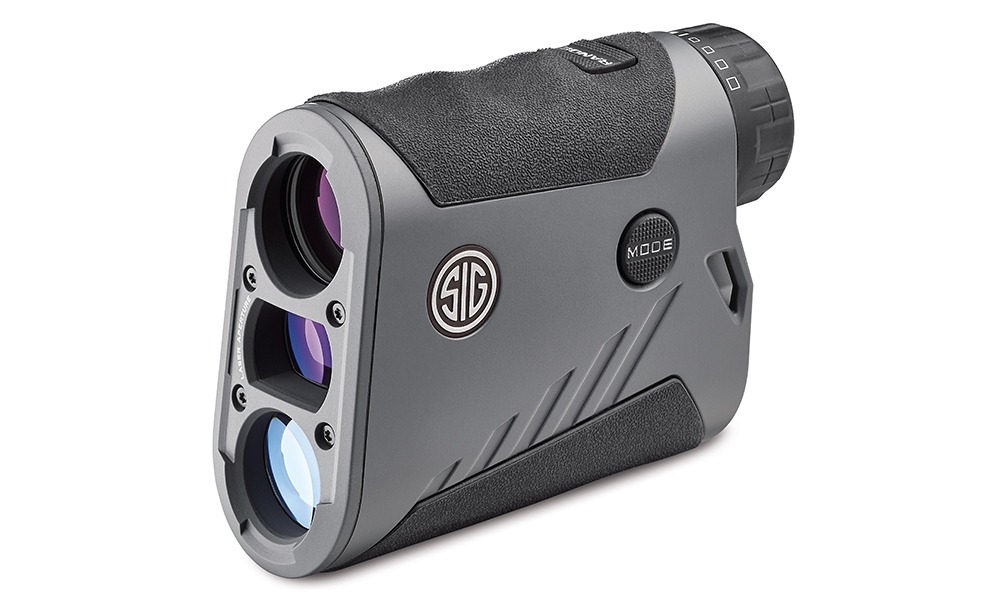
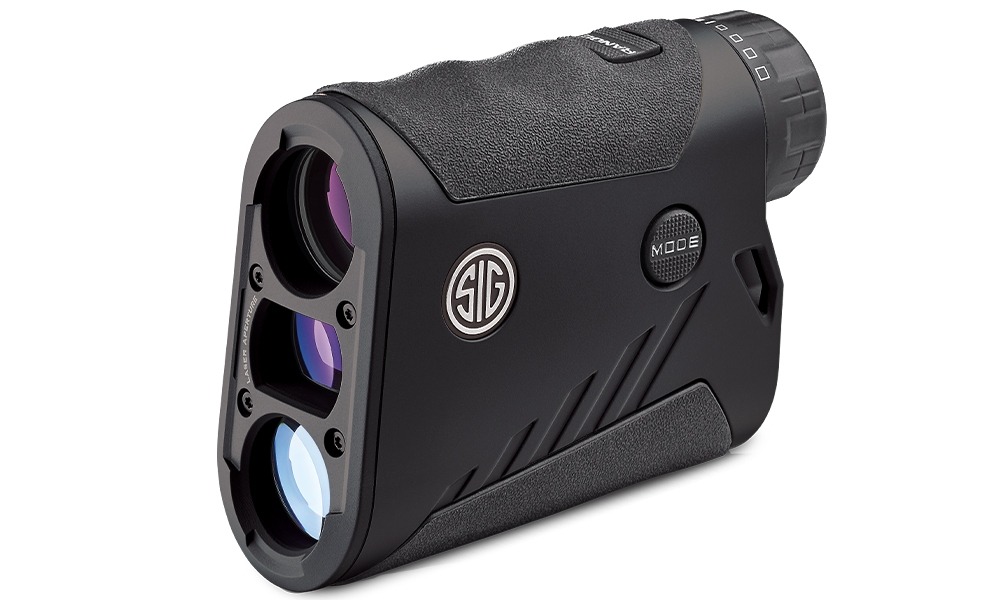
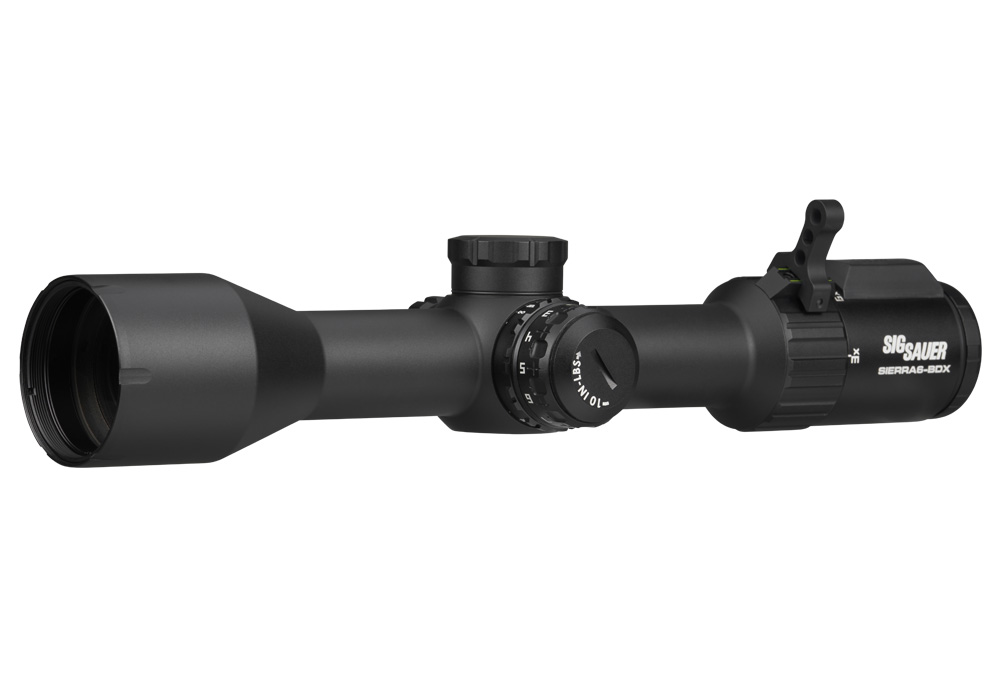
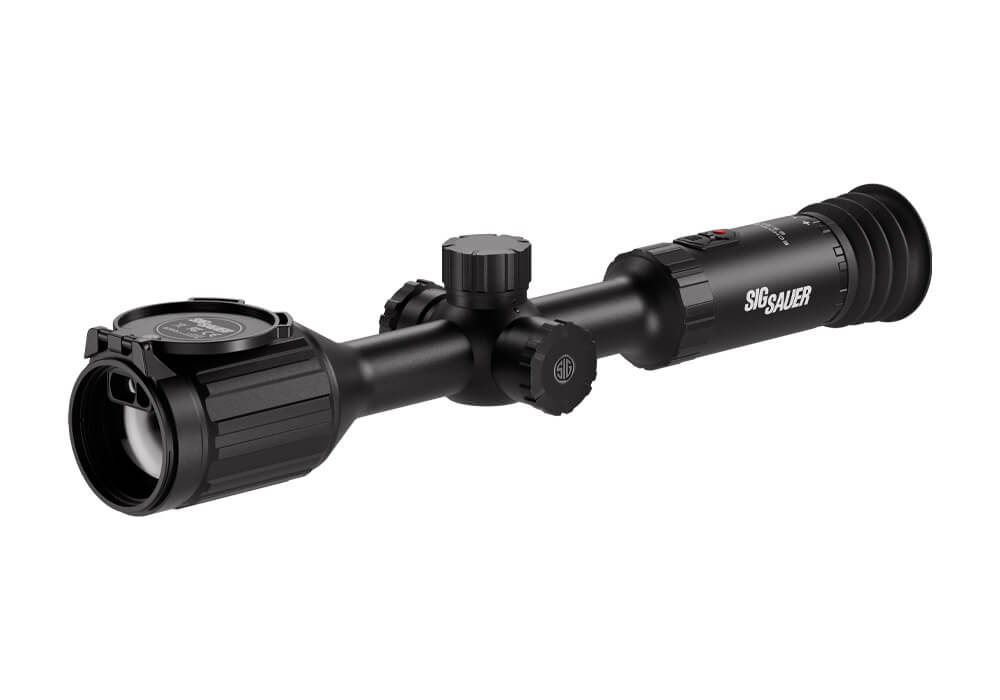
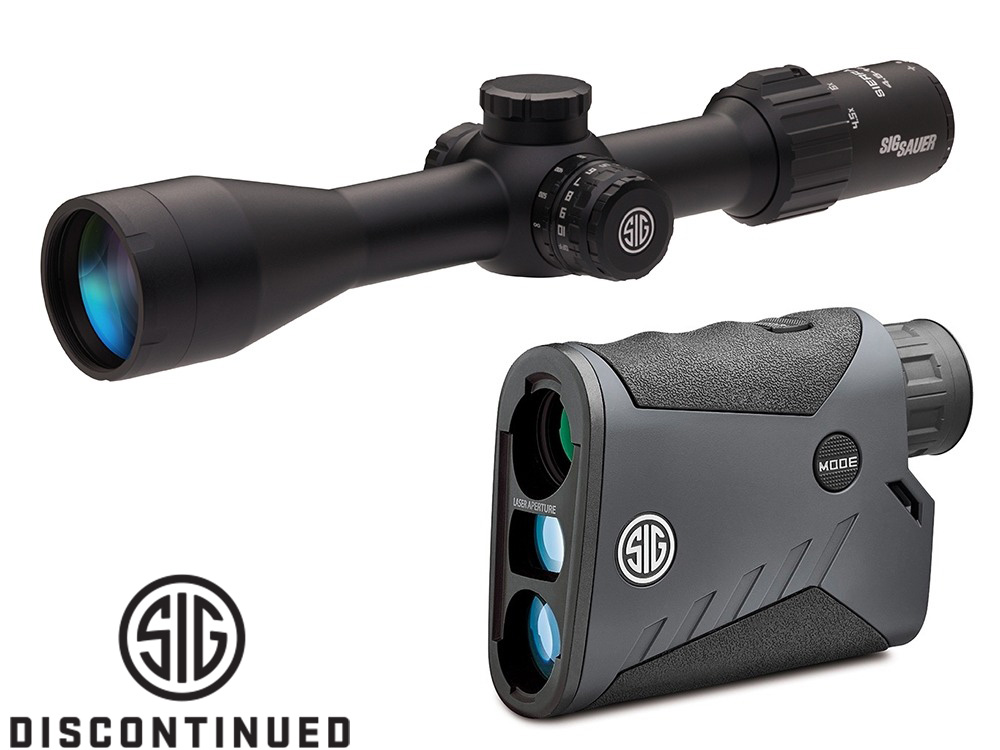
Distance measuring tools help turn an uncertain estimate into a clear, useful measurement, whether you are checking the span of a room, judging the distance to a distant landmark, planning work across a property, or confirming range in an outdoor setting. Instead of relying on pacing, visual comparison, or a conventional tape, these instruments use optical or wheel-based systems to calculate the space between two points with speed and consistency. The right choice depends on the environment, the distance involved, the type of target, and the level of precision you need. A compact laser distance measurer is well suited to rooms, workshops, barns, and other areas where a visible surface can serve as the target. A measuring wheel is practical for paths, fields, warehouse floors, and property layouts where the tool can travel directly along the ground. For outdoor observation and shooting applications, optical rangefinding equipment can help establish the distance to a target, hillside, tree line, or other reference point. Browsing Laser Rangefinders alongside other distance measuring tools can help you compare technologies suited to different surroundings and routines.
Laser distance measurers send a low-power beam toward a selected surface and calculate the distance based on the returning signal. Their greatest advantage is convenience: a single person can measure a wall, ceiling, doorway, or elevated point without stretching a tape across the area or asking someone else to hold the far end. Many models also calculate area and volume, which can be useful when estimating flooring, paint, insulation, storage space, or material needs. When evaluating one, consider its maximum range, stated accuracy, display quality, button layout, and performance in the lighting conditions where you expect to work. A backlit screen is helpful in dim interiors, shaded structures, and cooler-season evenings, while a clear aiming system matters when the target is small or far away. Bright sunlight, reflective surfaces, glass, foliage, and uneven textures can influence how easily a laser finds its intended point, so look for a tool designed for the setting rather than choosing only by the longest advertised range. Measuring wheels offer a different approach. Their long handle and rolling wheel allow you to trace roads, walkways, lots, athletic fields, and large interior spaces while a mechanical or electronic counter records the traveled distance. Wheel size, handle comfort, counter visibility, folding design, and wheel traction all deserve attention, particularly when the ground changes from smooth pavement to gravel, soil, or short grass. For extensive outdoor layouts, a wheel can feel intuitive and dependable because the measurement follows the same route you can see beneath your feet.
Optical rangefinding tools are especially useful when the distance cannot be covered on foot or when the far point is separated by brush, a slope, a waterway, or rough terrain. Hunters, range users, landowners, survey crews, outdoor photographers, golfers, and recreational observers may all appreciate quick distance information, though each group may prioritize different features. A hunter may value a compact profile, simple controls, and dependable readings on distant natural targets. Someone practicing at an outdoor range may focus on repeatable measurements, visibility in changing light, and easy operation while wearing gloves. A land manager may prefer longer reach and a display that remains legible against varied backgrounds. Before purchasing, think about the distances you most often encounter, whether you need a straight-line reading or a wheel-based route measurement, and how the tool will travel in a pack, vehicle, toolbox, or range bag. Consider weather resistance, battery type, operating temperature, grip texture, and whether the controls can be used without removing gloves during cooler months. It is also wise to compare the stated accuracy at both short and long distances, since performance can vary as the target becomes smaller or farther away. A distance measuring tool can be a thoughtful gift for a new landowner, a do-it-yourself enthusiast, an outdoorsperson, or anyone who enjoys practical gear that solves a recurring problem. It can also complement binoculars, a tripod, a compass, a notebook, or other field equipment without adding much weight. Keep the lenses and sensors clean, store electronic tools in a protected case, check batteries before heading out, and confirm readings from a stable position when precision matters. With the right combination of range, clarity, durability, and handling comfort, a distance measuring tool becomes a quiet everyday advantage—from planning a project in a garage to assessing terrain during a crisp outing in the cooler months.