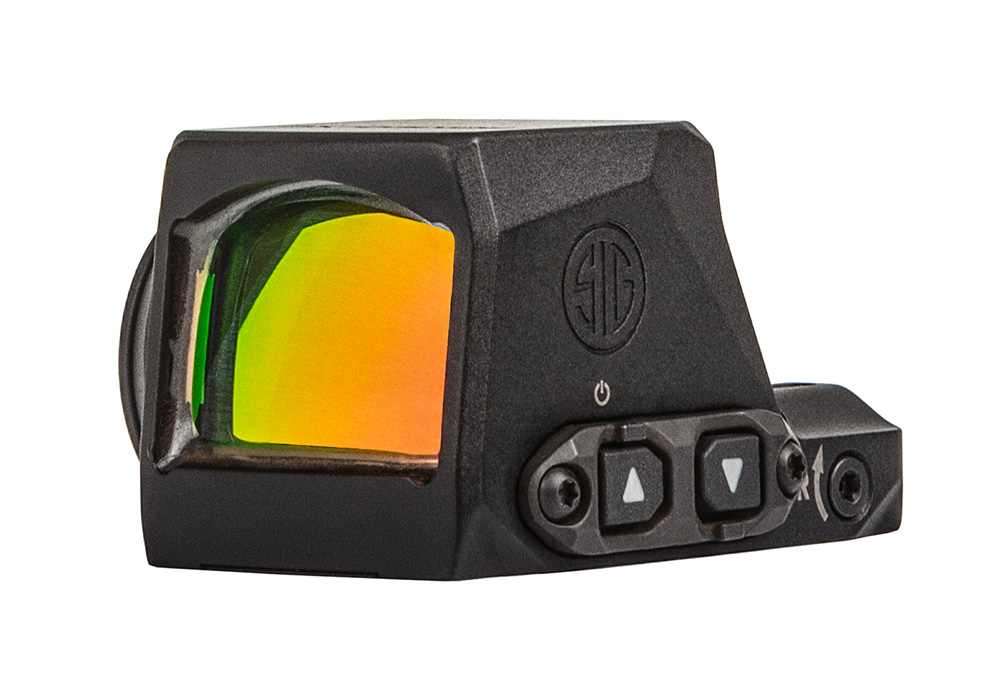
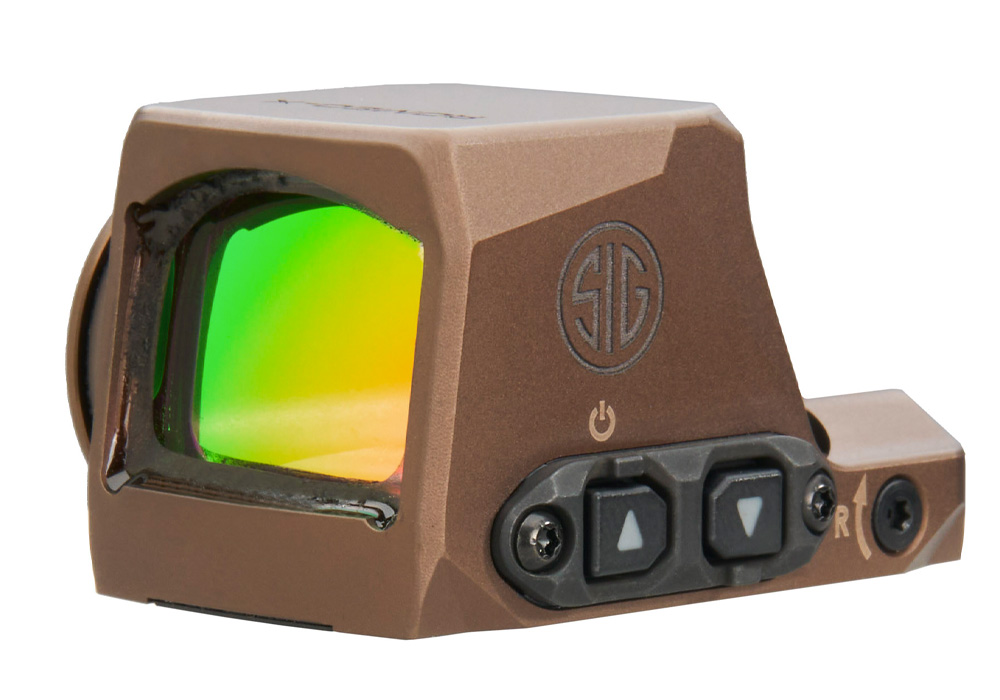
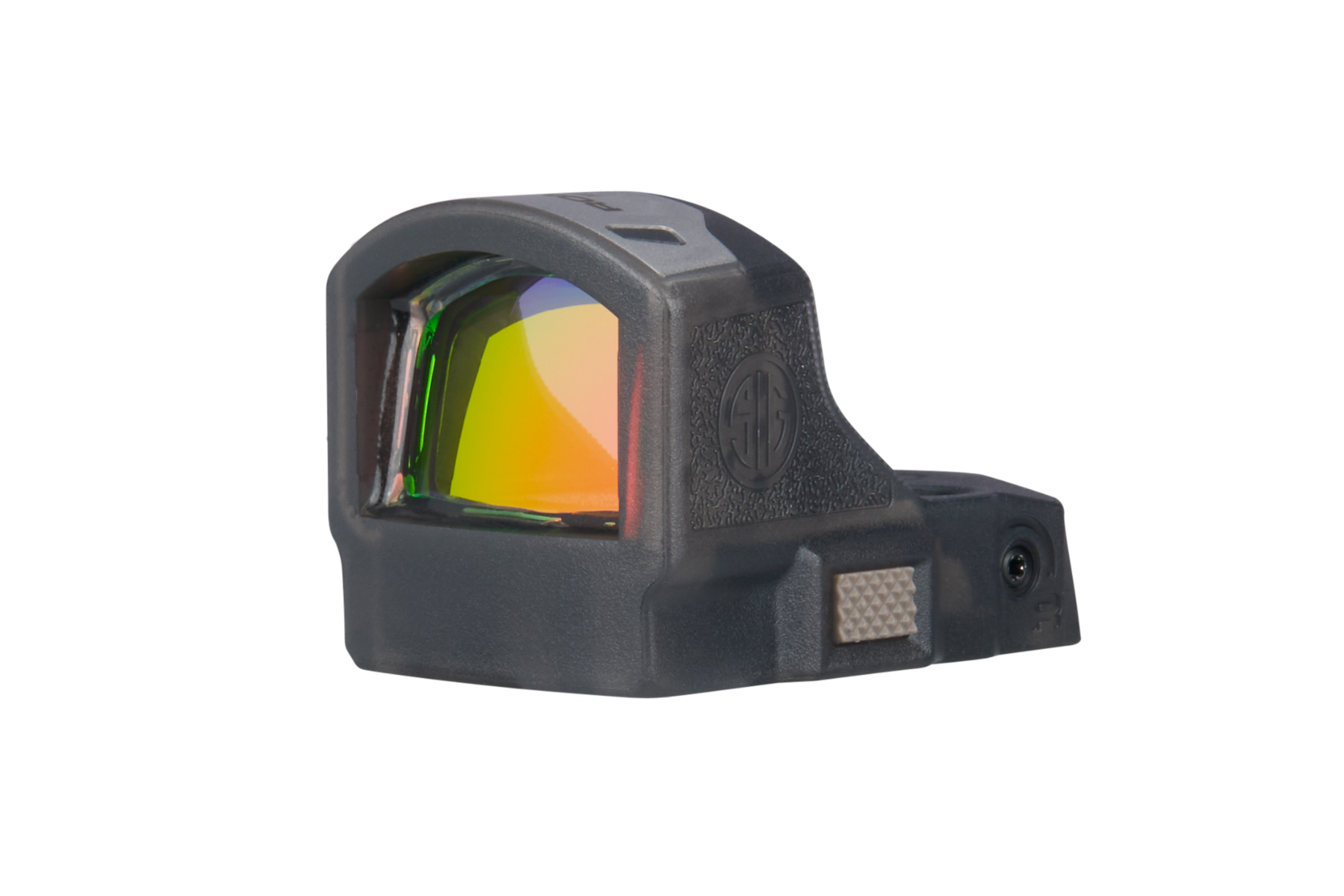
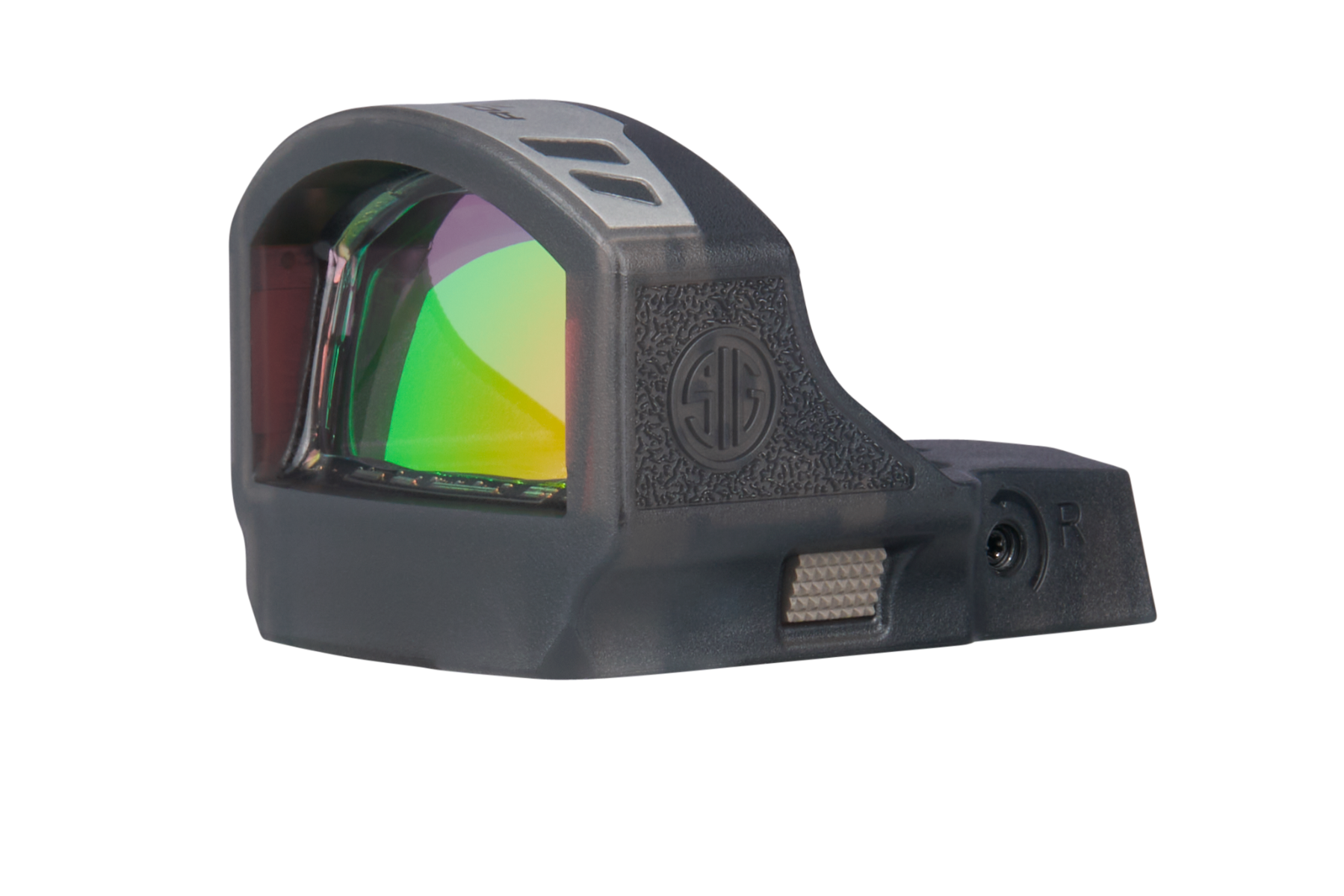
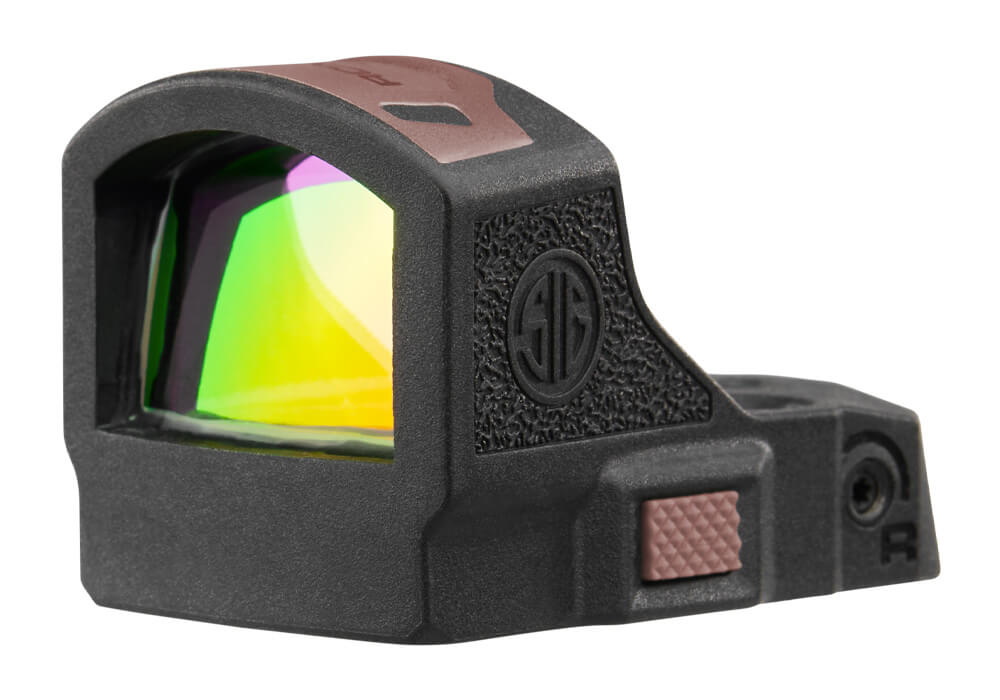
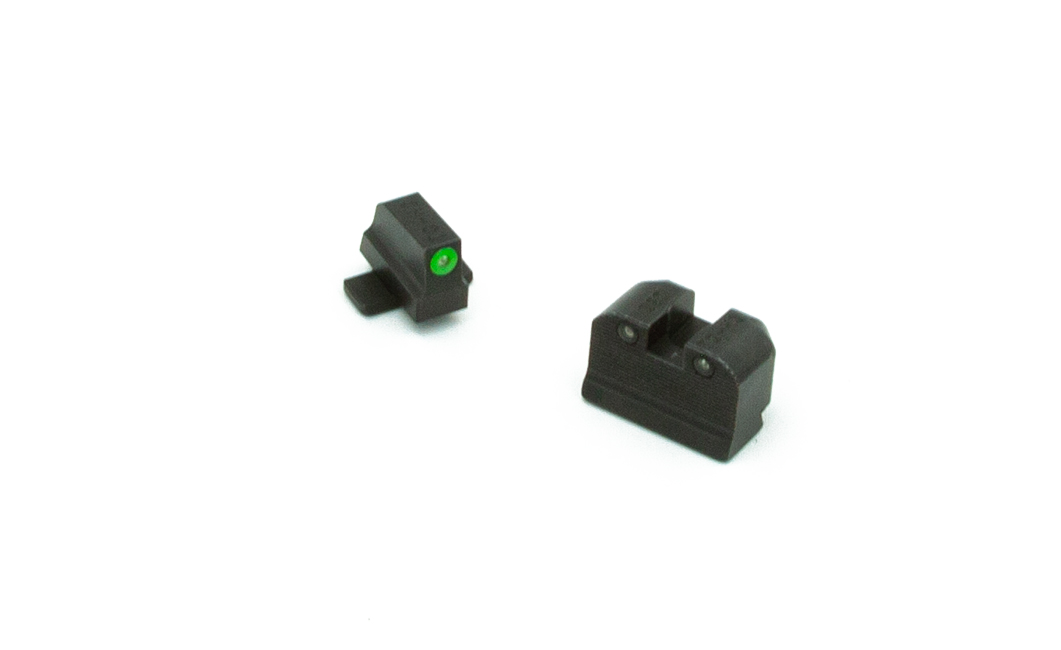
Easy-install red dot sights for pistols pair a compact aiming window with a mounting interface compatible with the handgun’s slide or an appropriate adapter plate. On a compatible optics-ready pistol, that can mean adding a sight without permanent slide milling. The key is compatibility: “easy install” describes the relationship between the sight, the mounting hardware, and the pistol, not a universal fit across all handguns. A mounting footprint is the pattern of attachment points and supporting surfaces beneath the optic, and it needs to match the slide cut or a plate approved for that combination. Two sights with similar dimensions can have different footprints, while two pistols from the same family can have different mounting requirements. For shoppers comparing pistol red dot sights, clear compatibility information is therefore more useful than a broad promise of simple installation. Direct-mount designs can keep the optic close to the slide when the interfaces match, while adapter plates accommodate certain combinations that would not otherwise fit. Some pistols without an optics-ready slide can accept a compatible dovetail adapter, although that arrangement may sit higher and can call for professional fitting. Neither approach should be assumed to suit every handgun or intended use. Mounting hardware requirements, sight height, and clearance around the slide all deserve attention before choosing an optic. Existing iron sights may remain visible through the window on some combinations, but that depends on their height and the complete mounting arrangement. Holster clearance matters, too, particularly for a pistol carried regularly rather than used only at the range. A compact optic that fits the slide neatly still needs adequate space inside an optic-compatible holster. The most straightforward choices are those with documented fit, clearly identified hardware requirements, and accessible manufacturer support. That clarity helps distinguish a genuinely convenient match from a sight that requires additional components or fitting work before it belongs on a particular pistol.
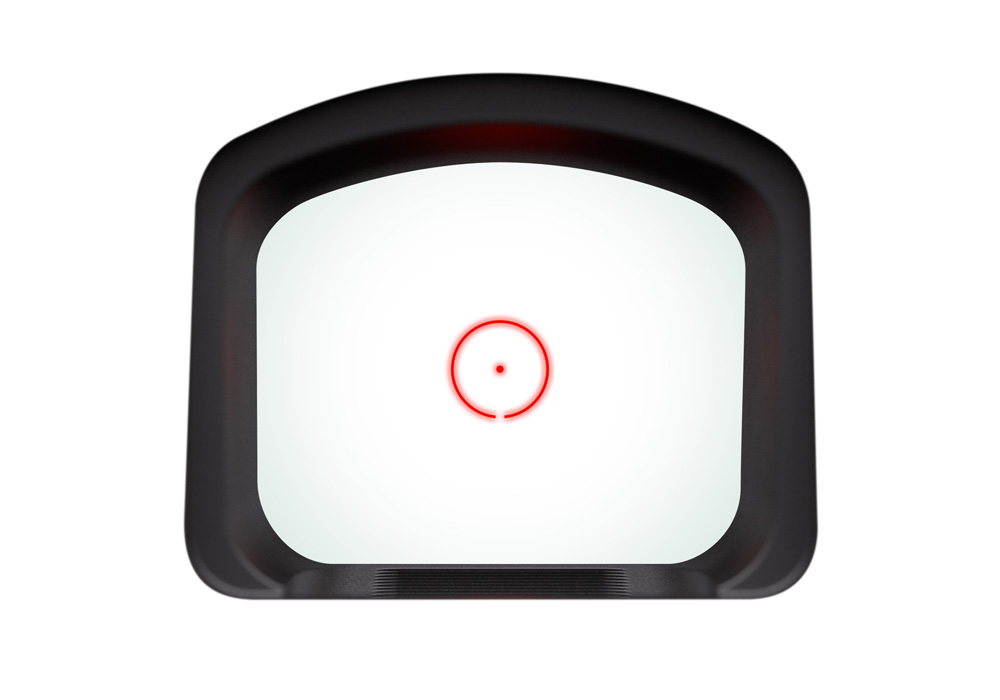
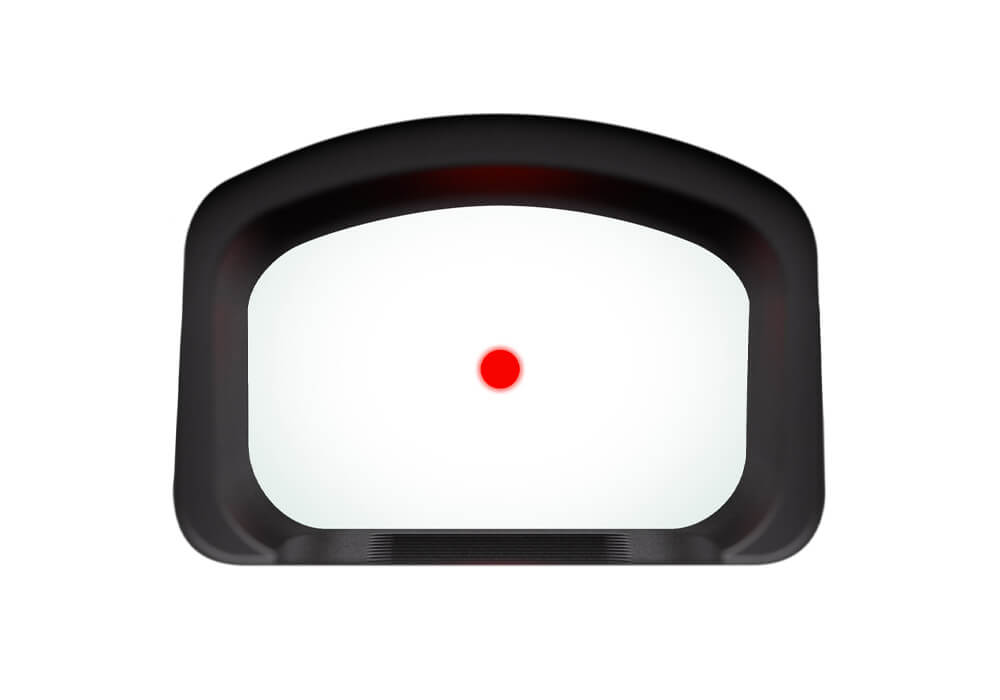
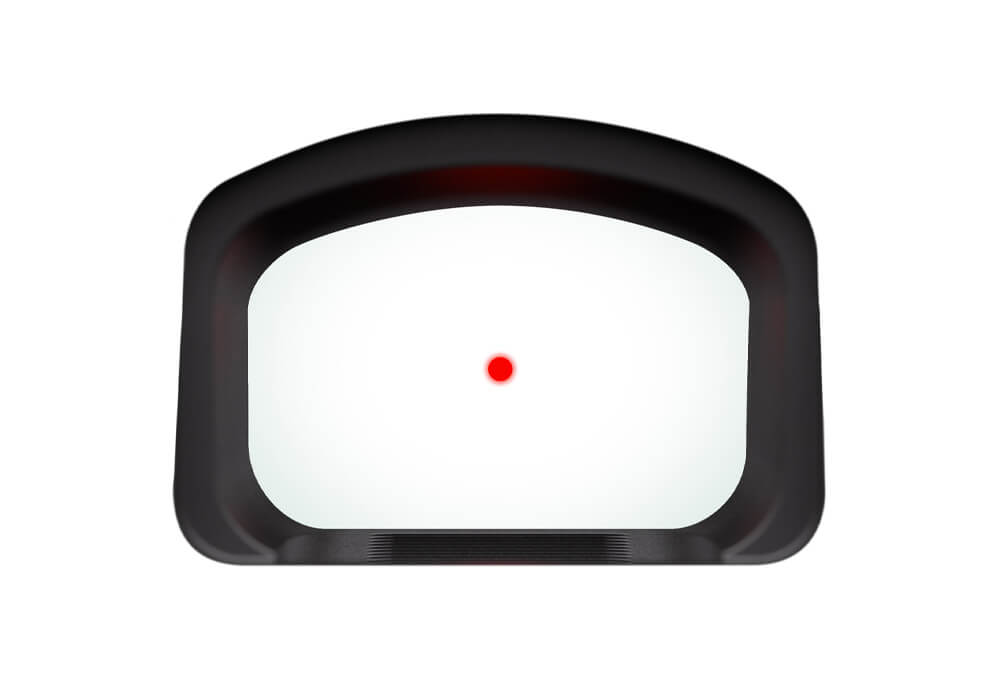
Beyond fit, the appeal of a pistol red dot sight lies in its illuminated aiming reference and the view through its lens. Instead of aligning a rear notch and front blade for every sight picture, the shooter sees a projected dot within the optic’s window. Familiarity and practice still matter, and an electronic sight does not replace safe handling or sound fundamentals. Window dimensions, lens clarity, reticle size, and brightness controls shape the everyday experience more than appearance alone. A smaller dot can present a finer aiming reference, while a larger dot may be easier for some eyes to notice quickly; the better choice depends on vision, preference, and intended use. Dot size is commonly expressed in minutes of angle, or MOA, which describes its apparent coverage rather than the physical size of the illuminated emitter. Adjustable brightness helps keep that reference visible without unnecessary glare, and controls should be understandable and accessible within the sight’s compact housing. Automatic brightness and motion-activated illumination can add convenience where offered, but their behavior and settings differ between designs. Shoppers with astigmatism may perceive a dot as a streak or cluster rather than a crisp point, making an opportunity to compare sight pictures valuable. Construction deserves equal attention. Aluminum housings are common, and protective surface treatments help resist routine wear from handling and holster contact. Other housing materials can reduce weight, so the material name alone does not establish durability. The complete design, recoil suitability, lens protection, and documented testing provide more meaningful context. Open-emitter sights generally leave the light path more exposed, while enclosed-emitter designs place that path within a protective housing that helps limit interference from lint and debris. Either format still needs clean exterior lenses. Housing width, window shape, and overall weight also affect how naturally the optic suits a slim carry pistol or a larger range handgun. A generous window can feel less visually restrictive, while a smaller housing may better complement a narrow slide and close-fitting holster.
Long-term convenience is often determined by small details that become noticeable after the initial installation. Battery access is a good example: a top- or side-access compartment can permit battery replacement without removing the sight, provided the particular design and surrounding clearances allow it. An underside battery compartment may require optic removal for service, adding work and making confirmation of the sight’s alignment especially important afterward. Published battery-life estimates are useful comparison points, but they depend on brightness settings, operating modes, and usage assumptions; they are not a substitute for regular checks. Clearly marked controls, a secure battery cover, and readily understood documentation can make ownership simpler for someone who prefers less time managing equipment. Care is usually centered on protecting the lenses, keeping accessible surfaces free of residue, and following the manufacturer’s cleaning recommendations. Lens-safe materials matter because rough cloths and unsuitable chemicals can damage optical surfaces or coatings. A pistol stored in a padded case may collect less lint than one carried daily, but both benefit from periodic inspection for obstructed glass, loose components, or changes in illumination. Any mounting or maintenance concern outside the owner’s experience is a reason to consult a qualified professional rather than improvise. For recreational range users, these sights offer an alternative sight picture with features that can be compared through supervised practice. Experienced owners may prioritize a familiar footprint, less intrusive housing, or convenient battery service when choosing an optic for another compatible pistol. Those exploring reticle color can also compare Compact Green Dot Sights for Pistols, since perceived visibility varies with individual vision and the background viewed through the lens. As a gift for a responsible adult firearm owner, a pistol optic calls for confirmed compatibility and an understanding of the recipient’s preferences rather than a guess based on size or appearance. Across these uses, the strongest match balances a supported mounting interface with clear glass, practical controls, appropriate durability, and manageable care. Ease of installation is the starting point; ease of ownership is what keeps the sight useful over time.