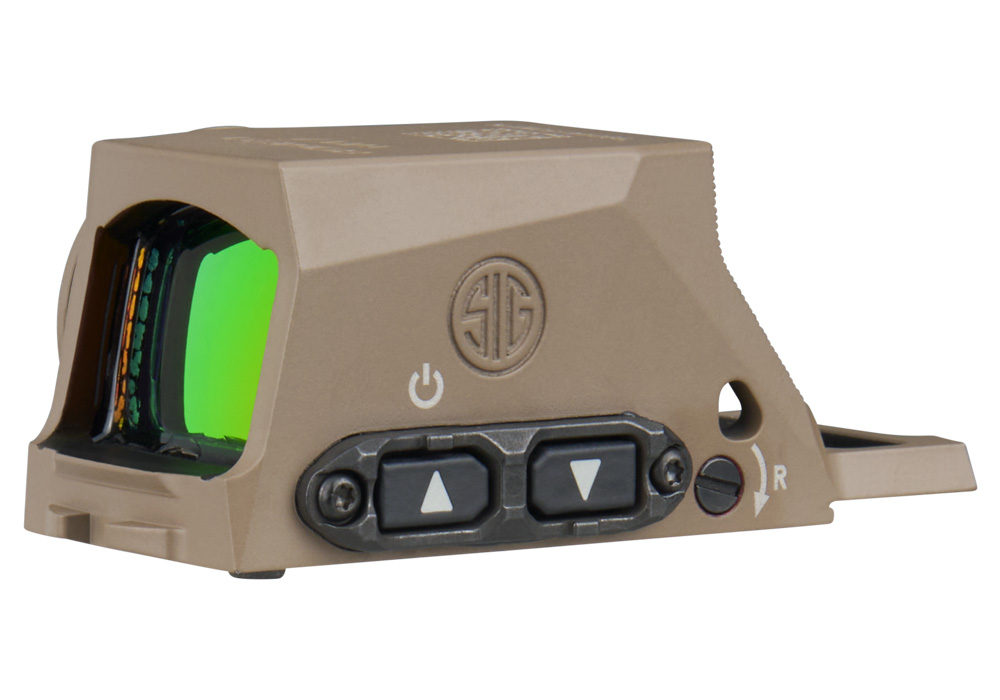
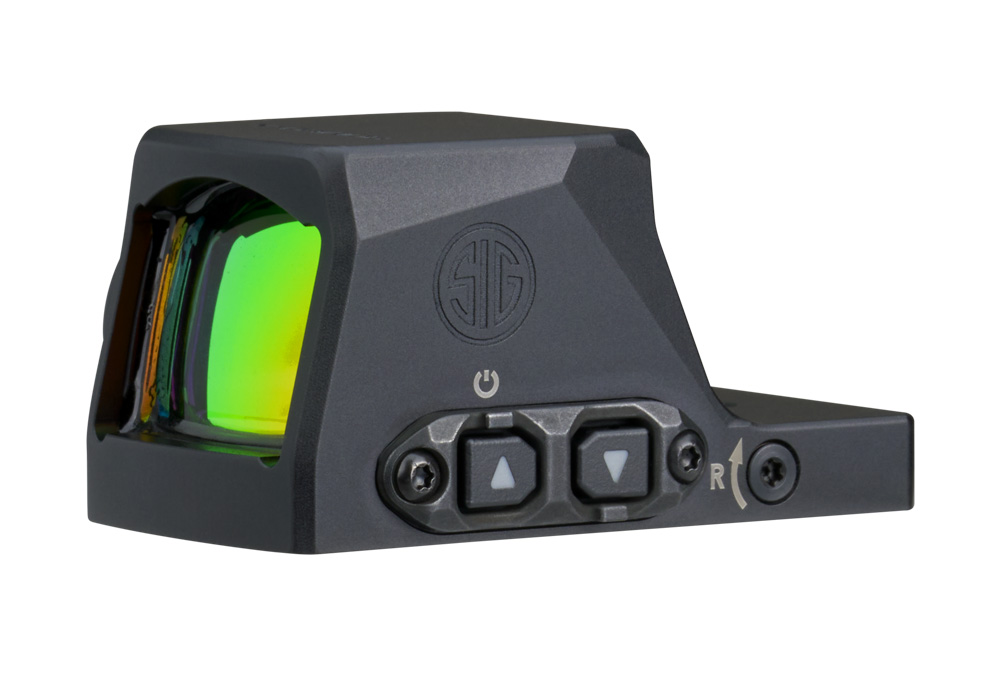
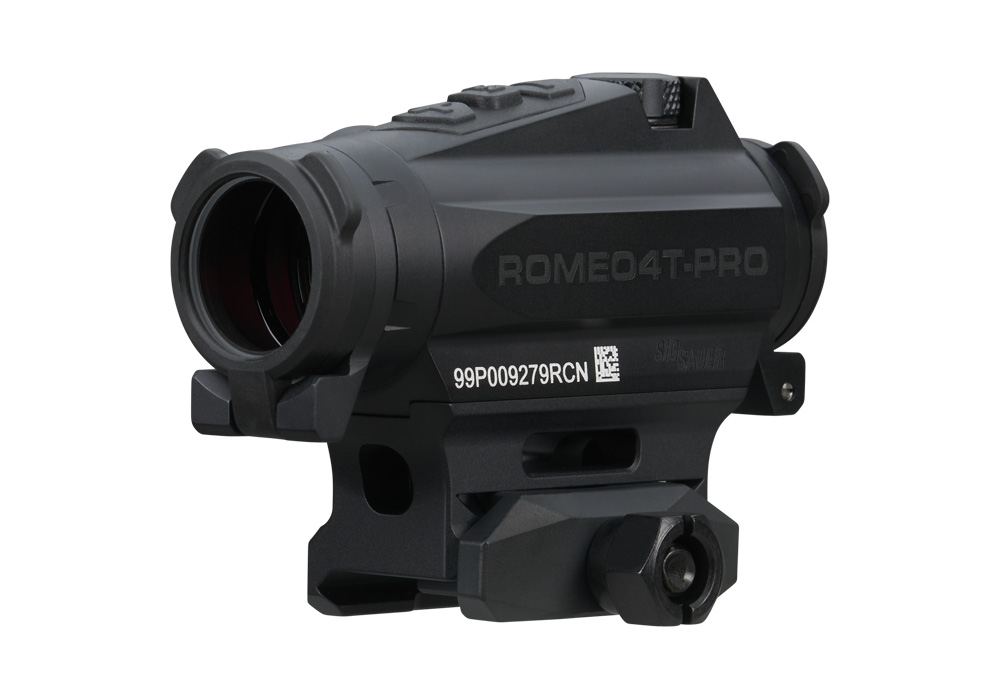
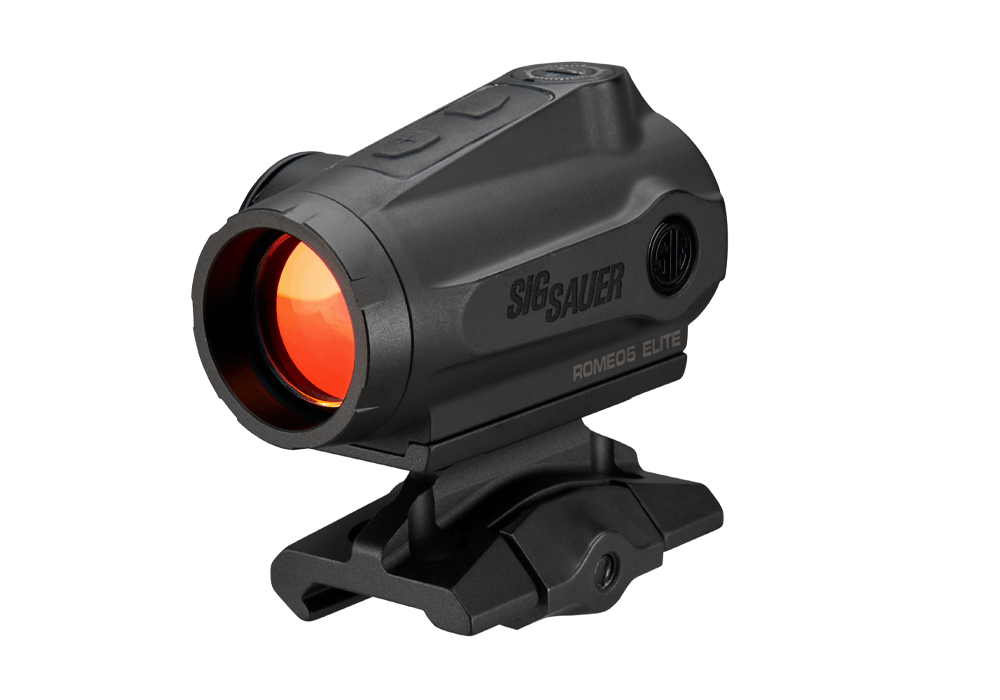
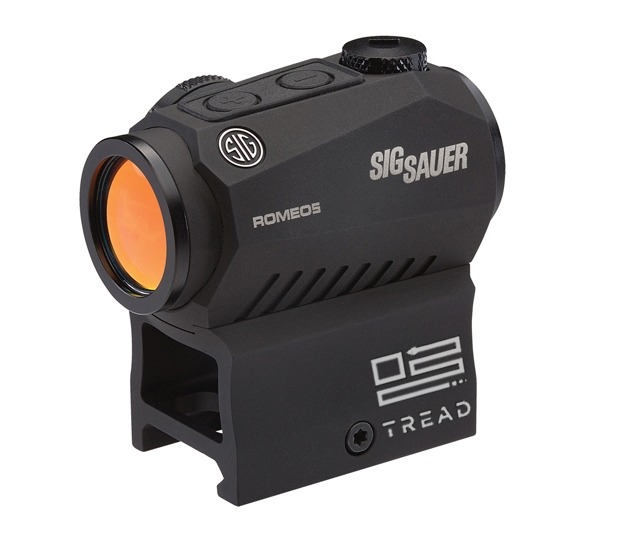
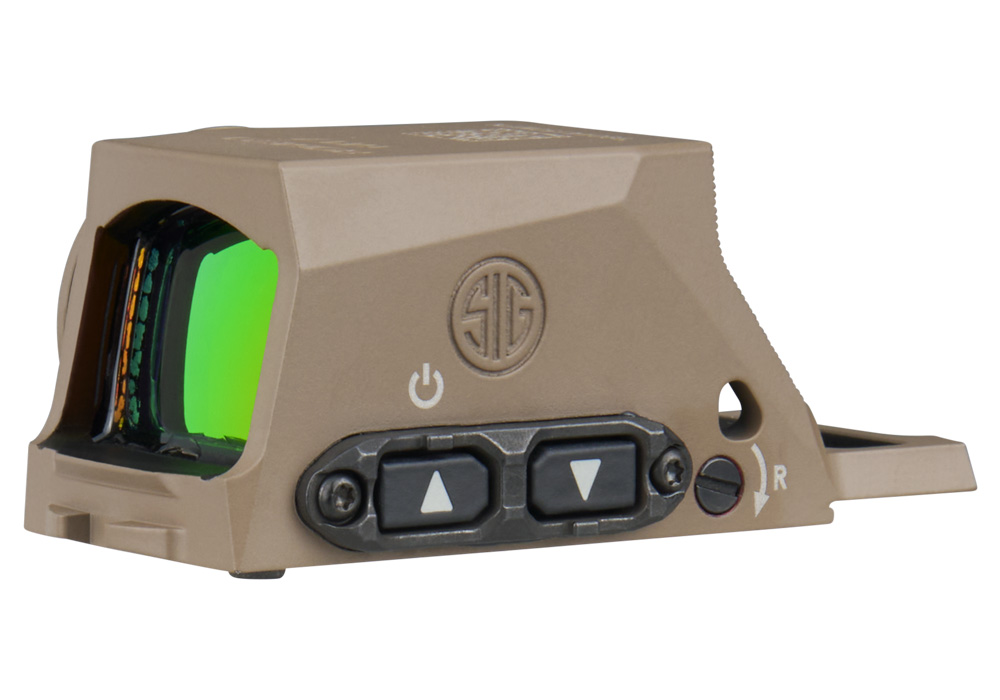
Low parallax red dot sights for pistols are compact reflex optics designed to help the shooter establish a clear aiming reference without requiring perfect eye alignment behind the sight. Instead of lining up a front sight and rear sight, the shooter places the illuminated dot over the intended point of aim while maintaining a consistent grip and presentation. The term “low parallax” describes how well the dot remains aligned with the target when the eye moves slightly off the optic’s central axis. No miniature reflex sight is completely free of parallax at a microscopic level, but a well-designed pistol optic keeps any shift small enough to be operationally insignificant at common handgun distances. Most pistol engagements and training drills take place within roughly 5 to 25 yards, where quality optics are engineered to keep parallax error far smaller than the effects of an inconsistent grip, trigger press, or hurried presentation. In practical use, the dot generally indicates the intended point of impact even when the pistol is indexed from an imperfect angle, making these sights useful for concealed carry practice, home-defense preparation, duty applications, recreational shooting, and competition. A low parallax design does not replace fundamentals; it gives those fundamentals a fast, visible reference that can be easier to track than traditional iron sights, especially as the shooter’s eyes move between the target and the aiming system.
When comparing products in this category, start with compatibility. A pistol must have a slide cut or mounting system that matches the optic’s footprint, and the selected sight should sit securely with the correct screws, plate, or direct-mount hardware. Mounting height matters as well. A lower-mounted optic can support a more natural presentation and may allow the existing iron sights to remain visible through the window, while a taller configuration may require different sights or a mounting plate. Check the manufacturer’s specifications for footprint, fastener size, torque requirements, battery type, battery access, and water or dust resistance before purchase. Window dimensions also deserve attention: a larger viewing area can make it easier to find the dot during a rapid draw, while a compact housing may be preferable for a smaller concealed-carry pistol. Open-emitter designs can offer a broad field of view and a slim profile, whereas enclosed-emitter designs help shield the emitter from rain, lint, dust, and other debris. Brightness controls should be easy to reach without disturbing the firing grip, with settings suitable for dim interiors, shaded outdoor areas, and bright daylight. Automatic brightness adjustment can be convenient, but manual control gives the shooter more direct authority over the reticle. Consider the reticle itself, including dot size, visibility, and whether a simple aiming point is easier to read than a more complex pattern. A crisp dot can look different from one person to another, particularly for shooters with astigmatism, so looking through an optic before committing to a purchase can be valuable. For a broader selection built around demanding applications, explore High Performance Pistol Red Dot Sights and compare the features that best match the pistol, mounting system, and intended use.
These sights can appeal to experienced shooters refining speed and precision as well as newer users learning to build a repeatable presentation. A red dot can be especially helpful for people who find traditional iron sights difficult to focus on, since the target and illuminated aiming point can remain in the visual scene together. Older shooters, users with changing vision, and anyone who practices in low light may appreciate the straightforward sight picture, although every shooter should confirm that the reticle remains visible and comfortable under their own conditions. They may also make a thoughtful gift for a pistol owner who has already identified the correct mounting footprint and is ready to train with an optic-equipped handgun; an optic is a highly personal accessory, so compatibility and intended use should be confirmed before giving one. After installation, allow time for a careful zero and function check rather than relying on the alignment at the package opening. Begin at a close, controlled distance, use a stable rest when appropriate, and confirm that the point of impact remains consistent as the pistol is fired from normal shooting positions. Practice presenting the unloaded pistol safely until the dot appears naturally in the window, then continue with deliberate live-fire repetitions that reinforce grip pressure, trigger control, and follow-through. Keep the lens clean with suitable optical materials, inspect the mounting screws periodically, and replace or recharge the battery according to the manufacturer’s instructions. During warmer outdoor sessions or the cooler months when gloves and layered clothing can change the draw, confirm that the optic remains easy to access and that the reticle is visible in the lighting you expect to encounter. With proper mounting, a confirmed zero, and regular practice, a low parallax pistol red dot sight can provide a dependable aiming reference that supports faster target acquisition and more consistent shot placement without asking the shooter to sacrifice safe handling or sound technique.