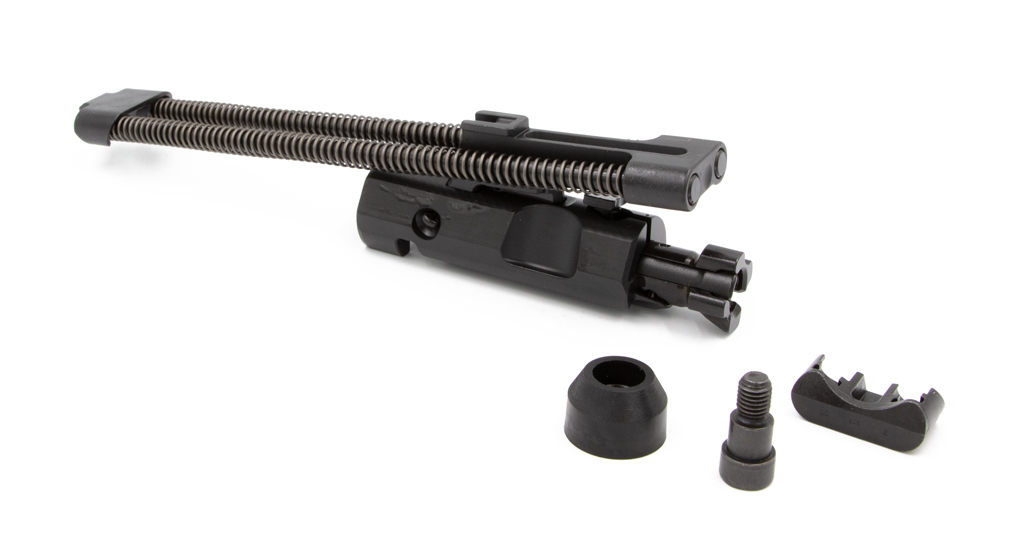
Ejector parts are small, purpose-built components that play an essential role in the reliable operation of many firearms. In a firearm, the ejector works with the extractor and other parts of the action to help move a spent cartridge casing clear after firing, allowing the next round to be chambered. Although an ejector may not receive as much attention as larger components, its shape, position, spring tension, and contact surface all contribute to consistent cycling. A worn, damaged, bent, or incorrectly fitted ejector can lead to weak ejection, stovepipes, failures to clear the action, or other malfunctions that should never be ignored. Replacement components are commonly considered by firearm owners who maintain their equipment carefully, by professional gunsmiths completing repairs, and by shooters restoring a trusted firearm to dependable working order. Anyone selecting an ejector part should begin by identifying the exact firearm model, action type, caliber, and generation, since parts that appear similar may differ in dimensions or fit. Reviewing the manufacturer’s specifications and comparing the replacement with the original component can help prevent ordering an incompatible part. For a focused selection of firearm-specific components, explore Firearm Parts Ejector Pins.
When evaluating ejector parts, pay close attention to the complete assembly rather than viewing the ejector as an isolated piece. Depending on the firearm, related components may include a spring, retaining pin, plunger, screw, or other small hardware that supports correct movement and retention. A replacement ejector may be appropriate when the original shows visible peening, cracking, unusual wear, corrosion, deformation, or a noticeable change in ejection pattern. Springs deserve equal consideration because lost tension can affect how positively the ejector moves against the casing. It is also important to distinguish ejector components from extractor components: the extractor grips or pulls the casing from the chamber, while the ejector helps direct it out of the firearm once the action opens. That difference matters when diagnosing a problem, since replacing the wrong part may not address the underlying issue. Firearm owners who inspect their equipment after range sessions often notice clues such as casings landing unusually close, striking the side of the action, remaining partially seated, or failing to leave the ejection port cleanly. These observations can help a qualified professional identify the correct repair, but they should not be treated as a substitute for a full inspection. Small parts should be handled on a clean, well-lit work surface where springs and pins cannot easily roll away, and any disassembly should follow the firearm’s instructions or be performed by a competent gunsmith.
Ejector parts can be useful for routine maintenance, corrective repairs, restoration projects, and keeping a frequently used firearm in serviceable condition. They may be selected by recreational range shooters, competitive participants, hunters, instructors, collectors, and owners who prefer to keep carefully chosen replacement components available alongside their cleaning supplies. During the cooler months, time spent indoors checking equipment and organizing a range bag can be a practical opportunity to identify worn parts before the next outing, while regular inspection remains valuable in every season. These components are generally purchased for a specific firearm rather than given as a casual gift, but they can be a thoughtful choice for an experienced shooter or gunsmith when the exact model and part requirements are already known. Fit and function should always take priority over appearance or price. Look for clear specifications, appropriate materials, precise dimensions, and compatibility information, and avoid forcing a part into place if it does not align naturally with the firearm’s design. After installation, a qualified person should verify safe operation and confirm that the action cycles correctly under controlled conditions, using all required safety procedures and observing applicable laws. Properly matched ejector parts help support dependable extraction and ejection, preserve the smooth feel of a well-maintained action, and give firearm owners greater confidence that their equipment is ready for responsible use.